
Backpacking Stoves
MSR PocketRocket 2 Review
Last updated: June 2026
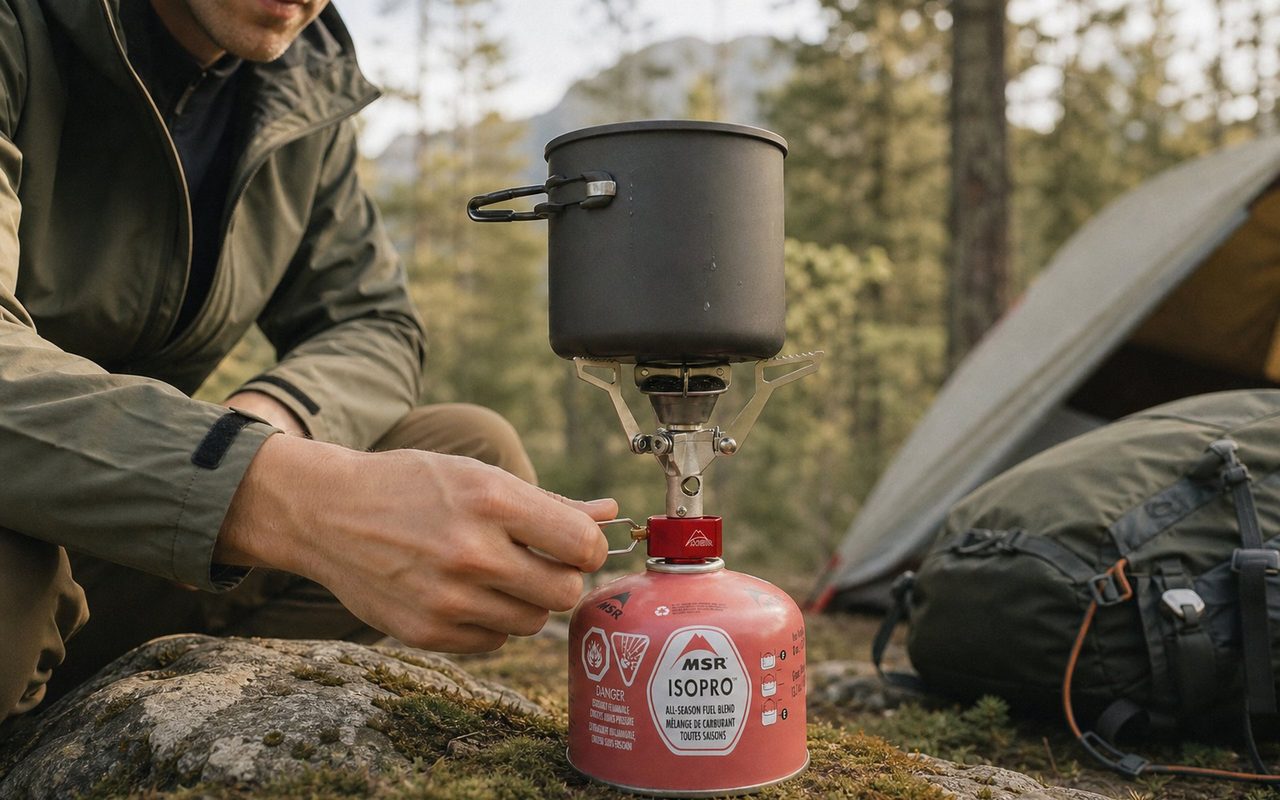
The MSR PocketRocket 2 has been the default canister stove recommendation for most 3-season backpackers since it replaced the original PocketRocket in 2017. At 2.6 oz with a weight-to-price ratio that's hard to match in this class, it's easy to see why it became the standard recommendation. But 'default recommendation' and 'right for everyone' are different things, and this review explains exactly who the PocketRocket 2 serves well and who should look elsewhere.
 By Brooke5 min read
Share this post
Send it to someone who's planning a trip.
Who the PocketRocket 2 Is (and Isn't) For
The PocketRocket 2 is a 3-season, solo-to-duo stove built for hikers who primarily boil water for freeze-dried meals and hot drinks. If that's 90% of your cooking, this stove is straightforward and excellent.
It's a good fit for thru-hikers on the PCT, JMT, CDT, and similar 3-season routes where temperatures stay mostly above freezing and you're not cooking in consistent strong wind. Weekend backpackers, first-timers who don't want to overthink gear, and weight-conscious hikers who can't go full BRS-3000T are all natural buyers.
Skip the PocketRocket 2 if you're primarily doing winter camping or high-altitude mountaineering. Canister stoves lose pressure below freezing and the PR2 has no inverted-canister option. Skip it too if you're regularly cooking for a group of three or more. And if your routes are consistently exposed and windy, the SOTO Windmaster or an integrated Jetboil system pay for themselves in fuel saved over the course of a trip.
Wind and Cold: The Real Limitations
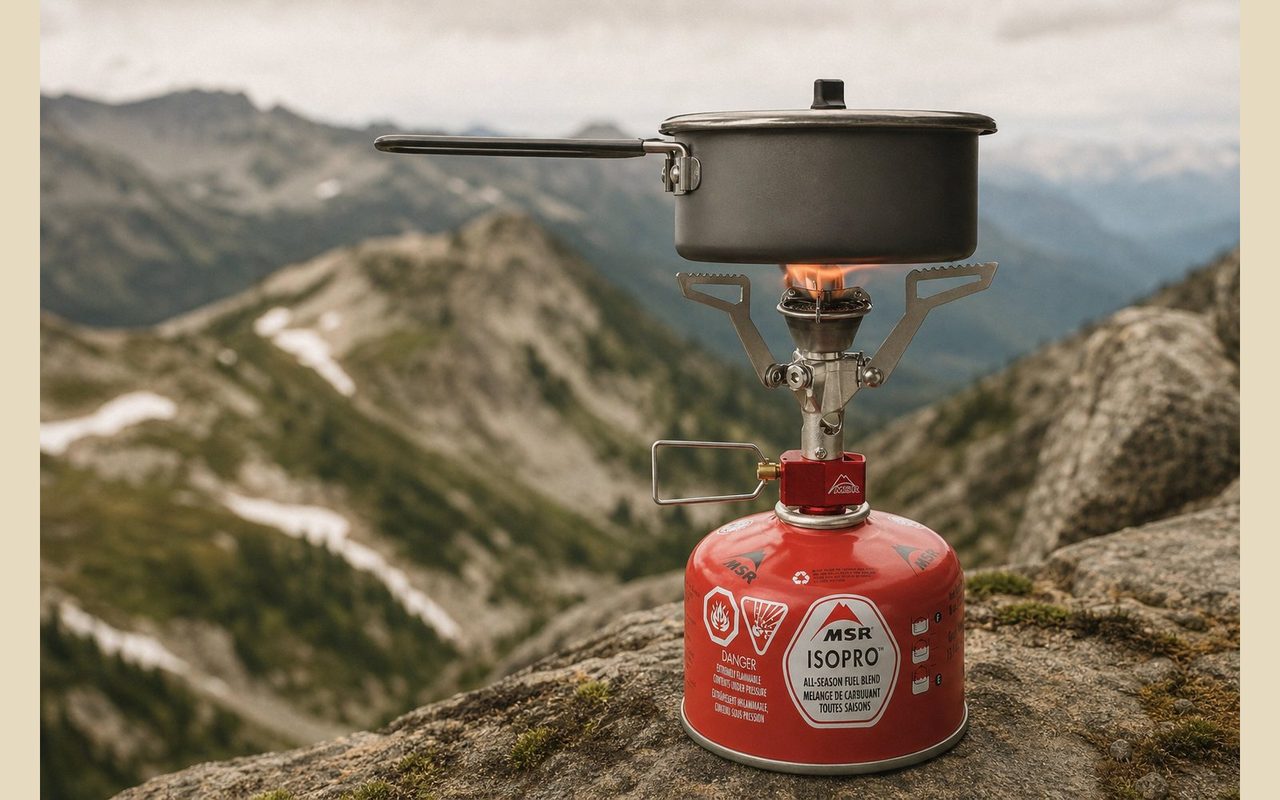
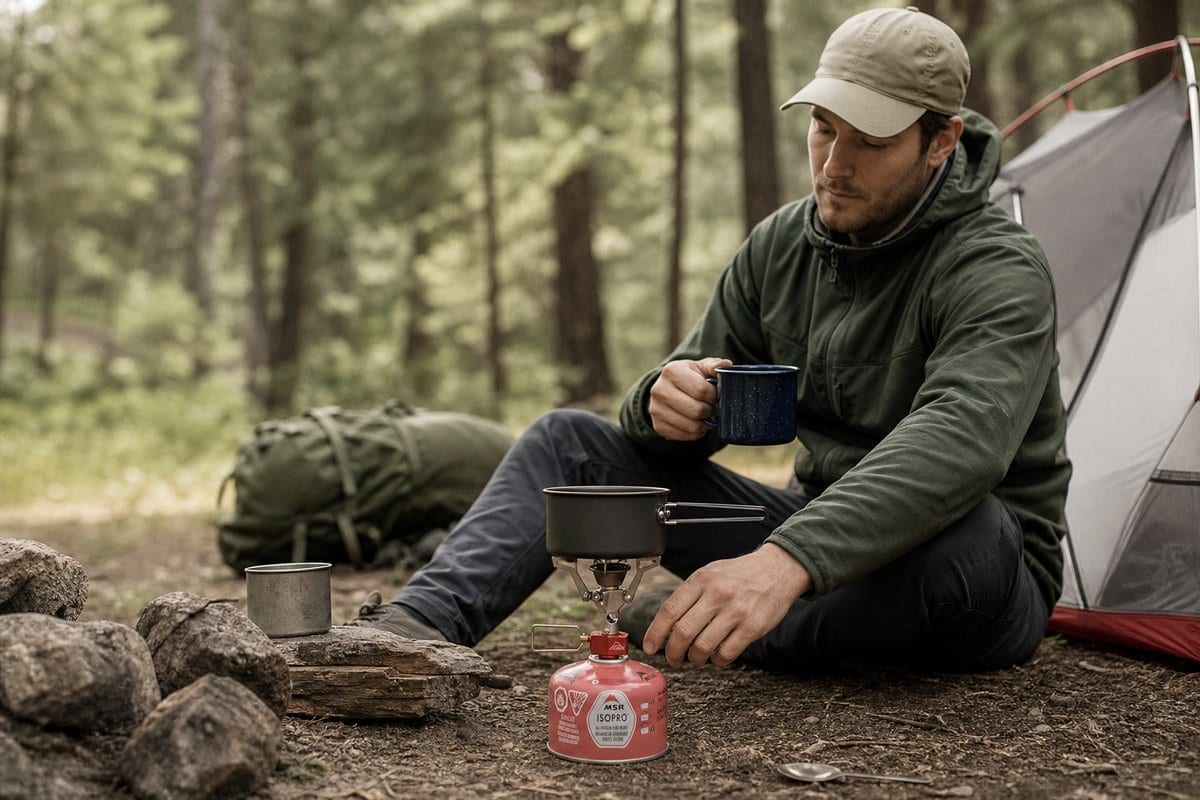
The manufacturer's 3.5-minute boil time is a still-air lab number. Field performance in moderate wind (10 to 15 mph) can push that to 6 or 8 minutes and meaningfully increase fuel consumption. The PocketRocket 2 has no integrated wind protection, so you're responsible for finding a natural wind break or carrying a lightweight windscreen.
Windscreens work well with this stove, but use the right kind: a wrap-around that doesn't enclose the canister. An enclosed canister plus radiant heat creates pressure buildup risk. Many hikers use an ultralight foil screen or a natural rock shield. On forested trail corridors in 3-season conditions, most hikers rarely hit the worst-case wind scenario.
Cold weather is a separate problem. When temperatures drop near 32 degrees F, standard isobutane-propane canisters lose pressure as liquid fuel vaporizes poorly. Below about 20 degrees F, the output degradation is serious. The field fix is to sleep with your canister in your sleeping bag and keep it in a jacket pocket during the day. That works, but you need to know to do it. If you're camping below freezing regularly, look at remote-canister stoves that can feed liquid fuel from an inverted canister.
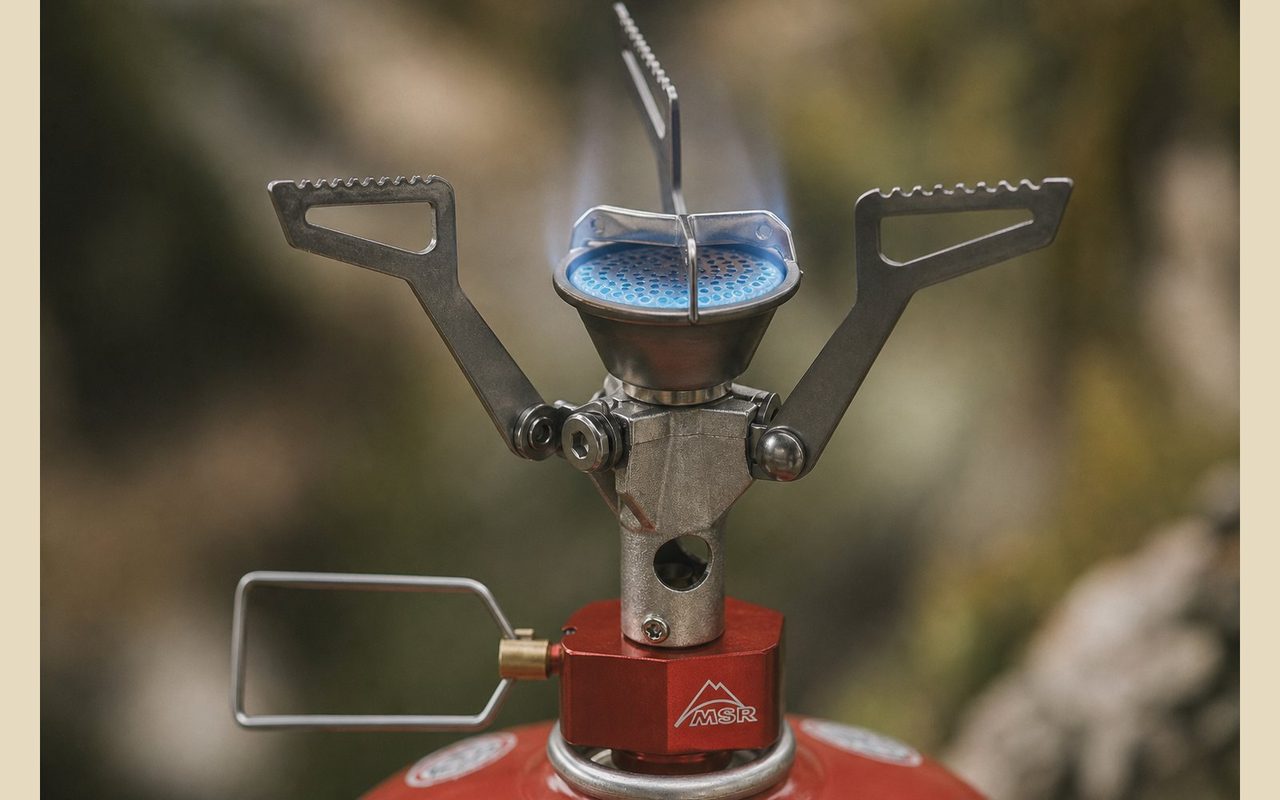
The Piezo Igniter
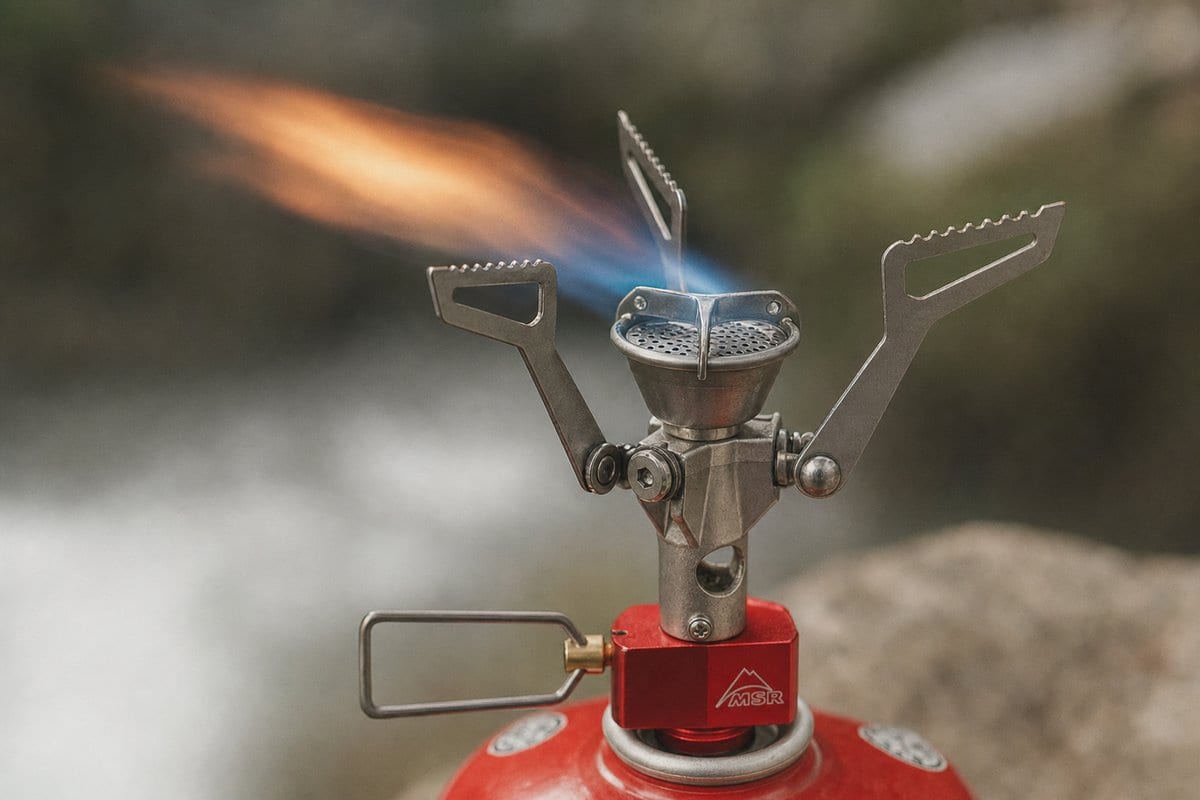
The PocketRocket 2 has an integrated piezo igniter built into the stove body. For most 3-season use, it works reliably. For extended thru-hiking, altitude, or cold, it's a different story.
Piezo igniters are known failure points on canister stoves generally, and the PocketRocket 2 is no exception. Altitude, moisture, and heavy use all degrade igniter performance over time. Long-distance thru-hikers regularly report igniter failures by the halfway point of a PCT thru-hike.
The fix is simple and weighs almost nothing: carry a mini BIC lighter. A BIC lighter weighs about 0.5 oz and removes the igniter dependency entirely. Treat the piezo as a convenience, not a primary ignition source.
Weight Value and the Alternatives
At 2.6 oz, the PocketRocket 2 is not the lightest canister stove on the market. The BRS-3000T weighs 0.9 oz and costs a fraction of the price. The Snow Peak LiteMax is also 0.9 oz at a higher price. So what does the PocketRocket 2 buy over those options?
Durability and performance consistency. The PocketRocket 2 uses brass and stainless construction that holds up to years of regular use and is field-repairable. The BRS-3000T, for all its weight appeal, has a track record of bent pot supports, igniter failures, and fragility on long trails. The 1.7 oz weight penalty of the PR2 over a BRS buys meaningful reliability over a 500-mile thru-hike.
The SOTO Windmaster is the clearest upgrade for wind-exposed routes. It includes a micro-regulator for consistent cold-weather output and a four-flex pot support for better stability. If wind is your primary concern, the Windmaster is worth considering. The Jetboil Flash integrates pot and stove into a faster, more fuel-efficient boil-only system, better for strict boil-water-only hikers and worse for actual cooking.
Simmer, Stability, and Everyday Use
The PocketRocket 2 uses a dial valve rather than a push-button toggle, which gives you real simmer control. Compared to Jetboil-style integrated systems, the PR2 simmers noticeably better, which matters if you ever want to cook actual food rather than just rehydrate a bag.
Pot stability depends on the pot. With a narrow 750ml to 900ml titanium pot, the three-arm supports grip well and the system is solid. With wider pots, anything with a base diameter approaching 4 or more inches, the arms can sit at an awkward angle and the pot wobbles. A Toaks 900ml or similar narrow backpacking pot is the natural pairing. Avoid setting a wide 1.8L pot on this stove anywhere a tip would cause real problems.
Fuel consumption varies with conditions. Plan on roughly 10 to 12 grams of fuel per boil (1L, moderate conditions) as a working estimate. A 100g canister gives you roughly 7 to 9 boils in typical conditions. Plan fuel supply accordingly on multi-day trips.
Pros
- Exceptional weight-to-price ratio for this class
- Simple, foolproof operation with no learning curve
- Durable enough for multi-year thru-hiking use
- Better simmer control than Jetboil and most integrated systems
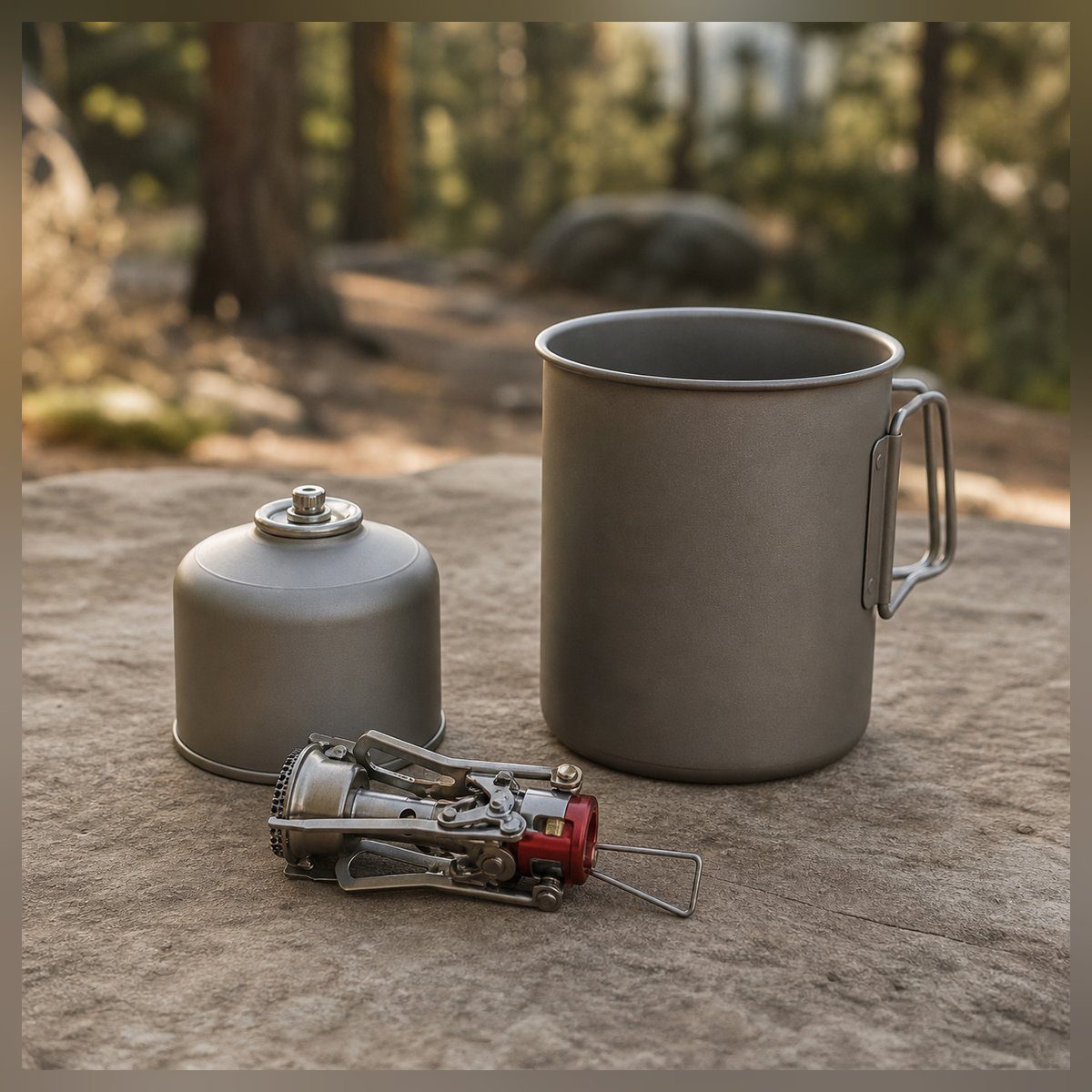
- Compact, nests inside a 750ml-1L pot with a canister
Cons
- Wind significantly degrades boil time and fuel efficiency
- Canister pressure fades noticeably below freezing
- Piezo igniter unreliable at altitude and in cold; carry a lighter
- 3-arm pot support wobbles with pots wider than ~4 inches
- No built-in wind protection or heat exchanger
Key Specifications
- Igniter
- Integrated piezo
- Fuel type
- Isobutane-propane canister
- Pot support
- 3-arm folding
- Weight (stove only)
- 2.6 oz / 73g
- Boil time (1L, still air)
- ~3.5 min
More from Backpacking Stoves
MSR Switch Stove System Review: Worth It for Real Trail Cooking?
The MSR Switch earns its weight with true simmer control and two cookware modes. It is a strong pick for trail cooks, but overkill for boil-only backpackers.
 Brooke Wilder
6 min read
Brooke Wilder
6 min read
Jetboil MiniMo Cooking System Review
Jetboil MiniMo: integrated stove with real simmer control and cold-weather regulation. Full review, specs, and buy-or-skip verdict.
 Dhaval Parekh
6 min read
Dhaval Parekh
6 min read
MSR WindBurner Personal Stove System Review: Built for Wind, Not Flexibility
A strong boil-only choice for windy camps, with a real weight penalty and little cookware freedom.
Brooke Wilder
6 min read
Get one honest gear take every Friday.
No spam. Just gear picks, packing lessons, and notes from this week's research.
Why trust BestForBackpacking
Honest gear advice for backpackers, researched, weighed, and recommended.
Every pick is based on deep research: a synthesis of long-term owner reports, independent reviewer tests, and manufacturer specs, weighted by source independence, specificity, and use-case match. Brooke Wilder is our gear editor, the editorial persona who turns that research into a clear recommendation.