
Backpacking Stoves
Best Lightweight Backpacking Stoves for 2026
Last updated:
Five lightweight backpacking stoves across canister, integrated, and windproof designs, ranked by weight, boil time, wind behavior, and fuel efficiency with a pick for each trip type.
 By Brooke5 min read
Share this post
Send it to someone who's planning a trip.
Retailer links on this page are affiliate links. We may earn a commission if you buy, and your price doesn't change. How affiliate links work →
Quick picks
My picks at a glance
| Pick | Product | Where to look |
|---|---|---|
| Top pick | SOTO WindMaster | Check price at Amazon → |
| Best budget | MSR PocketRocket 2 | Check price at Amazon → |
| Fastest boil | Jetboil Flash | Check price at Amazon → |
| Best in wind | MSR WindBurner | Check price at Amazon → |
| Best for cooking | MSR Switch | Check price at Amazon → |
Full reasoning for each pick is further down the page.

How to choose a lightweight stove
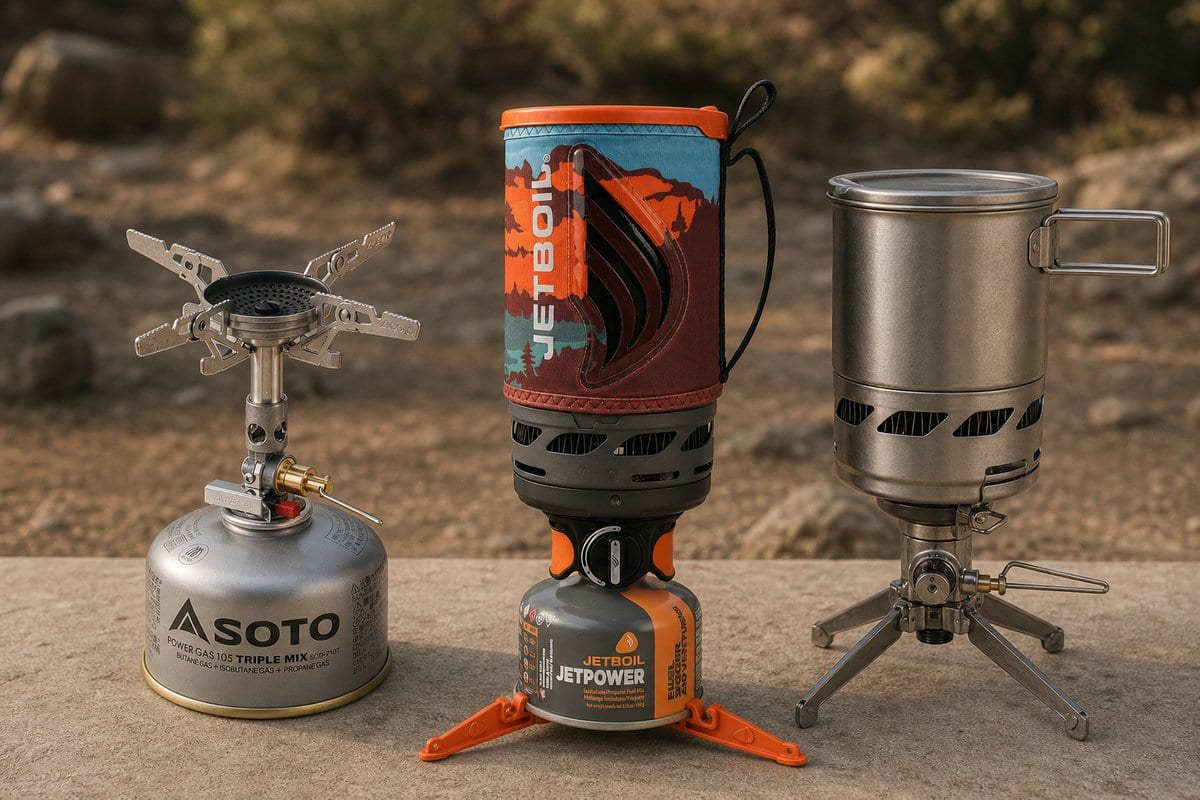
Three stove architectures cover nearly every backpacking cookout. Simple canister stoves screw onto the fuel canister and fold into a small steel burner, typically 2 to 3 ounces. They are light, cheap, and loud enough for a boil-and-powder routine. Integrated systems bond the burner to a specific pot with a heat-exchanger base and a cozy, which speeds boil time and saves fuel: one piece, no fiddling, heavier by 10 or more ounces. Windproof systems enclose the burner in a radiant housing so flame and heat stay put in wind, at the cost of weight and price.
Pick the architecture by how you cook. Solo hikers who boil water and add a dehydrated meal want the lightest canister stove. Two to four people sharing a pot want the fuel savings and speed of an integrated system. Alpine or exposed coastal trips where wind is the enemy point to an enclosed burner.
Whichever you choose, the numbers that matter are packed weight, minutes to boil for a stated volume, fuel burned per boil, and how the stove behaves in wind. Everything else is preference.
Weight and packed size
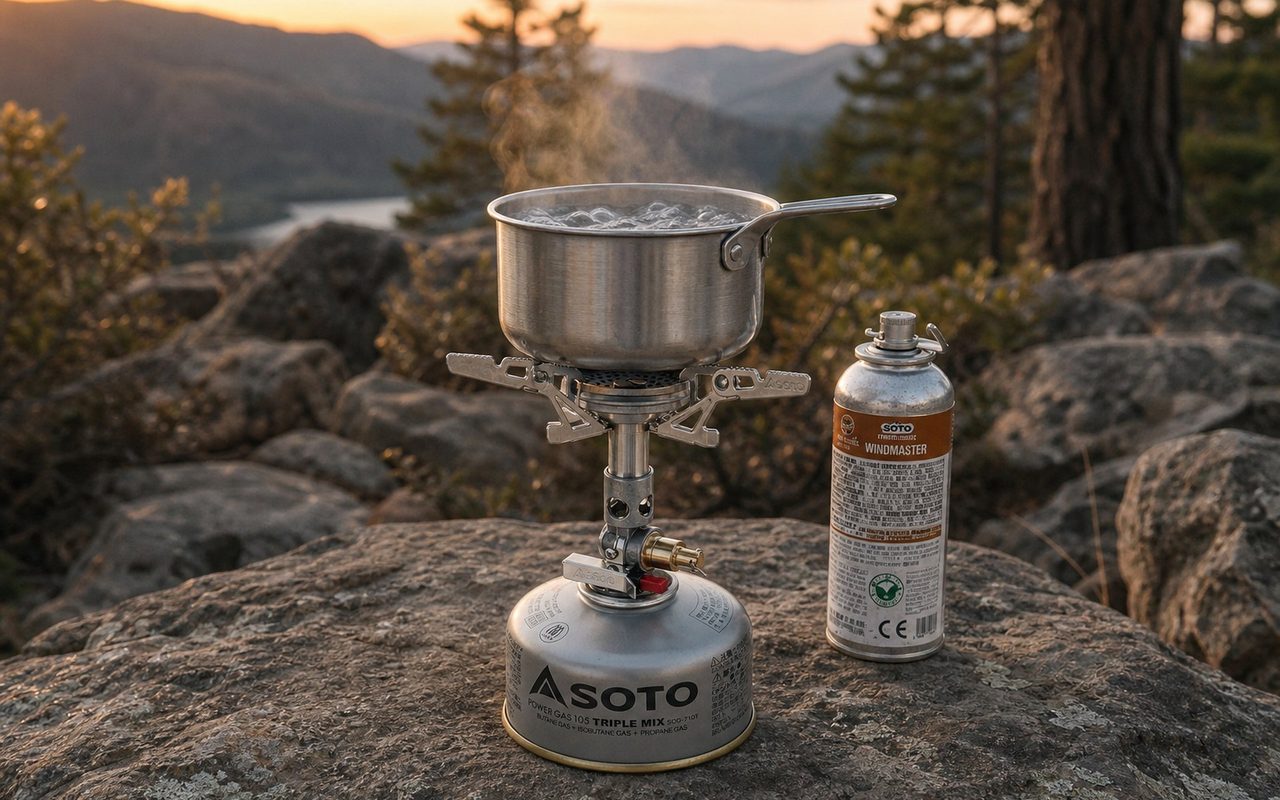
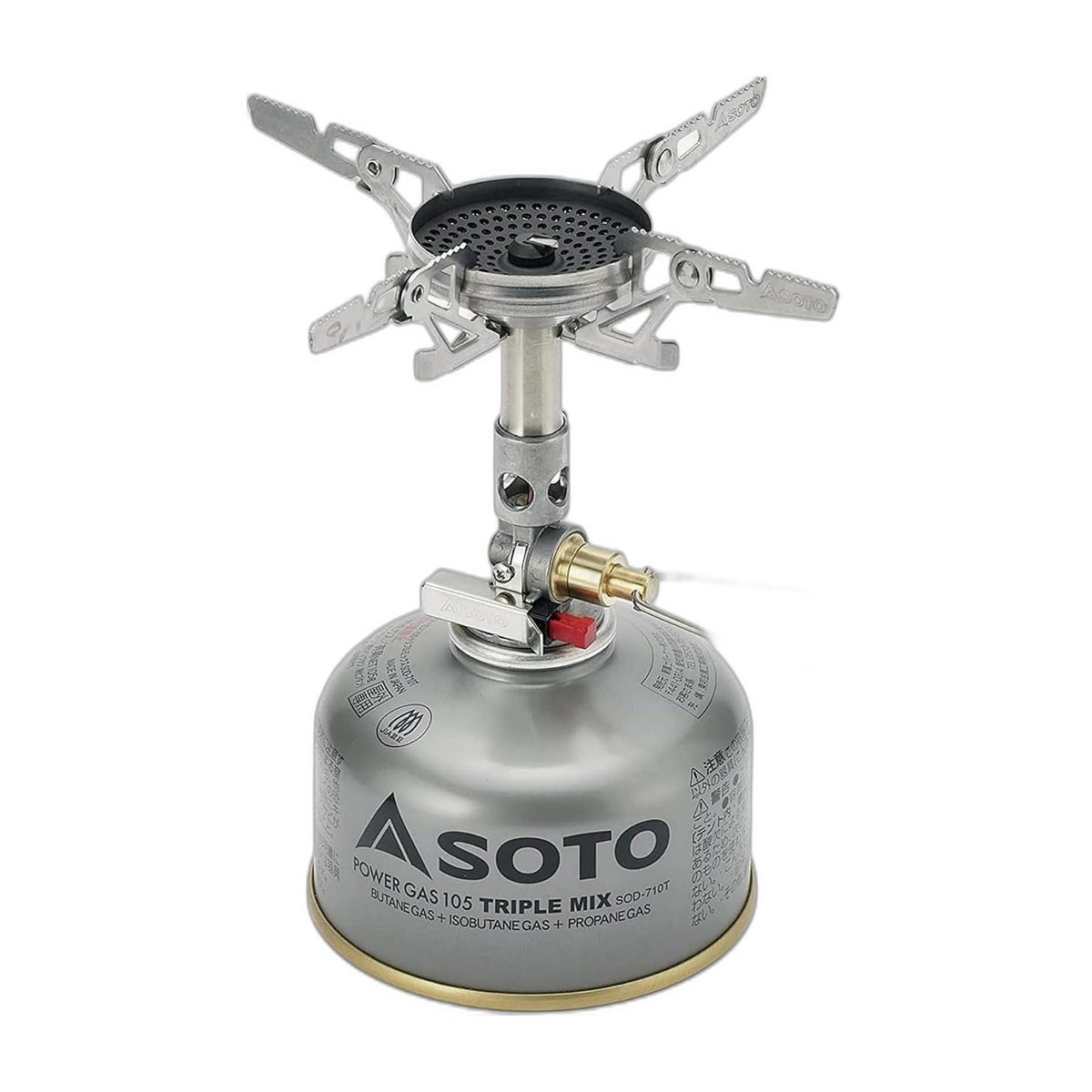
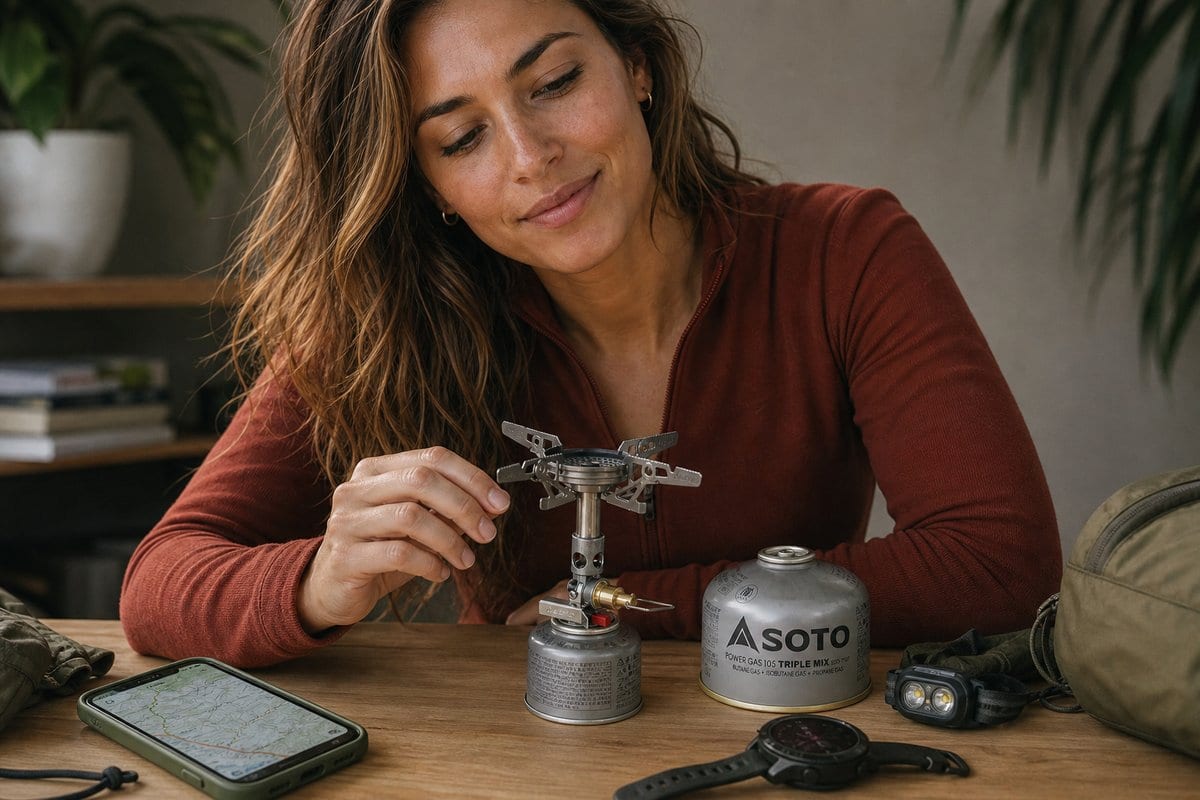
The lightest stove here is the MSR PocketRocket 2 at 2.6 ounces. Our top pick, the SOTO WindMaster, weighs 3.0 oz (87 g) with its 4Flex support per SOTO's spec sheet; BIKEPACKING measured 3.1 ounces, and OutdoorGearLab weighed 3.8 ounces with the storage bag. Both pack smaller than a fist and disappear into a side pocket. That 2.6 to 3.0 ounce band is the honest floor for a canister stove you actually cook on, once the pot support is named.
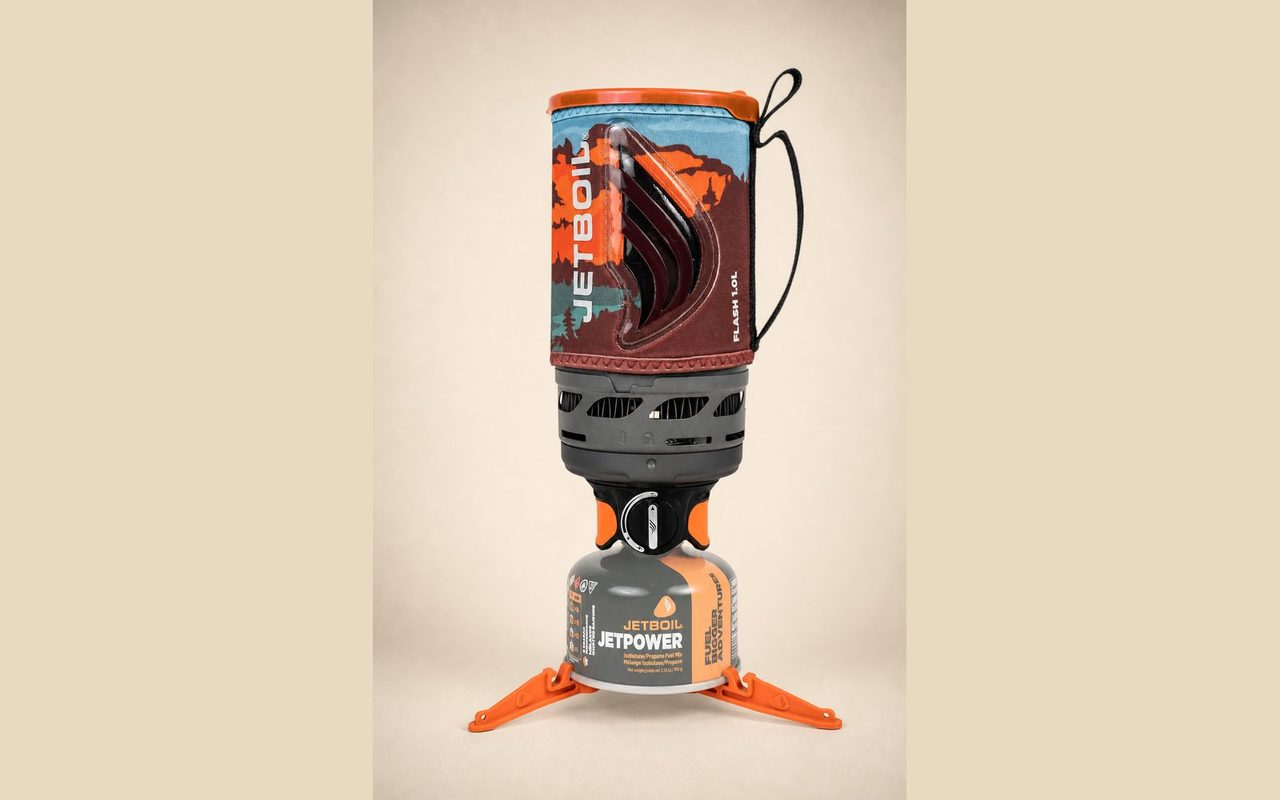
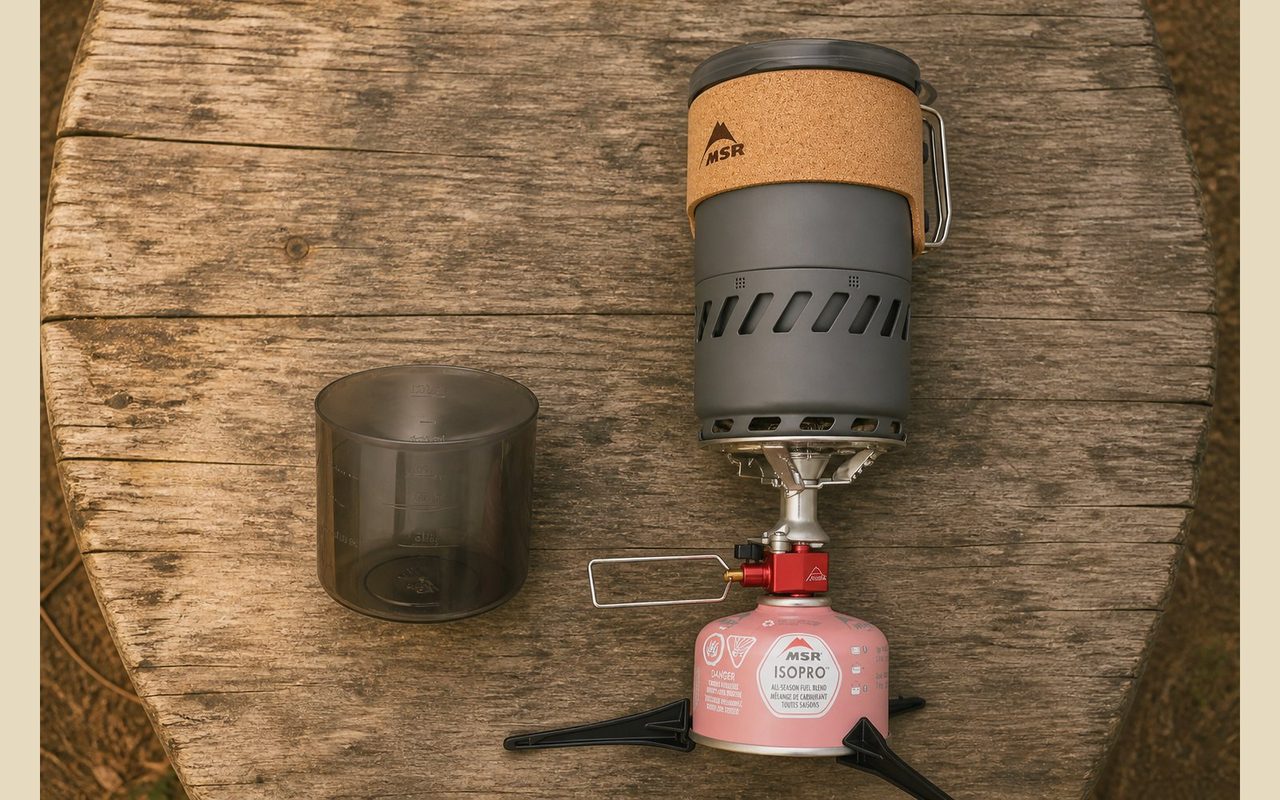
Integrated systems trade ounces for speed. The Jetboil Flash is 13.1 oz (371 g) as a complete stove, pot, and cozy, the weight Jetboil lists for the system without the fuel canister. The MSR WindBurner is 15.3 oz (433 g) minimum and 16.4 oz (465 g) as packaged. The MSR Switch is a hybrid: the burner alone comes in at 4.1 oz (117 g), but it is built as a complete pot-and-stove system with its own 1.0 liter hemispherical pot, strainer lid, cork cozy, bowl, and canister stand, which weighs 13.8 oz (392 g). That is why stove weights have to carry a basis; the same product can read as 4.1 ounces or 13.8 ounces depending on what you count.
Boil time and fuel efficiency
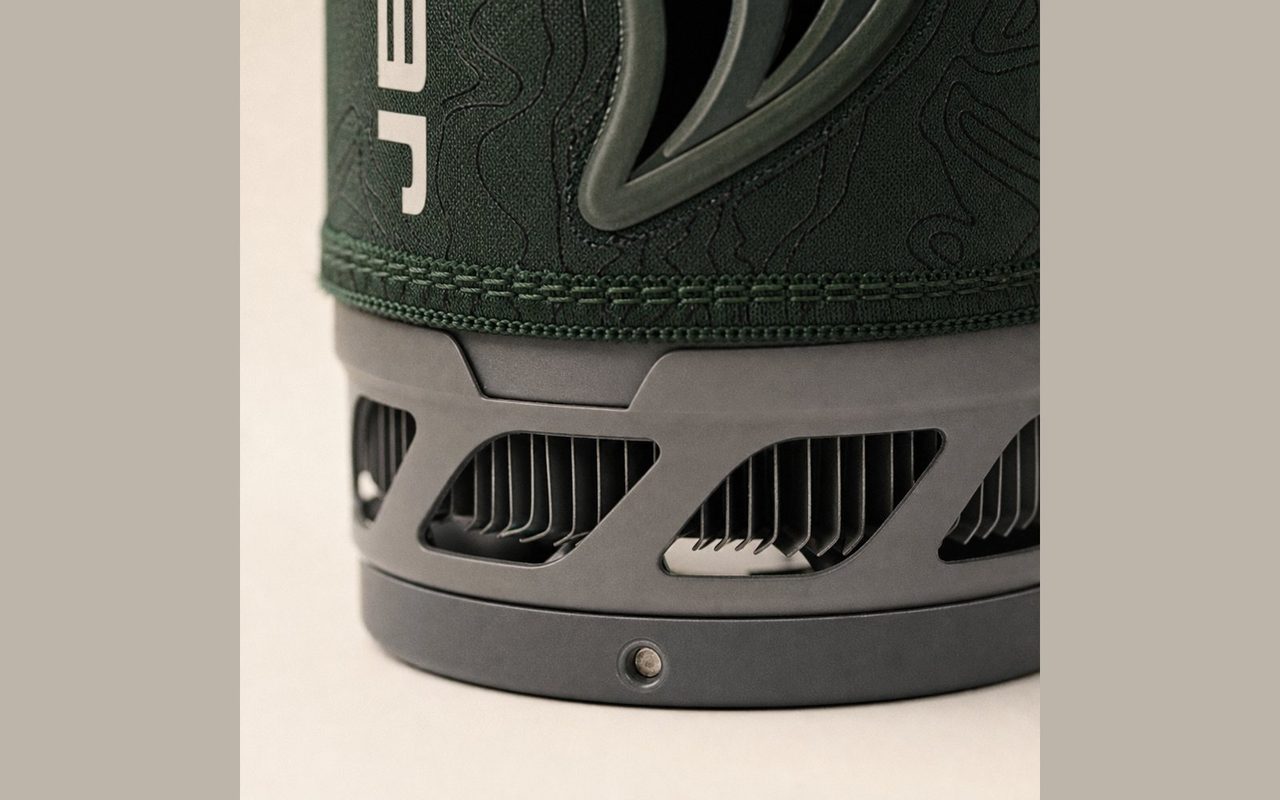
Boil times only mean something when the volume and the source are attached. On the manufacturer sheet: the Jetboil Flash is rated at 120 seconds for 0.5 liter, the MSR Switch at 2.5 minutes for 0.5 liter under controlled conditions, the MSR WindBurner at 4.5 minutes for 1 liter, and the MSR PocketRocket 2 at 3.5 minutes for 1 liter. Independent tests land elsewhere: CleverHiker timed the Switch at 3 minutes for 0.5 liter in calm air and 3 minutes 45 seconds in steady wind, and OutdoorGearLab scored boil time at 8.9 out of 10 for both the Flash and the PocketRocket 2.
Fuel efficiency is easiest to compare on a single basis. MSR rates the WindBurner at 18 liters of boiled water per 227-gram canister, against 16 liters for the PocketRocket 2, which works out to roughly 11 percent less fuel for the same boiled volume in still air. On the integrated side, CleverHiker measured the Switch at 8.5 grams of fuel per 0.5-liter boil, and OutdoorGearLab measured the Flash at about 0.15 ounce (4.3 g) per 0.5 liter. The open burners use more fuel per boil than the fast-boil systems, the trade you make against their lighter packed weight.
Wind and cold weather behavior
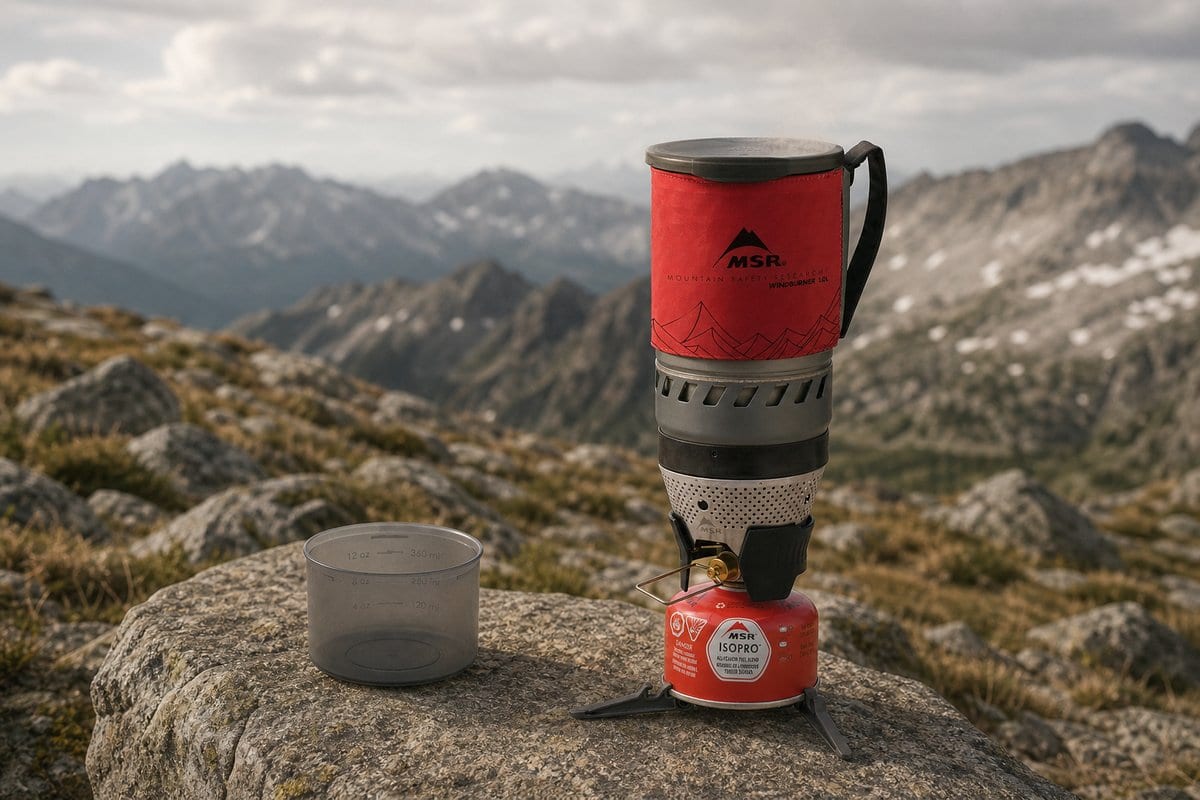
Wind is where enclosed burners earn their weight. The MSR WindBurner routes its flame through a radiant burner inside a cup, and MSR says the pressure regulator keeps performance steady in wind and cold; the published reviews we rely on rank it the strongest windy-weather stove here. The MSR Switch showed the best documented wind behavior among the newer open designs: CleverHiker timed a 3-minute 0.5-liter boil in calm air and 3 minutes 45 seconds in steady wind, a roughly 25 percent penalty that CleverHiker says lines up with top integrated systems. The SOTO WindMaster is the best-behaved bare burner in a breeze, thanks to its built-in windscreen and micro-regulator. OutdoorGearLab scored the Jetboil Flash's wind resistance at 8 out of 10, noting the integrated pot shields the burner from gusts but output drops in the strongest wind. The PocketRocket 2 has no windscreen, and OutdoorGearLab counts it among the stoves most susceptible to wind.
Cold weather is a fuel problem before it is a stove problem. The WindMaster's micro-regulator keeps output steady while the canister still has pressure, but no regulator can create pressure that is not there. BIKEPACKING observed the WindMaster's performance slipping below about 43 degrees F (5 C); that is one reviewer's field observation, not an official operating floor, and the same upright-canister physics applies to any stove here. Warming the canister against your body or switching to a winter fuel blend is the common workaround. If you camp below freezing regularly, an enclosed burner or a cold-rated system is the buy.
Cooking and simmer control
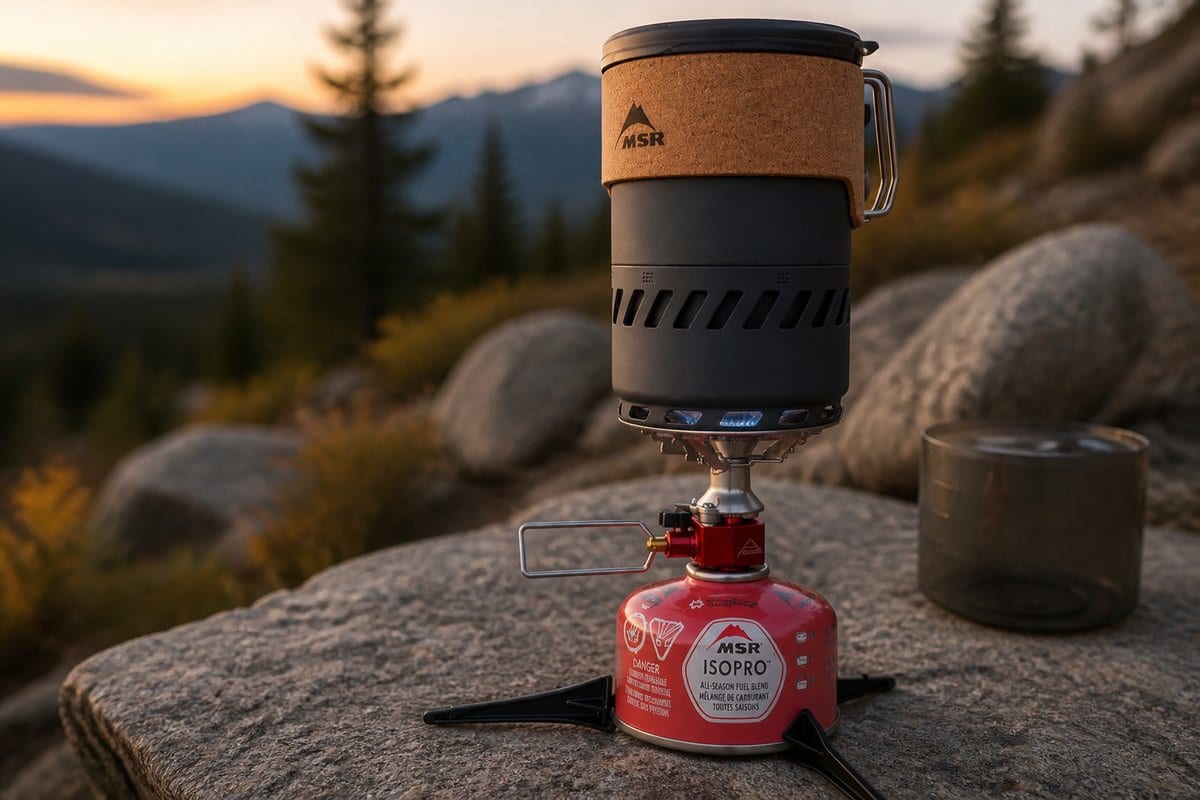
Every stove here boils water quickly. Very few simmer. The MSR Switch is the real cook's pick: MSR says its pressure regulator adds a genuine boil-to-simmer range, and CleverHiker confirmed the low-flame control works for eggs and other delicate food. It is a complete pot-and-stove system with its own 1.0 liter hemispherical pot, strainer lid, cork cozy, bowl, and canister stand, and the flip-out pot supports also accept flat-bottom cookware up to about 8 inches, which integrated systems cannot do. The SOTO WindMaster manages fine flame control through its micro-regulator, good enough for rice and sauces, and OutdoorGearLab counts decent simmering among the PocketRocket 2's strengths. The Jetboil Flash and the MSR WindBurner, both enclosed designs, sacrifice simmer entirely so they can deliver fast, windproof boils.
If breakfast is instant coffee and dinner is freeze-dried, simmer does not matter and the lighter or faster stove wins. If you like cooking one-pot meals on trail, the Switch or the WindMaster is worth the extra ounces.
Gear spotlights
What we’re recommending
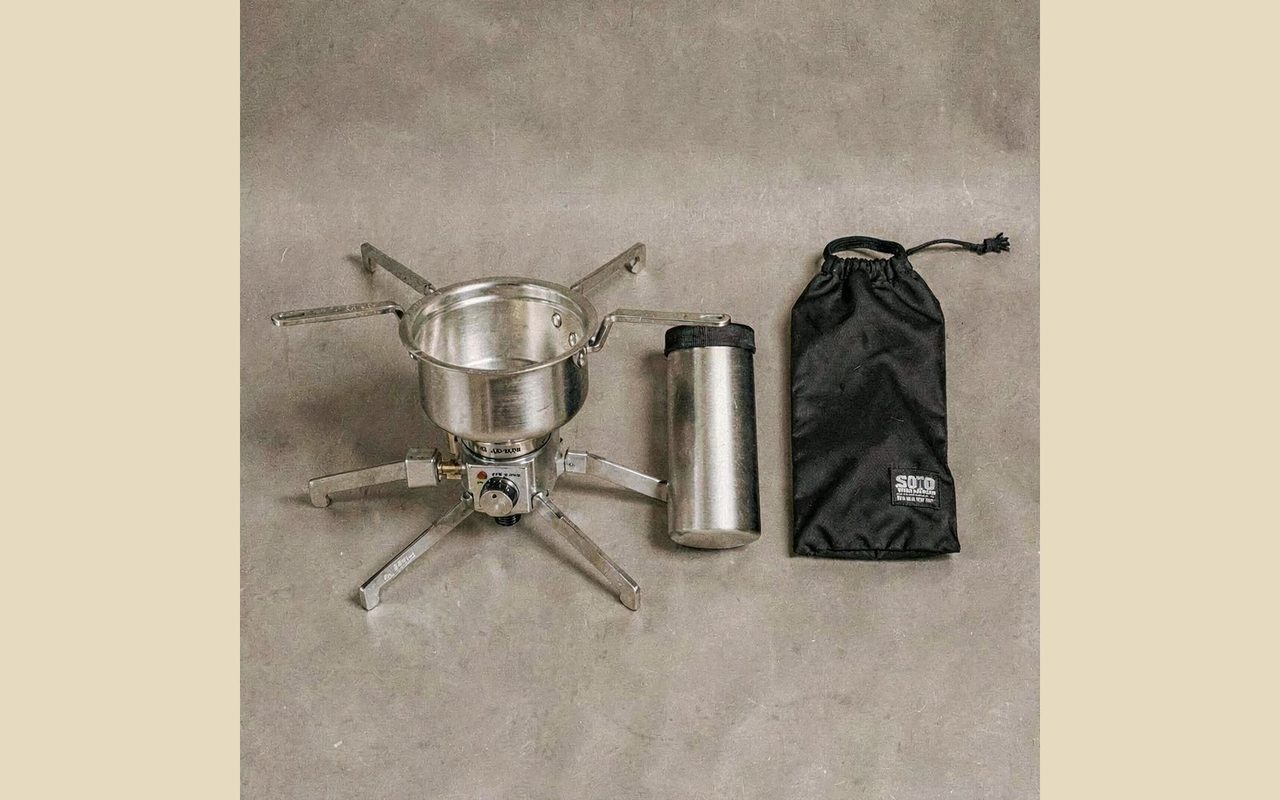
Top pick
Canister stove, 3.0 oz (87 g) with 4Flex
SOTO WindMaster
The best all-around lightweight stove: a built-in windscreen and micro-regulator keep output steady in wind and as the canister draws down, the 4Flex support steadies any pot, and at 3.0 oz (87 g) with that support it stays light for the class.
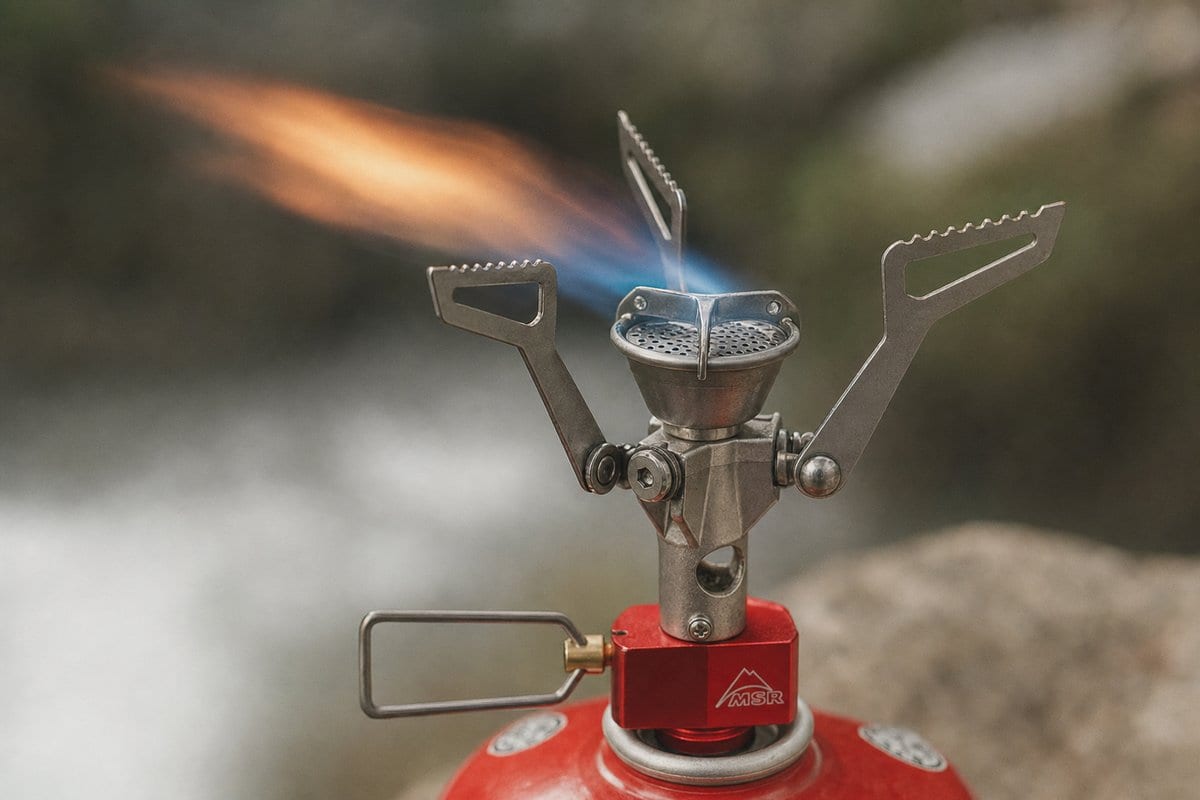
Best budget
Canister stove, 2.6 oz
MSR PocketRocket 2
The classic ultralight burner at the lowest price, backed by decades of dependable use. Bring a lighter and a windscreen for exposed camps.
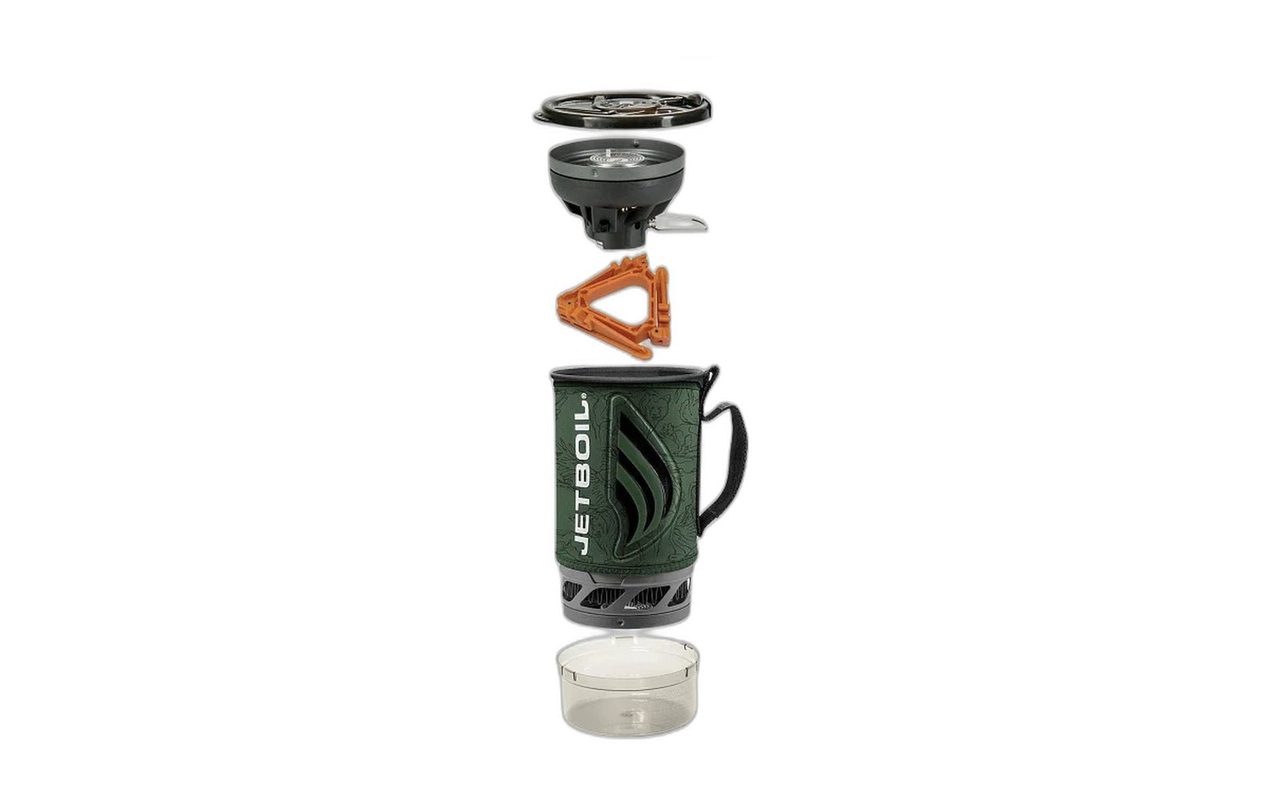
Fastest boil
Integrated system, 13.1 oz (371 g)
Jetboil Flash
Jetboil rates it at 120 seconds for a 0.5 liter boil, the fastest claim in this group, and the heat-exchanger pot and cozy keep fuel use low. Set-and-forget simplicity for boil-and-freeze-dried trips.
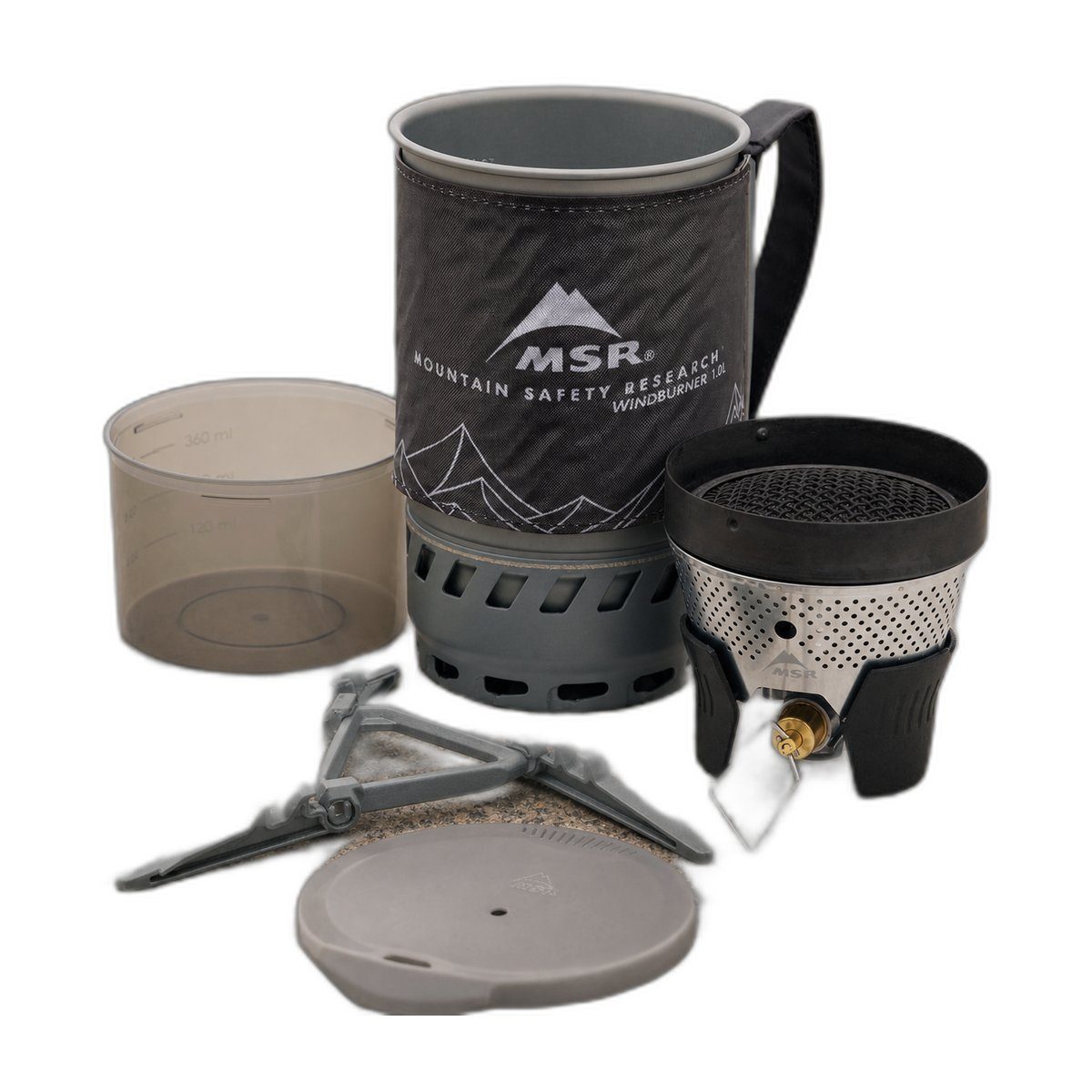
Best in wind
Windproof system, 15.3 oz (433 g) min
MSR WindBurner
The pick for exposed, alpine, and coastal trips: the enclosed radiant burner holds its performance in wind, and MSR rates it at 18 liters of boiled water per 227-gram canister, about 11 percent less fuel for the same boiled volume in still air.
Best for cooking
Hybrid canister stove system, 13.8 oz complete (4.1 oz burner)
MSR Switch
A complete pot-and-stove system at 13.8 oz (392 g): its own 1.0 liter hemispherical pot, strainer lid, cork cozy, bowl, and canister stand, with a pressure regulator that genuinely simmers. The burner alone is 4.1 oz (117 g), and flip-out pot supports accept your own cookware.
Get one honest gear take every Friday.
One email a week: new reviews, one gear pick with my reasoning, and nothing sponsored. Confirm your address and you get my printable 2-page backpacking gear checklist.
You'll get a confirmation link first, and nothing else arrives until you click it. Every email has a one-click unsubscribe. How your email is handled
More from Backpacking Stoves
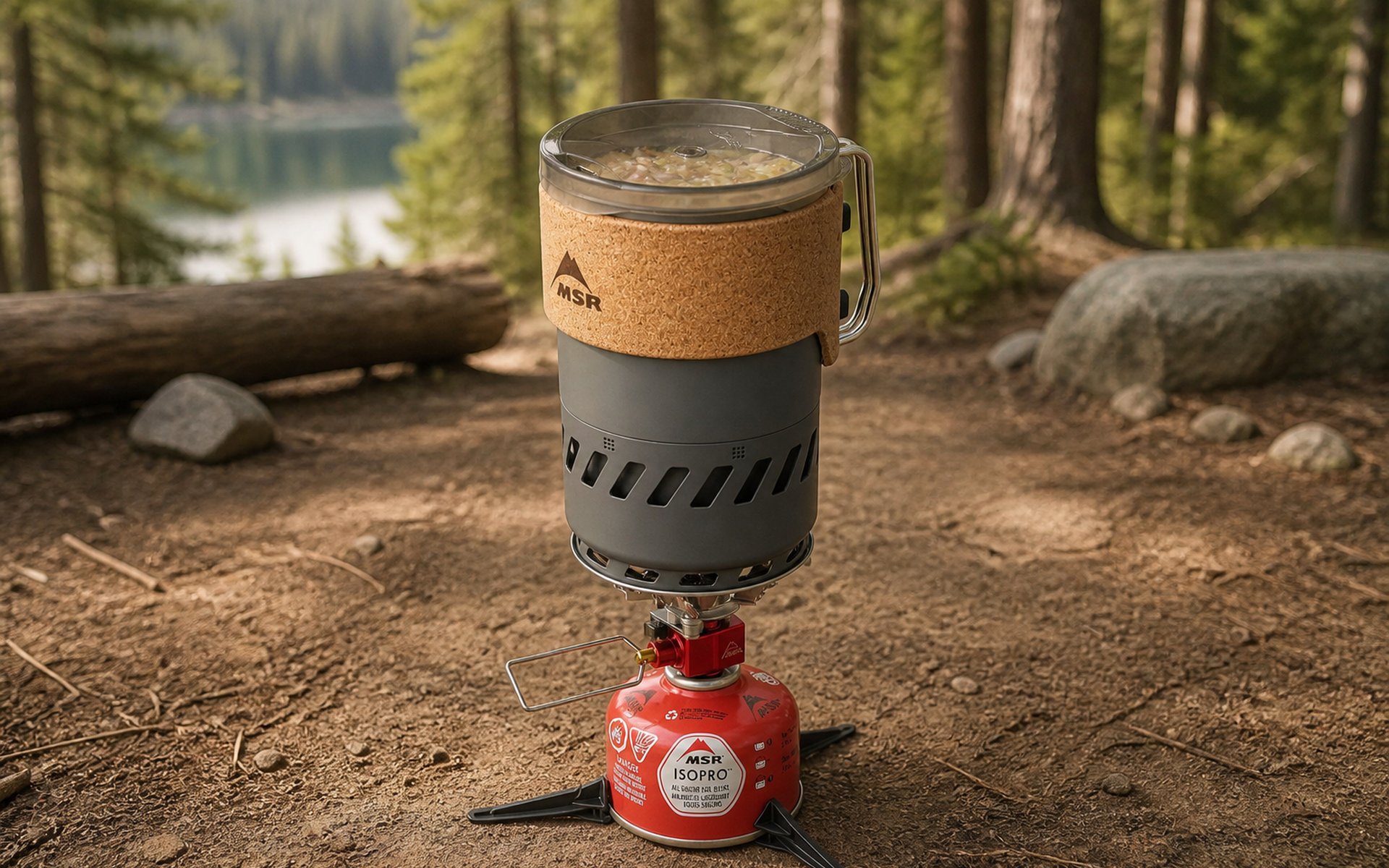
MSR Switch Stove System Review: Worth It for Real Trail Cooking?
The MSR Switch is a 13.8 oz system stove that can also simmer and take your own pots. Buy it if you cook; skip it if you only boil water.
 Brooke Wilder
9 min read
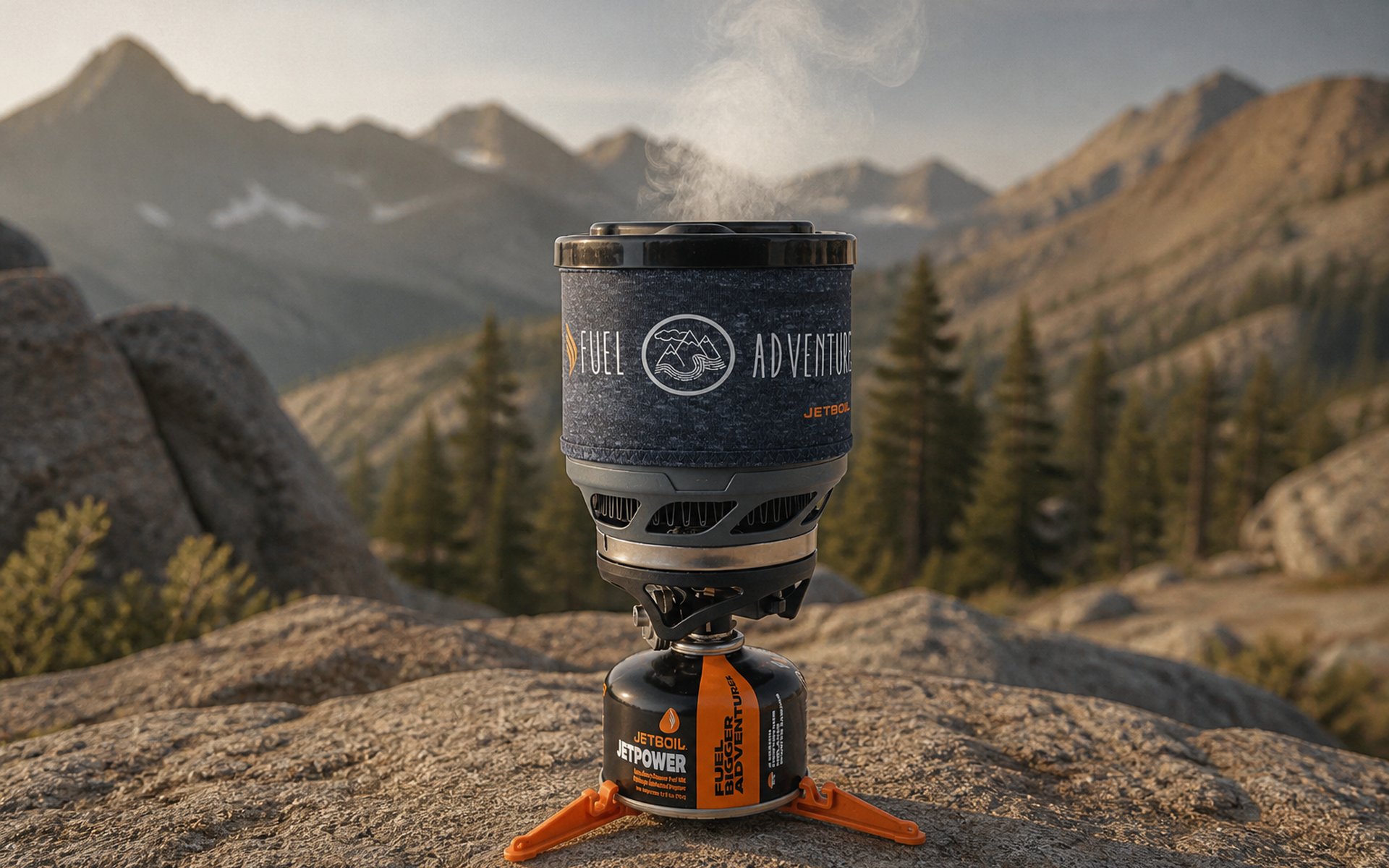
Jetboil MiniMo Cooking System Review
Jetboil MiniMo review: the integrated stove that simmers, top fuel efficiency in OutdoorGearLab's test, 14.6 oz. Now an outgoing model, and what to buy.
 Dhaval Parekh
8 min read

MSR WindBurner Personal Stove System Review: Built for Wind, Not Flexibility
MSR WindBurner Personal review: 15.3 oz, top wind and fuel scores in OutdoorGearLab's test, mostly boil-only. The fuel math, and who should skip it.
Brooke Wilder
9 min read
Why trust BestForBackpacking
Honest gear advice for backpackers, researched, weighed, and recommended.
Every pick is based on deep research: a synthesis of long-term owner reports, independent reviewer tests, and manufacturer specs, weighted by source independence, specificity, and use-case match. Brooke Wilder is our gear editor, the editorial persona who turns that research into a clear recommendation.