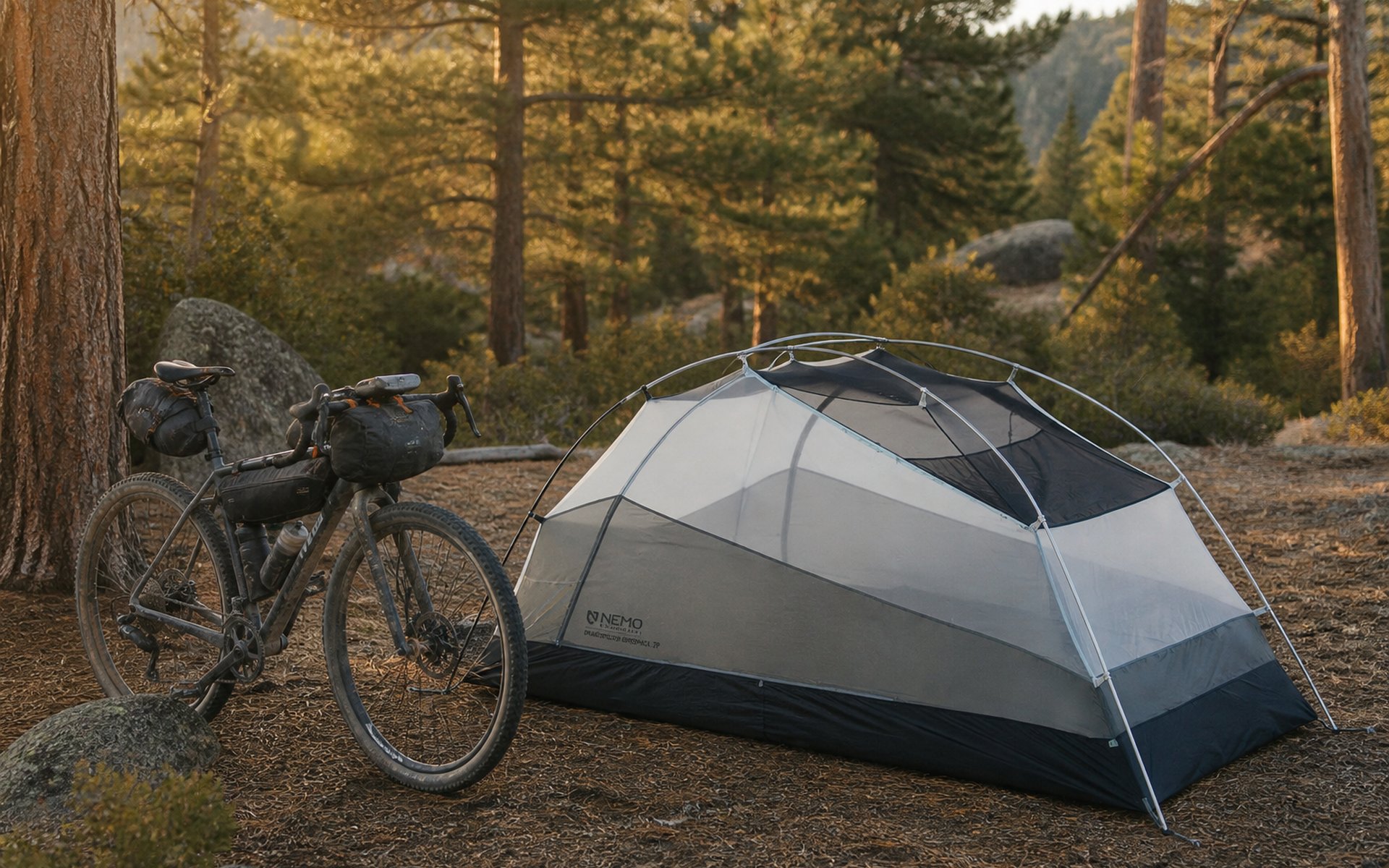

NEMO Dragonfly OSMO Bikepack 2P Review
A thoughtfully packed freestanding shelter for bikepacking pairs, but the premium and thin long-term evidence make it a niche buy.
Freestanding and trekking-pole shelters for backcountry use.
A thoughtfully packed freestanding shelter for bikepacking pairs, but the premium and thin long-term evidence make it a niche buy.
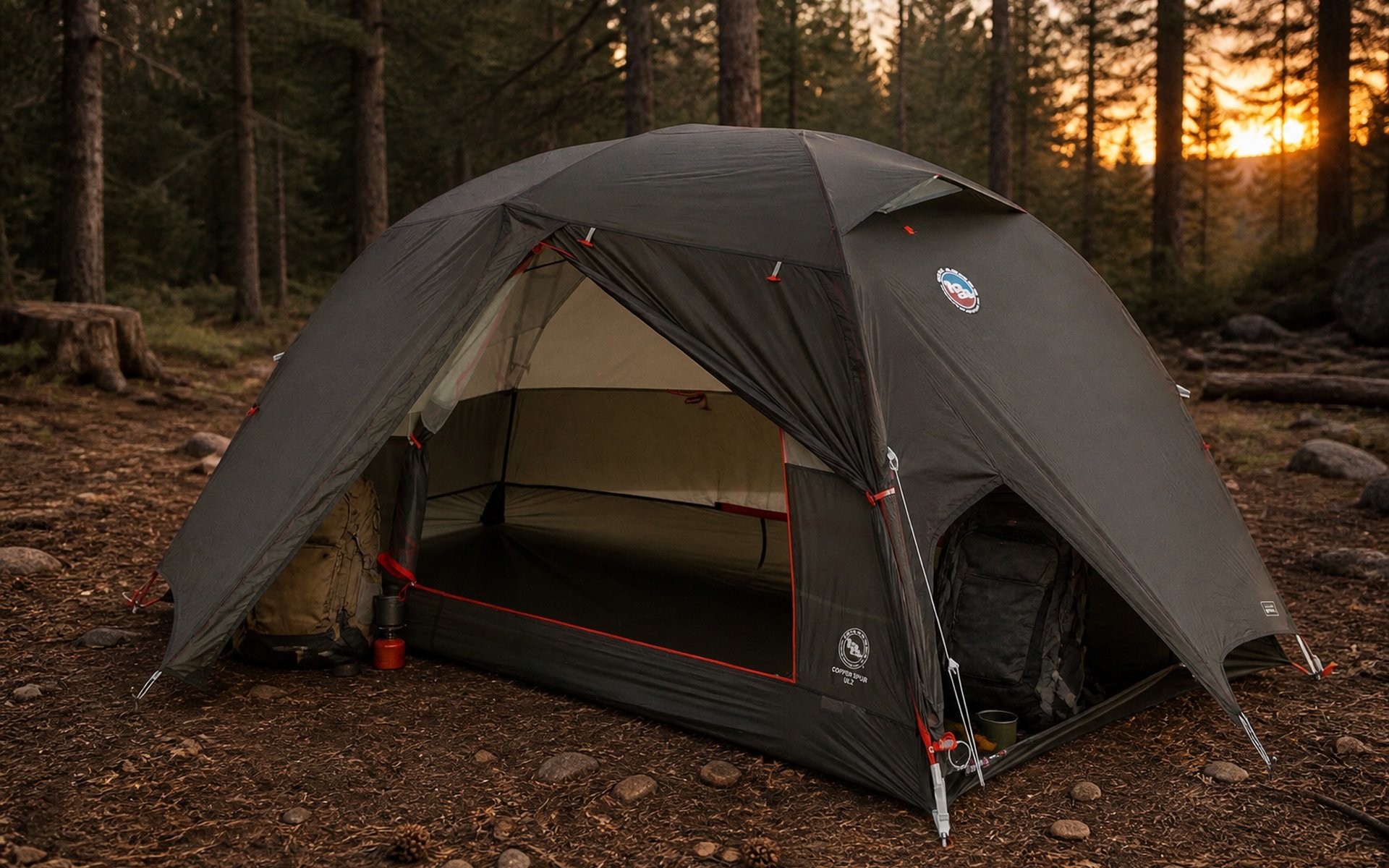
The Copper Spur UL2 offers more interior space and independent entry than most freestanding 2P UL rivals at this weight. Strong buy for two-person shared use; not for solo backpackers or weight-first buyers.
Frequently asked
A two-person backpacking tent typically runs from about two pounds up to five or six, depending on fabrics, pole structure, and how the weight is counted. Manufacturers list a minimum trail weight that omits stakes, guylines, and sacks, so compare the same number across models and add what you actually carry. Lighter tents usually trade fabric durability, interior room, and ease of pitching for that saving.
Freestanding tents hold their shape without stakes, which helps on rock slabs, platforms, and packed campsites where staking fails. Semi-freestanding and trekking-pole designs save weight, but they depend on stakeable ground and take longer to pitch. For weekend trips on managed sites, freestanding is the most forgiving choice. For long-haul weight savings on established trails, the lighter designs earn their extra setup fuss.
Size tents by floor dimensions and pads, not by the label on the box. A two-person model is sized to two standard pads with little room left over, so couples who want separate gear piles or a storm day often prefer a three-person shelter. A solo hiker who wants room to change clothes and store a pack inside may choose a two-person tent. Measure your pads, then read the floor width in the specs.
Ultralight tents hold up well in normal rain and wind when pitched properly, but the margin is thinner than a heavier expedition shelter. Thinner fabrics, lighter poles, and more mesh mean seam care, a taut pitch, and good site choice matter more. On exposed ridgelines, in high winds, or in shoulder-season storms, the extra ounces of a burlier tent buy real forgiveness. Match the shelter to the worst weather you expect, not the best.
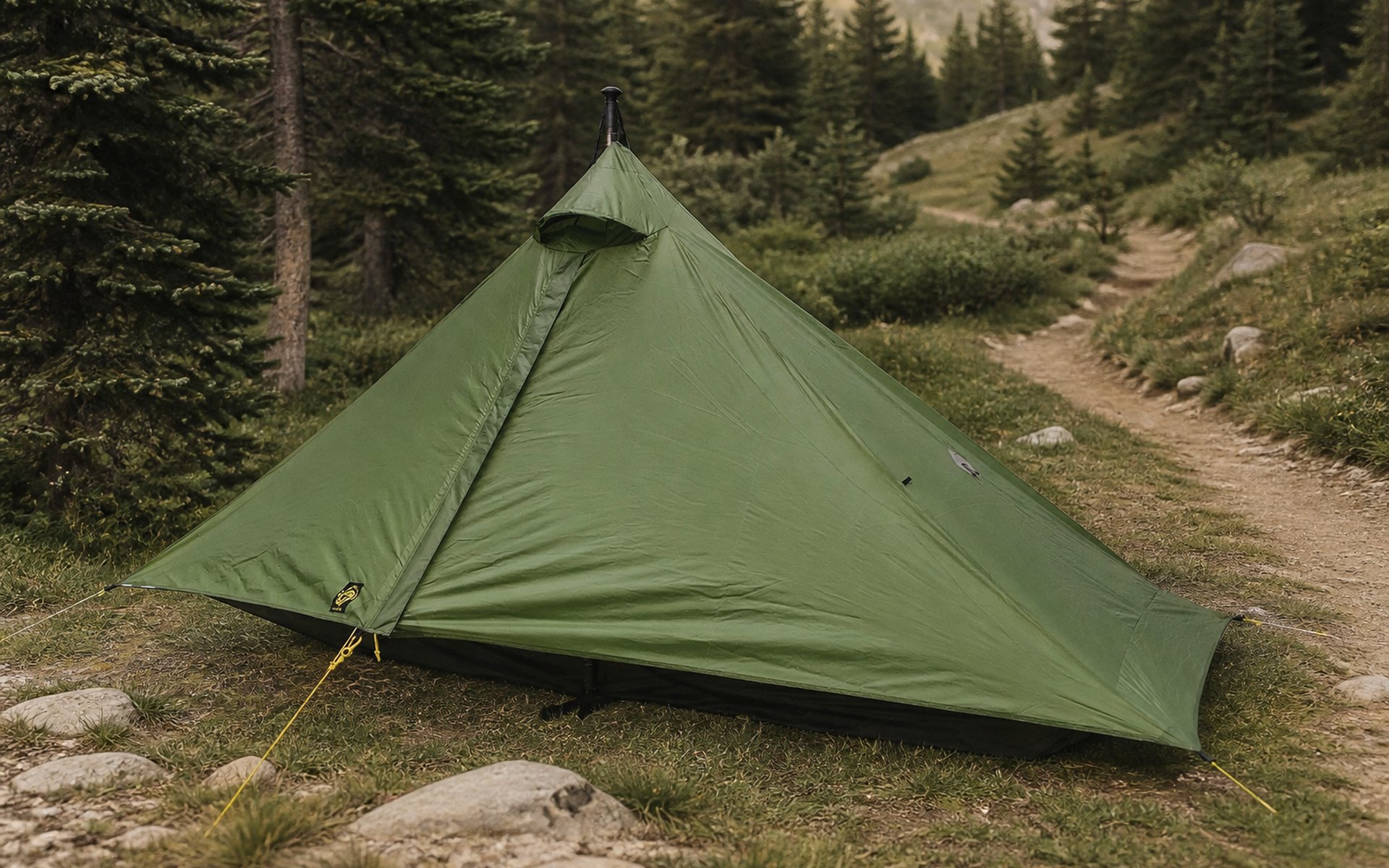
Choose a trekking-pole shelter when you already carry trekking poles and you want the lightest setup that still shelters you. These designs replace the dedicated pole set with your poles, which saves around a pound or more. The tradeoff is real: they take longer to pitch, rely on stakeable ground, and offer less interior volume and weather margin in poor conditions. They shine on fast, warm-season miles and feel tight on stormy basecamps.
Condensation forms when warm, moist air from your breath and body meets a cold fly, especially on cool, still nights. A double-wall tent channels most of it to the fly, but leftover moisture can bead on walls and drip on a sleeping bag. Vent both the fly vents and the inner mesh, avoid pitching in low basins near water, and keep the inner off the fly walls. Drying gear inside adds to the morning mist.
Read our Big Agnes Copper Spur UL2 review to see what a well-rounded freestanding two-person tent delivers at a popular ultralight weight. The NEMO Dragonfly OSMO Bikepack review covers a tougher, feature-dense alternative. Both walk through livability, weather performance, and what each design gives up for its weight, which helps frame any tent you compare.
No spam. Just gear picks, packing lessons, and notes from this week's research.