
Ultralight Tents
Big Agnes Copper Spur UL2 vs NEMO Dragonfly OSMO vs Tiger Wall UL2 vs Hornet OSMO 1P: The Best Ultralight Backpacking Tents of 2026
Last updated: September 2026
Copper Spur UL2, Dragonfly OSMO, Tiger Wall UL2, Fly Creek UL1 and Hornet OSMO 1P compared on weight, space, setup, storm readiness and price. Different hikers walk away with different winners.
 By Brooke4 min read
Share this post
Send it to someone who's planning a trip.
At a glance
The contenders

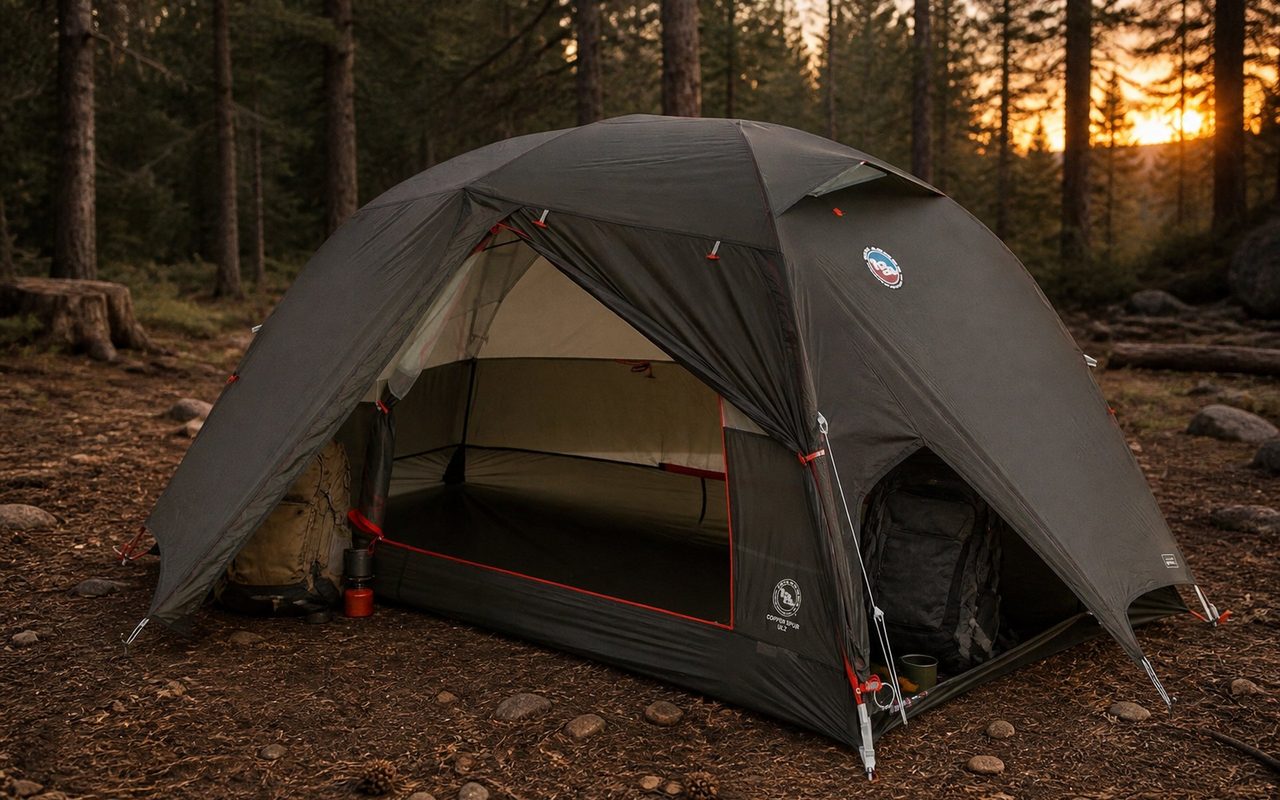
Big Agnes Copper Spur UL2
~$450–470typical
The roomiest of the set: a 29 sq ft freestanding double wall with two doors and two vestibules, the strongest owner record and the proven storm history. The best all-round value for a pair.
NEMO Dragonfly OSMO 2P
~$500–600typical
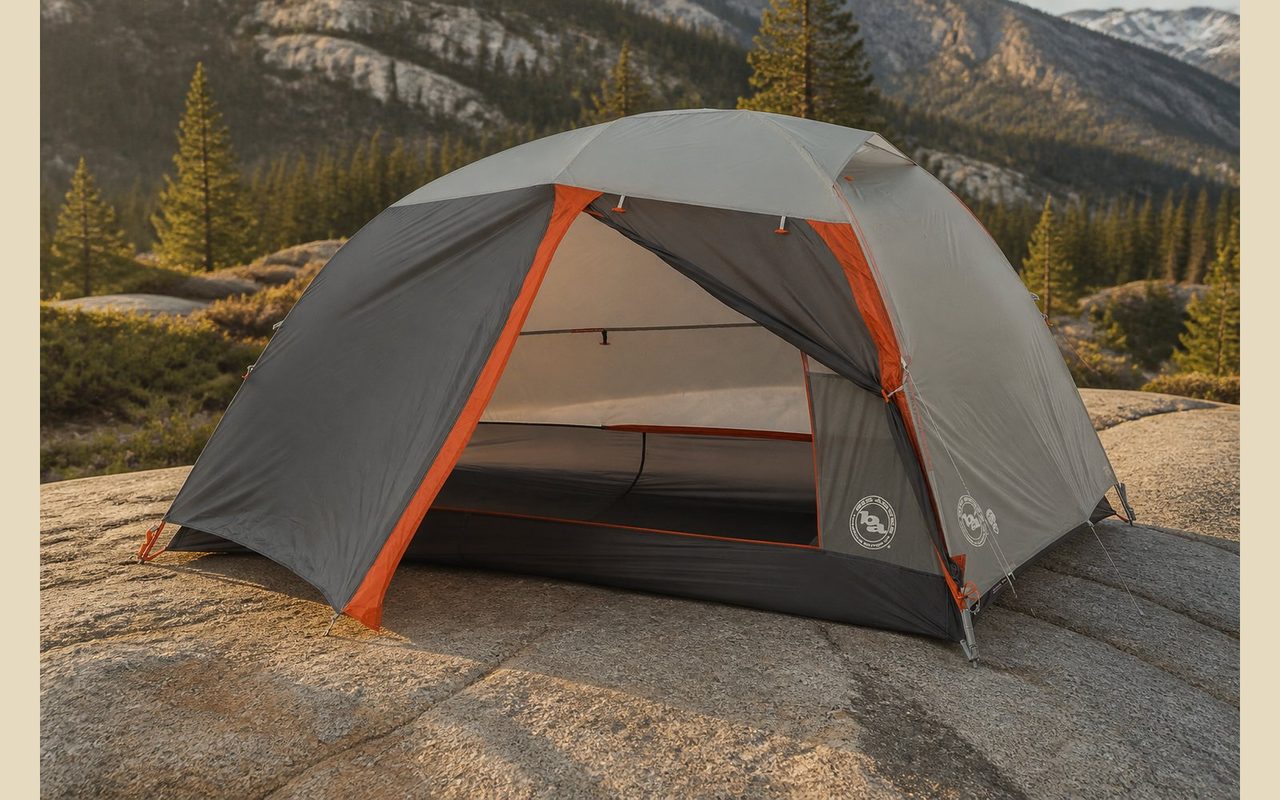
The feature-rich premium 2P: a 29 sq ft fully freestanding double wall with OSMO fabric that resists wet stretch, near-horizontal roof lines and generous headroom. The pick when comfort outranks ounces.
Big Agnes Tiger Wall UL2
~$400–500typical
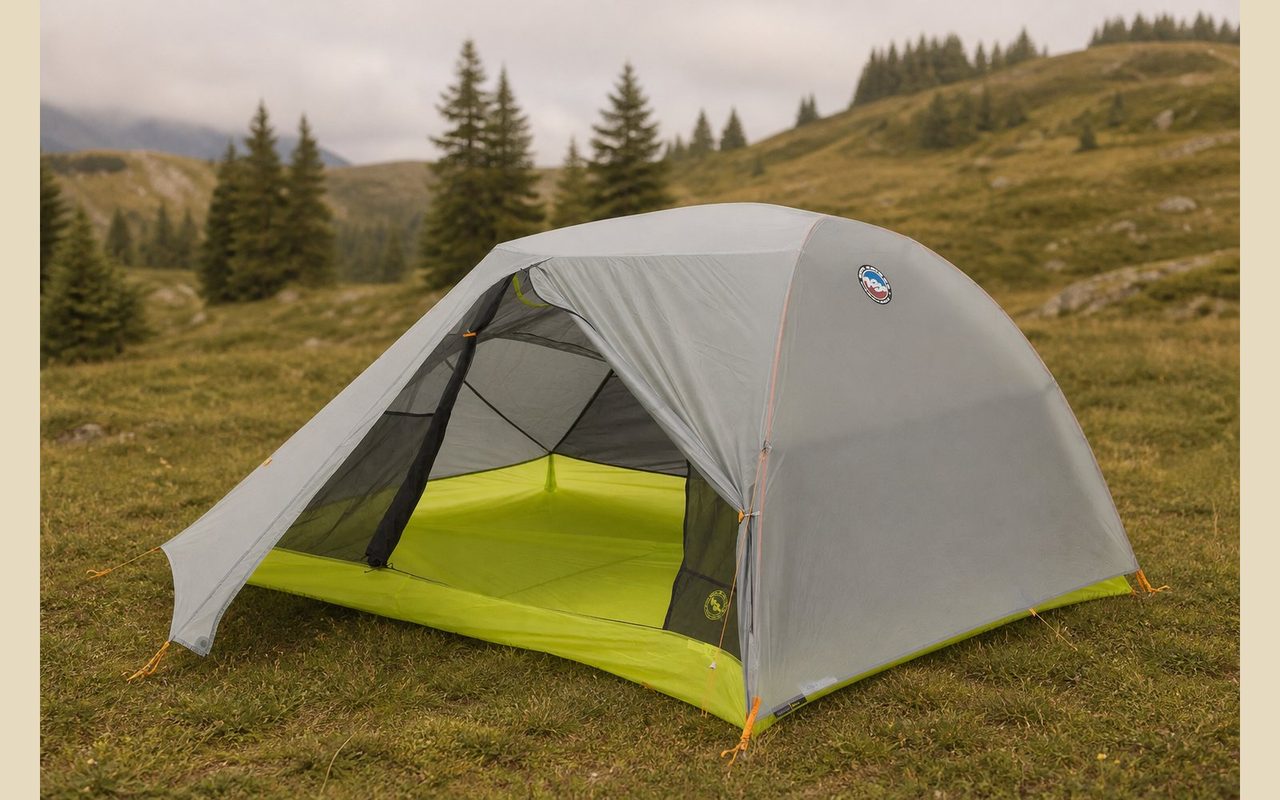
The light two-person semi-freestanding pick with solution-dyed, UV-resistant fabric, about 2 lb 8 oz for a roughly 28 sq ft double wall. Sustainable materials, near-Copper-Spur space for less money.
Big Agnes Fly Creek UL1
~$350–440typical
The budget solo pick: roughly 2 lb 1 oz, a light semi-freestanding double wall with one door. The least expensive tent here and still a proper shelter, at the cost of single-door living.
NEMO Hornet OSMO 1P
~$550–600typical
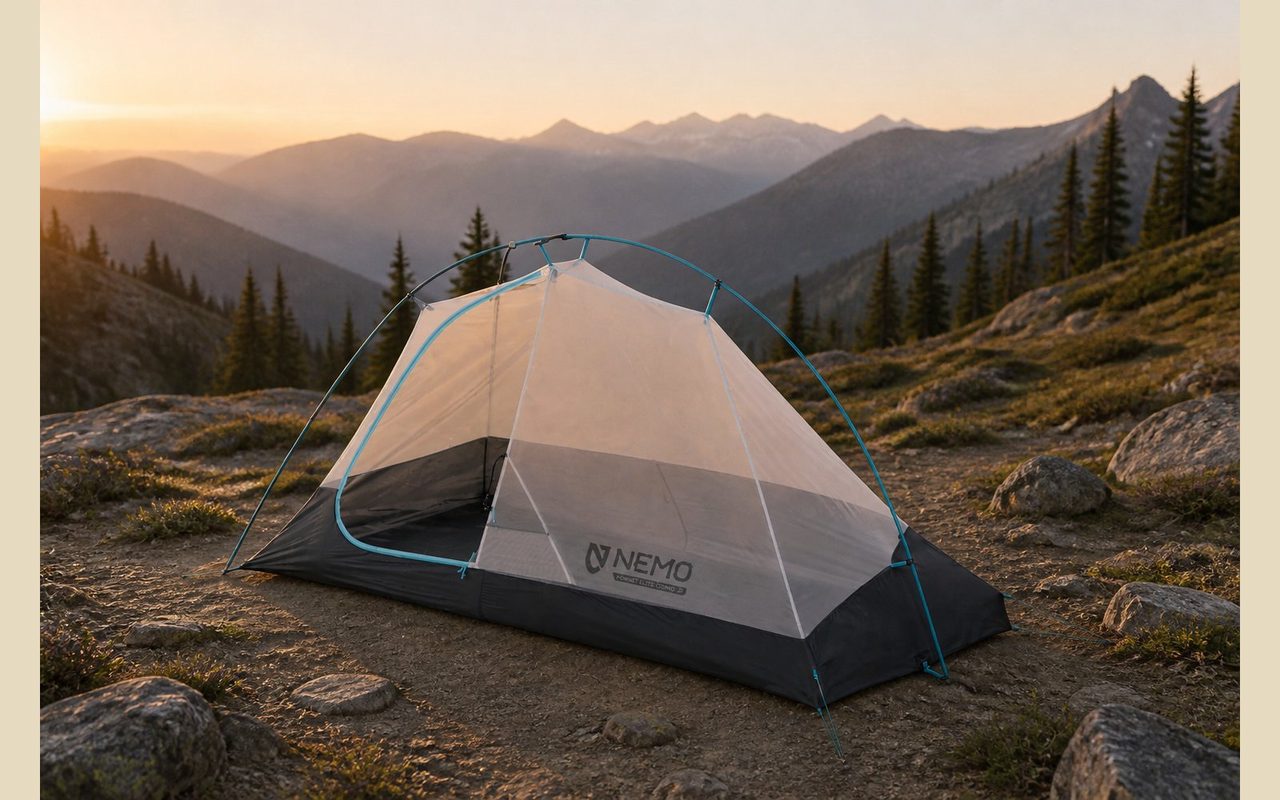
The ultralight solo pick at 26 oz with full insect protection and a full fly, in NEMO's wet-stretch-resistant OSMO fabric. The lightest full shelter here, priced like a premium for its size.
Spec check
How they stack up at a glance
| Product | Trail weight | Floor area | Doors / vestibules | Setup style | Wall design | Price band (Sep 2026) | Amazon rating | Best for | Buy |
|---|---|---|---|---|---|---|---|---|---|
| Big Agnes Copper Spur UL2 | 2 lb 10 oz | ~2 lb 12 oz | ~2 lb 8 oz | ~2 lb 1 oz | 26 oz | Check price → | |||
| NEMO Dragonfly OSMO 2P | 29 sq ft | 29 sq ft | ~28 sq ft | Solo fit | ~20 sq ft | Check price → | |||
| Big Agnes Tiger Wall UL2 | 2 / 2 | 2 / 2 | 2 / 2 | 1 / 1 | 1 / 1 | Check price → | |||
| Big Agnes Fly Creek UL1 | Freestanding | Freestanding | Semi-freestanding | Semi-freestanding | Semi-freestanding | Check price → | |||
| NEMO Hornet OSMO 1P | Double | Double | Double | Double | Double | Check price → |
Big Agnes Copper Spur UL2
- Trail weight
- 2 lb 10 oz
- Floor area
- ~2 lb 12 oz
- Doors / vestibules
- ~2 lb 8 oz
- Setup style
- ~2 lb 1 oz
- Wall design
- 26 oz
NEMO Dragonfly OSMO 2P
- Trail weight
- 29 sq ft
- Floor area
- 29 sq ft
- Doors / vestibules
- ~28 sq ft
- Setup style
- Solo fit
- Wall design
- ~20 sq ft
Big Agnes Tiger Wall UL2
- Trail weight
- 2 / 2
- Floor area
- 2 / 2
- Doors / vestibules
- 2 / 2
- Setup style
- 1 / 1
- Wall design
- 1 / 1
Big Agnes Fly Creek UL1
- Trail weight
- Freestanding
- Floor area
- Freestanding
- Doors / vestibules
- Semi-freestanding
- Setup style
- Semi-freestanding
- Wall design
- Semi-freestanding
NEMO Hornet OSMO 1P
- Trail weight
- Double
- Floor area
- Double
- Doors / vestibules
- Double
- Setup style
- Double
- Wall design
- Double
Pick by scenario
Who This Comparison Is For
Jump straight to the winner for how you hike.
| Scenario | Best pick |
|---|---|
| Thru-hiker | NEMO Hornet OSMO 1P |
| Weekender | Big Agnes Copper Spur UL2 |
| Wet-climate | NEMO Dragonfly OSMO 2P |
| Budget-conscious | Big Agnes Fly Creek UL1 |
| Desert | Big Agnes Tiger Wall UL2 |
Thru-hiker
NEMO Hornet OSMO 1P
Weekender
Big Agnes Copper Spur UL2
Wet-climate
NEMO Dragonfly OSMO 2P
Budget-conscious
Big Agnes Fly Creek UL1
Desert
Big Agnes Tiger Wall UL2
How we compared these five tents
Every weight, price and rating in this comparison was checked in September 2026 against manufacturer pages, retailer listings and independent reviews. Trail weights in the table are minimum trail weights, the lightest way each tent pitches with stakes, guylines and poles; where we could not confirm a current official figure, we say so rather than pretend otherwise. The Copper Spur's 2 lb 10 oz figure comes from REI's current listing, not the packed weight some reviews quote; the Hornet's 26 oz figure matches NEMO's own spec; and the Dragonfly trail weight follows Switchback Travel's review of the current model. The Tiger Wall and Fly Creek trail weights each rest on a single independent source, and the Fly Creek figure traces to a 2016 review, so treat those two as a direction rather than gospel. Prices are street-price bands, not exact figures, because tent pricing churns with seasonal sales; each product card carries the band and the date it was checked. NEMO's seam-sealing detail was not listed on the product pages we could render, so we flag it rather than guess. None of these shelters has been field-tested by our team. The verdicts below weigh manufacturer specifications against corroborated owner reports from the Amazon listings and long-term community threads, and they are no stronger than those sources.
Freestanding vs semi-freestanding: what changes on the ground
The biggest functional split in this set is how much staking a tent needs to look like a tent. The Copper Spur and the Dragonfly are fully freestanding: clip the poles and the frame stands, which matters on rock slabs, wooden platforms and any site where stakes will not bite. The Tiger Wall, Fly Creek and Hornet are semi-freestanding, so the frame holds its shape loosely but a staked footprint pulls the floor flat and the fly taut. In practice that means the trio wants soft dirt or forgiving sod, and the Copper Spur or Dragonfly is the easier call if you camp regularly on hard ground. On ordinary soil the difference shrinks to a few extra minutes of staking.
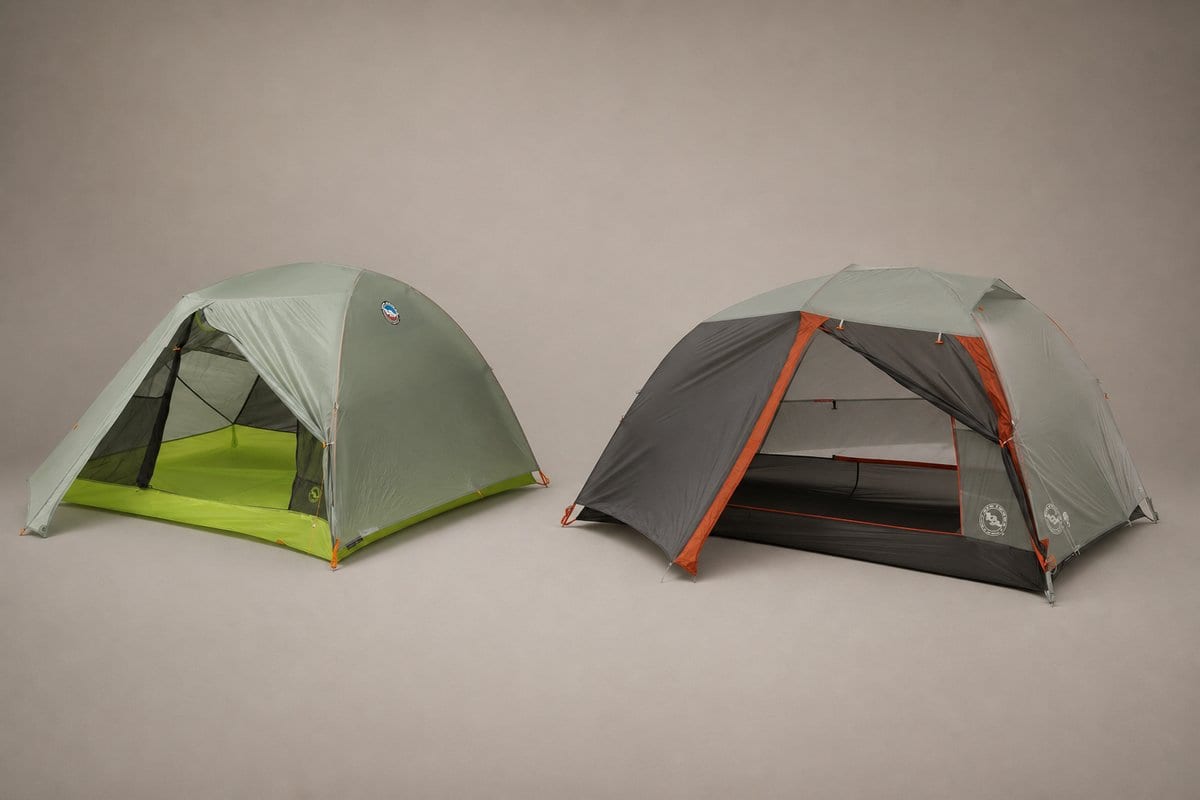
Weight and space: the tradeoff that decides
The solo tents lead the scale. The Hornet draws the lightest at 26 oz with a roughly 20 sq ft floor, and the Fly Creek follows near 2 lb 1 oz. Among the two-person shelters the Tiger Wall is lightest at about 2 lb 8 oz on a roughly 28 sq ft floor, the Copper Spur trails next at 2 lb 10 oz, and the Dragonfly closes the gap at about 2 lb 12 oz, both on the same 29 sq ft footprint. All of these are minimum trail weights, so the three two-person shelters separate by ounces, not pounds. Most footprints sell separately and add 5 to 8 oz and anywhere from 40 to 90 dollars to the total if you camp on rocky soil. None of these is a palace, but both 29 sq ft floors fit two hikers honestly, and the two solo tents fit one hiker very comfortably.
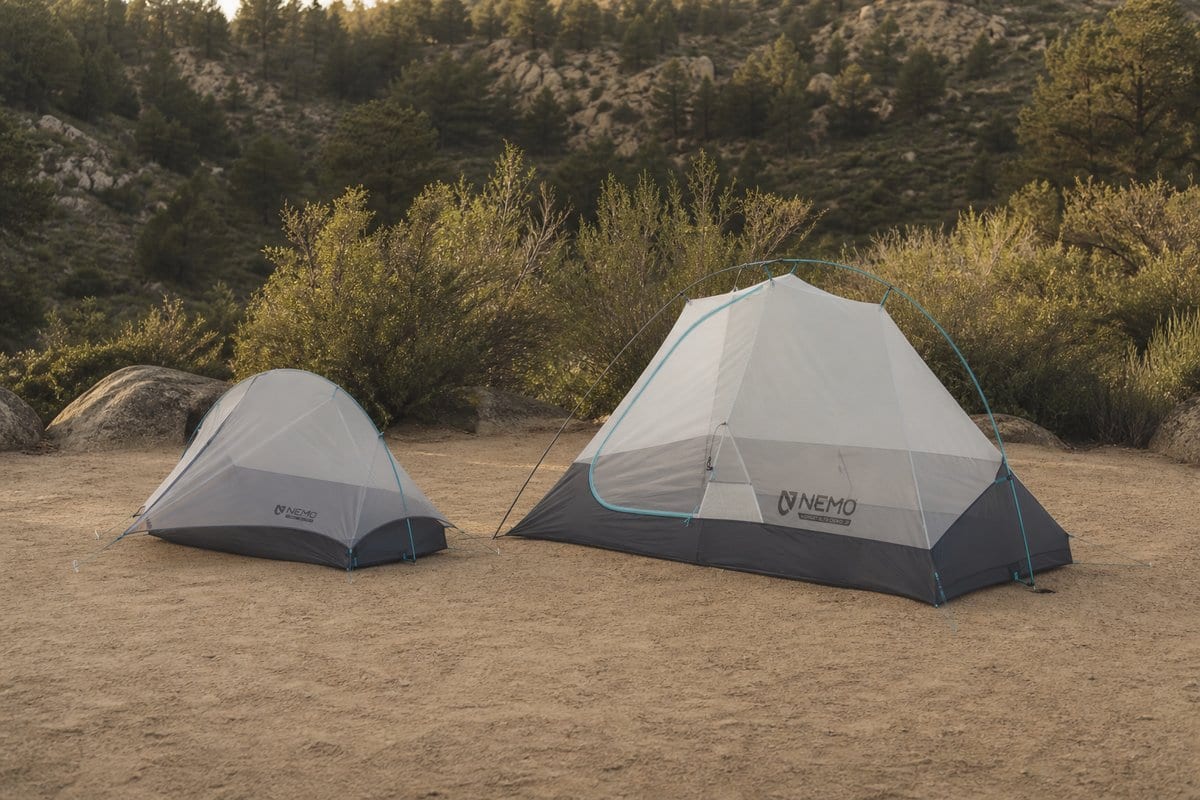
Storm behavior and wet weather
None of these five is an expedition shelter. They are three-season tents built for the storms a backpacker actually meets, not for ridgelines in a gale, and we say that plainly. Within that, the Copper Spur has the strongest verified storm record here, with owner reports across seasons describing dry nights in wind and steady rain, plus multiple guy lines to batten down. The Dragonfly combines a full-coverage fly, a stiff freestanding frame and OSMO fabric that NEMO claims stretches far less when wet, so the pitch holds in a soaking rain, though the design is newer and less proven. The Hornet and Fly Creek trade some storm margin for ounces, with fewer attachment points, and the Fly Creek's older design shows its age. Every tent in this set is a double wall, so condensation collects on the fly instead of dripping on the sleeper, which is a genuine wet-nights advantage over single-wall shelters in this weight class.
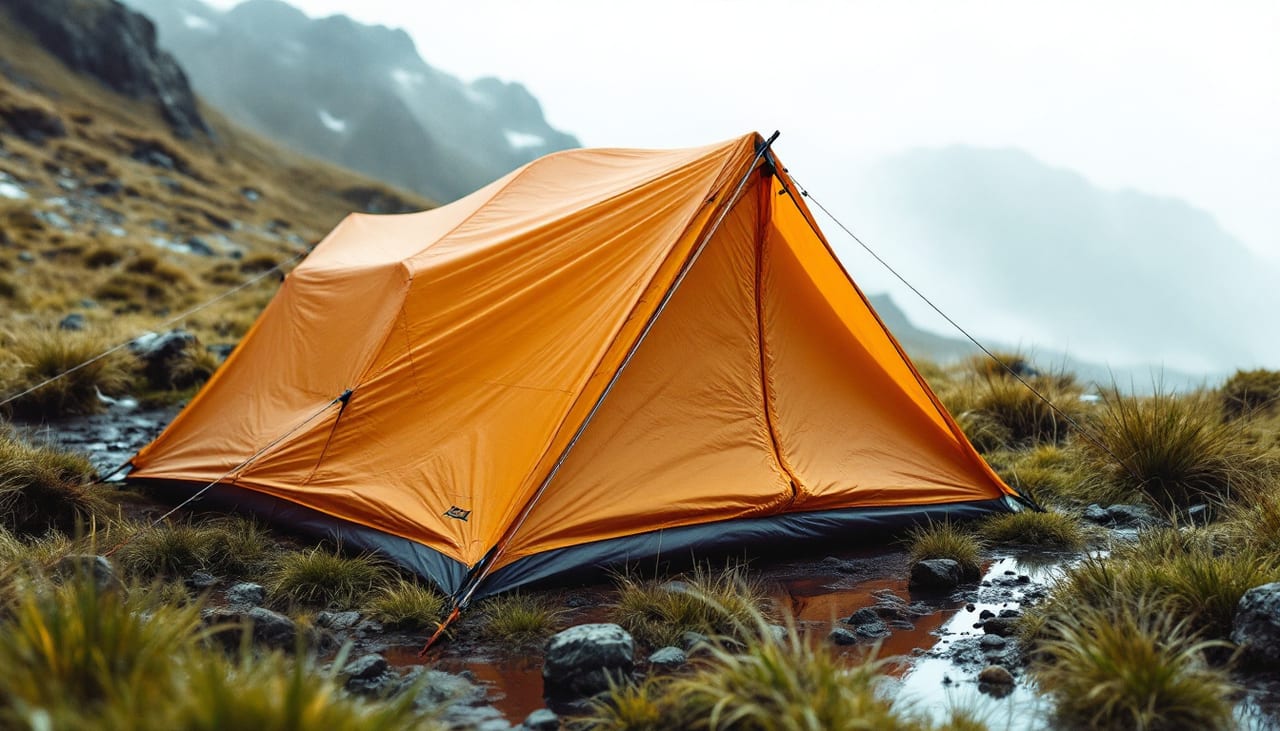
Value, price bands, and who each tent fits
Price splits this set into three tiers. The Fly Creek and Tiger Wall anchor the value end, with the Copper Spur sitting just above them and arguably the best overall value once you count space, proof and durability toward what it costs. The Dragonfly and Hornet command the premium end, spending it on the newest fabrics and features. As of mid-September 2026 all five are in stock at the retailers we checked.
More from ultralight-tents
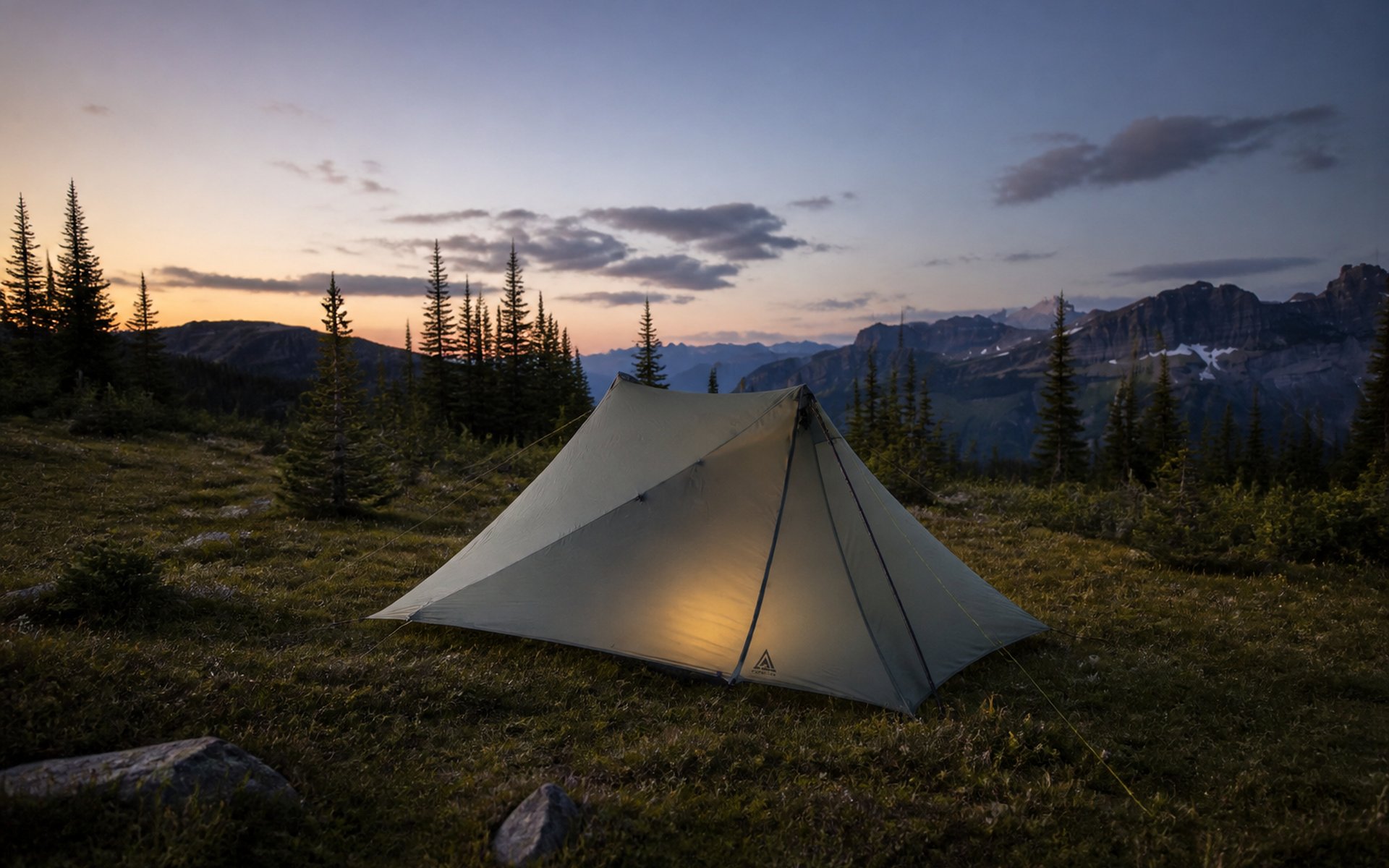
Durston X-Mid vs Tarptent Notch vs Zpacks Duplex vs MLD SoloMid XL: The Best Trekking Pole Tents for 2026
Five leading trekking pole shelters, from a 26 oz double-wall soloist to a 14 oz single-wall pyramid. Different buyers walk away with different winners.
 Brooke Wilder
10 min read
Brooke Wilder
10 min read
Get one honest gear take every Friday.
No spam. Just gear picks, packing lessons, and notes from this week's research.
Why trust BestForBackpacking
Honest gear advice for backpackers, researched, weighed, and recommended.
Every pick is based on deep research: a synthesis of long-term owner reports, independent reviewer tests, and manufacturer specs, weighted by source independence, specificity, and use-case match. Brooke Wilder is our gear editor, the editorial persona who turns that research into a clear recommendation.