
Ultralight Tents
Durston X-Mid vs Tarptent Notch vs Zpacks Duplex vs MLD SoloMid XL: The Best Trekking Pole Tents for 2026
Last updated: September 2026
Five leading trekking pole shelters, from a 26 oz double-wall soloist to a 14 oz single-wall pyramid. Different buyers walk away with different winners.
 By Brooke4 min read
Share this post
Send it to someone who's planning a trip.
At a glance
The contenders
Durston X-Mid 1
~$255–285typical
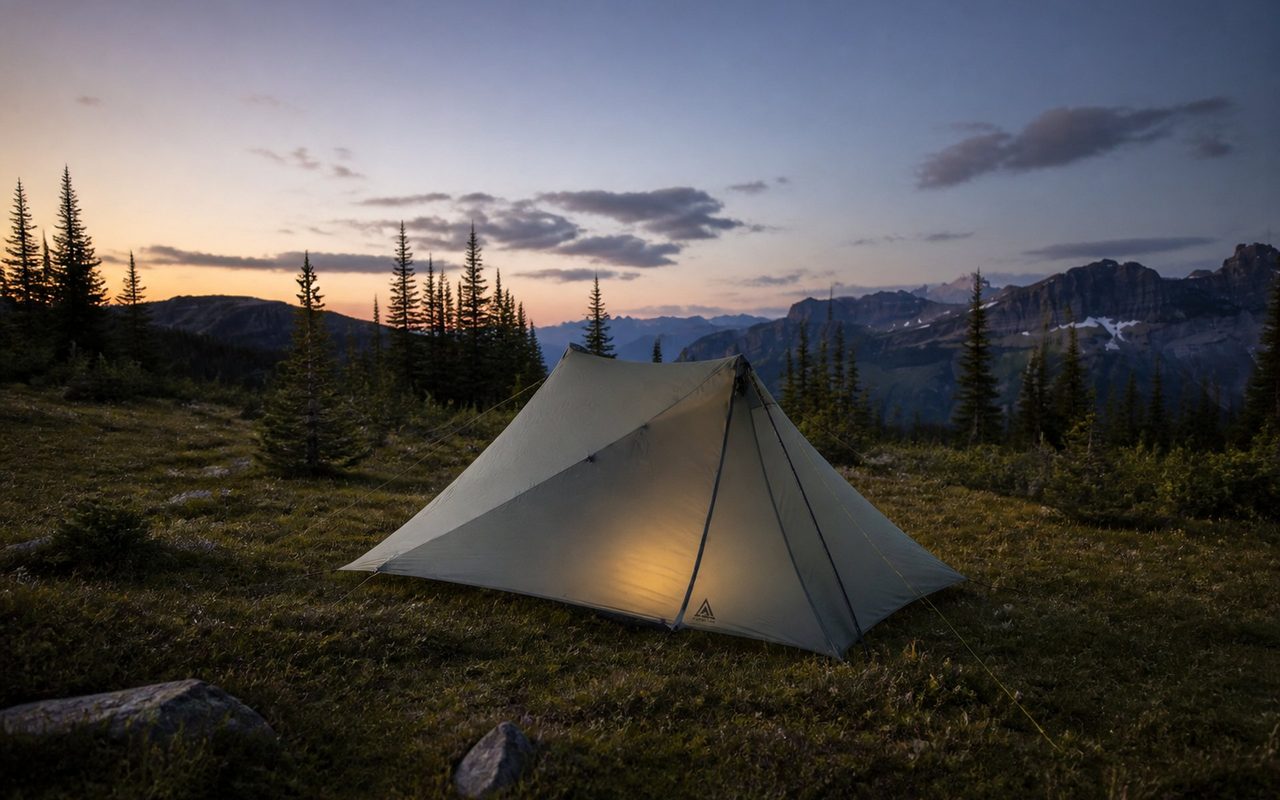
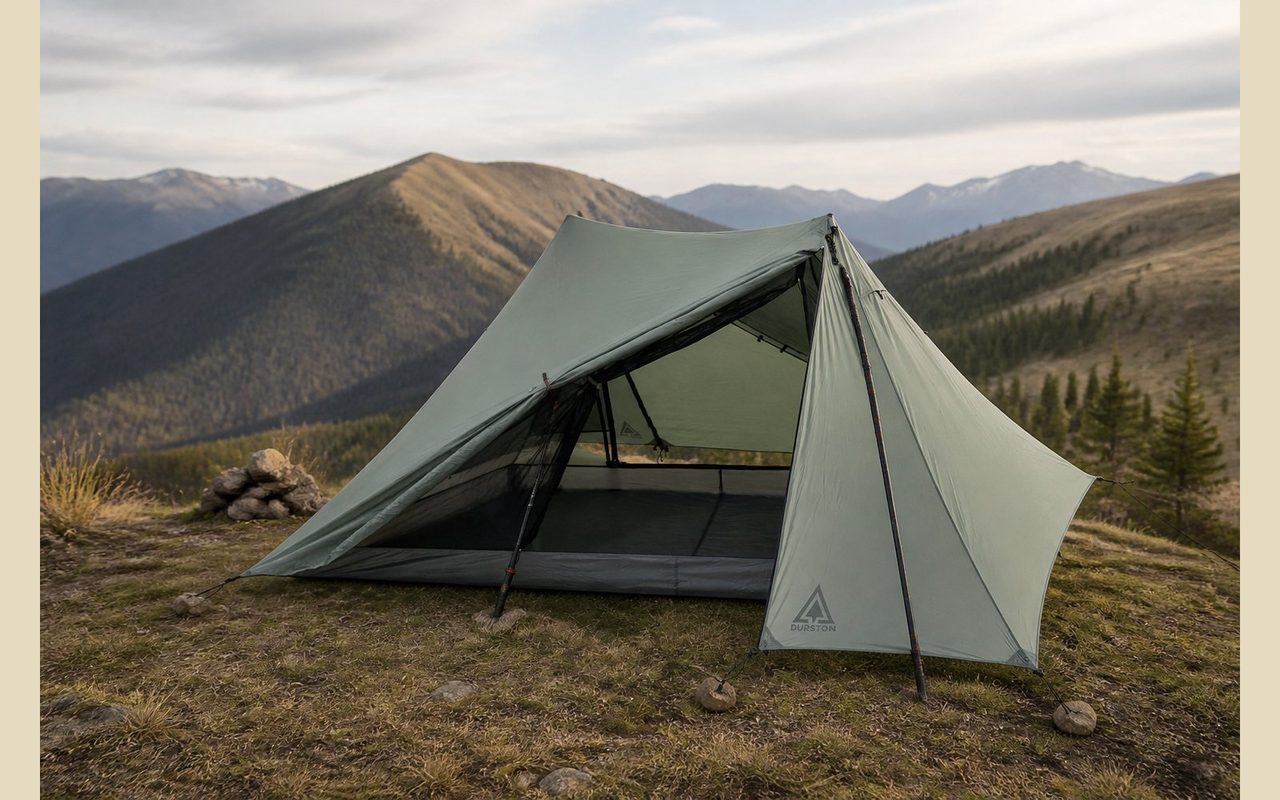
The 2026 3rd-gen solo redesign. True double wall, cross-pole stability, 21.3 sq ft of floor, and the largest owner-report following here, at a sensible price.
Durston X-Mid 2
~$305–335typical
The roomiest two-person option at 33.2 sq ft with a double-wall build, updated for 2026 with stronger zippers and floor.
Tarptent Notch
~$225–305typical
Semi-freestanding single-pole shelter with PitchLoc strut corners. The budget pick, with dual doors and a choice of mesh or solid interior.
Zpacks Duplex
~$720–780typical
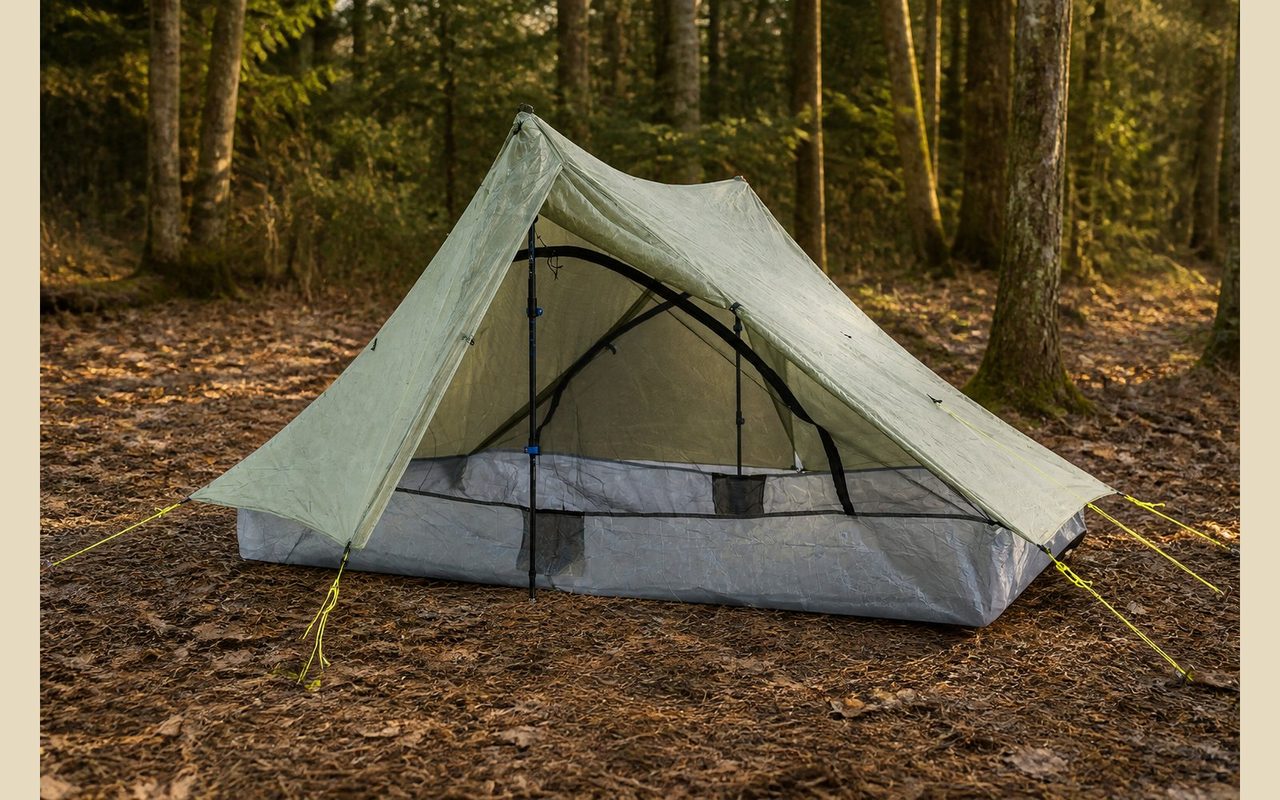
A 17.8 oz Dyneema double-wall two-person tent. The lightest proper double-wall shelter here by a wide margin, at a premium price.
MLD SoloMid XL
~$283–307typical
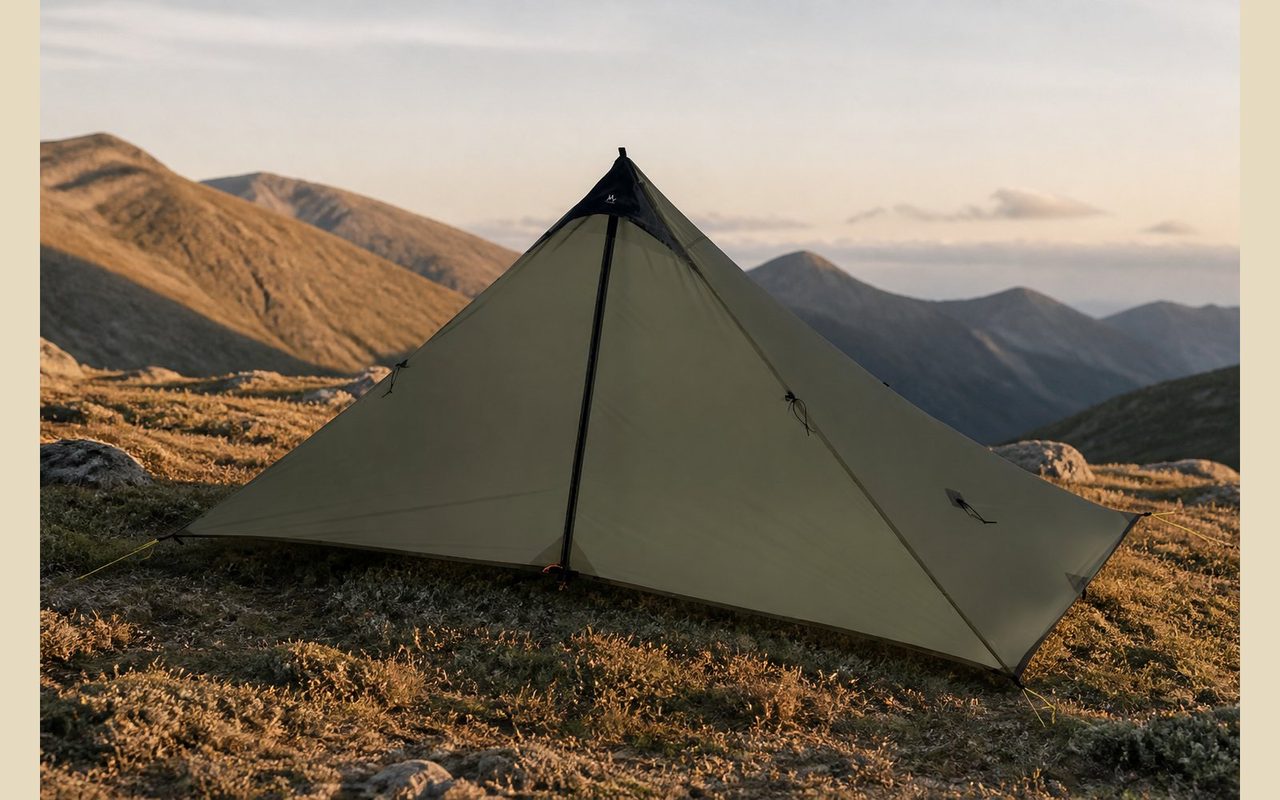
A 14-16 oz single-wall pyramid with a 55-inch peak and 17 tie-out points. The ultralight maximalist's pick, and the one that handles moderate snow.
Spec check
How they stack up at a glance
| Product | Trail weight | Floor area | Peak height | Poles to pitch | Interior | Fly fabric | Price | Buy |
|---|---|---|---|---|---|---|---|---|
| Durston X-Mid 1 | 26.2 oz (745 g) | 21.3 sq ft | 47 in | 2 poles | Double wall | 15D Sil/PE polyester, 3500 mm HH | ~$260–280 | Check price → |
| Durston X-Mid 2 | 31.3 oz (890 g) | 33.2 sq ft | 48 in | 2 poles | Double wall | 15D Sil/PE polyester, 3500 mm HH | ~$310–330 | Check price → |
| Tarptent Notch | 26 oz min (737 g) | 84 in x 20-34 in (fits 25 in pad) | fits up to 6 ft 2 in | 1 pole + PitchLoc struts | Double wall, mesh or solid | 20D silicone polyester, 5000 mm HH | ~$225–305 | Check price → |
| Zpacks Duplex | 17.8 oz (504 g) | 28.1 sq ft | 48 in | 2 poles | Double wall (DCF) | 0.75 or 1.0 oz/sq yd DCF | ~$720–780 | Check price → |
| MLD SoloMid XL | 14-16 oz (396-453 g) | 44+ sq ft | 55 in | 1 pole | Single wall | 0.8 oz DCF or 20D SilPoly | ~$285–305 | Check price → |
Durston X-Mid 1
- Trail weight
- 26.2 oz (745 g)
- Floor area
- 21.3 sq ft
- Peak height
- 47 in
- Poles to pitch
- 2 poles
- Interior
- Double wall
- Fly fabric
- 15D Sil/PE polyester, 3500 mm HH
- Price
- ~$260–280
Durston X-Mid 2
- Trail weight
- 31.3 oz (890 g)
- Floor area
- 33.2 sq ft
- Peak height
- 48 in
- Poles to pitch
- 2 poles
- Interior
- Double wall
- Fly fabric
- 15D Sil/PE polyester, 3500 mm HH
- Price
- ~$310–330
Tarptent Notch
★ Top pick- Trail weight
- 26 oz min (737 g)
- Floor area
- 84 in x 20-34 in (fits 25 in pad)
- Peak height
- fits up to 6 ft 2 in
- Poles to pitch
- 1 pole + PitchLoc struts
- Interior
- Double wall, mesh or solid
- Fly fabric
- 20D silicone polyester, 5000 mm HH
- Price
- ~$225–305
Zpacks Duplex
★ Top pick- Trail weight
- 17.8 oz (504 g)
- Floor area
- 28.1 sq ft
- Peak height
- 48 in
- Poles to pitch
- 2 poles
- Interior
- Double wall (DCF)
- Fly fabric
- 0.75 or 1.0 oz/sq yd DCF
- Price
- ~$720–780
MLD SoloMid XL
★ Top pick- Trail weight
- 14-16 oz (396-453 g)
- Floor area
- 44+ sq ft
- Peak height
- 55 in
- Poles to pitch
- 1 pole
- Interior
- Single wall
- Fly fabric
- 0.8 oz DCF or 20D SilPoly
- Price
- ~$285–305
Pick by scenario
Who This Comparison Is For
Jump straight to the winner for how you hike.
| Scenario | Best pick |
|---|---|
| Thru-hiker | Durston X-Mid 1 |
| Ultralight | MLD SoloMid XL |
| Wet-climate | Durston X-Mid 2 |
| Budget-conscious | Tarptent Notch |
Thru-hiker
Durston X-Mid 1
Ultralight
MLD SoloMid XL
Wet-climate
Durston X-Mid 2
Budget-conscious
Tarptent Notch
How we compared these tents
When we compare cottage-brand gear, the evidence ladder is shorter. Every number here was verified against the manufacturer's own product page for the current 2026 model: weights, floor areas, peak heights, fabrics, pole requirements, and prices, all checked in early September 2026. Owner sentiment is drawn from the manufacturer review sections, which are the only large aggregation for these direct-to-consumer brands: 1,371 combined X-Mid reviews at 4.7 out of 5, 503 Duplex reviews at 4.8, and 22 Notch reviews at 4.6. No independent lab measured weights exist for this class, so every figure is a published spec, not a scale-measured weight. Where a number comes from a single source, we flag it in the text.
The solo decision: weight versus living space
The three solo shelters here split cleanly along one line: how much room you are willing to carry. The X-Mid 1 packs 21.3 square feet behind a true double wall at 26.2 oz, with a cross-pole frame that holds its pitch in a gust. The SoloMid XL sheds the second wall and 10 to 12 oz, dropping to 14-16 oz, but pyramid walls slope hard, so the usable perimeter is small and condensation becomes a single-wall game. The Notch sits between them at 26 oz: double-walled, with PitchLoc strut corners that let it squeeze into campsites the others cannot fit. For comfort on long trail days, take the X-Mid. For a shelter that disappears from your pack, take the SoloMid. For odd-shaped sites and wind, the Notch is the specialist.
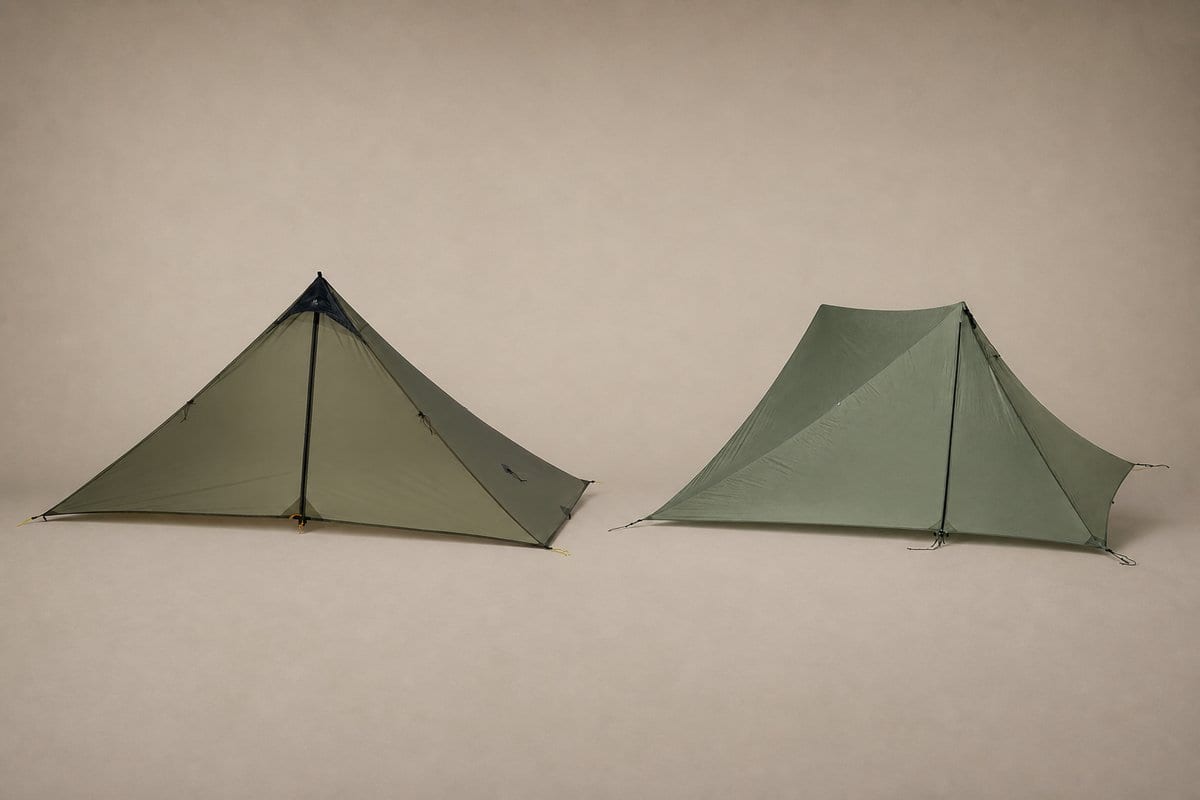
The two-person picks: X-Mid 2 versus Duplex
Two genuinely different answers hide behind the same task. The X-Mid 2 puts 33.2 square feet of double-wall space behind two doors at 31.3 oz, and its price lands below half the Duplex's. The Duplex goes the other way: 28.1 square feet in Dyneema at 17.8 oz, a full 13.5 oz lighter, at a premium close to two and a half times the X-Mid 2. Couples who split the load and watch cost will tend toward the X-Mid 2. Pairs chasing every ounce, with the budget to go with it, get the Duplex's weight savings on the trail. Both are seasoned thru-hike double walls with owner-review counts in the 500-plus range.
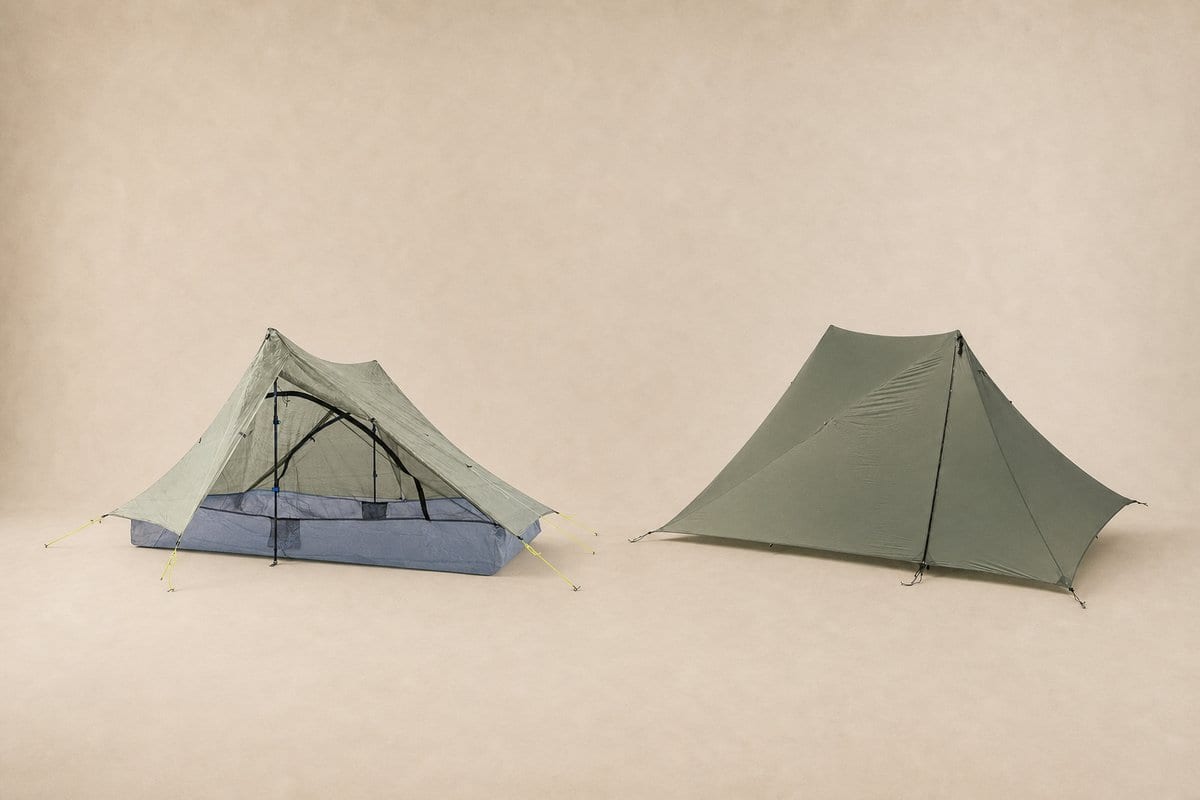
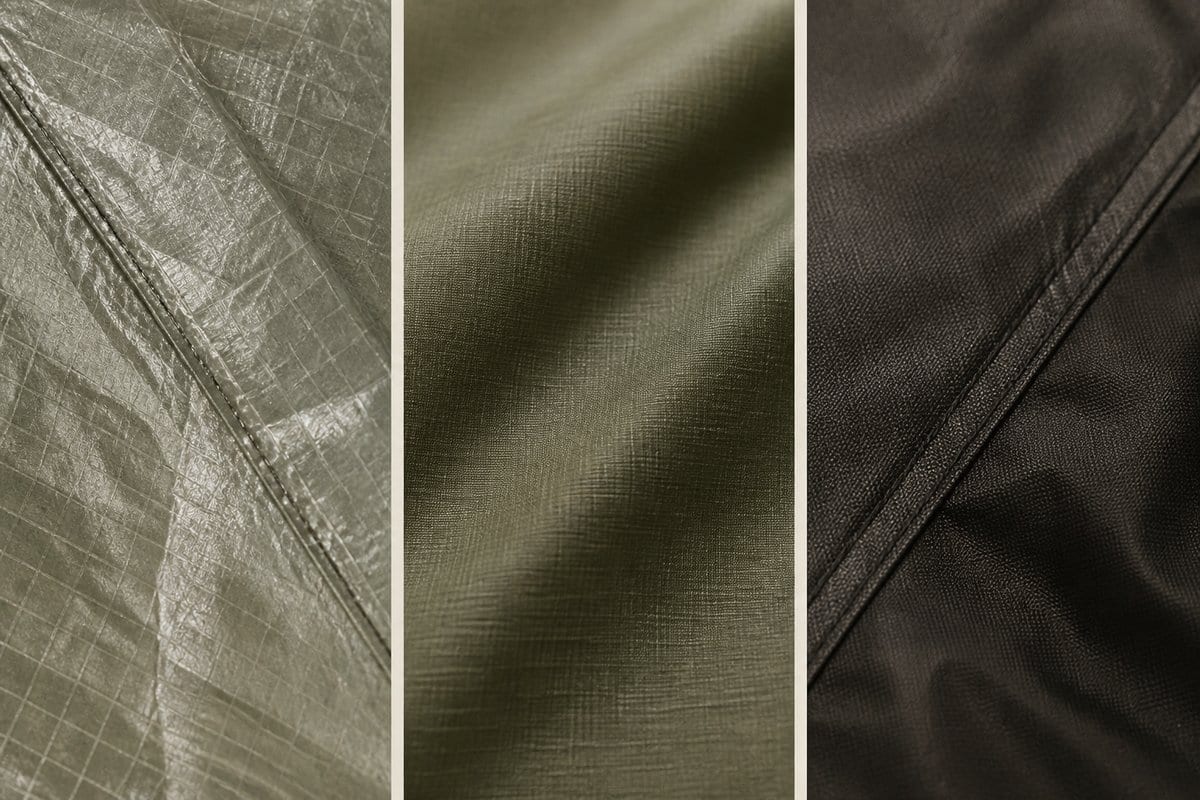
Fabric field guide: DCF versus coated polyester versus nylon
This class splits hard on fly fabric, and the choice shapes both price and lifespan. Dyneema Composite Fabric (DCF), used on the Duplex and offered as the SoloMid XL option, is the lightest fly panel at this strength class and does not absorb water, so a DCF fly pitches taut right after a downpour. It also costs far more per square foot, creases sharply where it folds, and demands more care on rough camp spots. Silicone-coated polyester, used on the X-Mid and Notch flys, holds its shape when wet without the sagging that plagues coated nylon, survives sun exposure well, and keeps prices sane. Coated nylon appears mostly in floors here, and it stretches and sags when soaked, which is why these tents pair polyester flys with nylon floors rather than the reverse. The practical rule: polyester flys are the value sweet spot, DCF buys ounces, and on rocky sites treat a thin nylon floor like expendable weight.
Pole length and pitching quirks
Every shelter here uses trekking poles as the frame, but each makes different demands of them. The X-Mid 1 and X-Mid 2 are two-pole designs built on Durston's cross-pole geometry, which pulls the corners against each other for a taut pitch in wind or rain. The Notch is a one-pole shelter: a single trekking pole, four stakes, and patented PitchLoc strut corners that hold a wide interior on a small footprint; Tarptent documents that the pole can sit tip-up or handle-up, with optional adapters if you want to angle the doorway wider. The SoloMid XL is a true single-pole pyramid with 17 tie-out points, so tuning the stake angles is how you get its wind toughness. One-pole shelters set up quicker and need fewer lengths to match; two-pole shelters trade that for more usable interior volume. Before you buy any of these, confirm your poles adjust to the height the tent wants, because a fixed-length hiking staff will not work.
Who should skip trekking pole tents
Trekking pole tents are brilliant tools with real limits, so the honest answer to who should not buy one is long. If you want a shelter that stands on its own, buy freestanding: none of these five will sit up without poles and stakes. If you do not want a short setup learning curve and the muscle memory that finds good stake angles, a pole tent will frustrate you on the first rainy night. If you camp mostly on hard surfaces where stakes cannot sink, or on sand that will not hold, the ground-anchored design will fight you. None of these are winter mountaineering shelters either: the SoloMid XL takes moderate snow best of the five, and the rest are three-season flys. If those scenarios describe you, keep walking past this category.
More from ultralight-tents
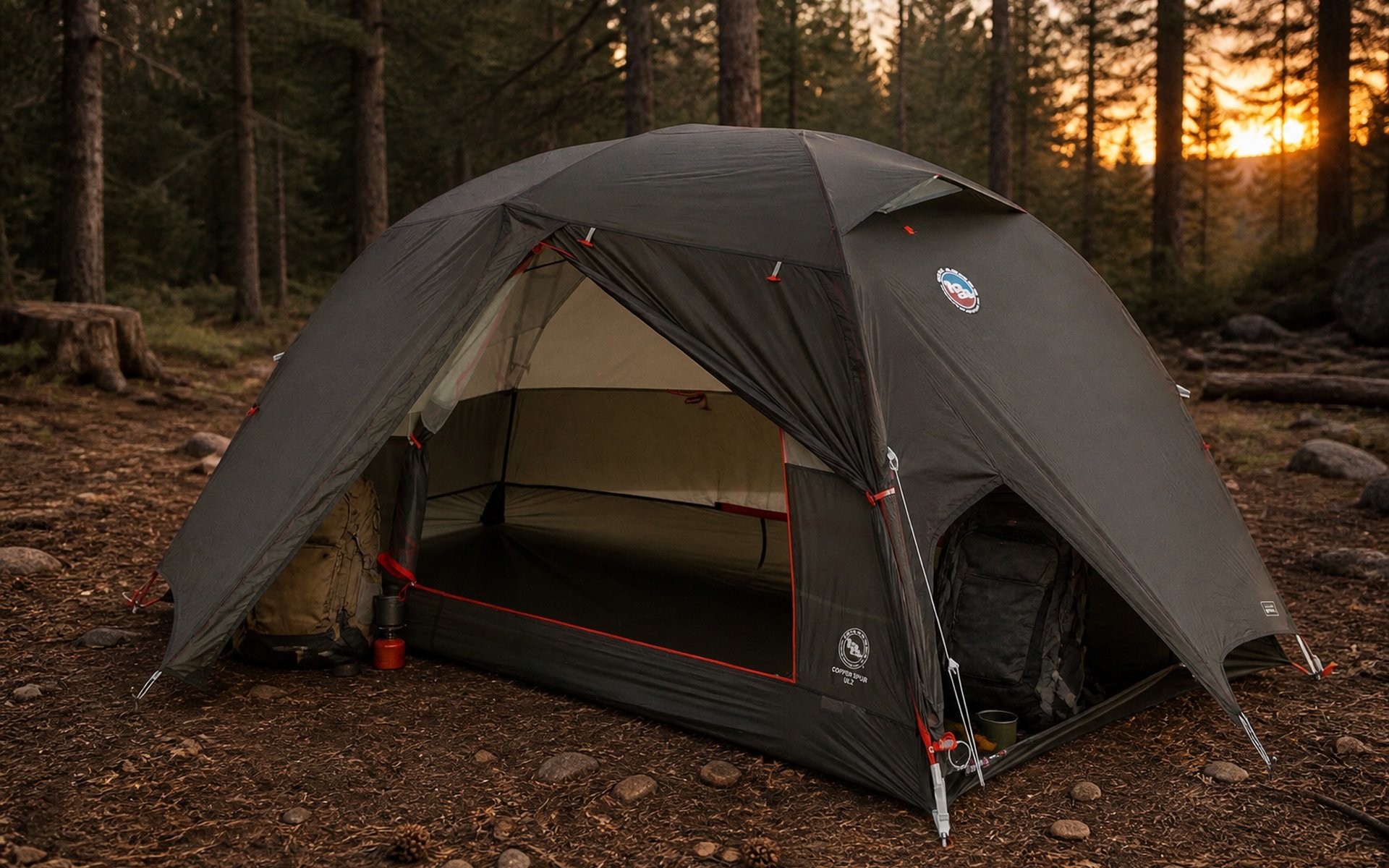
Big Agnes Copper Spur UL2 vs NEMO Dragonfly OSMO vs Tiger Wall UL2 vs Hornet OSMO 1P: The Best Ultralight Backpacking Tents of 2026
Copper Spur UL2, Dragonfly OSMO, Tiger Wall UL2, Fly Creek UL1 and Hornet OSMO 1P compared on weight, space, setup, storm readiness and price. Different hikers walk away with different winners.
 Brooke Wilder
10 min read
Brooke Wilder
10 min read
Get one honest gear take every Friday.
No spam. Just gear picks, packing lessons, and notes from this week's research.
Why trust BestForBackpacking
Honest gear advice for backpackers, researched, weighed, and recommended.
Every pick is based on deep research: a synthesis of long-term owner reports, independent reviewer tests, and manufacturer specs, weighted by source independence, specificity, and use-case match. Brooke Wilder is our gear editor, the editorial persona who turns that research into a clear recommendation.