
Gregory Paragon 60 vs Osprey Atmos AG LT 65 vs Gossamer Gear Mariposa 60: Pick by Pack Style
Three very different pack approaches that serve completely different backpackers. Here is how to pick yours.
Pack reviews and buying guides for every style of trip.
Three very different pack approaches that serve completely different backpackers. Here is how to pick yours.
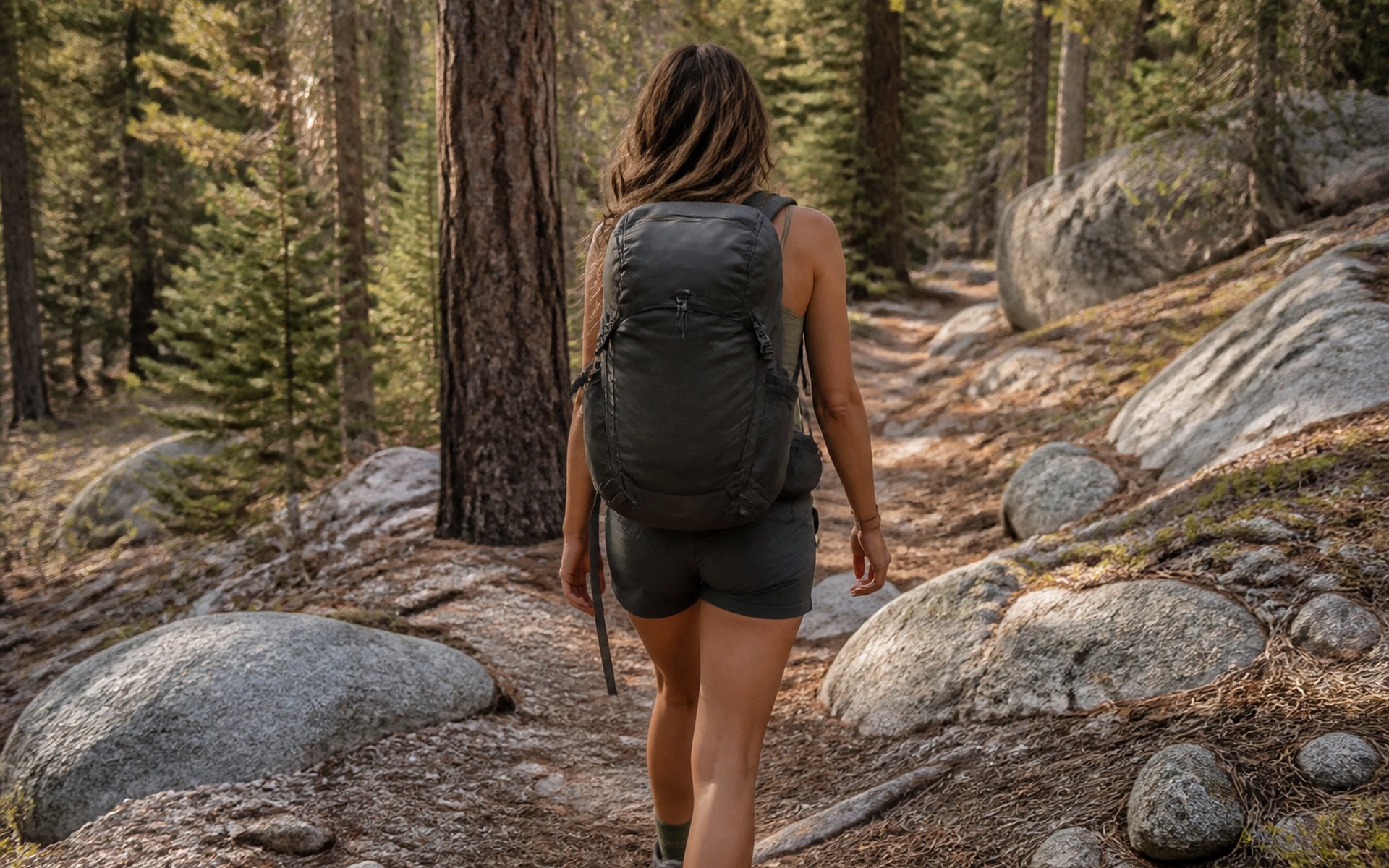
At roughly half the price of a cottage UL pack, the Qidian Pro forces a real question: where did 3F UL Gear cut to get there, and do those cuts sink it for the budget hiker it is built for?
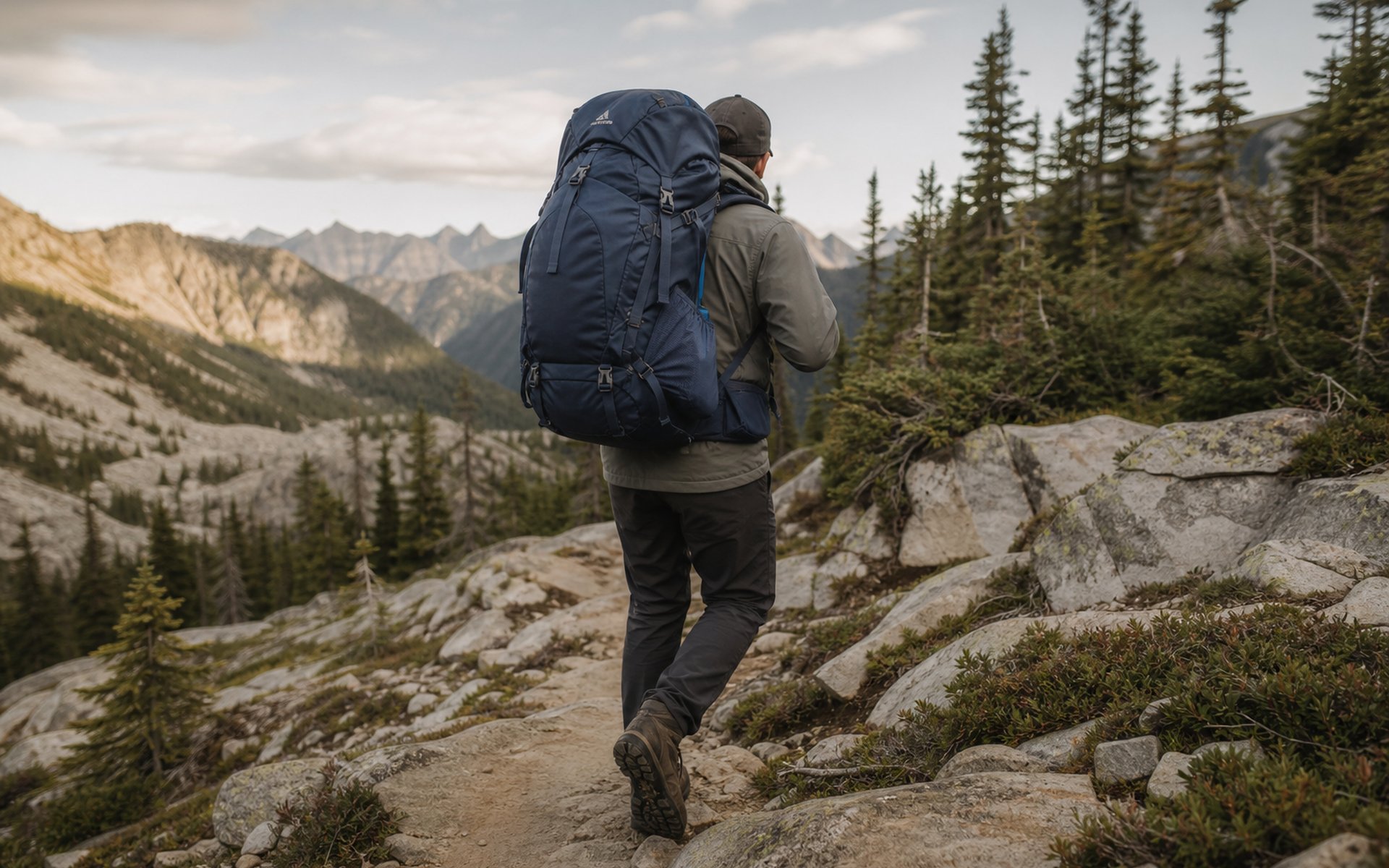
The Baltoro 65 earns its weight with strong load transfer, body-following shoulder straps, and unusually useful organization. It is best for bulky or shared gear and loads up to Gregory's 50-pound maximum. Light-kit hikers should skip it.
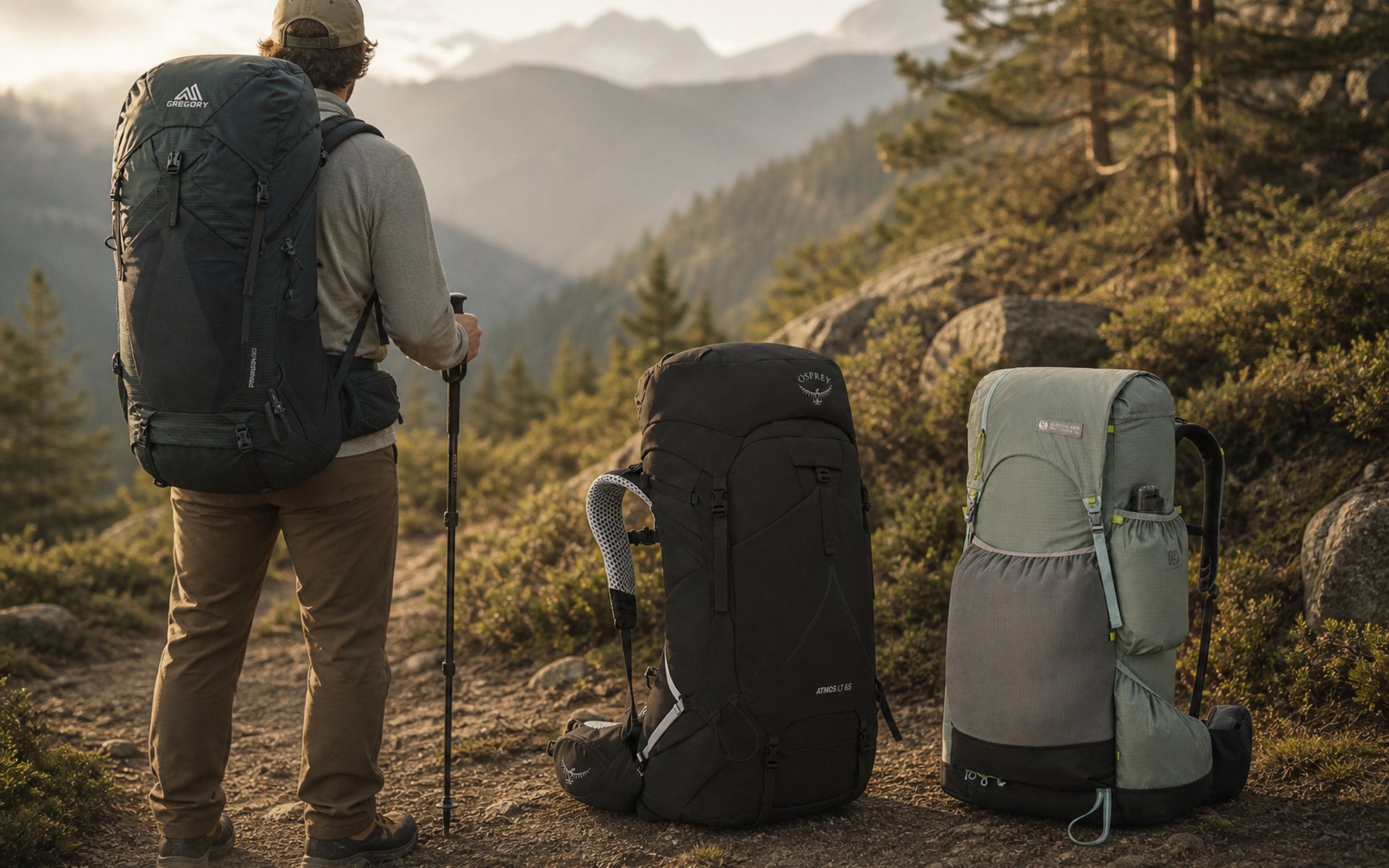
The Atmos AG 65 hauls 30 to 50 lb loads with Osprey's Anti-Gravity suspension. The Mariposa 60 weighs roughly a third as much and targets ultralight hikers carrying under 25 lb. Here's when each one is the right answer.
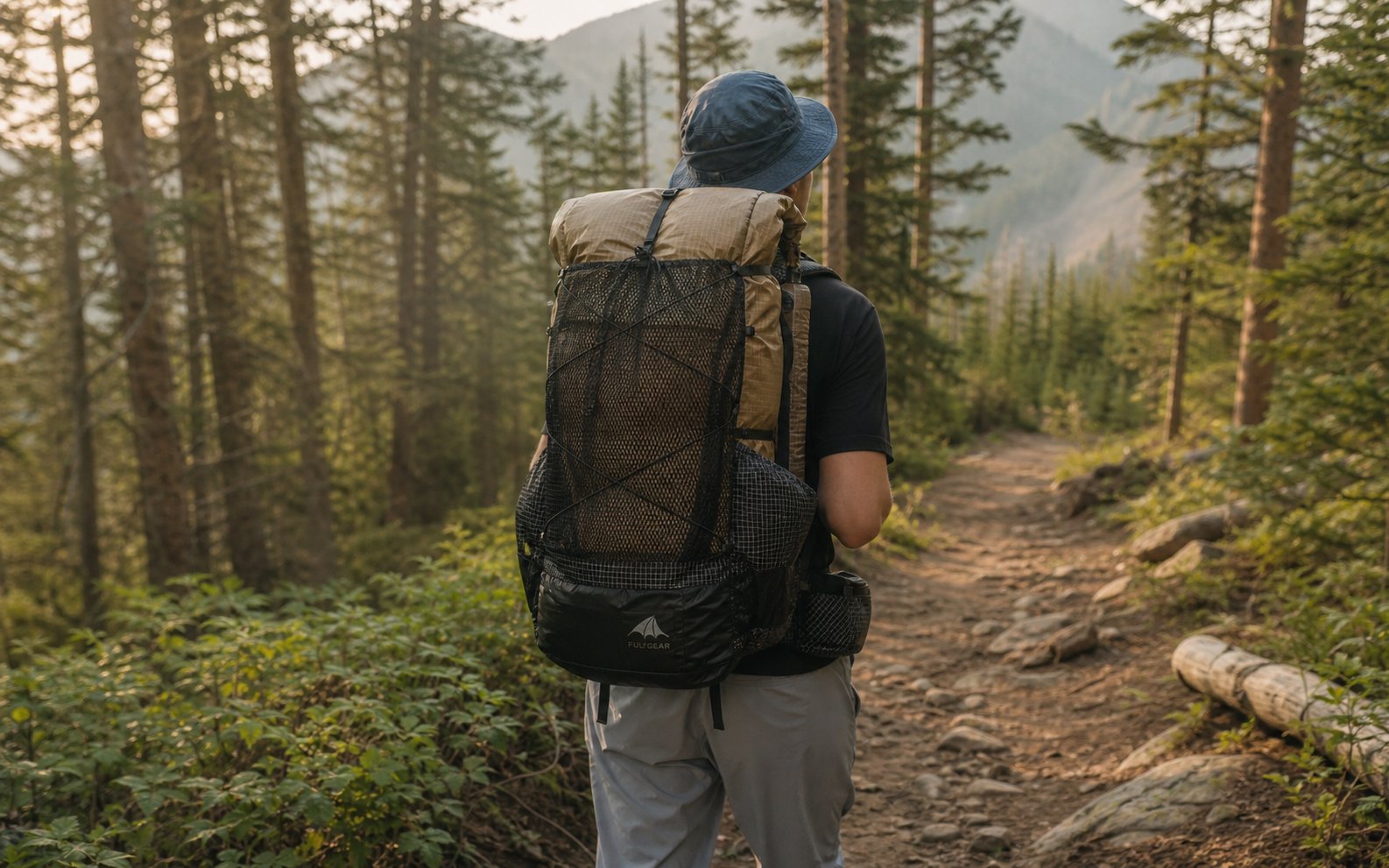
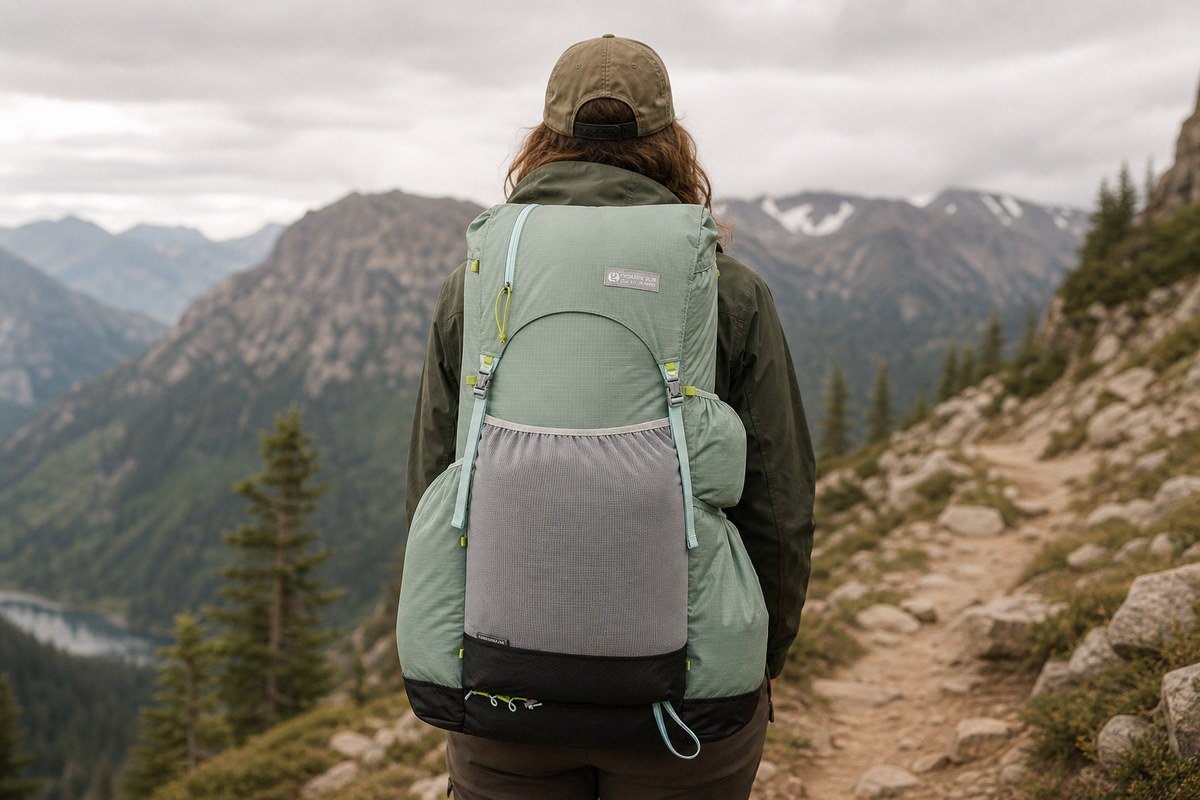
A rare ultralight pack that does not skimp on organization. Built for 20-30 lb thru-hiking loads, the Mariposa 60 pairs hipbelt pockets and a useful pocket layout with a sub-2-lb carry. Hard to beat in its weight class.
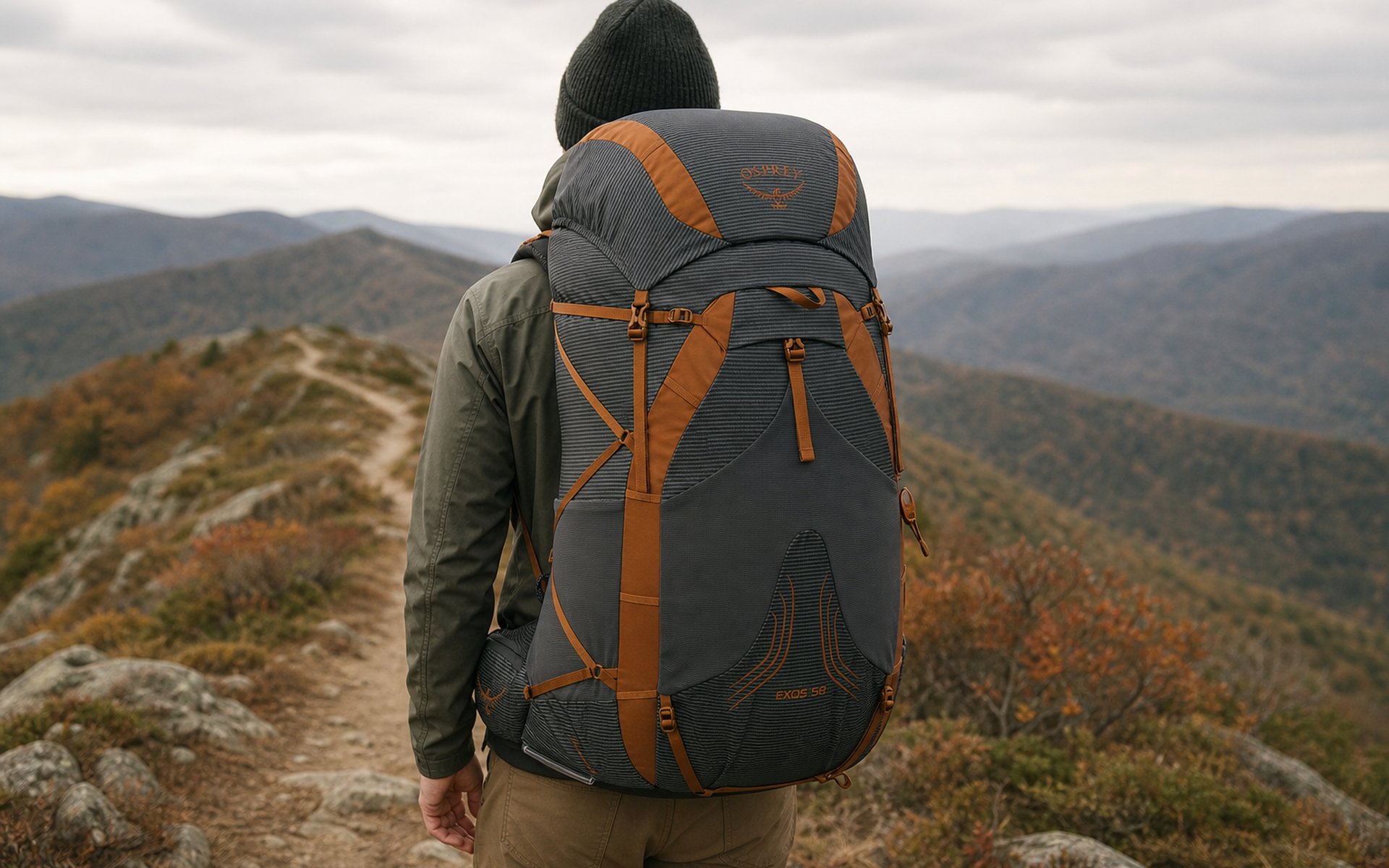
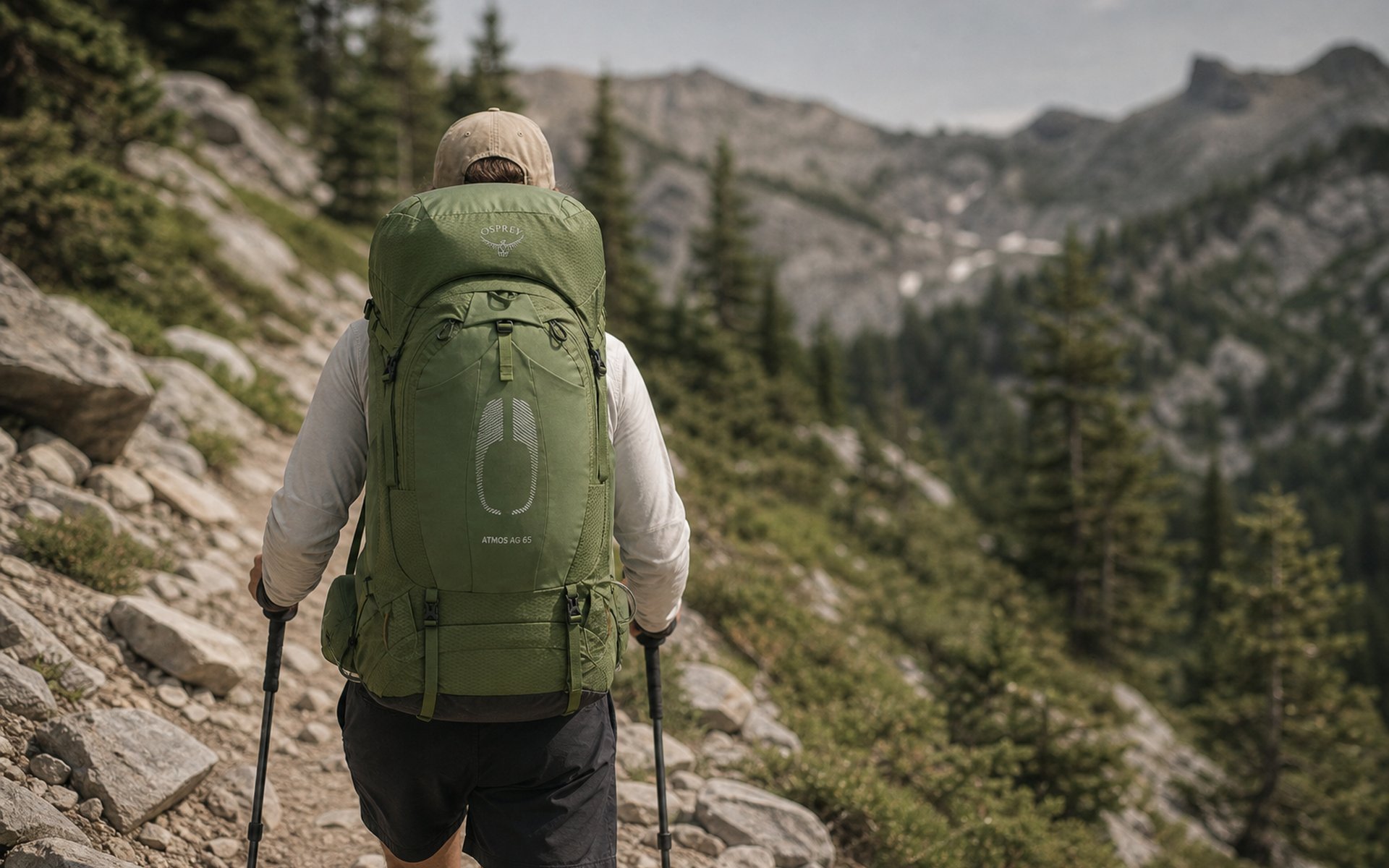
The Atmos AG 65 puts its engineering into back ventilation: the AG mesh keeps air moving between your back and the pack body all day. It carries 30-50 lb loads well. The trade-off is real weight, around 5 lbs for S/M.
Frequently asked
A backpacking backpack carries a multi-day load while transferring much of that weight to your hips. Its frame, hipbelt, shoulder straps, and load lifters work together as food and water weight changes through a trip. The right pack also keeps needed gear accessible without letting pockets and features get in the way of a stable, comfortable carry.
Fit comes first. Match the pack to your torso length, hipbelt range and shape, shoulder geometry, and load-lifter position before comparing pockets or fabrics. Then judge it with the load you really carry, including food, water, and shared gear. A highly rated pack that slips at the hips or pinches your shoulders is still the wrong pack for you.
Choose volume from the gear and supplies you need to carry, not trip length alone. A compact summer kit may fit a smaller pack, while winter insulation, a bear canister, family gear, or a long food carry needs more room. Check how the brand counts capacity too, since listed volume may include pockets and can change between pack sizes.
No. Saving pack weight helps only when the suspension still controls your real load without slipping, sagging, or creating pressure points. A frame, supportive hipbelt, tougher fabric, and useful access can earn their weight on longer food carries or bulkier trips. Compare packs at a similar capacity, then ask what support and durability you give up for each weight saving.
Choose an ultralight pack when the rest of your kit is already compact and light, and your food and water carries stay modest. Minimal suspension is a poor shortcut for a bulky winter load, family gear, or long dry stretches. Lighten the whole system first, then decide whether fewer pockets, lighter fabrics, and less structure fit the trips you actually take.
Poor fit causes the most avoidable regret, especially a hipbelt that slips or creates pressure, a torso length that places the shoulder straps badly, or load lifters that cannot pull the load into position. Try the pack with realistic weight and walk long enough for hot spots to appear. If the pack shape fights your body, extra padding will not fix the basic mismatch.
Read our 3F UL Gear Qidian Pro review for a concrete look at the tradeoff between low pack weight, suspension, and comfort. It is an ultralight example rather than a universal recommendation, which makes it useful for deciding whether a stripped-back design suits your kit. Keep fit and your heaviest expected load ahead of any single score.
No spam. Just gear picks, packing lessons, and notes from this week's research.