
Backpacks
Osprey Atmos AG 65 vs Gossamer Gear Mariposa 60: Full Suspension or Light Carry
Last updated:
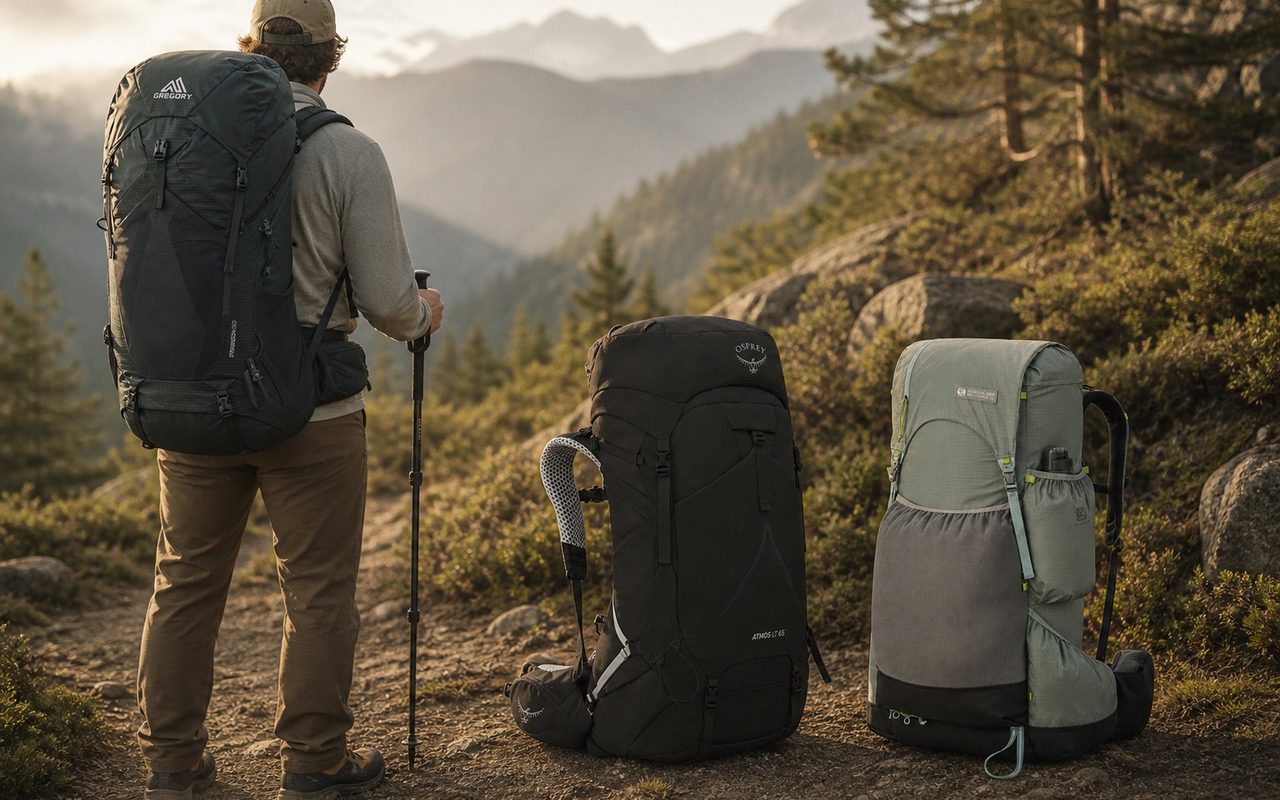
The Atmos AG 65 hauls 30 to 50 lb loads with Osprey's Anti-Gravity suspension. The Mariposa 60 weighs roughly a third as much and targets ultralight hikers carrying under 25 lb. Here's when each one is the right answer.
 By Brooke4 min read
Share this post
Send it to someone who's planning a trip.
Retailer links on this page are affiliate links. We may earn a commission if you buy, and your price doesn't change. How affiliate links work →
At a glance
The contenders
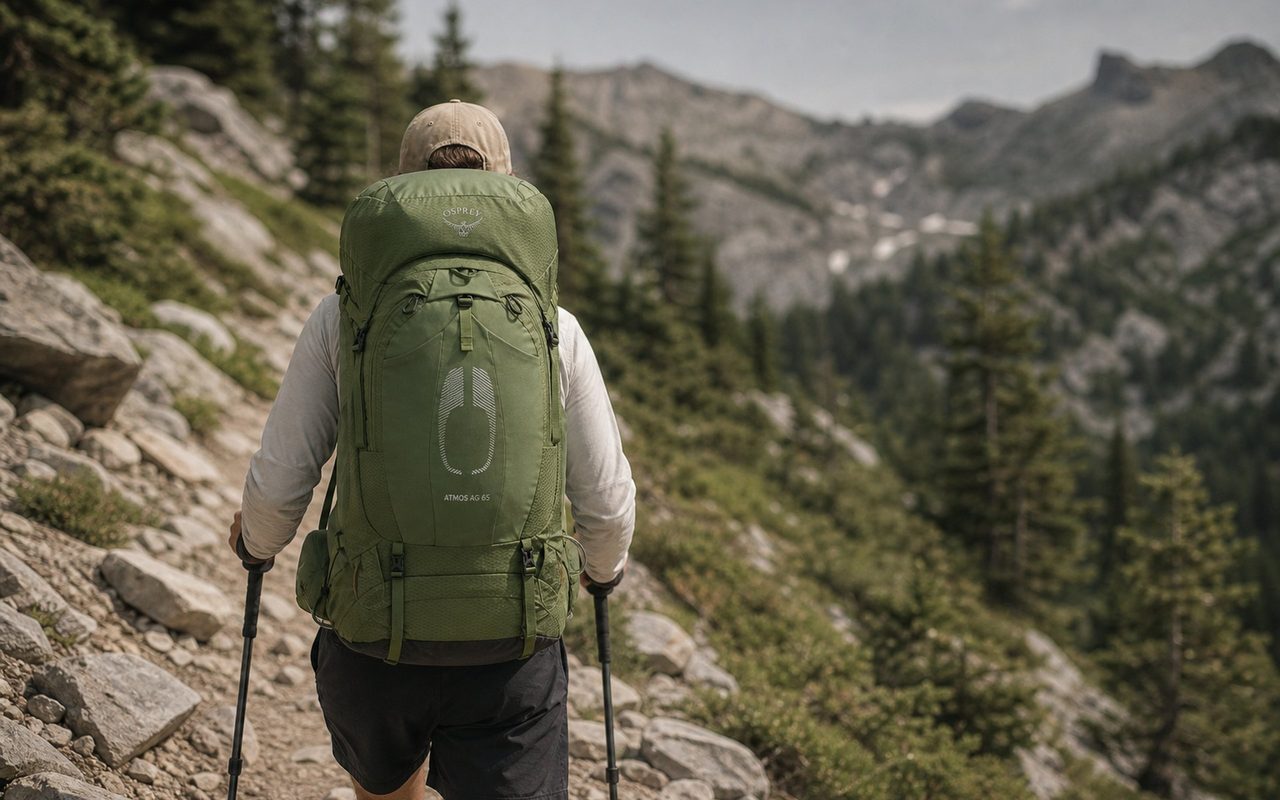
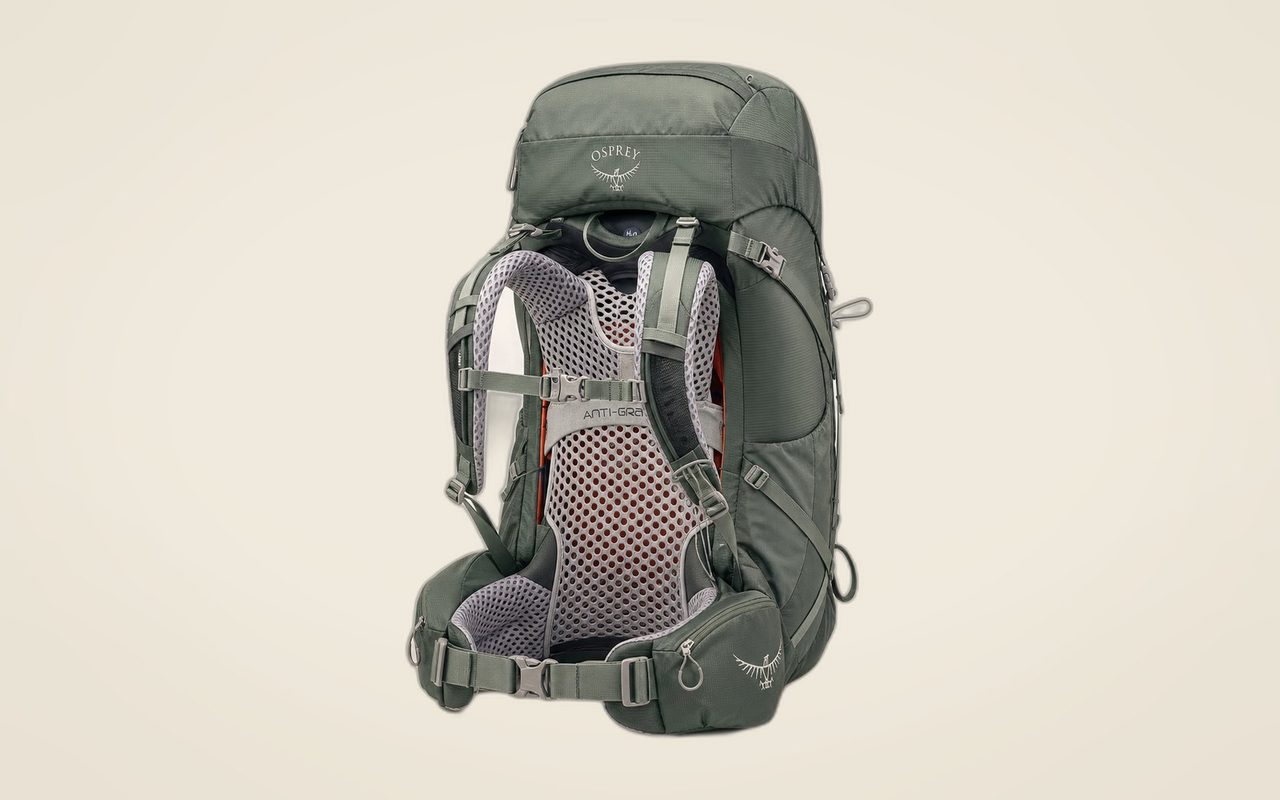
Osprey Atmos AG 65
~$340–400typical
- Capacity
- 65L
Full Anti-Gravity suspended-mesh suspension with aluminum stays and a sculpted hipbelt. The benchmark for load comfort in the 65L category, designed for 30 to 50 lb loads and multi-day trips where kit weight is not the priority.
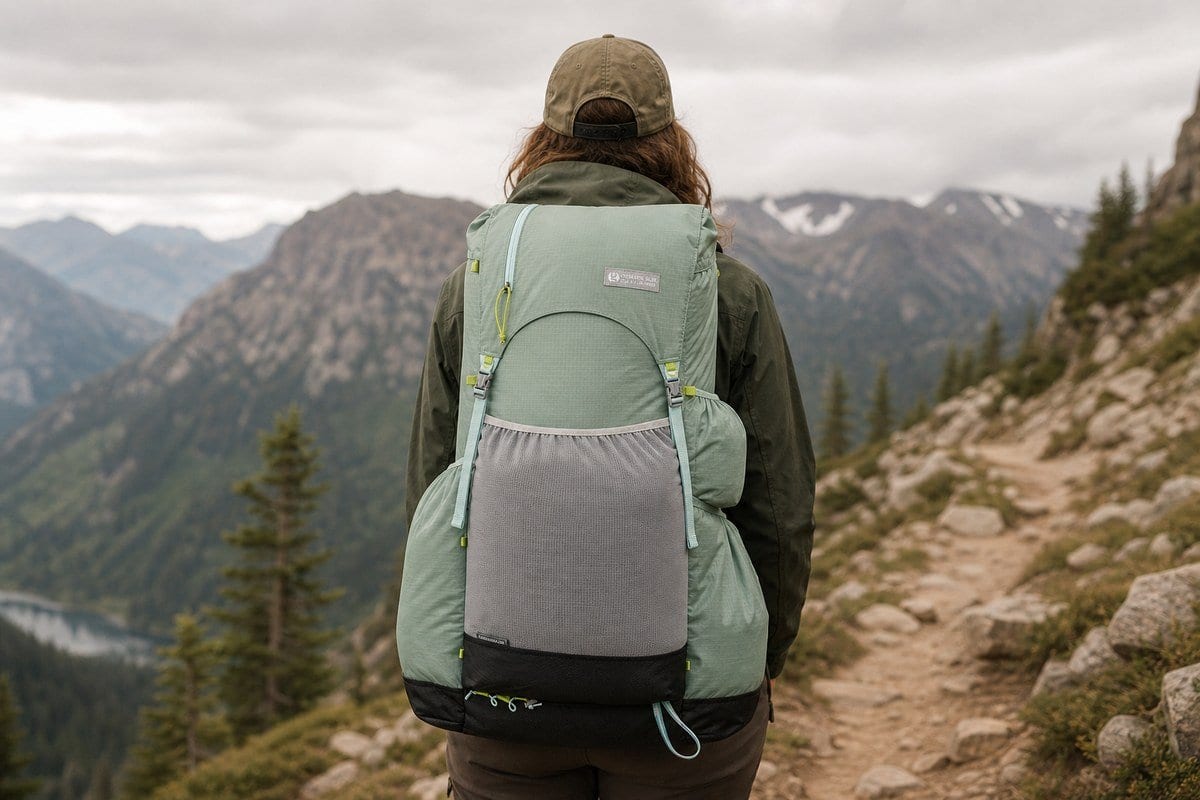
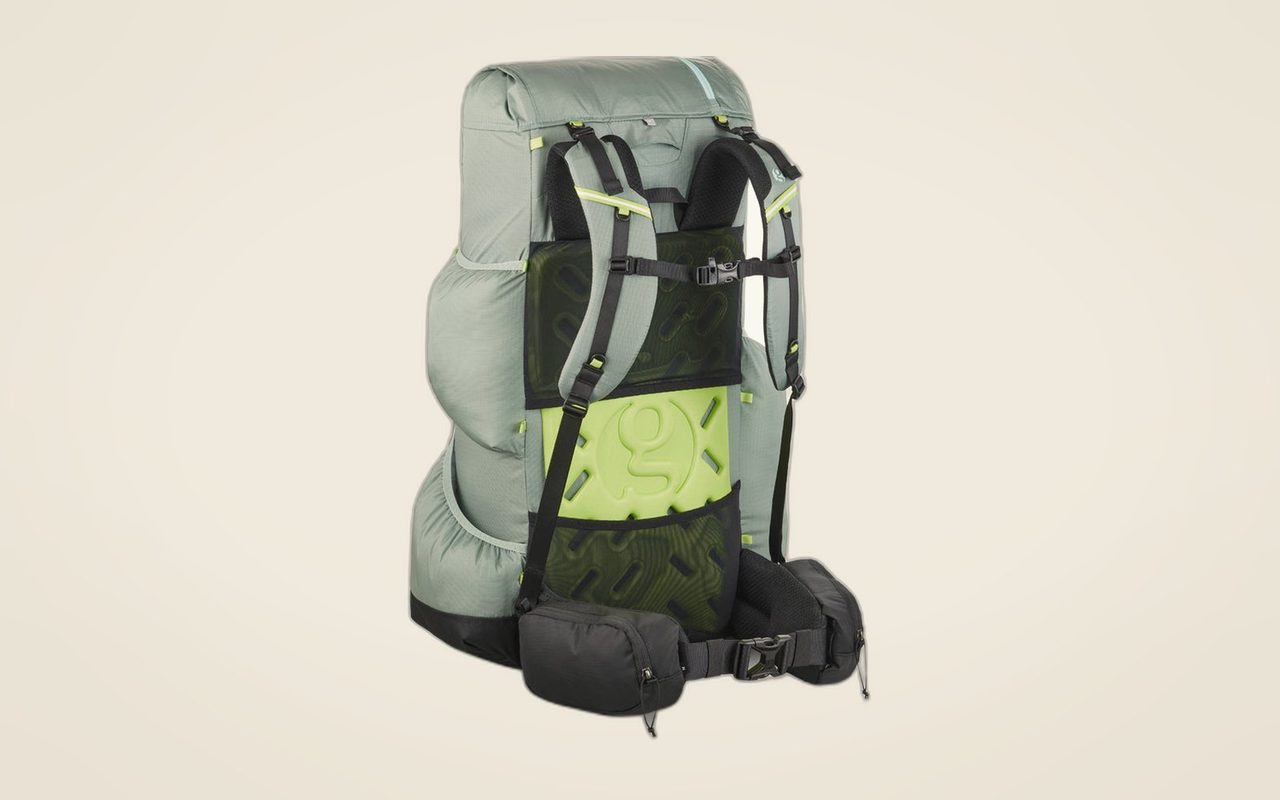
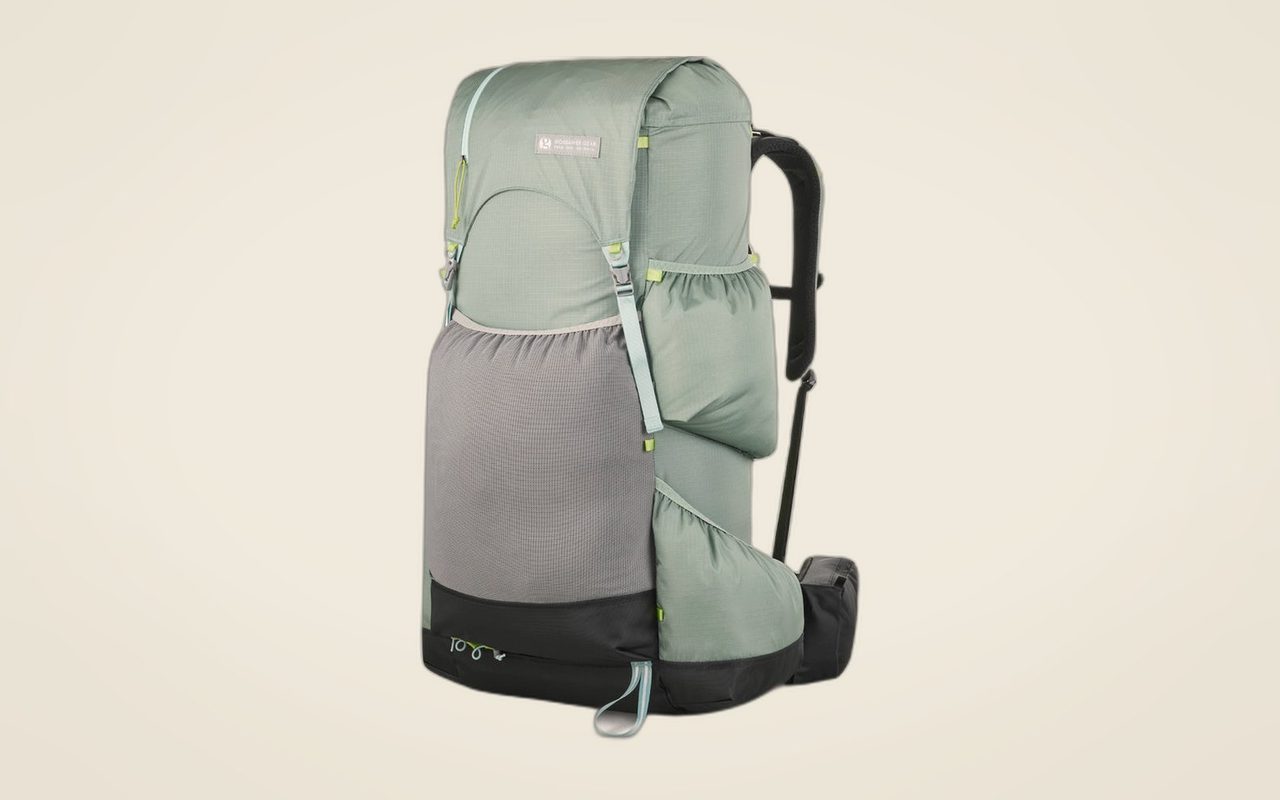
Gossamer Gear Mariposa 60
~$290–340typical
- Capacity
- 60L
A lightweight 60L pack with an S-curve shoulder system and load lifters that keeps pack weight around 2 lb. Popular on the PCT with hikers who have already cut their kit weight and want their pack to be part of that savings.
Spec check
How they stack up at a glance
| Product | Weight (S/M) | Capacity | Suspension | Comfortable load | Price | Material | Buy |
|---|---|---|---|---|---|---|---|
| Osprey Atmos AG 65 | 4 lb 10 oz | 65L | Anti-Gravity suspended mesh + aluminum stays | 30-50 lb | ~$340–400 | High-tenacity nylon | Check price → |
| Gossamer Gear Mariposa 60 | ~2 lb (varies by size) | 60L | S-curve shoulder system + load lifters + Thinlight pad | 15-25 lb | ~$290–340 | Recycled Robic nylon | Check price → |
Osprey Atmos AG 65
★ Top pick- Weight (S/M)
- 4 lb 10 oz
- Capacity
- 65L
- Suspension
- Anti-Gravity suspended mesh + aluminum stays
- Comfortable load
- 30-50 lb
- Price
- ~$340–400
- Material
- High-tenacity nylon
Gossamer Gear Mariposa 60
★ Top pick- Weight (S/M)
- ~2 lb (varies by size)
- Capacity
- 60L
- Suspension
- S-curve shoulder system + load lifters + Thinlight pad
- Comfortable load
- 15-25 lb
- Price
- ~$290–340
- Material
- Recycled Robic nylon
Pick by scenario
Who This Comparison Is For
Jump straight to the winner for how you hike.
| Scenario | Best pick |
|---|---|
| Thru-hiker | Osprey Atmos AG 65 |
| Ultralight | Gossamer Gear Mariposa 60 |
| Weekender | Osprey Atmos AG 65 |
| First-timer | Osprey Atmos AG 65 |
| Bigger-hiker | Osprey Atmos AG 65 |
Thru-hiker
Osprey Atmos AG 65
Ultralight
Gossamer Gear Mariposa 60
Weekender
Osprey Atmos AG 65
First-timer
Osprey Atmos AG 65
Bigger-hiker
Osprey Atmos AG 65
How we compared these
This comparison draws on manufacturer specifications, independent retailer reviews, and owner reports from long-distance hikers gathered through 2025 and 2026. Neither pack was field-tested by BestForBackpacking staff. Our evidence standard is convergence across multiple independent sources rather than a single editor's trail diary.
Prices change regularly; check current prices on each manufacturer's site before buying.
Affiliate links are clearly marked. Commission rates do not influence our recommendation. See our Affiliate Disclosure for detail.
Suspension and load feel
The fundamental difference between these two packs is how each one moves load from the pack body to your hips.
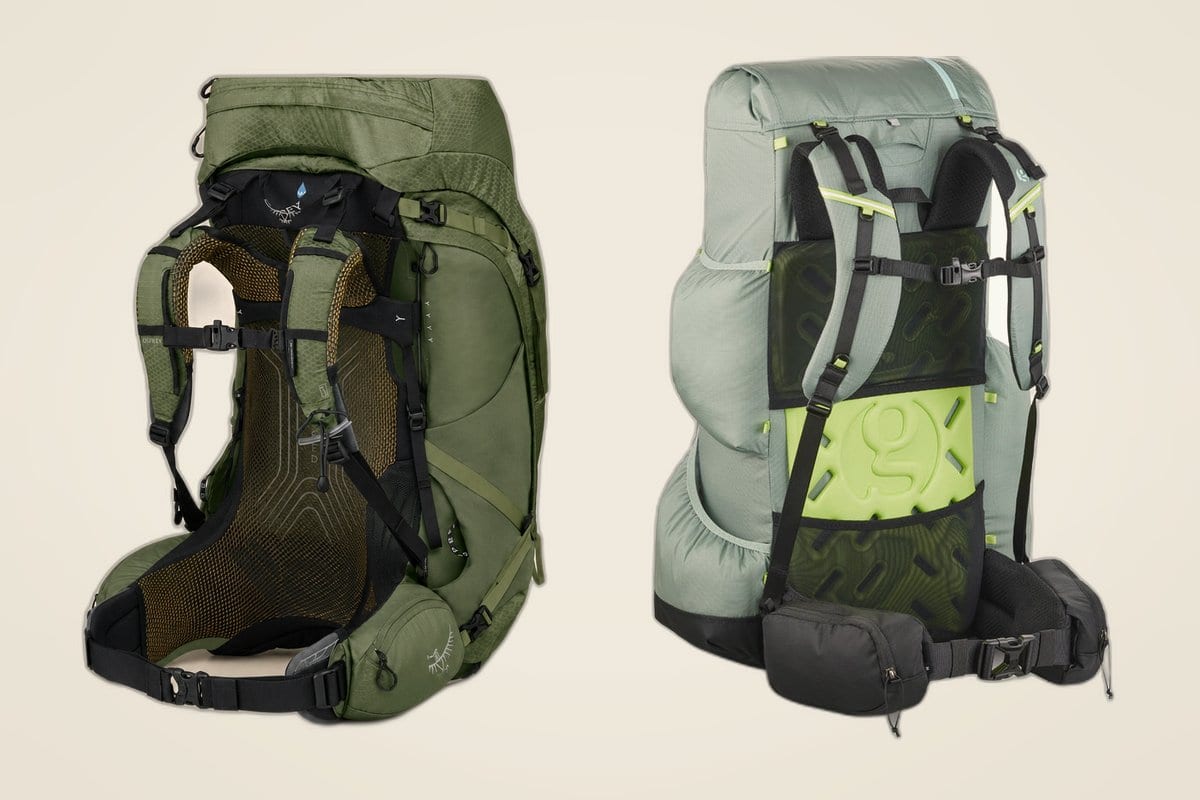
The Atmos AG 65 uses Osprey's Anti-Gravity system: a suspended mesh trampoline attached to an aluminum stay frame. The back panel sits roughly 2 cm off your back, transferring load to the hipbelt while keeping your back cooler than a foam-contact design. The hipbelt foam is thick, shaped to wrap the iliac crest, and sized in five increments. Owner reports from long-distance thru-hikes consistently describe the Atmos as comfortable through the 30 to 45 lb range, with no meaningful fatigue increase as load climbs from 30 to 40 lb.
The Mariposa 60 takes a simpler approach. The S-curve shoulder system uses a thin Thinlight foam pad as the back panel and relies on load lifters at the shoulder straps to keep the pack seated. The hipbelt is padded but slimmer than the Atmos's. Gossamer Gear positions the Mariposa 60 for experienced hikers who have already cut their kit weight; owner reports describe it as comfortable from 15 to about 22 lb, with shoulder fatigue showing up above 28 lb in a meaningful share of longer-trip accounts.
If you regularly carry 30 lb or more, this is the number that matters: the Atmos AG 65 was designed for that load, the Mariposa 60 was not.
Pockets, organization, and features
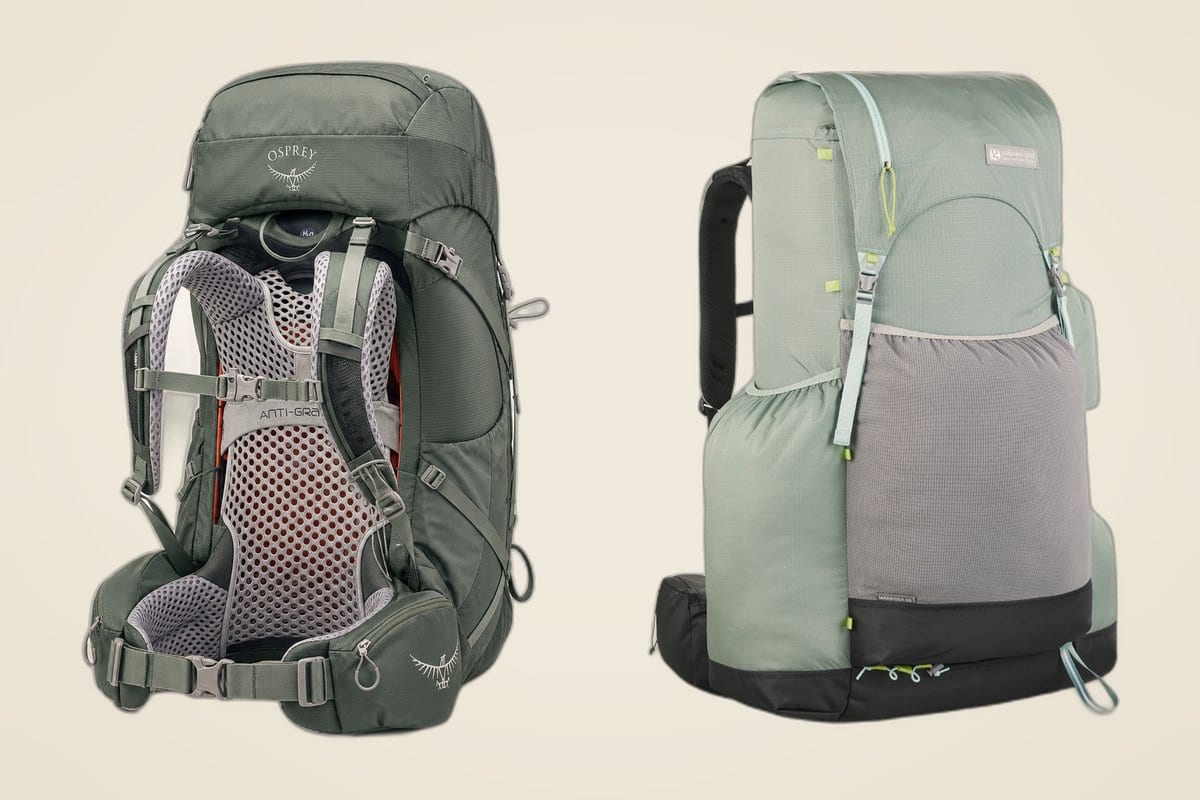
The Atmos AG 65 has a large top lid with two zippered pockets, a front stretch mesh pocket, dual side water-bottle pockets, and a zippered sleeping bag compartment at the base. The hipbelt has two small zippered pockets sized for a phone or snack bars. Organization is generous for a pack in this class, and the lid pockets add meaningful capacity for summit-day layers or rain gear.
The Mariposa 60 prioritizes pockets you can reach without stopping. It has a large front Uhmm mesh pocket, two side pockets, and a top lid pocket. For UL hikers who tend to pack less, the simpler layout reads as clean rather than sparse.
Bear canister compatibility: the Mariposa 60 is sized to fit a standard bear canister, and Gossamer Gear calls this out as a specific design consideration. The Atmos AG 65 also accommodates bear canisters, but the internal frame structure can make loading them less straightforward.
Both packs use high-tenacity nylon: the Mariposa 60 with Recycled Robic nylon, the Atmos AG 65 with a high-tenacity construction. Both should last a full long-distance thru-hike under normal conditions.
Which one is right for you
The single most useful question to ask is: how much does your pack weigh when you leave the trailhead?
If your base weight plus food and water puts you at 30 lb or more, the Atmos AG 65 is the better choice. The suspension system was built for that range, and the weight penalty (roughly 3 lb more than the Mariposa) matters less when your pack weighs 35 lb. It's under 10% of your total load.
If your base weight plus consumables lands between 20 and 28 lb, either pack is workable. The Mariposa 60's lighter carry becomes meaningful at this range, and its load lifters handle the weight. The Atmos's suspension advantage is less decisive at 20 lb than at 35.
If you carry under 20 lb and have dialed in a dedicated UL kit, the Mariposa 60 is the right tool. The Atmos's weight penalty is proportionally large when your total load is under 20 lb, and the extra suspension system is more than you need.
First-time backpackers and hikers with variable kit loads, such as weekend trips that swing from 25 to 40 lb, should default to the Atmos AG 65. It forgives overloading; the Mariposa 60 does not.
Get one honest gear take every Friday.
One email a week: new reviews, one gear pick with my reasoning, and nothing sponsored. Confirm your address and you get my printable 2-page backpacking gear checklist.
You'll get a confirmation link first, and nothing else arrives until you click it. Every email has a one-click unsubscribe. How your email is handled
More from Backpacks
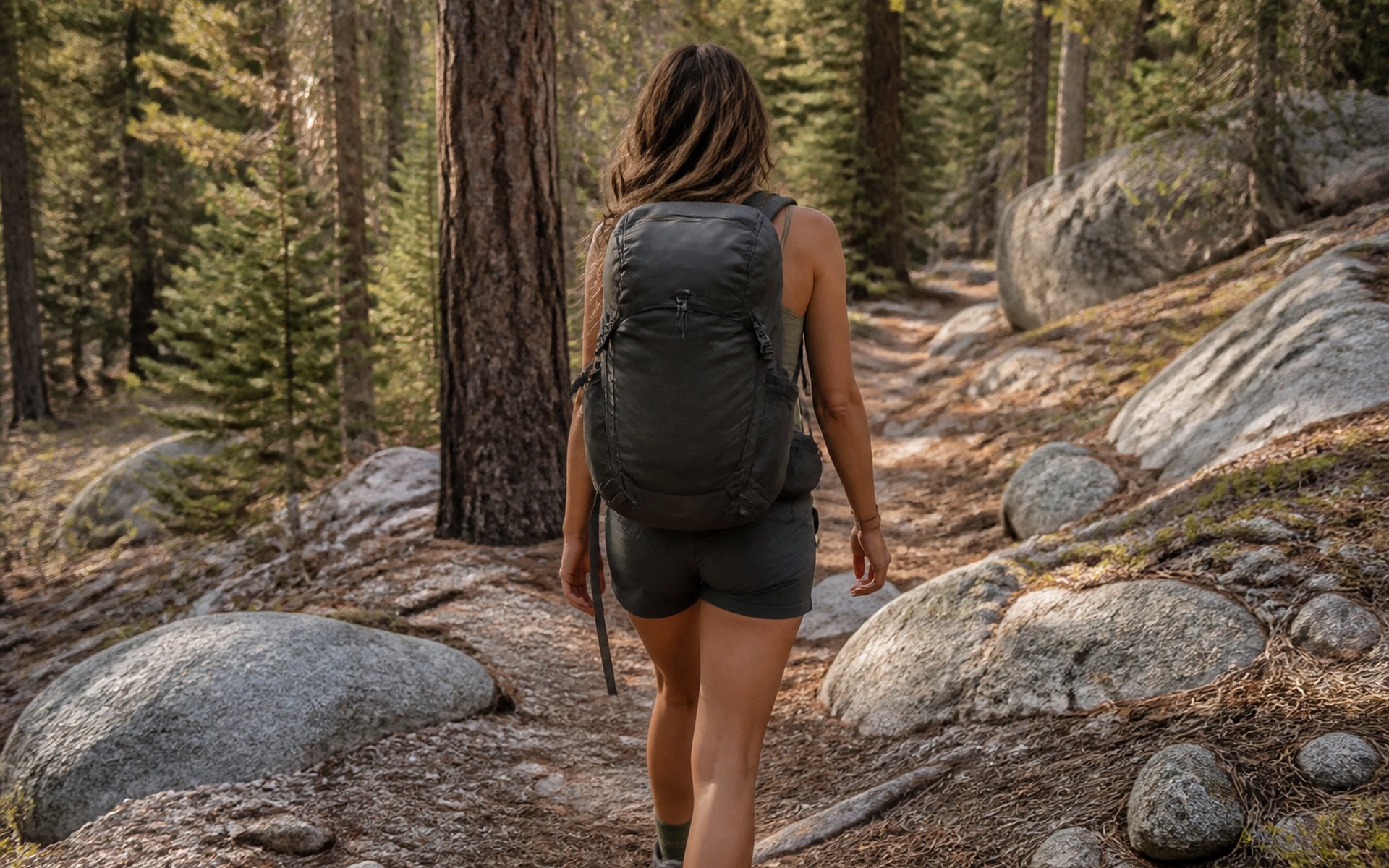
Osprey Aether 65 Review: 4.9 lb of Load Hauler, and Who Should Skip It
The Aether 65 weighs 4.919 lb by Osprey's figure and is rated to 60 lb. The math on what that costs you at 30 lb is the whole review.
 Brooke Wilder
9 min read
Brooke Wilder
9 min read
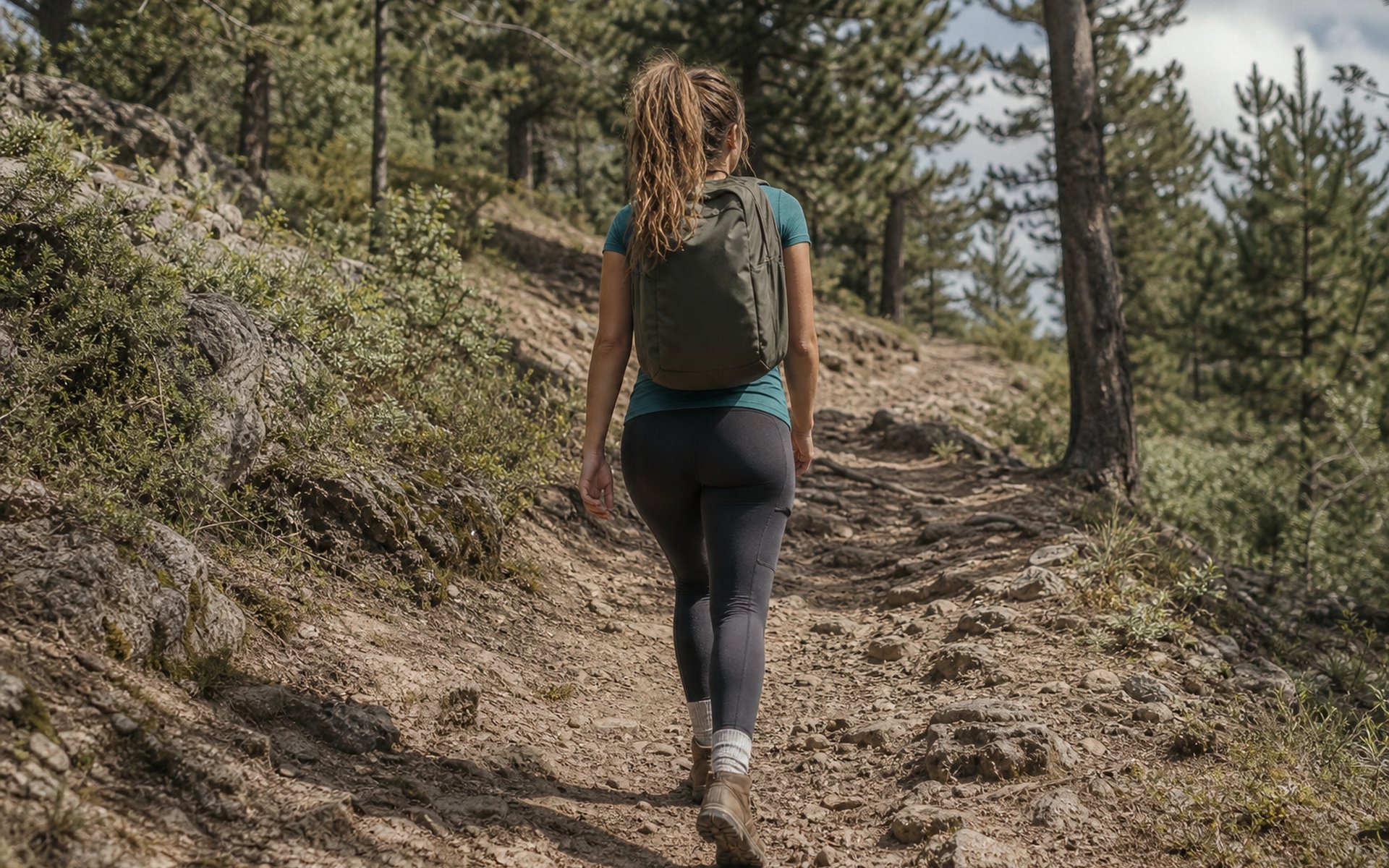
Osprey Rook 65 Review: The Budget Pack That Does Most of an Atmos
The Rook 65 is a 3.7 lb budget pack with a mesh back panel and a rain cover in the box. Buy it for 30-40 lb trips; skip it for heavier loads.
Brooke Wilder
8 min read
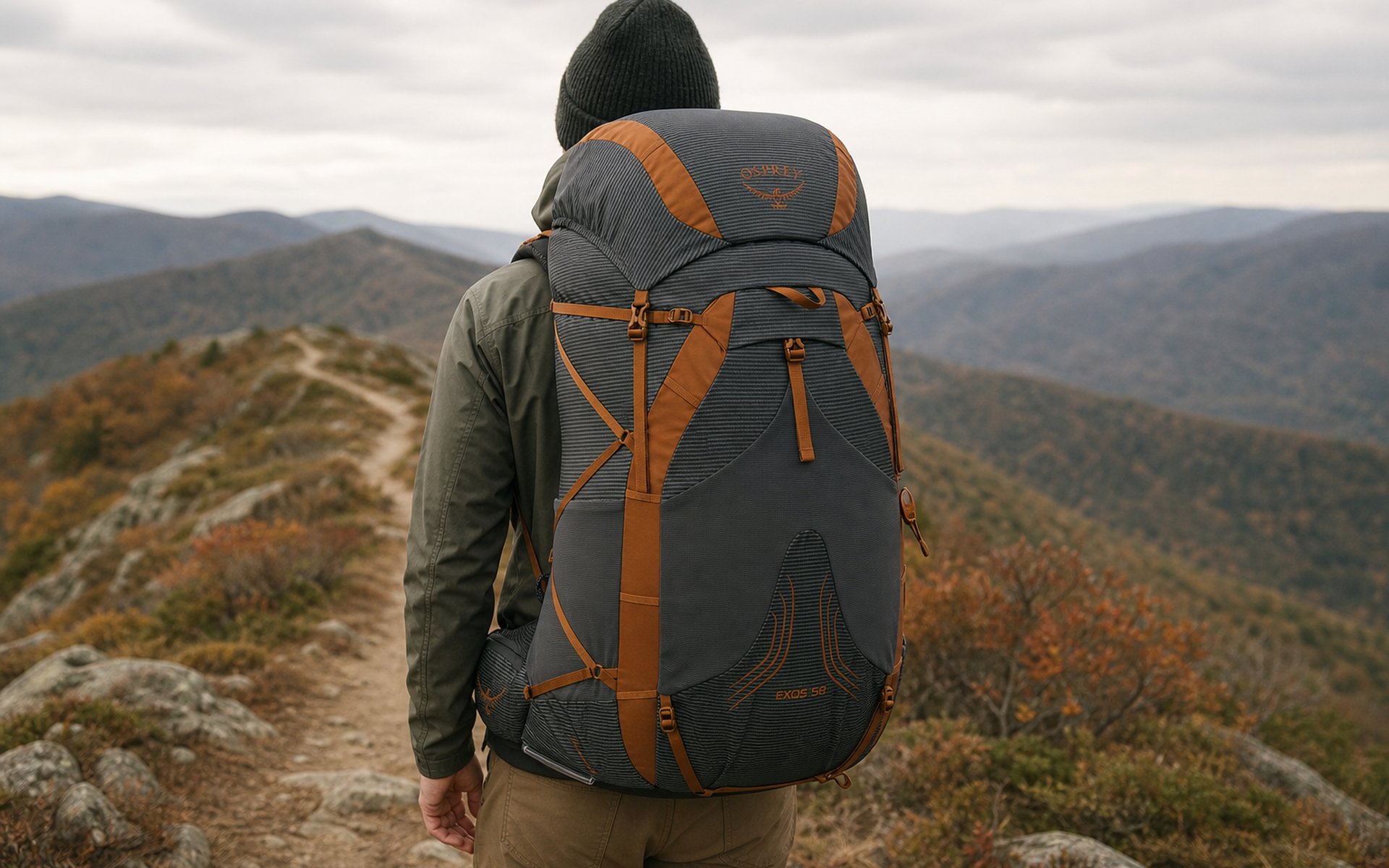
Osprey Exos 58 Review: The 2 lb 13 oz Pack That Carries 35 lb
The Exos 58 is a real frame and a ventilated back at 2 lb 13.4 oz, for 25 to 35 lb loads. Buy it in that window; skip it for ultralight kits or heavy hauls.
Brooke Wilder
9 min read
Why trust BestForBackpacking
Honest gear advice for backpackers, researched, weighed, and recommended.
Every pick is based on deep research: a synthesis of long-term owner reports, independent reviewer tests, and manufacturer specs, weighted by source independence, specificity, and use-case match. Brooke Wilder is our gear editor, the editorial persona who turns that research into a clear recommendation.