
Ultralight Packs
Osprey Exos 58 Review
Last updated: September 2026
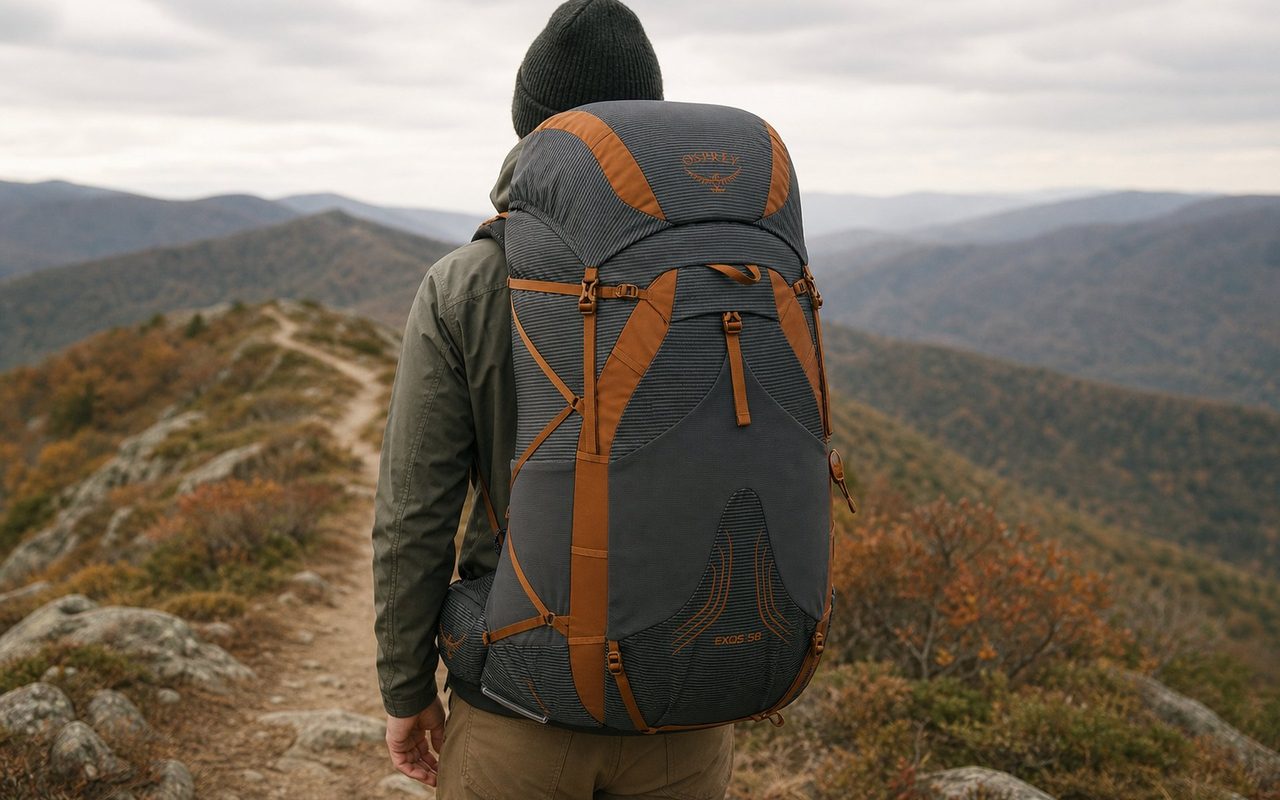
The Exos 58 sits in a narrow but well-traveled spot: light enough for fast and long days, yet structured enough to carry a real load. Osprey trimmed every ounce they could without stripping the features a multi-day hiker actually uses. The result is a pack that appeals to thru-hikers, weekenders, and anyone who keeps their base weight reasonable but still wants ventilation and a proper frame.
 By Brooke4 min read
Share this post
Send it to someone who's planning a trip.
Carry and Suspension
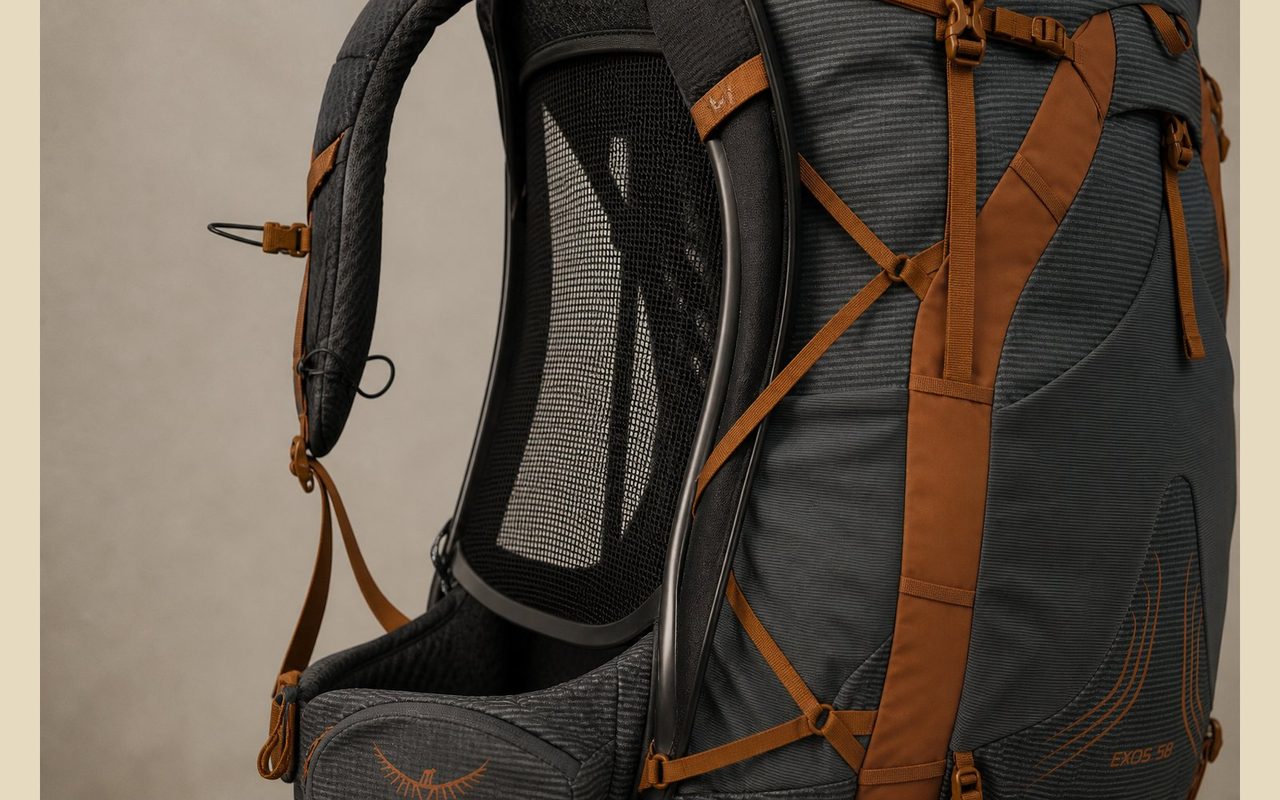
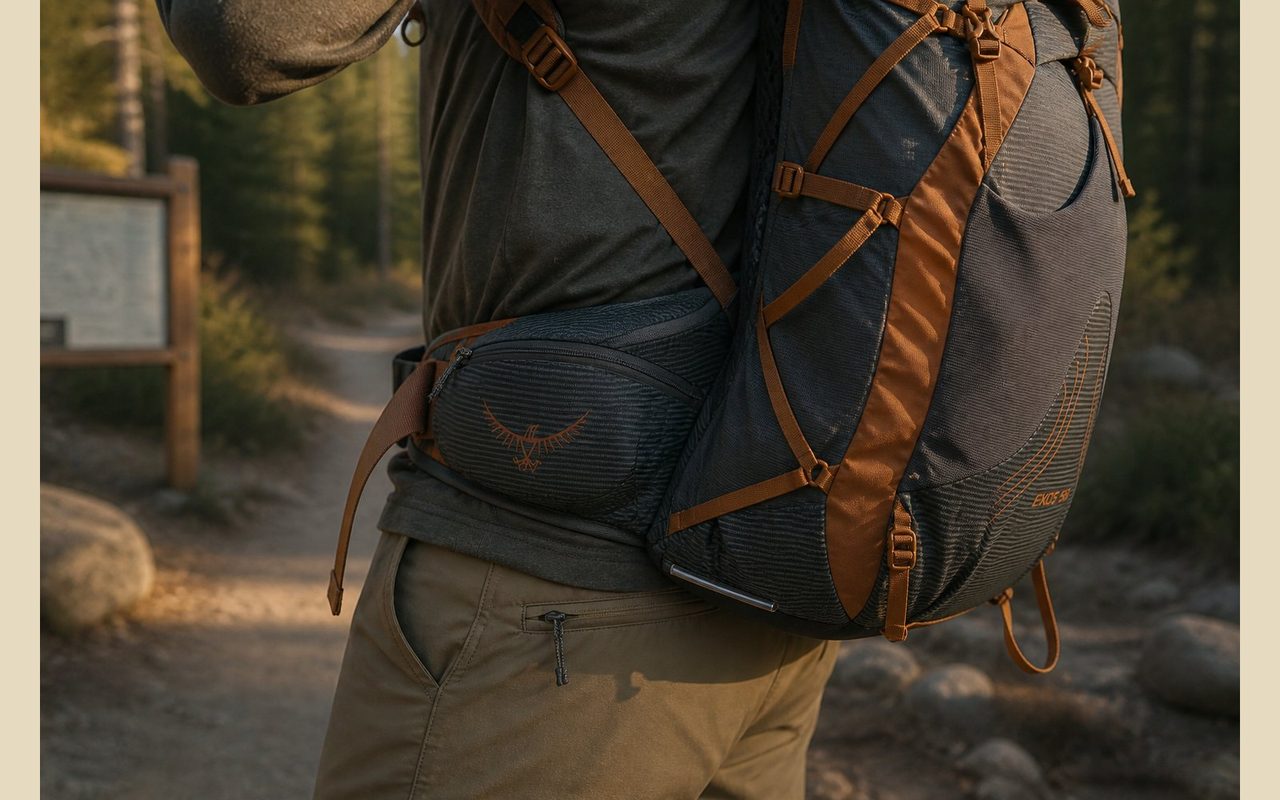
The Exos 58 uses Osprey's AirSpeed suspension, a tensioned trampoline mesh that holds the pack body off your back. The gap creates airflow across your whole lower back, which makes a real difference on warm days or steady climbs. The frame is a single peripheral hoop made from lightweight alloy, stiff enough to transfer load to the hipbelt without adding noticeable weight.
The ExoForm hipbelt uses Osprey's heat-moldable foam, which wraps the iliac crest better than a standard cut. It comes in two sizes (S/M and M/L) and distributes weight well up to about 35 pounds. Past that, the frame's light construction starts to show its limits. The shoulder yoke is also ExoForm with adjustable torso length, so you can dial the fit across a range of torsos without swapping the pack.
Organization and Access
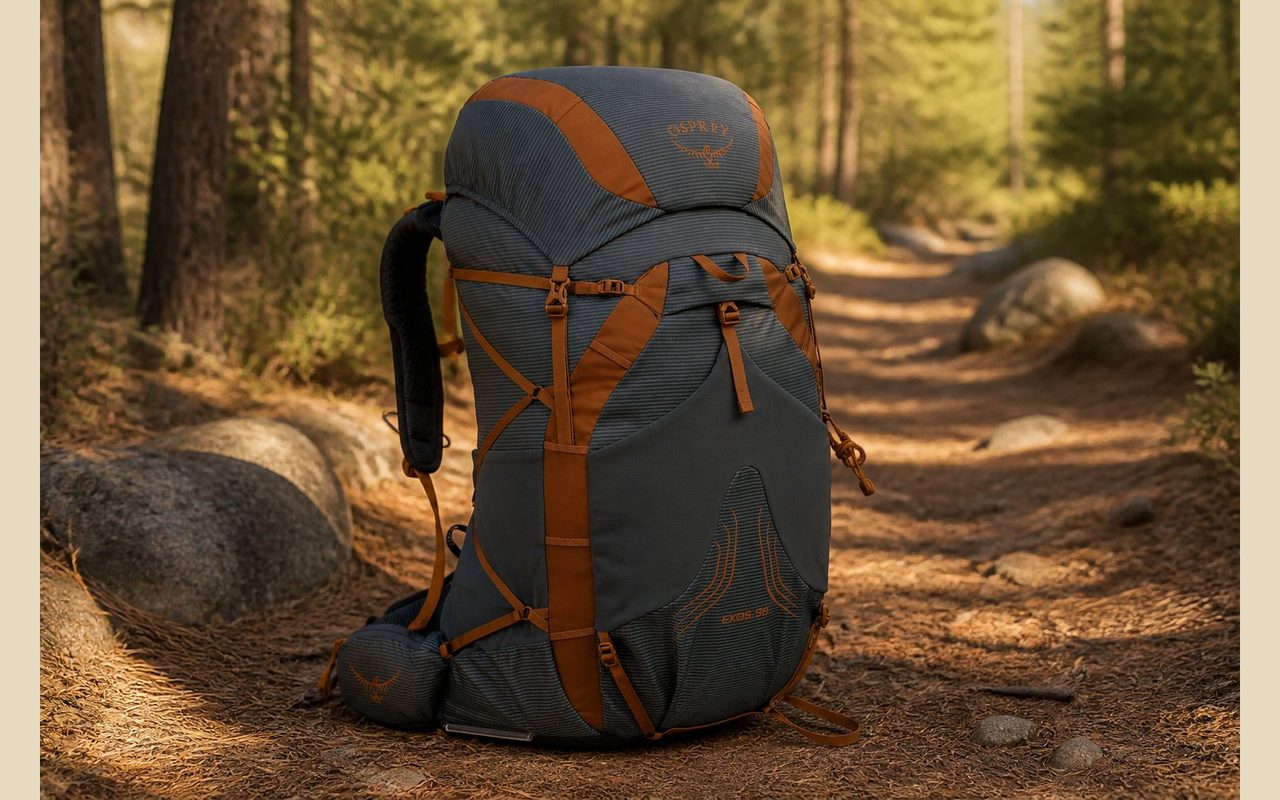
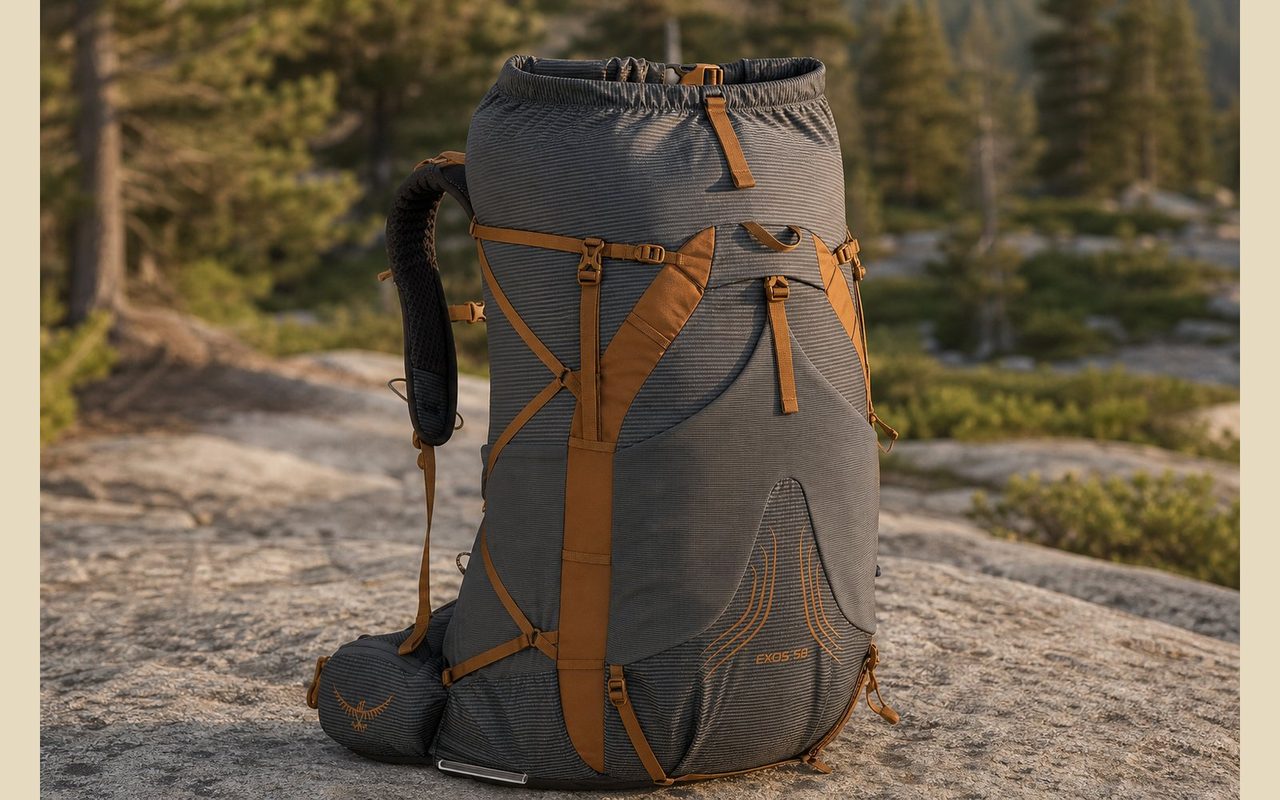
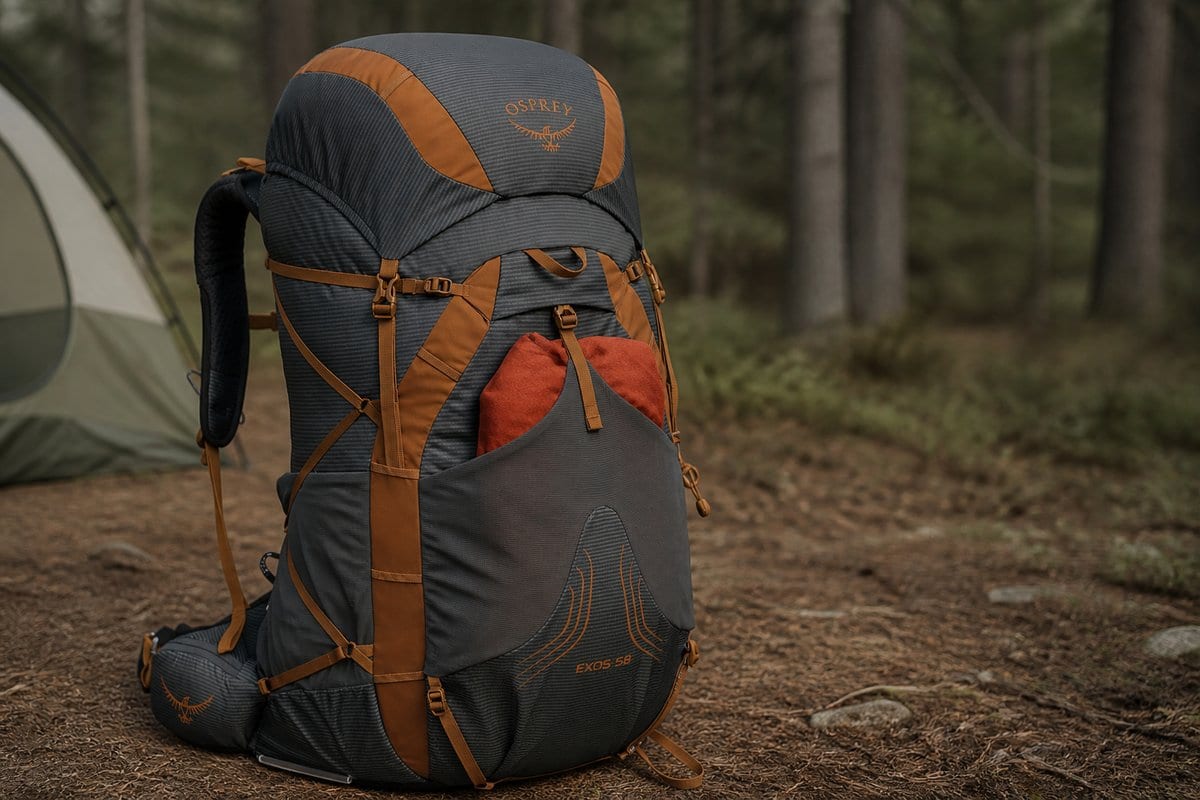
Osprey kept the layout simple. The main compartment loads from the top with a drawcord closure and a floating lid with two pockets. The lid is removable, saving about four ounces. There's a front shove-it pocket made from stretch mesh, ideal for a rain shell or a snack you want within reach. Side compression straps double as lash points, and there are stowable ice axe loops on both sides.
The hipbelt has small zippered pockets. They hold a phone or bar but not much more. There are no water bottle pockets on the hipbelt, so you reach back for side pockets, which are cut low enough to grab while wearing the pack. An integrated raincover stows in its own pocket at the bottom and is worth keeping for wet trips.
Materials and Durability
The Exos 58 is made from 100% recycled nylon, and the whole pack is bluesign certified. The main fabric is 100D and 400D nylon, which puts it on the lighter end of the durability spectrum. This is not a pack you want to drag over granite slabs, but it holds up well for trail use and bushwhacking on established routes. The mesh front pocket and side pockets are the most vulnerable part. If you overload the shove-it pocket, the mesh will stretch over time.
Osprey backs it with their All Mighty Guarantee, which covers any manufacturing defect for the life of the pack. That said, the lightweight fabric means this pack is more likely to show wear after a full thru-hike than Osprey's heavier-duty Aether or Atmos lines.
Fit and Sizing
The Exos 58 comes in two torso ranges via S/M and M/L sizes, and there is an Extended Fit version for hikers who need a longer torso. The adjustable torso lets you dial in the length across about four inches within each size. The hipbelt comes in two sizes that match the pack size.
The Extended Fit version adds roughly an inch of torso range and swaps in a longer hipbelt. If you are between standard sizes or know you have a longer torso, it is worth checking the EF version rather than sizing up and dealing with a loose hipbelt.
How It Compares
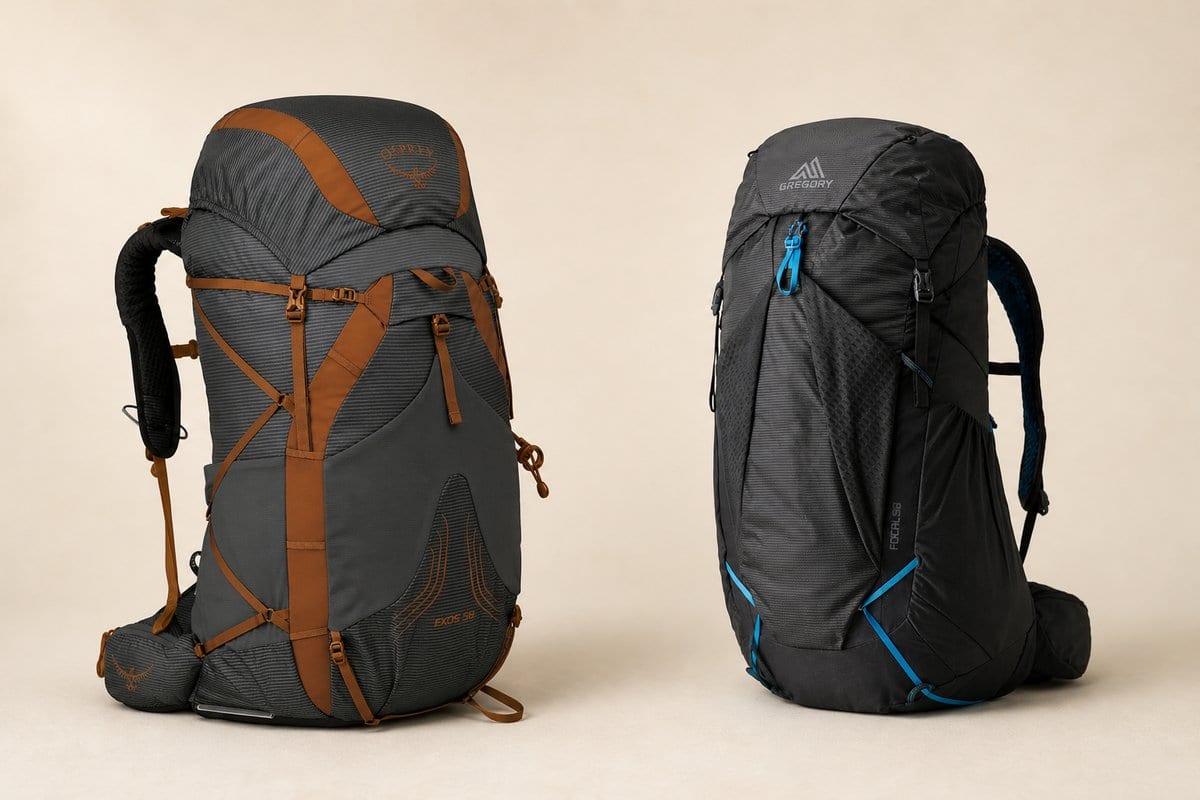
The closest competitor is the Gregory Focal 58, which comes in at a similar weight with a similar trampoline back panel. The Focal has slightly better hipbelt pockets and a more padded shoulder yoke, but the Exos is lighter by an ounce or two and the removable top lid gives more flexibility for stripping weight.
The Osprey Levity 45 is the ultralight sibling: same AirSpeed suspension but in a 45-liter package that shaves another four ounces. The Levity uses a different fabric that is noticeably less durable, making the Exos the better choice for anyone who expects more than buffed-out trail.
For comparison, the Osprey Atmos AG 65 weighs about 4.5 pounds and carries 40 pounds comfortably. The Exos is over a pound and a half lighter but gives up about 10 pounds of comfortable load ceiling. If you carry a heavy tent and a full canister stove, the Atmos is the right call. If you run a sub-12-pound base weight, the Exos makes more sense.
Pros
- Under 3 pounds with a proper frame and trampoline ventilation
- Removable floating lid and sleeping pad straps let you drop weight
- Integrated raincover saves buying one separately
- Adjustable torso fits a range of body sizes
- ExoForm hipbelt wraps well and transfers load effectively
Cons
- Hipbelt pockets are too small for larger phones
- Frame flexes noticeably above 35 pounds
- Light fabric shows wear faster than heavier Osprey packs
- No lumbar pad pocket on the trampoline panel
Key Specifications
- Sizes
- S/M, M/L
- Fabric
- 100% recycled 100D/400D nylon
- Volume
- 58 liters
- Weight
- 2 lb 13.4 oz (M/L)
- Frame Type
- AirSpeed tensioned mesh
- Max Recommended Load
- 35 lbs
More from Ultralight Packs

3F UL Gear Qidian Pro Review: Half-Price Ultralight, Half-Measure Comfort
At roughly half the price of a cottage UL pack, the Qidian Pro forces a real question: where did 3F UL Gear cut to get there, and do those cuts sink it for the budget hiker it is built for?
 Brooke Wilder
9 min read
Brooke Wilder
9 min read
Get one honest gear take every Friday.
No spam. Just gear picks, packing lessons, and notes from this week's research.
Why trust BestForBackpacking
Honest gear advice for backpackers, researched, weighed, and recommended.
Every pick is based on deep research: a synthesis of long-term owner reports, independent reviewer tests, and manufacturer specs, weighted by source independence, specificity, and use-case match. Brooke Wilder is our gear editor, the editorial persona who turns that research into a clear recommendation.