
Retailer links on this page are affiliate links. We may earn a commission if you buy, and your price doesn't change. How affiliate links work →
Ultralight Packs
3F UL Gear Qidian Pro Review: Half-Price Ultralight, Half-Measure Comfort
Last updated:
The Qidian Pro is a 31 oz frameless pack for $100-115, with an honest spec and tough fabric. Comfort is the catch, and OutdoorGearLab doesn't recommend it.
3F UL Gear says the Qidian Pro weighs 880 g. OutdoorGearLab put it on a scale and got 879 g. One gram. I love a budget maker that gets its own weight right to the gram.
And then OutdoorGearLab said it couldn't recommend the pack. So here's my call, once. Consider it if your base weight is already under 10 lb, your loads stay under 20 lb, your build fits its single size, and the price is the deciding factor. Skip it if comfort matters more than money, or if you're shorter than about 170 cm. I give it 6.7 out of 10.
 By Brooke5 min read
Share this post
Send it to someone who's planning a trip.
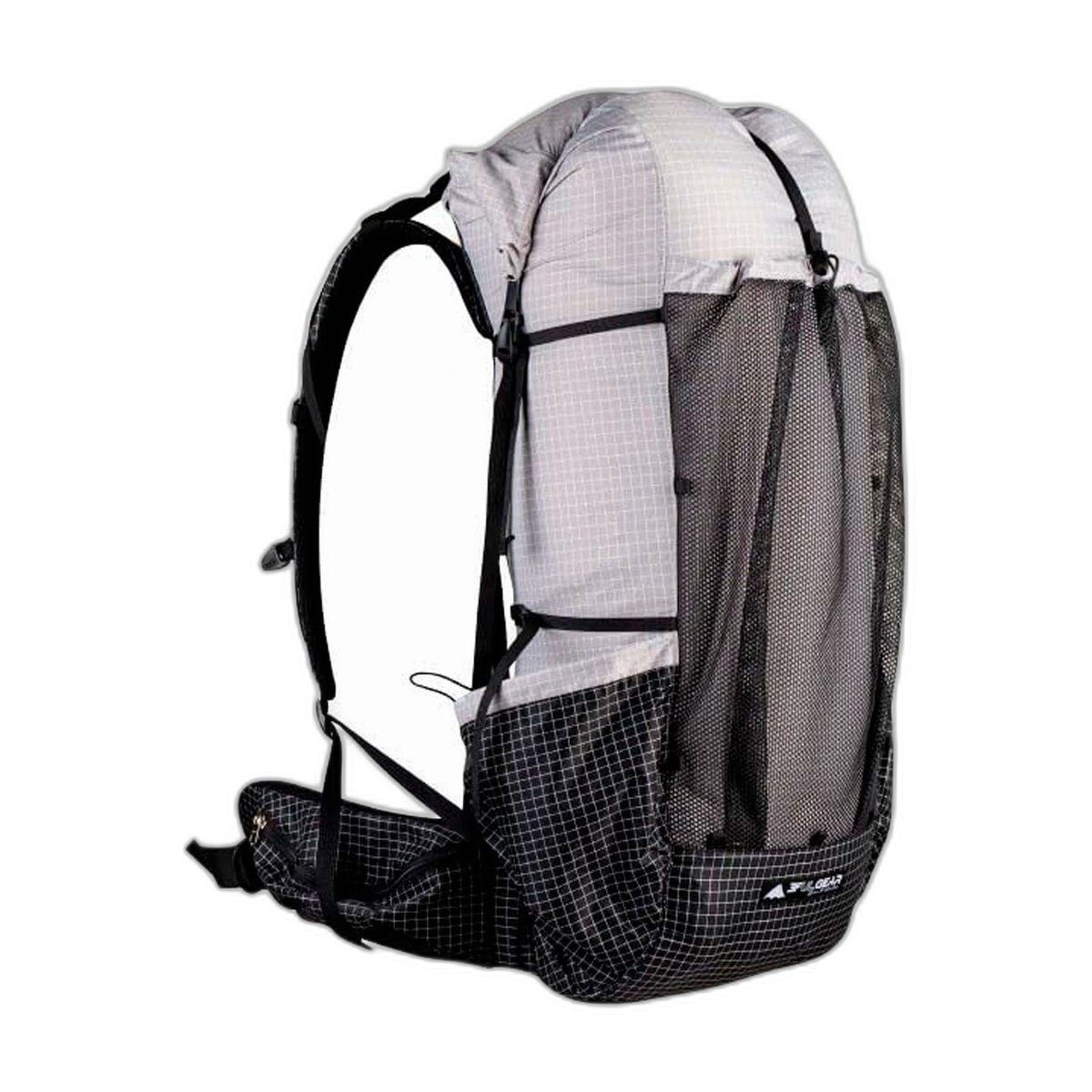
How does a frameless pack carry?
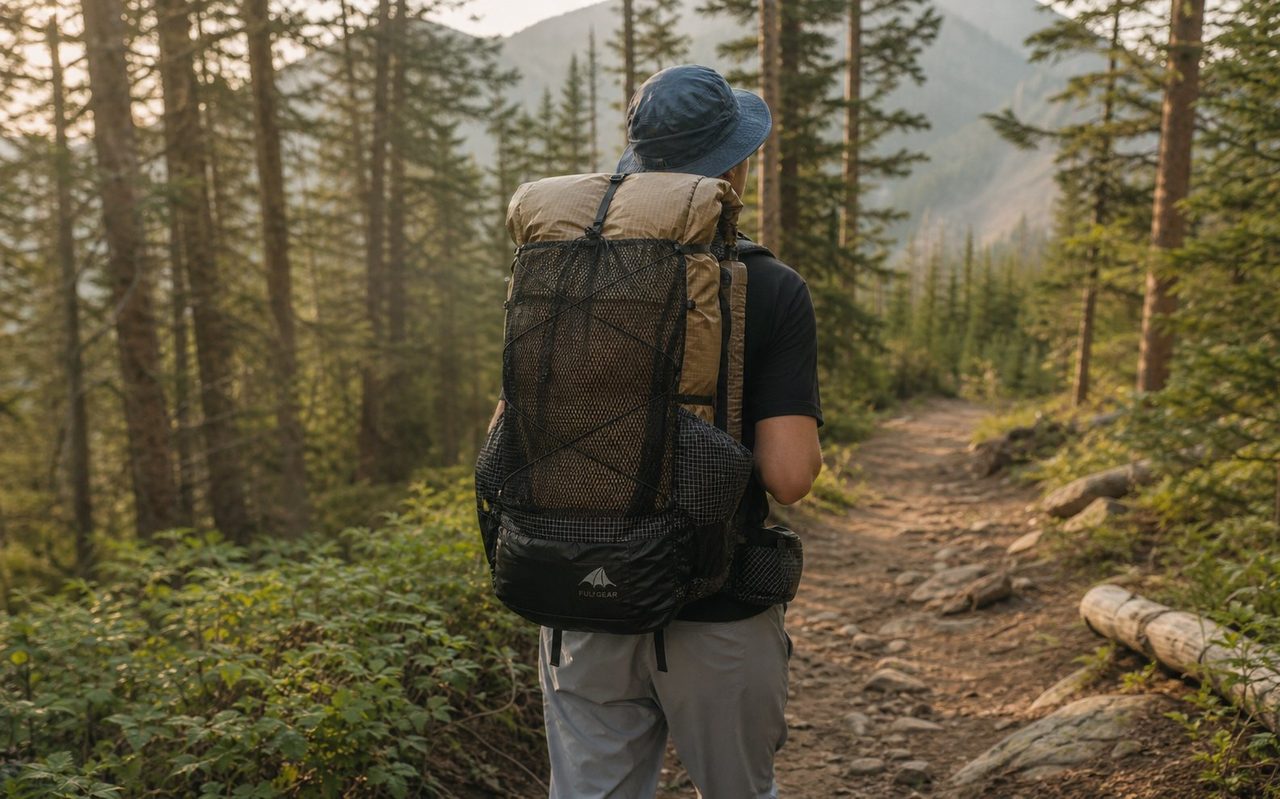
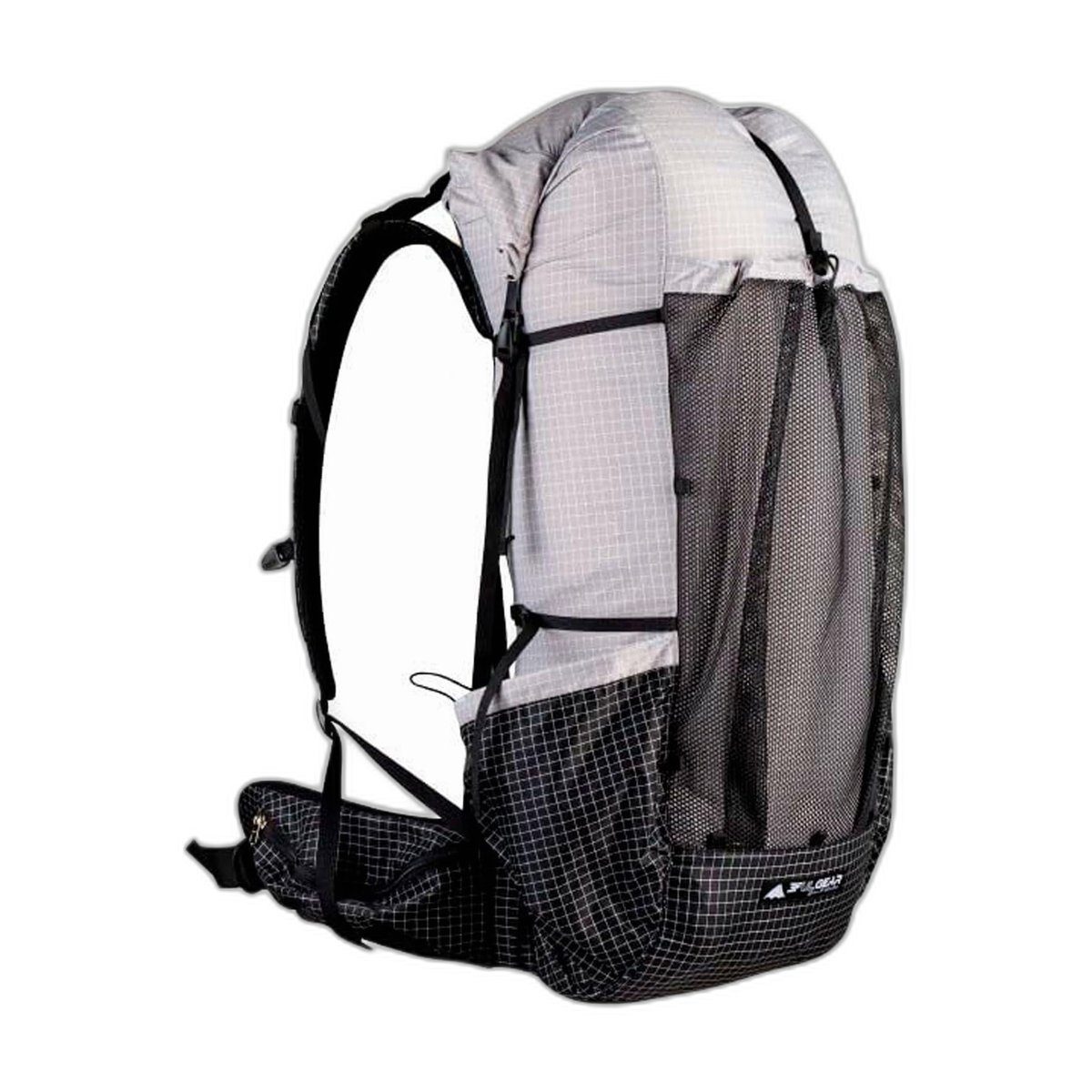
There's no frame at all. The back panel is a sleeve for a folded foam sleeping pad, and that pad, plus the tension of the pack body, is the whole suspension. OutdoorGearLab fit a full-size closed-cell foam pad in the sleeve.
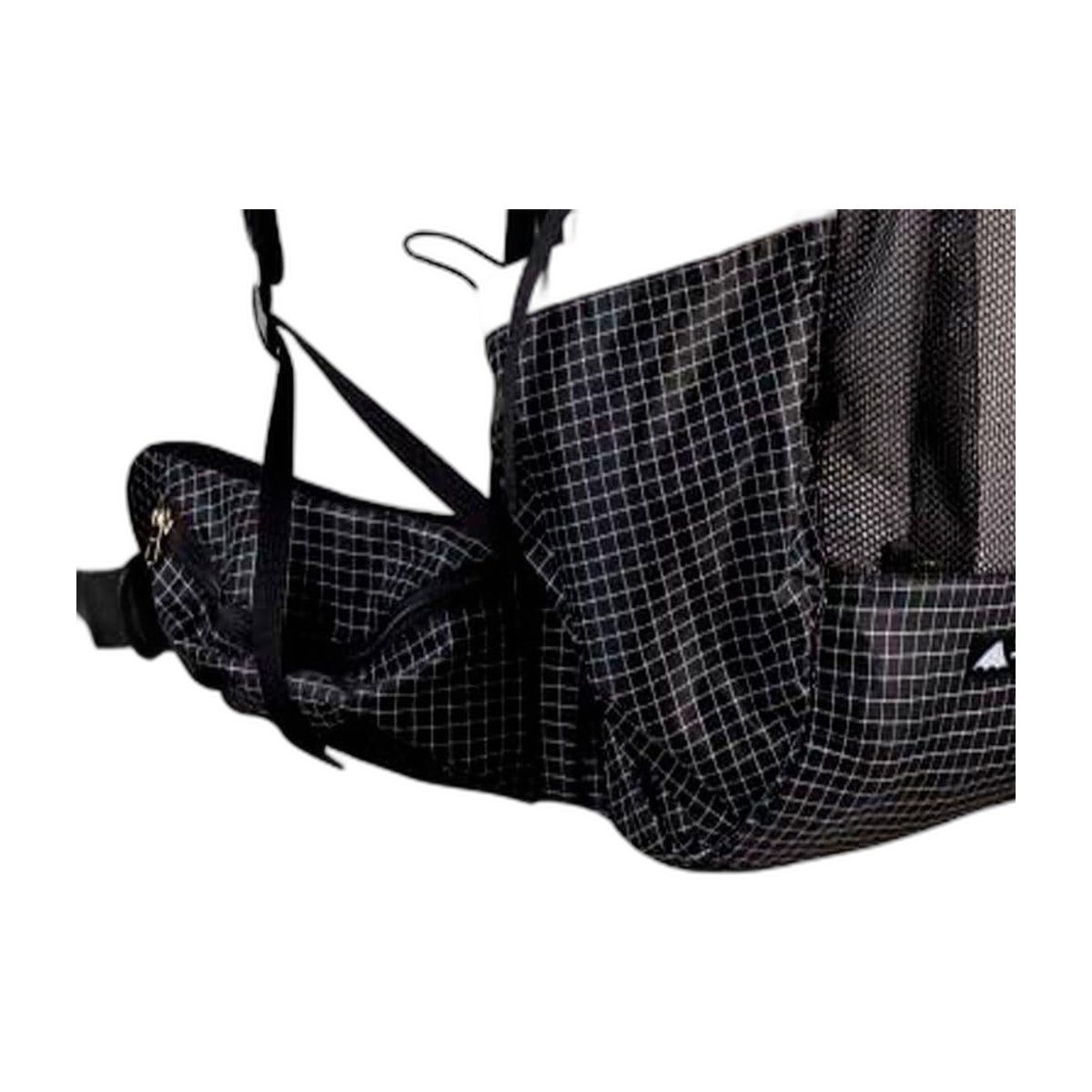
OutdoorGearLab's comfort complaints are specific. It calls the load lifters somewhat impotent, and says the hipbelt is padded only at the ends, not around the lumbar, so it can't put much weight on your hips. It also found more straps than on most packs it has tested, regularly in the way and fluttering in the wind. Its comfort score was 5 out of 10.
The load lifters are the detail that made me wince. OutdoorGearLab says they only play an ornamental role: without a stiff frame or a supportive belt, they cinch the front of the roll top rather than pull the pack toward your shoulders. Two straps, one job, and not the job the name promises. It also says the foam-pad attachment pushes the pack a bit far from your body, with some straps lying uncomfortably against your back.
Then sizing. It comes in one torso size, which 3F UL Gear rates for roughly 170 to 190 cm of height. OutdoorGearLab's male tester with a 32 in waist found the hipbelt almost too long. In fact the two ends of the belt practically touched at the center. OutdoorGearLab's conclusion: it will most certainly be too big for a waist under 32 in, unless you carry a particularly thick foam pad behind it. If you're small, that's the reason to skip it, and no strap adjustment fixes it.
My read on load: with no frame and a hipbelt that doesn't wrap the lumbar, keep it light. Under 20 lb total is where a pack like this makes sense. That's my judgment, not a number OutdoorGearLab measured.
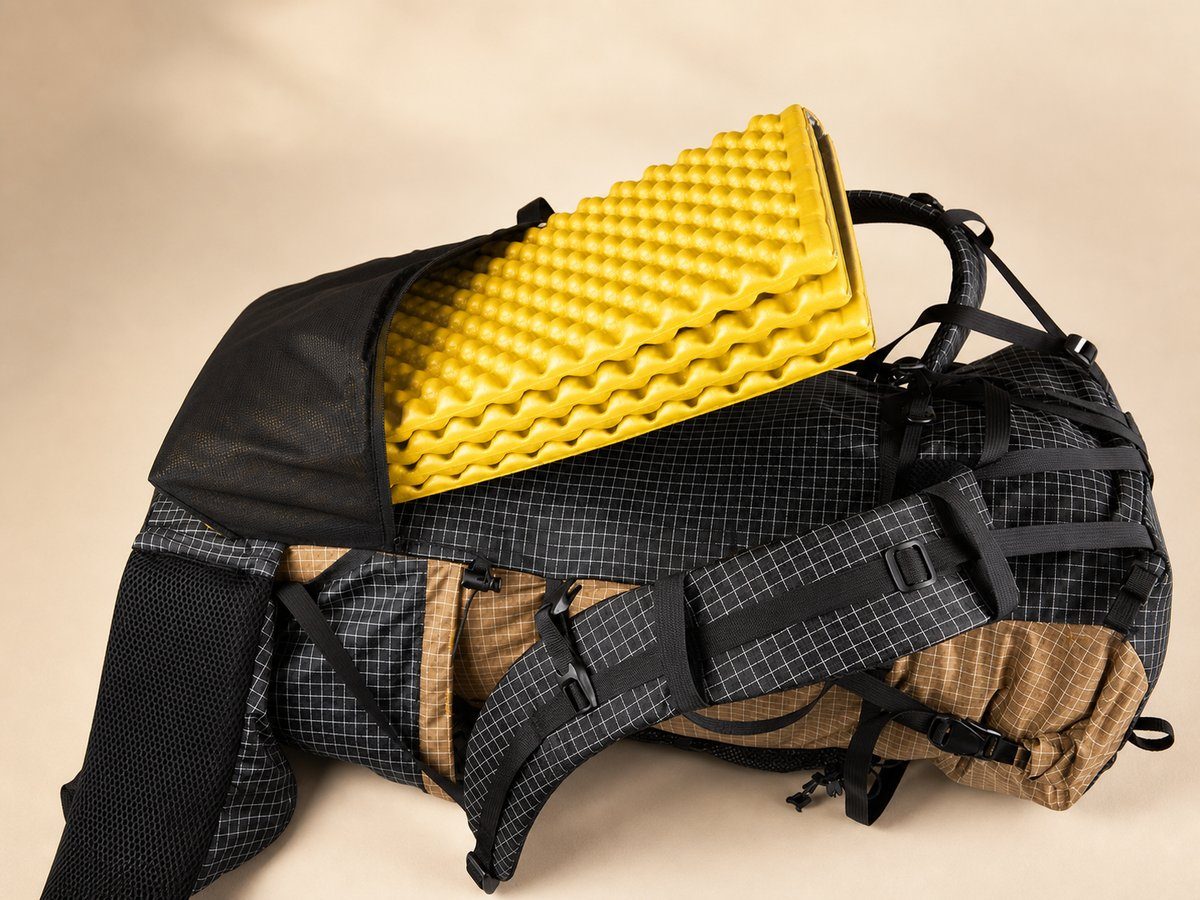
Is the fabric any good?
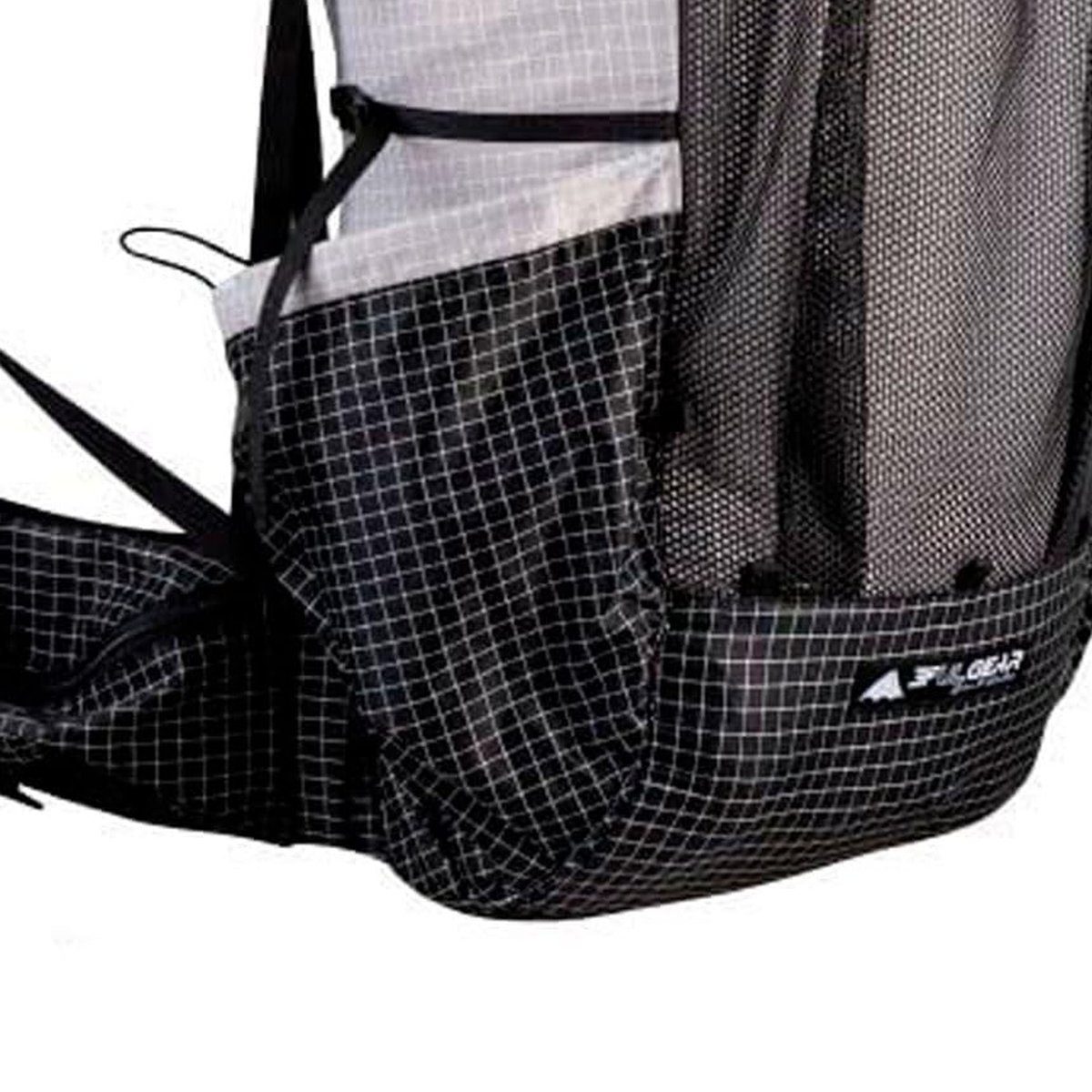
The body is a UHMWPE-nylon blend, and 3F UL Gear doesn't publish the fabric weight, which OutdoorGearLab points out. After inspecting it, OutdoorGearLab concluded it's as tough as or tougher than other packs made from economical UHMWPE nylon. That's the right comparison for a pack at this price, and it's a better result than I expected.
Storage is generous. OutdoorGearLab measured the main compartment at 53 L, a little under the advertised 56, and its table says each hipbelt pocket holds 10 Clif bars. Ten. The Gossamer Gear pack in the same table holds 6. The center mesh pocket is big enough that OutdoorGearLab fit 4 Smartwater bottles in it, and used it to dry out wet gear.
Here's the sum OutdoorGearLab ran, and I'll show the inputs. 31 oz over 56 advertised liters is 0.55 oz per liter, which it calls in line with some of the better packs it tested. Use the measured 53 L instead and it's 0.58. Either way, it's a lot of pack for the weight. A BearVault BV500 fits, rated Good.
What I couldn't find is long-term data: no owner mileage, no thru-hike teardown, no multi-season wear report. So treat long-trip durability as plausible and unproven. The fabric looks tough. Nobody has published what it looks like after 2,000 miles.
Who should buy it, and what instead?
OutdoorGearLab's own conclusion is blunt: despite the price, it isn't comfortable or adjustable enough for them to recommend. I'm a little more generous, for one reader. If your base weight is already under 10 lb, your loads stay under 20, the one size fits you, and price decides it, the Qidian Pro is a working sub-2 lb, 50-plus-liter pack in the $100-115 band on October 16, 2026.
Here's the comparison that changes the math. In the same OutdoorGearLab table, the Durston Kakwa 55 weighed 31.0 oz. The Qidian Pro weighed 31.0 oz. Identical. The Kakwa has a frame, comes in S, M and L, and costs more. OutdoorGearLab says the Kakwa offers much better value for its comfort and ease of use. If you can stretch the budget, that's the pack I'd look at first. OutdoorGearLab also names the Granite Gear Crown3 60 as an almost ideal entry-level ultralight pack, with a plastic back sheet for support.
Two more from the same table and nearby reviews. The Zpacks Arc Haul Ultra weighed 21.8 oz, much lighter and much pricier. And the Osprey Exos 58, a framed pack listed in the high $200s on Osprey's site, is about two and a half times the Qidian's price, with a big-brand guarantee behind it.
Nerd corner: where did 3F UL Gear save the money?
I like to ask this of every budget pack, because the answer tells you who it's for. Put OutdoorGearLab's findings side by side and the list writes itself.
What it cut: the frame. Lumbar padding on the belt. Sizes, down to 1. Working load lifters. A published fabric weight.
What it kept: a fabric OutdoorGearLab rates as tough as or tougher than its budget rivals. Big pockets, 10 Clif bars a side. A 53 L main compartment. And a weight claim that's right to within 1 gram.
Read that list again and the buyer appears. Every cut hurts comfort under load. Every keep helps a hiker whose load is already light. If your kit is under 20 lb and you fit the size, the cuts barely touch you. If it isn't, they're all you'll notice. That's the review in two lists.
Pros
- 880 g claimed, 879 g measured by OutdoorGearLab: an honest spec
- OutdoorGearLab rates the UHMWPE-nylon fabric as tough as or tougher than other budget UHMWPE packs
- 53 L by OutdoorGearLab's measure, hipbelt pockets that hold 10 Clif bars each, BV500 fits
- $100-115 on Amazon (2026-10-16)
Cons
- OutdoorGearLab scored comfort 5 of 10 and doesn't recommend it
- One torso size; the hipbelt was almost too long on a 32 in waist
- Hipbelt padded only at the ends; weak load lifters
- No published long-term durability data
Key Specifications
- Frame
- Frameless, removable foam pad in sleeve
- Volume
- 56 L advertised; 53 L main compartment measured (OutdoorGearLab)
- Weight
- 880 g maker; 879 g / 31.0 oz measured (OutdoorGearLab)
- Materials
- UHMWPE ripstop nylon (denier not advertised)
- Torso sizes
- One size (fits roughly 170 to 190 cm height)
- Bear canister
- BearVault BV500 fits, rated Good by OutdoorGearLab
Get one honest gear take every Friday.
One email a week: new reviews, one gear pick with my reasoning, and nothing sponsored. Confirm your address and you get my printable 2-page backpacking gear checklist.
You'll get a confirmation link first, and nothing else arrives until you click it. Every email has a one-click unsubscribe. How your email is handled
Why trust BestForBackpacking
Honest gear advice for backpackers, researched, weighed, and recommended.
Every pick is based on deep research: a synthesis of long-term owner reports, independent reviewer tests, and manufacturer specs, weighted by source independence, specificity, and use-case match. Brooke Wilder is our gear editor, the editorial persona who turns that research into a clear recommendation.