
Backpacking Tents
Big Agnes Copper Spur UL2 Review: The Roomiest Freestanding UL 2P Tent at Its Weight
Last updated: June 2026
The Big Agnes Copper Spur UL2 is a freestanding 3-season tent built for two adults who want space to move without paying a serious weight penalty. At roughly 3 lbs, it costs you about 24 oz more than the lightest semi-freestanding 2P shelters. Whether that tradeoff is worth making depends on what you value: versatile pitch spots, independent entry for both occupants, and room to actually sit up are what you are paying for.
 By Brooke6 min read
Share this post
Send it to someone who's planning a trip.
Setup and Design
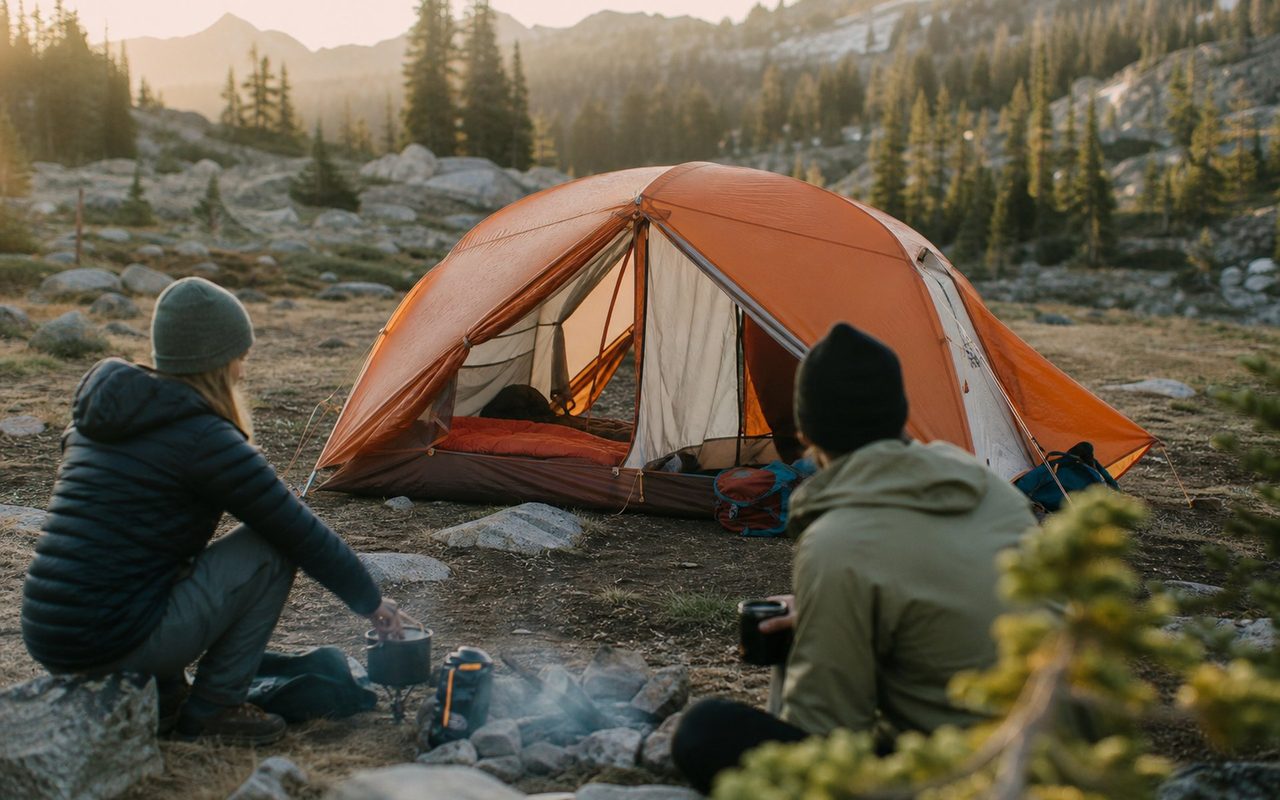
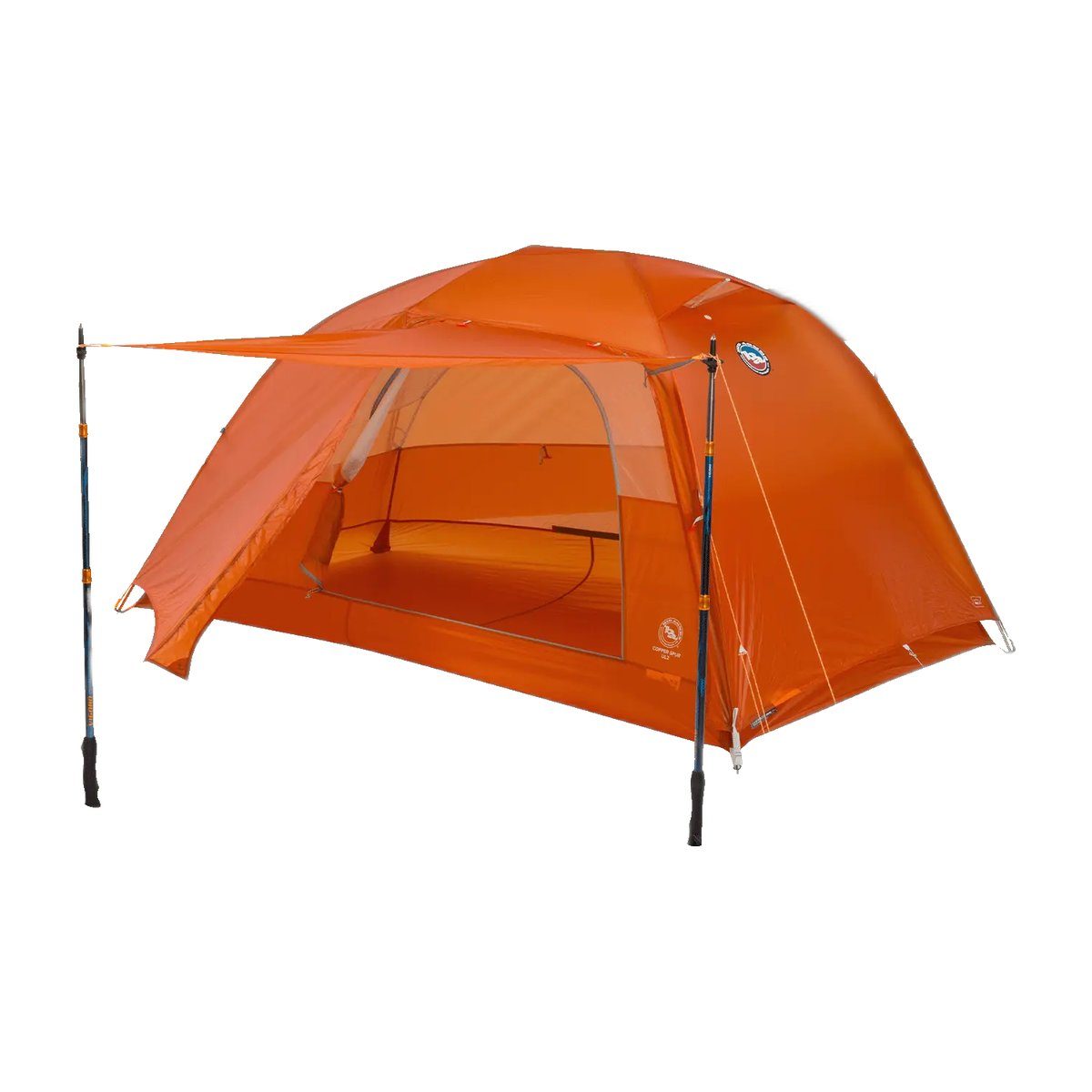
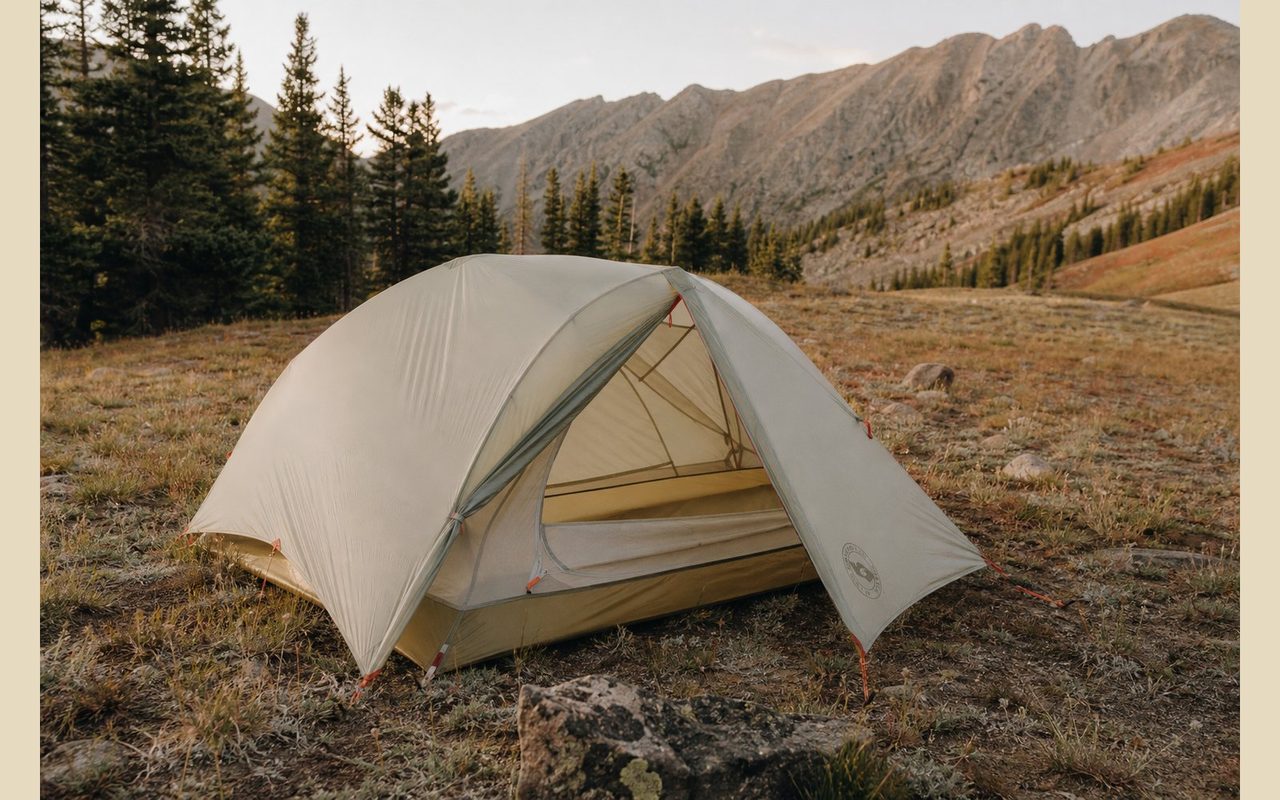
The Copper Spur UL2 is fully freestanding: the dome holds its shape before the fly is staked out. That matters on rocky ledges, wooden tent platforms, and hardpack desert where stakes will not bite. Solo setup takes five to ten minutes; two people can do it in three. DAC Featherlight NFL aluminum poles thread through continuous sleeves and click into corner grommets. The process is consistent and repeatable.
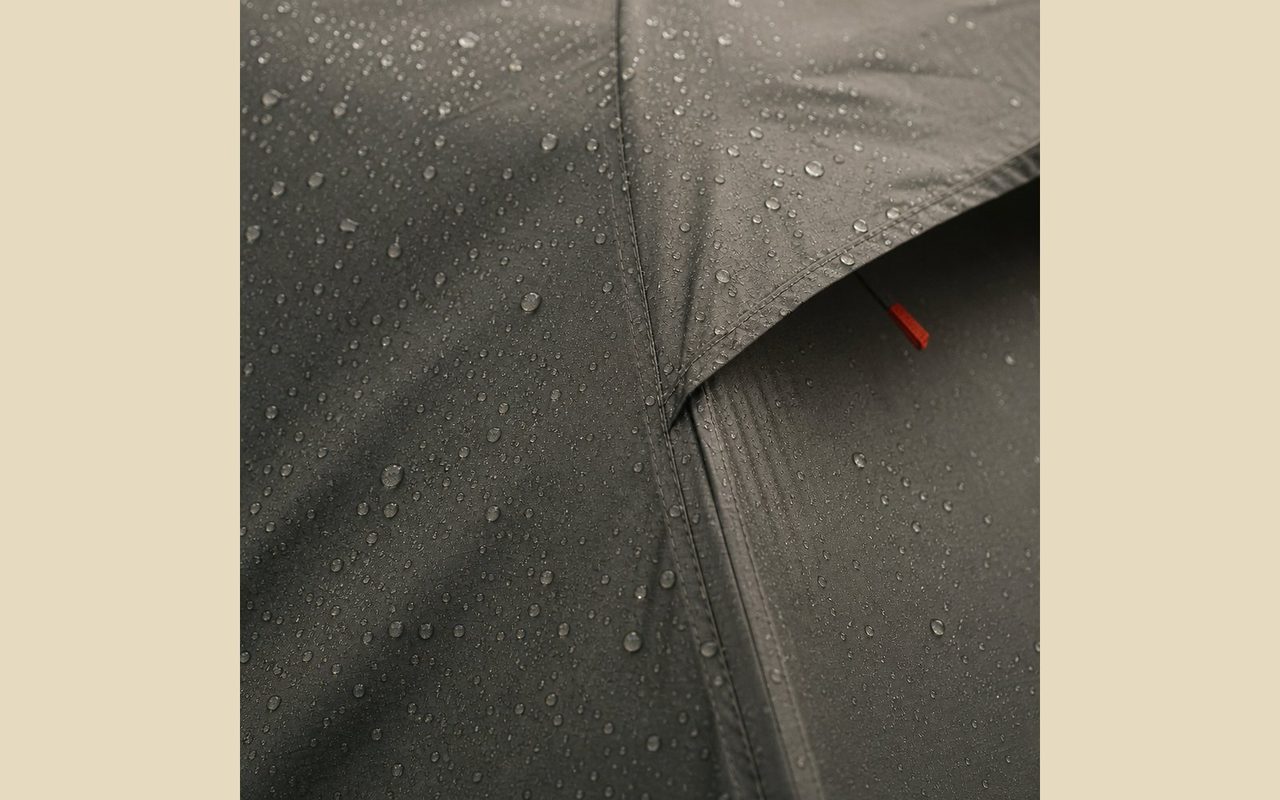
The current generation uses Big Agnes's HyperBead coating on the nylon ripstop fly. Per Big Agnes product documentation, HyperBead is lighter, stronger, and more waterproof than earlier DWR treatments. Both manufacturer and REI confirm this is the current production model and not a carry-over from the previous HV UL2 generation.
Interior and Livability
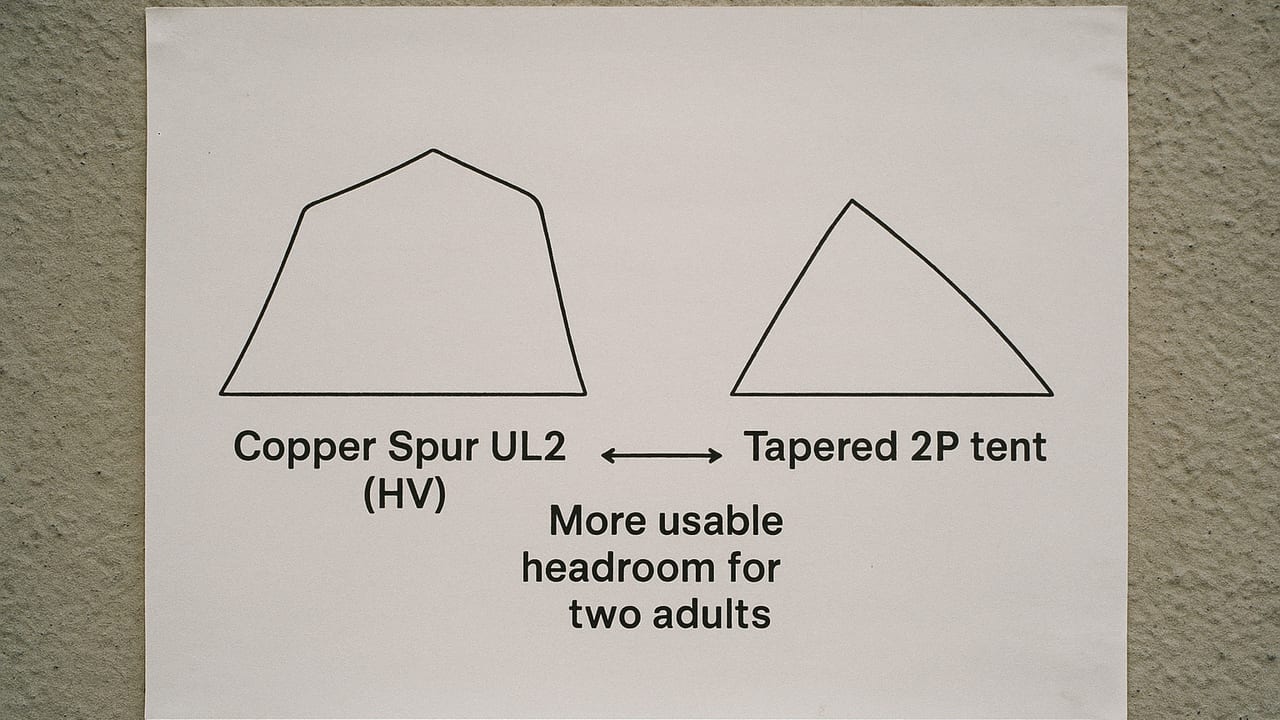
The HV (High Volume) designation means more vertical walls compared to the standard Copper Spur line. For two adults, this translates to usable headroom at the center of the tent and a floor plan that can fit two 25-inch sleeping pads side by side. Switchback Travel describes the interior as offering impressive livability for its weight, and OGL lists it as a top-performing UL 2P design.
By comparison, the Tiger Wall UL2 and NEMO Hornet Elite Osmo 2P taper more aggressively toward the edges, which creates a snug-for-one situation when two adults are inside. The Copper Spur gives both occupants room to change clothes, organize gear, and sit up without pressing against the mesh inner.
Condensation is the honest trade-off in any double-wall tent with an all-mesh inner, and the Copper Spur is no exception. The mesh allows airflow and prevents warm, moist breath from being trapped inside the sleep space, which is a genuine benefit over solid-inner designs. The cost is that mesh provides no barrier between sleeping bags and the fly interior. On cold nights with high ambient humidity and no breeze, condensation accumulates on the fly's inner surface and can drip onto gear or transfer to sleeping bag shells that press against the mesh walls.
In wetter climates like the Pacific Northwest, the Smokies in fall, and high-humidity settings in general, owners consistently note needing to manage this actively: cracking both vestibule doors an inch or two overnight to promote airflow, keeping sleeping bag insulation away from the mesh walls, and shaking the fly clear of pooled moisture before packing. In dryer intermountain climates, condensation is a minor nuisance. In consistently humid environments, it requires deliberate management to keep sleeping gear dry.
Weather Performance
The Copper Spur UL2 handles 3-season conditions reliably. OGL and Switchback Travel both report solid performance in sustained rain and typical backcountry weather. The HyperBead fly coating is confirmed as an improvement over prior DWR treatments per manufacturer documentation, and seams are factory taped.
The limits are worth stating directly. In sustained wind above 35-40 mph, the DAC poles flex visibly and the fly can contact the mesh inner at the top of the dome; at that point the double-wall separation is lost, and moisture on the fly transfers inward. Owners who camp in high-wind-exposure sites report this is manageable with all guy-out points fully tensioned and a sheltered pitch, but the tent is not designed for open ridgeline or above-treeline camping in shoulder seasons where overnight gusts in that range are common.
Wet snow accumulation is another hard limit. The pole system is not built to carry significant snow load, and more than a few inches of wet, heavy snow can bow the structure. A surprise overnight dusting or early-fall snowfall at moderate elevation is within range; sustained winter conditions or deliberately chosen above-snowline camping are not. Below freezing, condensation on the fly interior can freeze overnight and drip as temperatures rise in the morning, which matters for a cold-night-to-warm-morning pack-out.
Durability and Materials
The fly and floor use a thin, lightweight nylon ripstop at the light end of 3-season tent fabrics. For comparison, the MSR Hubba Hubba NX uses a heavier floor construction that absorbs rocky campsite abrasion with less risk of puncture. On the Copper Spur, a footprint is not optional on rocky or abrasive terrain: owners who skip it on granite slabs and coarse gravel report surface scuffs, micro-abrasion, and in some cases small punctures after one or two seasons of regular use. For maintained tent pads and soft soil, the floor holds up to normal use.
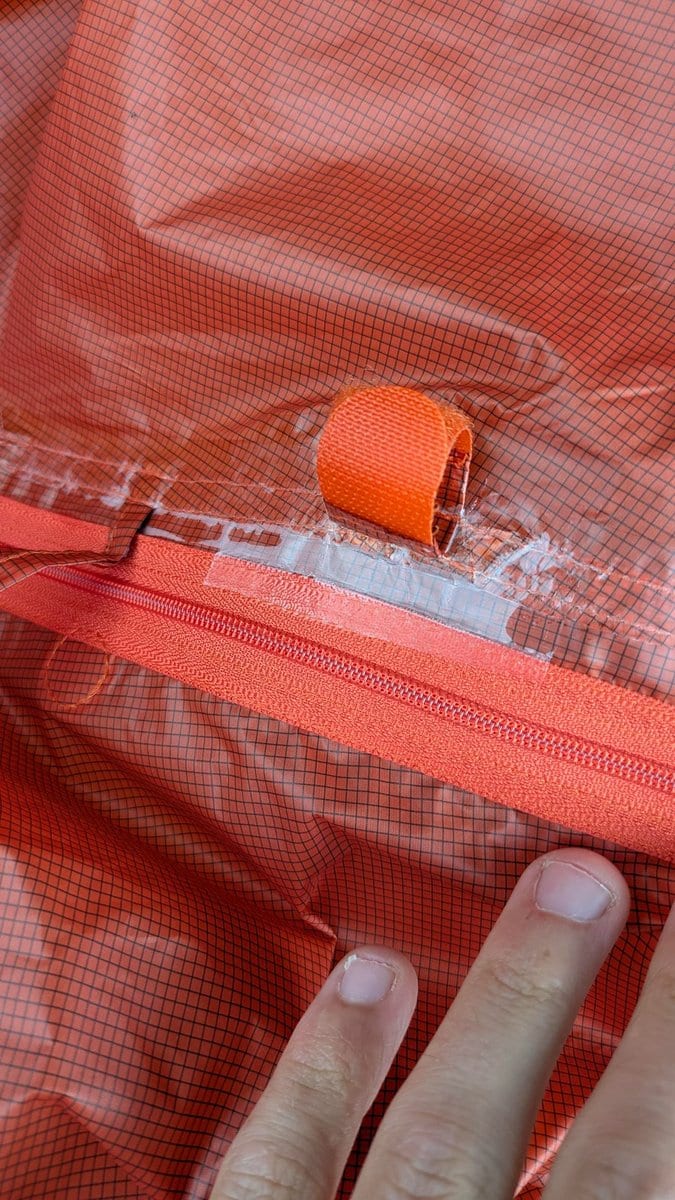
The door zippers are the most commonly cited long-term wear point. On heavily used UL tents in this weight class, the slider coils stretch and begin to separate after extended use, typically after three or more full seasons of regular trips or one to two seasons on a thru-hike schedule. This is a category-wide pattern, not unique to the Copper Spur. Big Agnes covers zipper failure under warranty, and long-term owners consistently report that warranty service is responsive: repair or replacement rather than store credit, with fast turnaround.
The pole hub where the three DAC shafts converge at the apex is a stress concentration point under repeated wind-flex cycles. Under normal sheltered 3-season use, the hub holds up for years without issue. Owners who regularly camp in high-wind-exposure sites or push the tent beyond its 3-season design range have reported stress cracking at the hub junction over multiple seasons. If you plan on exposed or high-wind camping regularly, this is worth monitoring.
Big Agnes offers a limited lifetime warranty. Specific coverage terms are at bigagnes.com/pages/warranty.
Who It's For, and Who Should Skip It
The Copper Spur UL2 fits two adults who plan to share both the carry and the cost on 3-season trips. That is the use case where the freestanding design, dual-door convenience, and interior room pay off most clearly.
If you prioritize weight above other factors, the NEMO Hornet Elite Osmo 2P saves roughly 24 oz or more and costs less. You trade freestanding pitch flexibility and interior volume for significant weight savings. For backpackers targeting sub-2 lb per-person shelter weight, it is the more logical choice.
If budget is the primary constraint, the MSR Hubba Hubba NX runs roughly $200-250 less and adds more floor durability through heavier fabric construction. It weighs about 8 oz more than the Copper Spur. For established trail systems with prepared tent pads, the extra weight rarely matters.
If you want a lighter freestanding option, the Big Agnes Tiger Wall UL2 saves roughly 12 oz and costs about $100-150 less. It is semi-freestanding, which means a more involved pitch process on hardpack and rock, but most backcountry campsites with normal soil are not a problem.
Solo backpackers should look elsewhere. Carrying roughly 3 lbs alone for a 2-person shelter is hard to justify when the Tiger Wall UL2, Hornet Elite Osmo 2P, or any number of ultralight single-wall shelters exist at lower weight and cost.
Pros
- Freestanding design pitches on rock slabs, platforms, and hardpack where stakes are not an option
- Two independent doors let each occupant enter and exit without waking or climbing over the other
- HV vertical walls provide sitting headroom for two adults, where tapered alternatives slope toward the floor faster
- HyperBead fly holds up in sustained rain per independent testing by OGL and Switchback Travel
- Dual vestibules store two full packs, one per door, without piling gear inside the sleep area
Cons
- At roughly $575-625, costs more than the Tiger Wall UL2 (~$450-500) and more than the Hubba Hubba NX (~$350-400)
- Weighs roughly 24 oz more than the NEMO Hornet Elite Osmo 2P; not competitive for weight-first buyers
- Thin, lightweight floor requires a footprint on rocky or abrasive terrain to avoid punctures
- Solo buyers carry full weight for a shelter designed for two
Key Specifications
- Fly
- HyperBead nylon ripstop
- Doors
- 2
- Seasons
- 3
- Capacity
- 2-person
- Vestibules
- 2
- Freestanding
- Yes
More from Backpacking Tents
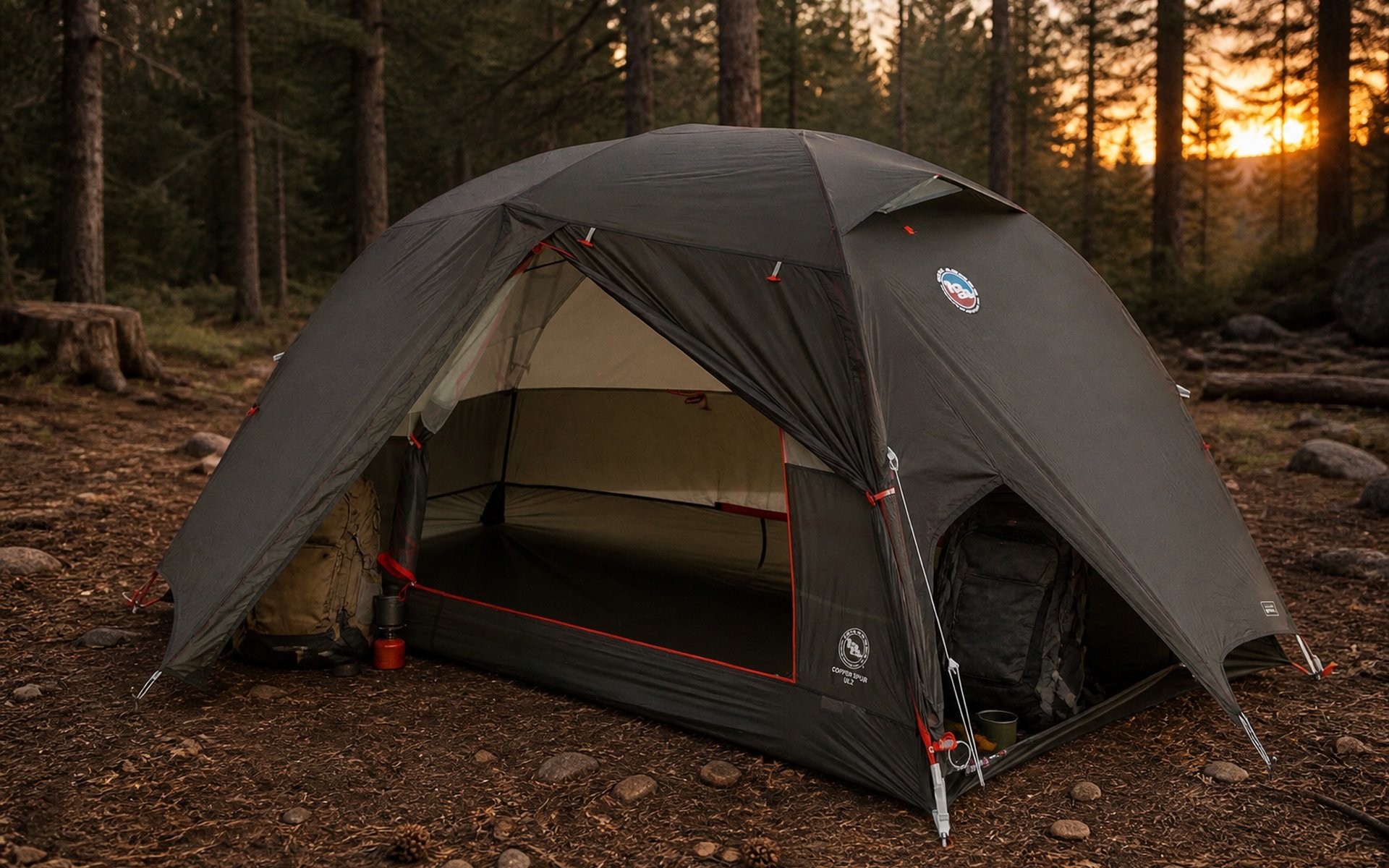
Big Agnes Copper Spur UL2 vs NEMO Dragonfly OSMO vs Tiger Wall UL2 vs Hornet OSMO 1P: The Best Ultralight Backpacking Tents of 2026
Copper Spur UL2, Dragonfly OSMO, Tiger Wall UL2, Fly Creek UL1 and Hornet OSMO 1P compared on weight, space, setup, storm readiness and price. Different hikers walk away with different winners.
 Brooke Wilder
10 min read
Brooke Wilder
10 min read
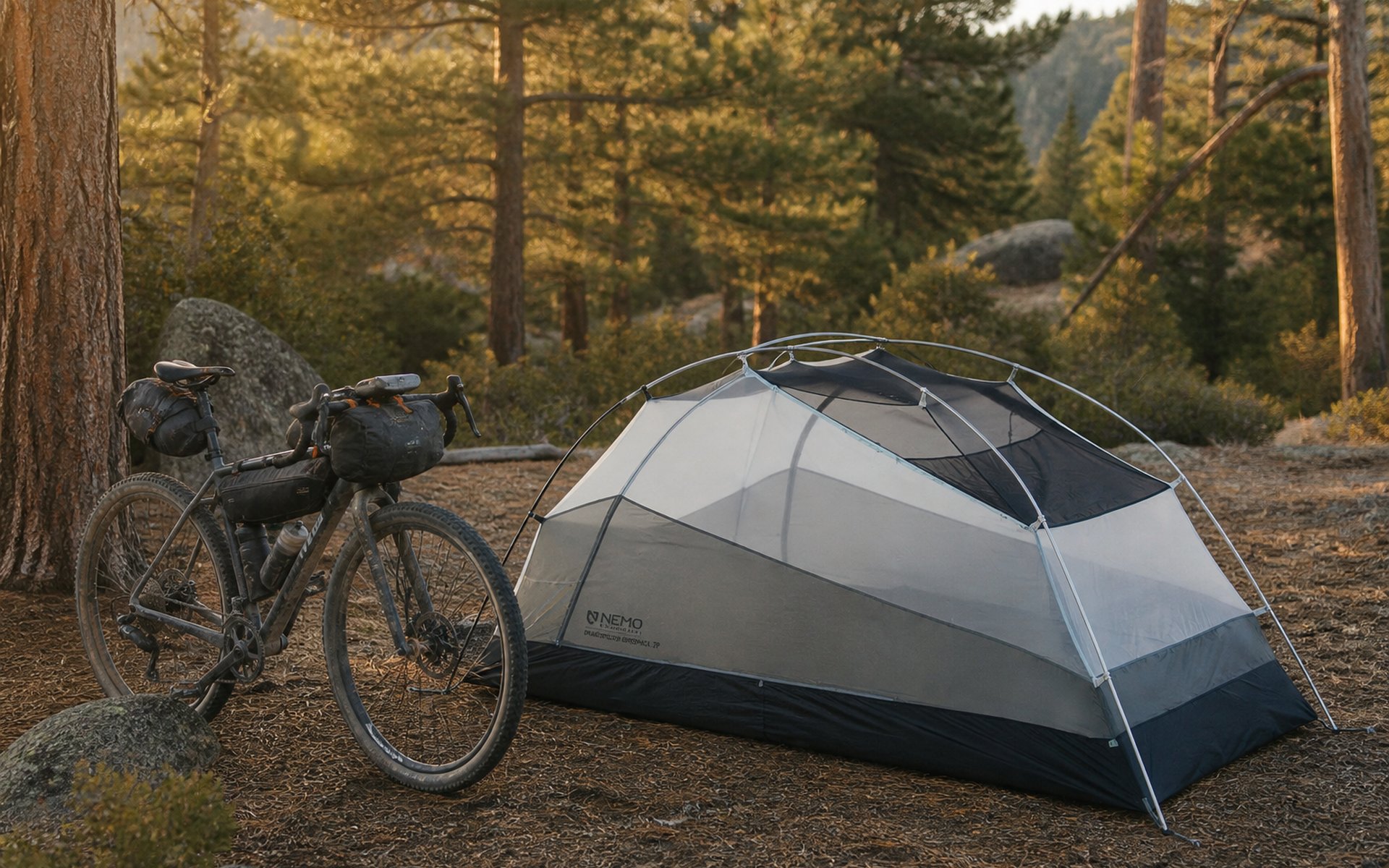
NEMO Dragonfly OSMO Bikepack 2P Review
A thoughtfully packed freestanding shelter for bikepacking pairs, but the premium and thin long-term evidence make it a niche buy.
Brooke Wilder
5 min read
Get one honest gear take every Friday.
No spam. Just gear picks, packing lessons, and notes from this week's research.
Why trust BestForBackpacking
Honest gear advice for backpackers, researched, weighed, and recommended.
Every pick is based on deep research: a synthesis of long-term owner reports, independent reviewer tests, and manufacturer specs, weighted by source independence, specificity, and use-case match. Brooke Wilder is our gear editor, the editorial persona who turns that research into a clear recommendation.