
Backpacking Stoves
SOTO WindMaster Review
Last updated: August 2026
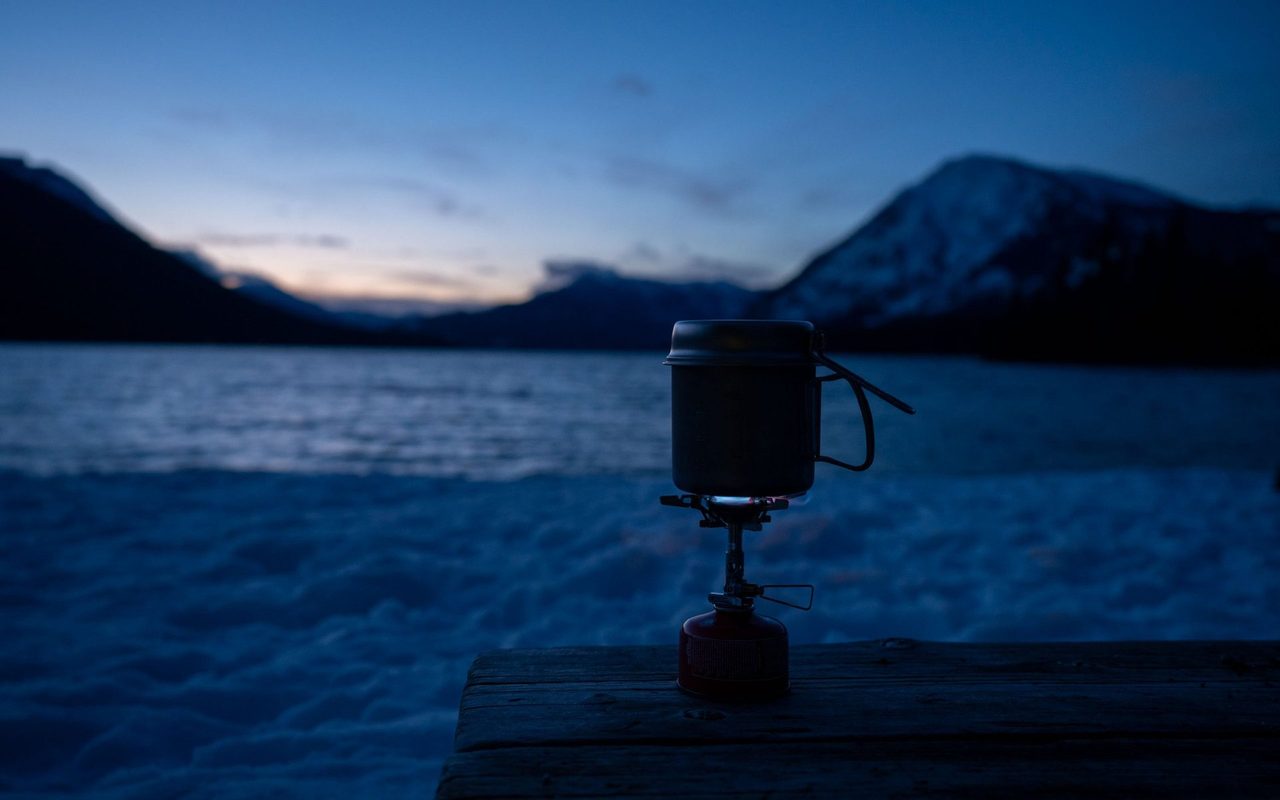
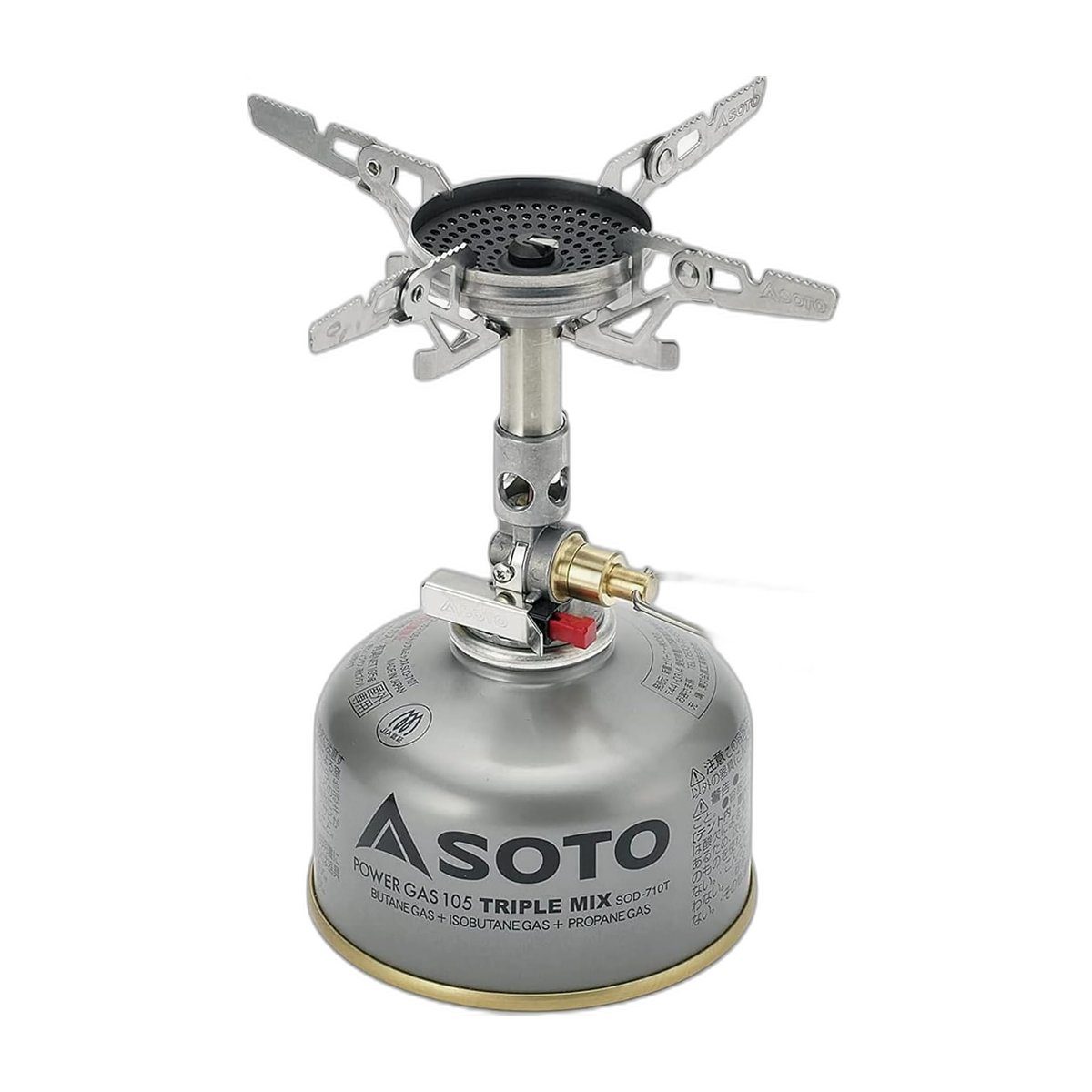
The SOTO WindMaster with 4Flex makes a clear trade: it gives up a little of the simplicity and tiny packed size of minimalist upright burners to gain better wind tolerance, a broad pot platform, and a low flame you can actually use. SOTO identifies the current model as the OD-1RXN, with a built-in windscreen, Micro Regulator, piezo ignition, and removable 4Flex support. OutdoorGearLab and BIKEPACKING both found it unusually capable in wind and at a simmer for this stove class. It is not windproof, and the regulator does not turn an upright canister stove into a winter system. For solo or two-person backpackers who cook real food at breezy camps, though, the extra hardware earns its place.
 By Brooke5 min read
Share this post
Send it to someone who's planning a trip.
Who the SOTO WindMaster Is For
The WindMaster fits backpackers who want more than a fast mug of water. SOTO's current OD-1RXN configuration pairs its burner and Micro Regulator with the removable 4Flex, giving solo and two-person cooks a broader platform for small pots, wider cookware, and meals that need a low flame. OutdoorGearLab says the support accommodates cookware larger than 1 liter, while BIKEPACKING reports using pots up to 2 liters without support deflection. Neither source provides a certified load rating, so stable ground and sensible pot size still matter.
This is a particularly good match for weeknight meal cooks, shoulder-season hikers staying within upright-canister limits, and backpackers who expect exposed or breezy camps. It also makes sense for someone who finds three-arm minimalist supports too fussy under a wider pot.
Skip it if every fraction of an ounce matters more than cooking range. BIKEPACKING notes that the removable support can nest poorly in narrow solo pots. A smaller upright burner is easier to pack, while an integrated system is the better direction when your routine is almost entirely boil, pour, and wait.
Wind Performance Without the Hype
The recessed burner and built-in windscreen are the WindMaster's main advantage, but the right word is resistant, not immune. In OutdoorGearLab's fan testing, fuel efficiency dropped by about 15 percent, and exposed camps produced much slower boils. BIKEPACKING's informal hairdryer test roughly doubled its usual boil time and gas use. Those methods are not directly comparable, but both point to the same conclusion: the stove keeps working better than many open burners, while wind still extracts a real penalty.
That distinction matters when planning fuel. OutdoorGearLab measured about 0.24 ounces of fuel per boil in its test and rated the WindMaster slightly above average rather than first in efficiency. Water volume, starting temperature, cookware, flame setting, and shelter all change the result, so that number is evidence from one test, not a trip calculator.
Use terrain or a safe wind break when conditions turn rough. Do not wrap an upright canister in a tight screen that traps heat around the fuel. The WindMaster reduces wind frustration, but it does not suspend normal canister-stove safety.
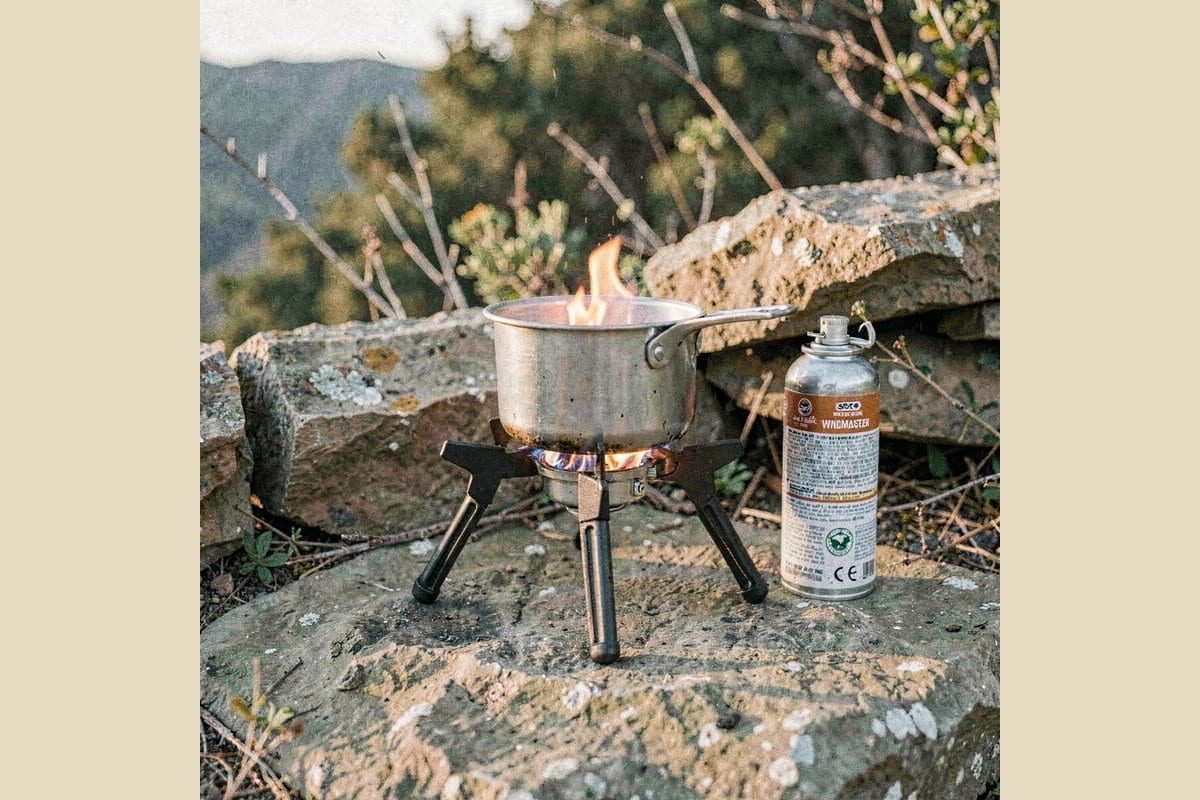
Simmer Control and Real Cooking
Both independent reviews found a genuinely useful low flame. OutdoorGearLab could hold the burner barely above off, although its tester found the valve sensitive. BIKEPACKING described the multi-turn adjustment as smooth and reported a stable simmer. That disagreement is useful: the control range is there, but the feel may not suit every cook.
The close burner-to-pot spacing also deserves attention. BIKEPACKING warns that food can scorch when left unattended. Start low, stir often, and use cookware that spreads heat reasonably well if dinner is thicker than soup. The WindMaster gives you more control than a boil-only setup, not permission to walk away from the pot.
The integrated piezo is convenient rather than essential. OutdoorGearLab reported reliable ignition across many trips, and BIKEPACKING reported dependable use over six months as well as the availability of a piezo rebuild kit. Those are encouraging reports, not a lifetime guarantee. A small backup lighter remains basic stove kit.
Weight, 4Flex, and Packed Size
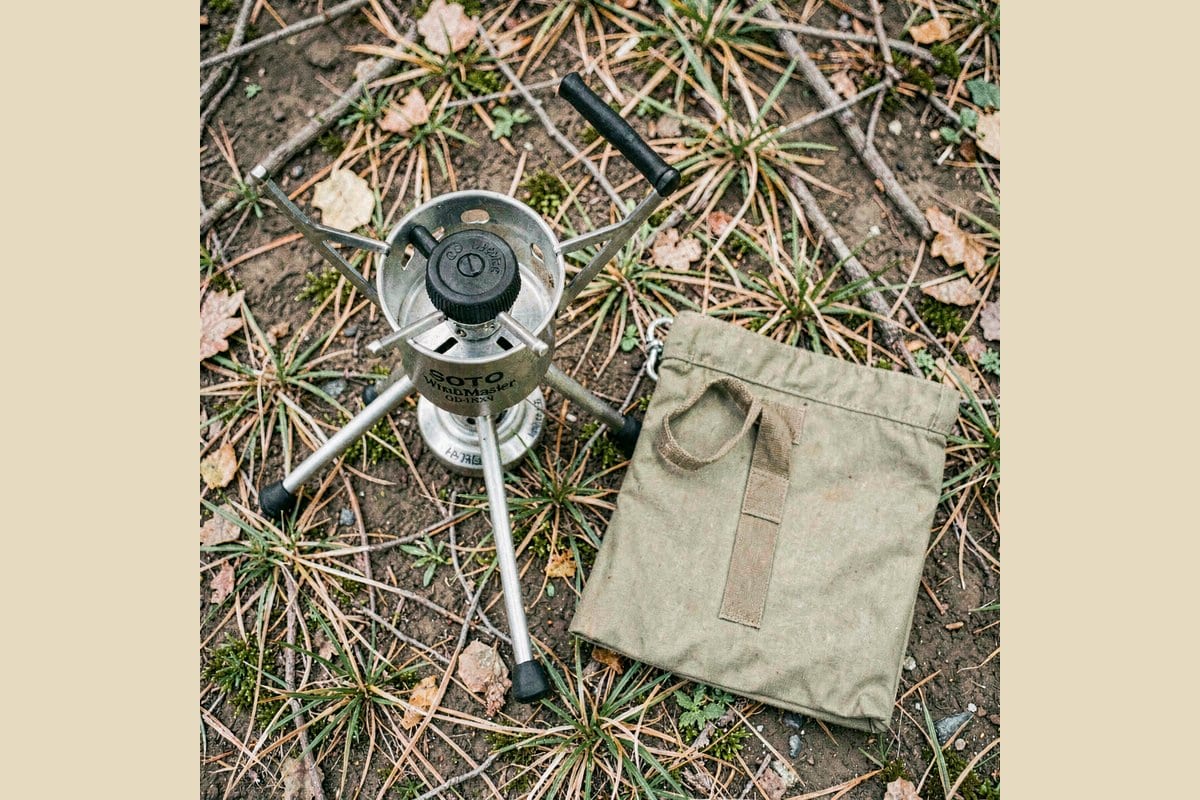
There is no honest single weight to print without naming the basis. OutdoorGearLab measured 3.8 ounces with the storage bag. BIKEPACKING reported 3.1 ounces, or 87 grams, with the 4Flex. The sources do not resolve why those totals differ, so both measurements belong with their stated configurations instead of being blended into a made-up official figure.
OutdoorGearLab also gives useful system context at 6.8 ounces with a lightweight Toaks pot. That is one pot pairing, not a universal cook-kit weight. BIKEPACKING found the detached 4Flex bulky in narrow one-person pots, which is the practical cost of the broad support. Check your own pot diameter and nesting plan before assuming the burner, support, lighter, and canister will pack as one tidy unit.
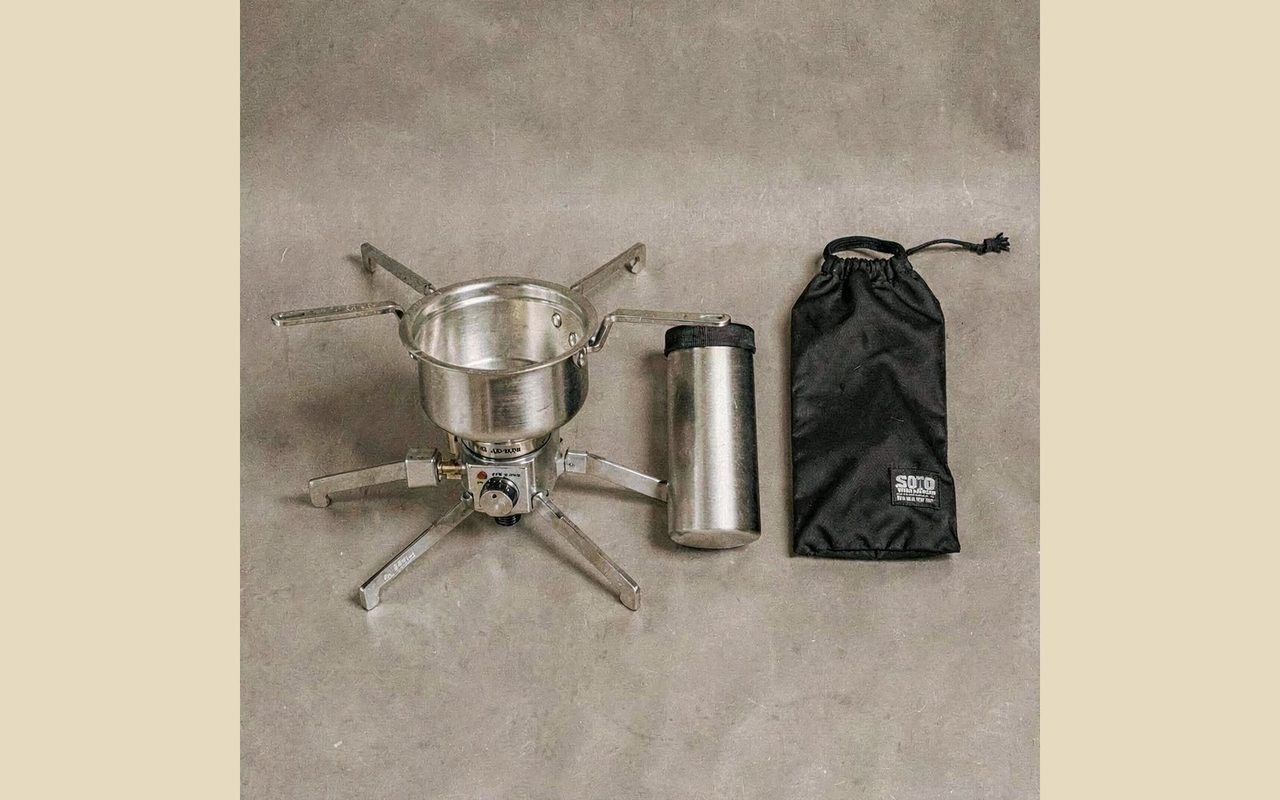
The support's removal is both clever and mildly annoying. It creates a sturdy cooking platform, then becomes a loose part at pack-up. Give it a dedicated place in the storage bag or cook pot so it does not disappear into duff at camp.
Cold Limits and Better Alternatives
The Micro Regulator manages flame output, but it cannot repeal the pressure limits of an upright fuel canister. BIKEPACKING observed performance slipping below about 5 C, or 43 F. That is one reviewer's field observation, not an official operating floor. Fuel blend, canister fill level, elevation, and temperature all affect pressure. If dependable cold-weather cooking is the job, look to a system designed for those conditions rather than asking this stove to be something it is not.
Choose the SOTO Amicus when lower cost, smaller packed size, and a simpler SOTO upright matter more than the WindMaster's strongest features. Choose a Jetboil Stash-style integrated system when simple boiling and system efficiency outrank low-flame cooking. A PocketRocket-class burner is the natural lighter and simpler comparison, but the available research does not provide a current matched test set, so a precise performance ranking would be false confidence.
The WindMaster earns its 8.5 score by solving the everyday problems that make tiny burners irritating: wind, narrow supports, and blunt flame control. It stops short of a higher mark because the 4Flex is loose and bulky, efficiency is good rather than class-leading, and cold remains a canister problem.
Pros
- Strong wind tolerance for an open upright canister stove
- Usable low simmer for cooking beyond boil-only meals
- Broad 4Flex support handles varied cookware
- Integrated piezo ignition keeps setup simple
- Micro Regulator supports steady flame adjustment in typical three-season conditions
Cons
- Removable 4Flex support adds a setup step and is one more piece to keep track of
- Bulkier to pack than the smallest upright canister burners
- Wind still slows boiling and increases fuel use
- Cold canister pressure remains a limit despite the regulator
- Fine valve adjustment can feel sensitive
Key Specifications
- Ignition
- Integrated piezo
- Pot support
- Removable four-arm 4Flex
- Current configuration
- SOTO OD-1RXN WindMaster Stove with removable 4Flex
- Stove type and burner
- Upright threaded-canister stove with built-in windscreen and Micro Regulator
- Reported weight, BIKEPACKING
- 3.1 oz / 87 g with 4Flex
- Measured weight, OutdoorGearLab
- 3.8 oz with storage bag
More from Backpacking Stoves
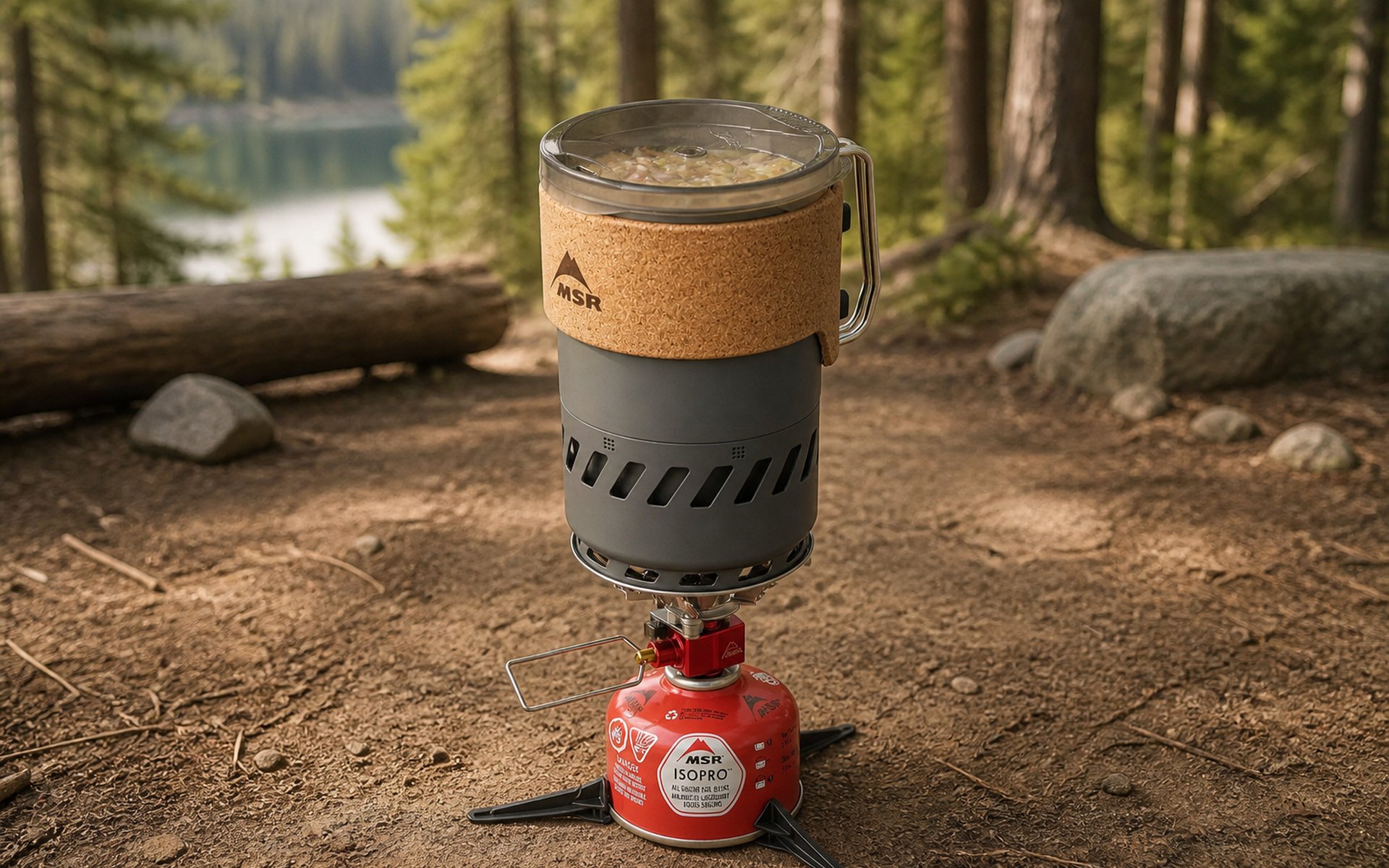
MSR Switch Stove System Review: Worth It for Real Trail Cooking?
The MSR Switch earns its weight with true simmer control and two cookware modes. It is a strong pick for trail cooks, but overkill for boil-only backpackers.
 Brooke Wilder
6 min read
Brooke Wilder
6 min read
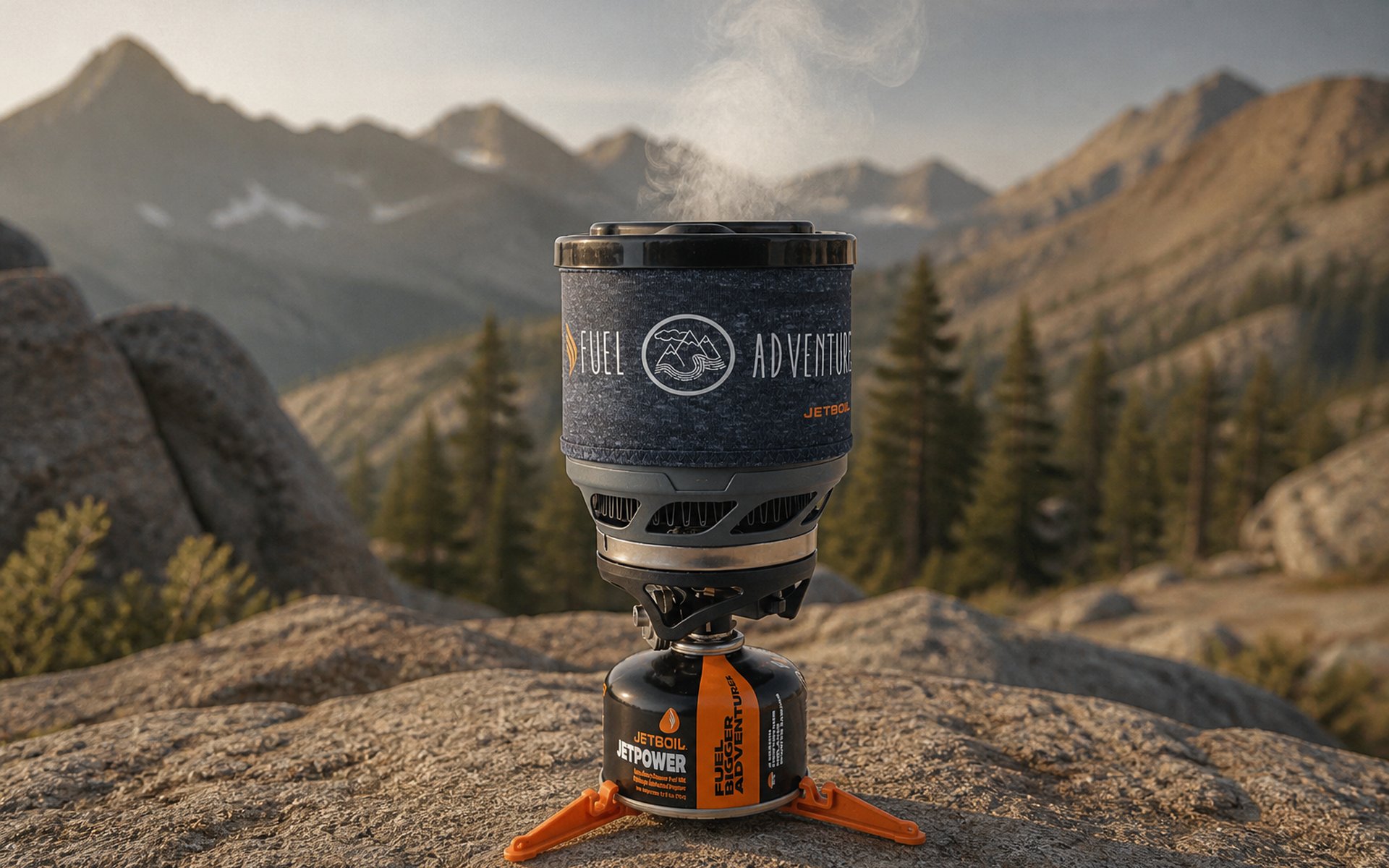
Jetboil MiniMo Cooking System Review
Jetboil MiniMo: integrated stove with real simmer control and cold-weather regulation. Full review, specs, and buy-or-skip verdict.
 Dhaval Parekh
6 min read
Dhaval Parekh
6 min read
MSR WindBurner Personal Stove System Review: Built for Wind, Not Flexibility
A strong boil-only choice for windy camps, with a real weight penalty and little cookware freedom.
Brooke Wilder
6 min read
Get one honest gear take every Friday.
No spam. Just gear picks, packing lessons, and notes from this week's research.
Why trust BestForBackpacking
Honest gear advice for backpackers, researched, weighed, and recommended.
Every pick is based on deep research: a synthesis of long-term owner reports, independent reviewer tests, and manufacturer specs, weighted by source independence, specificity, and use-case match. Brooke Wilder is our gear editor, the editorial persona who turns that research into a clear recommendation.