
Guide
Essential Backpacking Gear for Solo Female Travelers
Last updated:
A practical, no-nonsense kit for the woman backpacking alone: satellite communication, spray you can legally carry, door locks and alarms that do a real job, theft-proof organization, and a headlamp you can trust in the dark.
 By Brooke7 min read
Share this post
Send it to someone who's planning a trip.
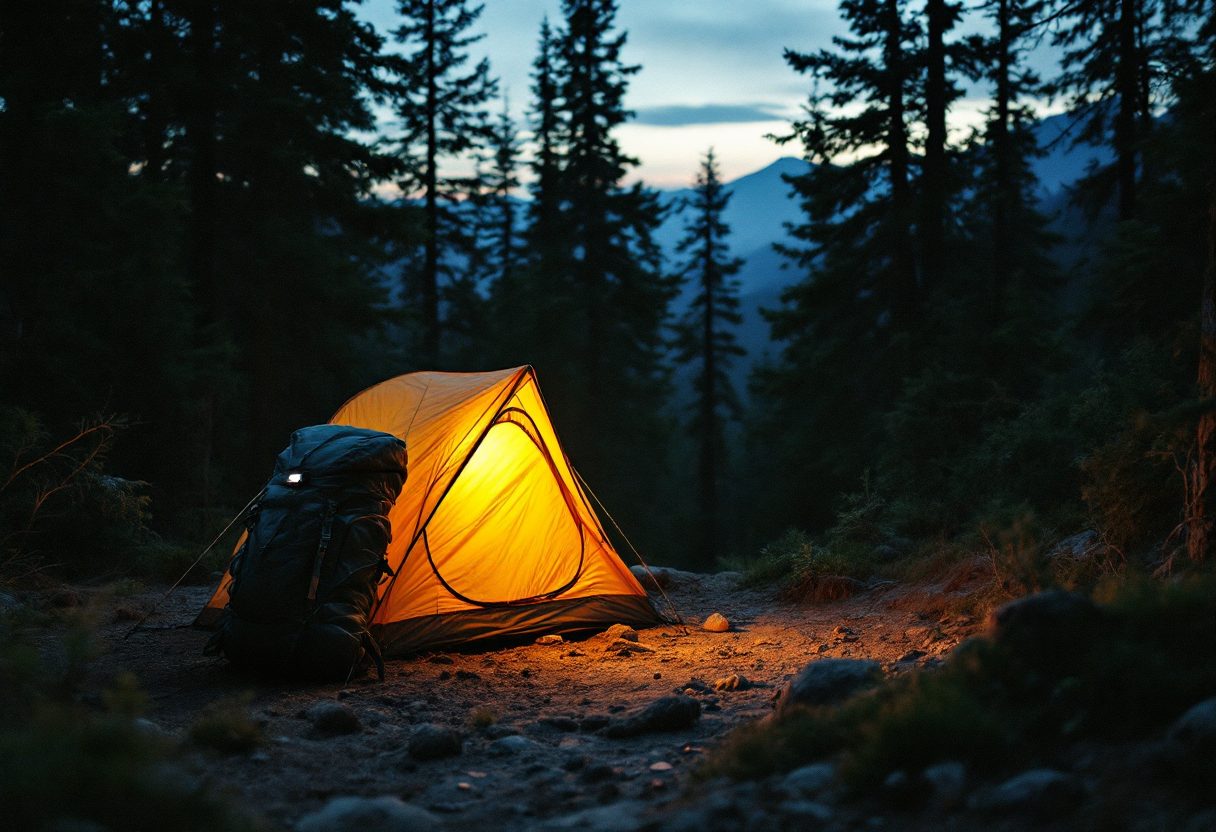
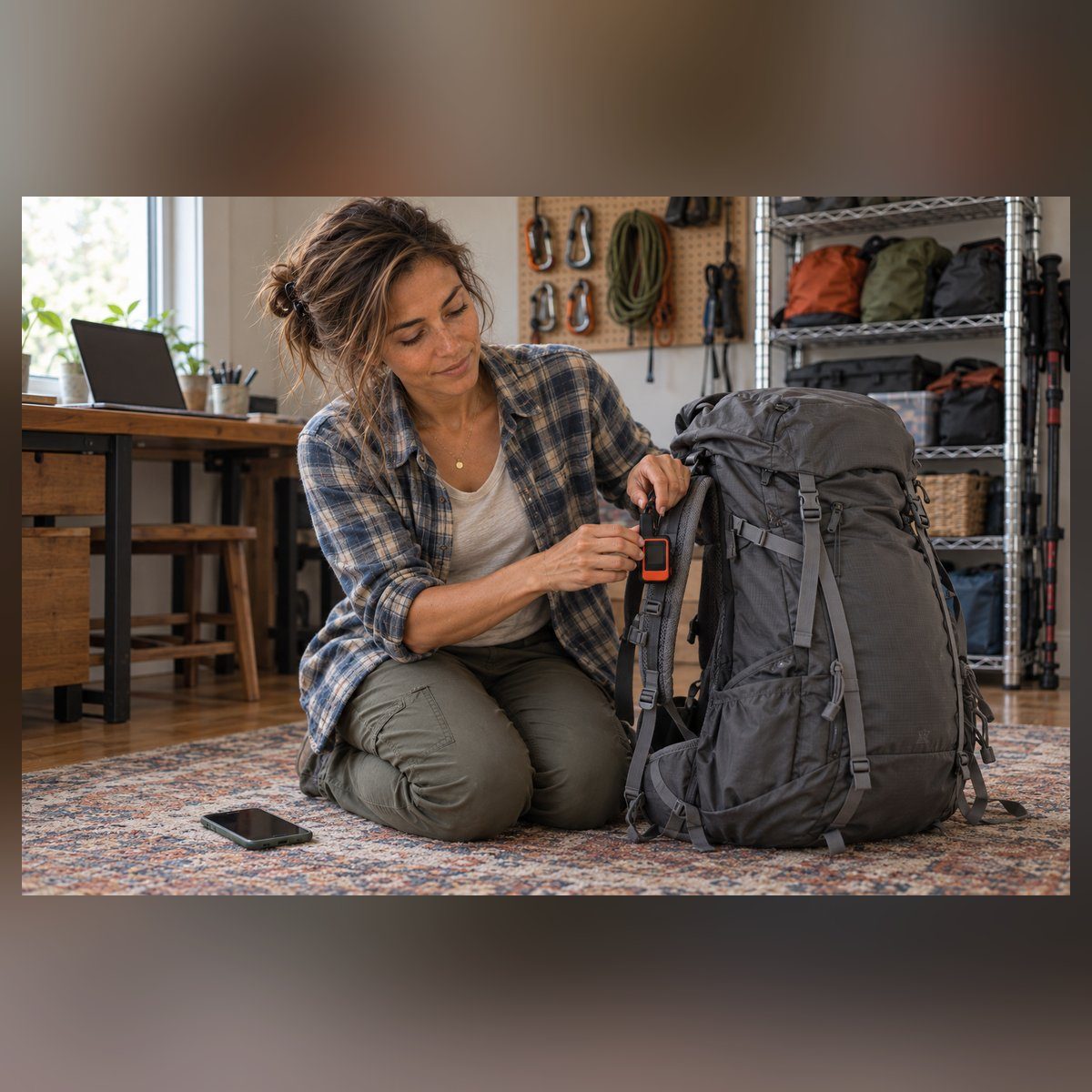
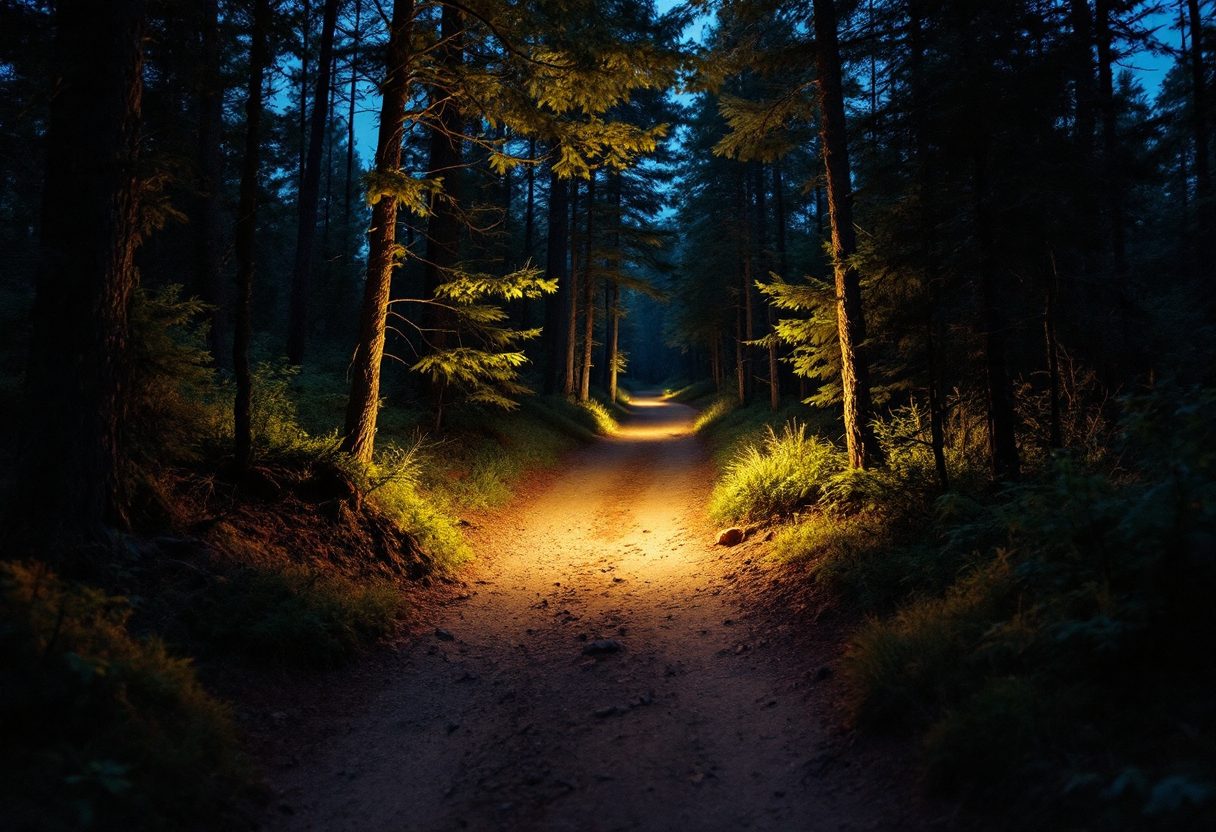
Emergency communication: the one item you cannot improvise
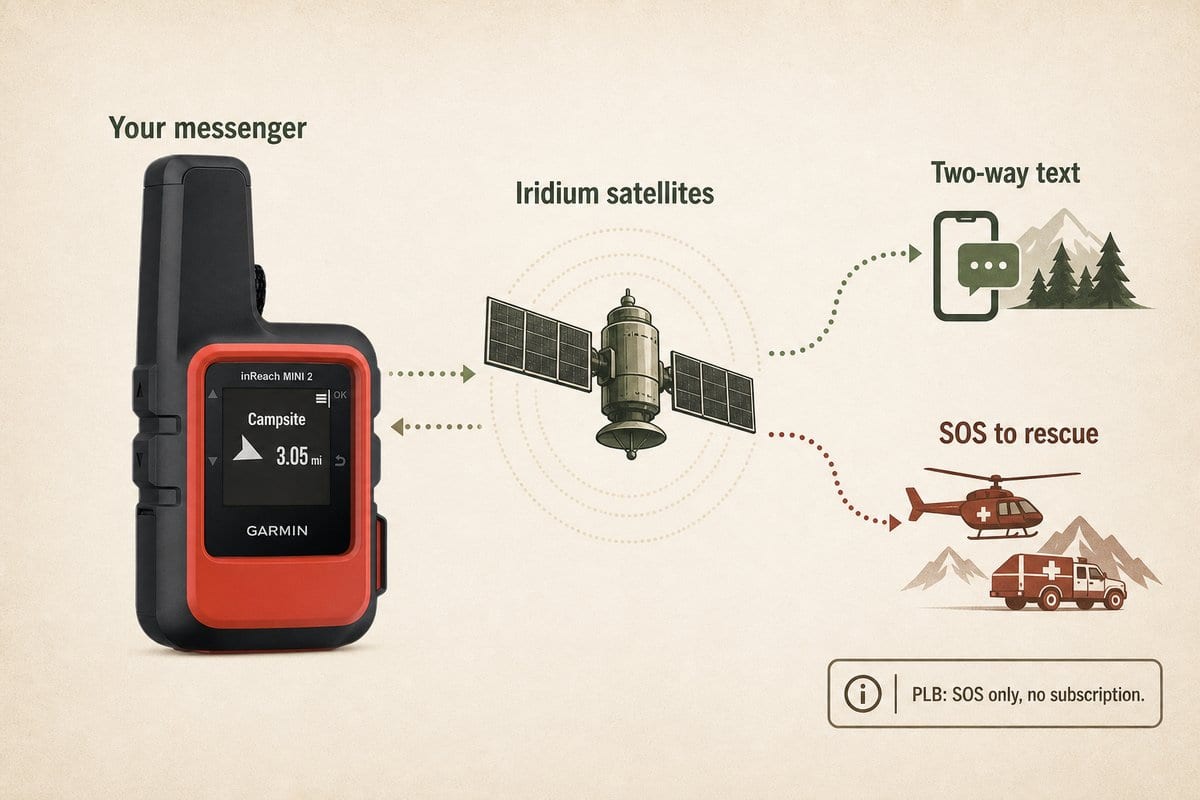
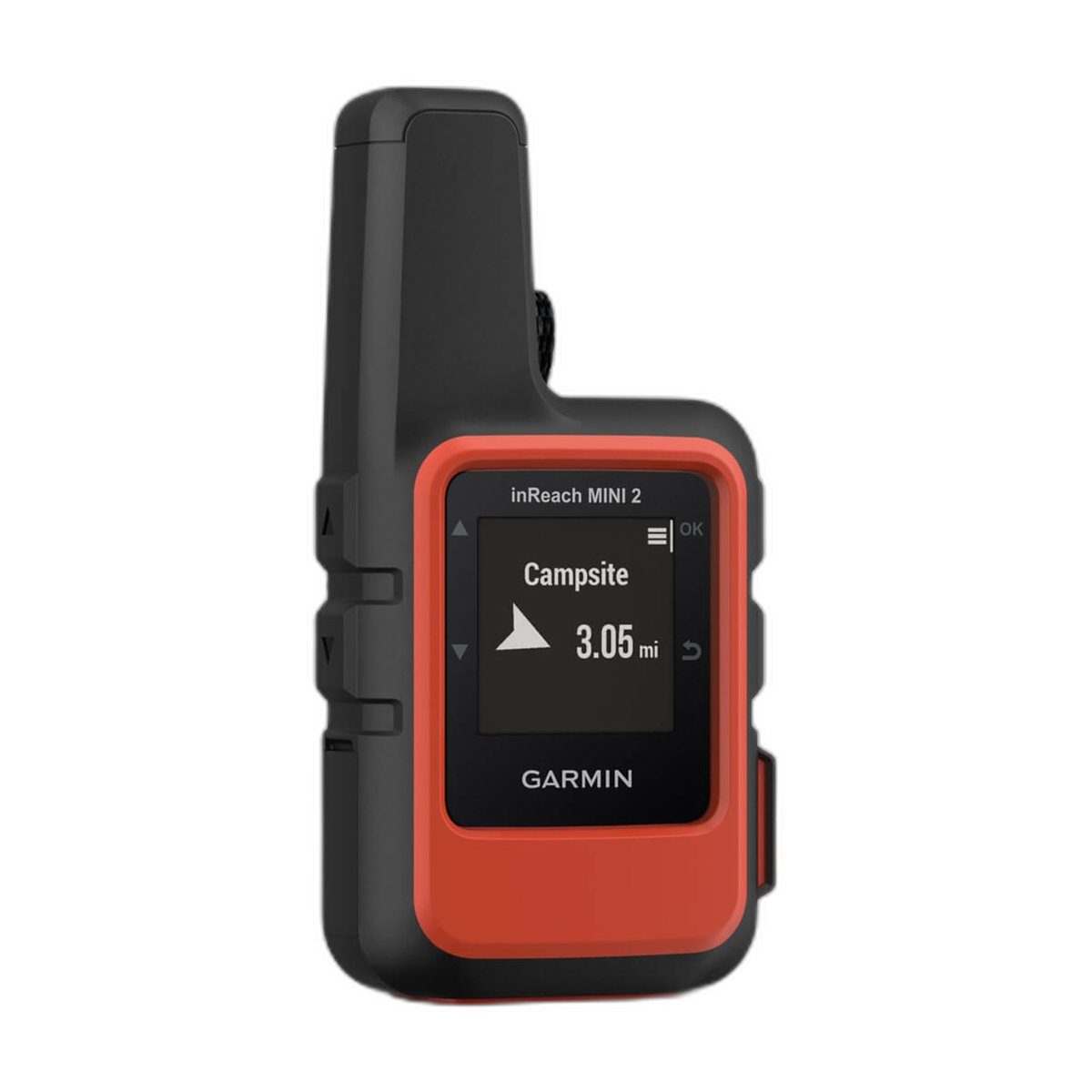
When your phone shows no bars on day three, the difference between a bad day and a rescue is usually one device. The single most useful piece of safety gear a solo backpacker can carry is a satellite communicator, and the current standard is the Garmin inReach Mini 2. It weighs about 3.5 ounces, sends two-way text messages over the Iridium satellite network, and gives you a physical SOS button that routes straight to a 24/7 emergency response center. A 1250 mAh battery keeps it running up to 14 days on 10-minute tracking, which is roughly two and a half times the endurance of the first Mini.
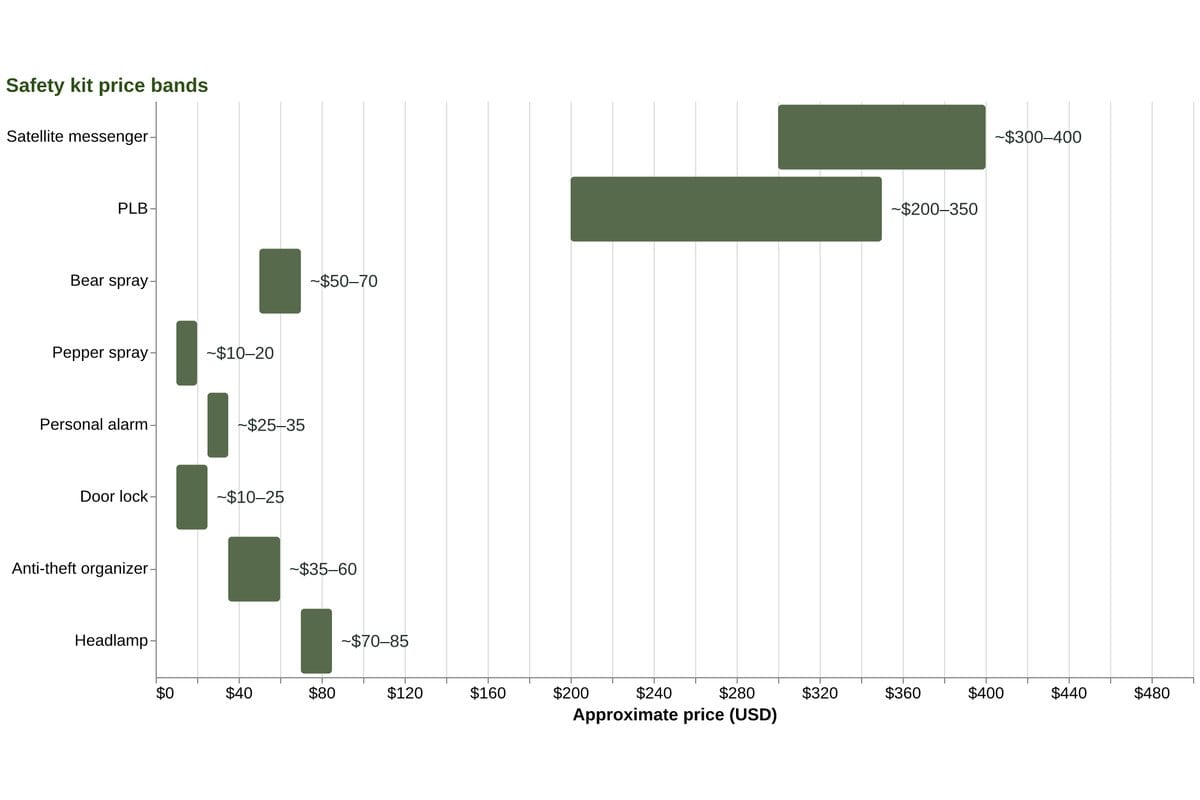
A personal locator beacon (PLB) is the cheaper alternative: no screen, no texting, no subscription, just an SOS signal and your GPS position. A good PLB runs 200 to 350 with no monthly cost, versus a satellite messenger device around 300 to 400 plus a 15 to 50 a month plan. That subscription is the honest trade: you pay it all year, or you activate and cancel by the month and accept a gap in coverage. For a woman who backpacks alone, even a few trips a year, the two-way text is worth more than the savings, because it lets you check in like you promised someone you would, and lets search and rescue ask you questions before they climb. The Mini 3 Plus exists with a color touchscreen, but reviewers consistently pick the Mini 2 for better battery life and lower weight, and we agree.
The to-the-point version: carry a satellite messenger for trips longer than an afternoon, carry a PLB if the subscription truly does not fit your budget, and wire the SOS drill into your first trip so the button is never a mystery.
Bear spray and pepper spray: what actually works, and what the law allows
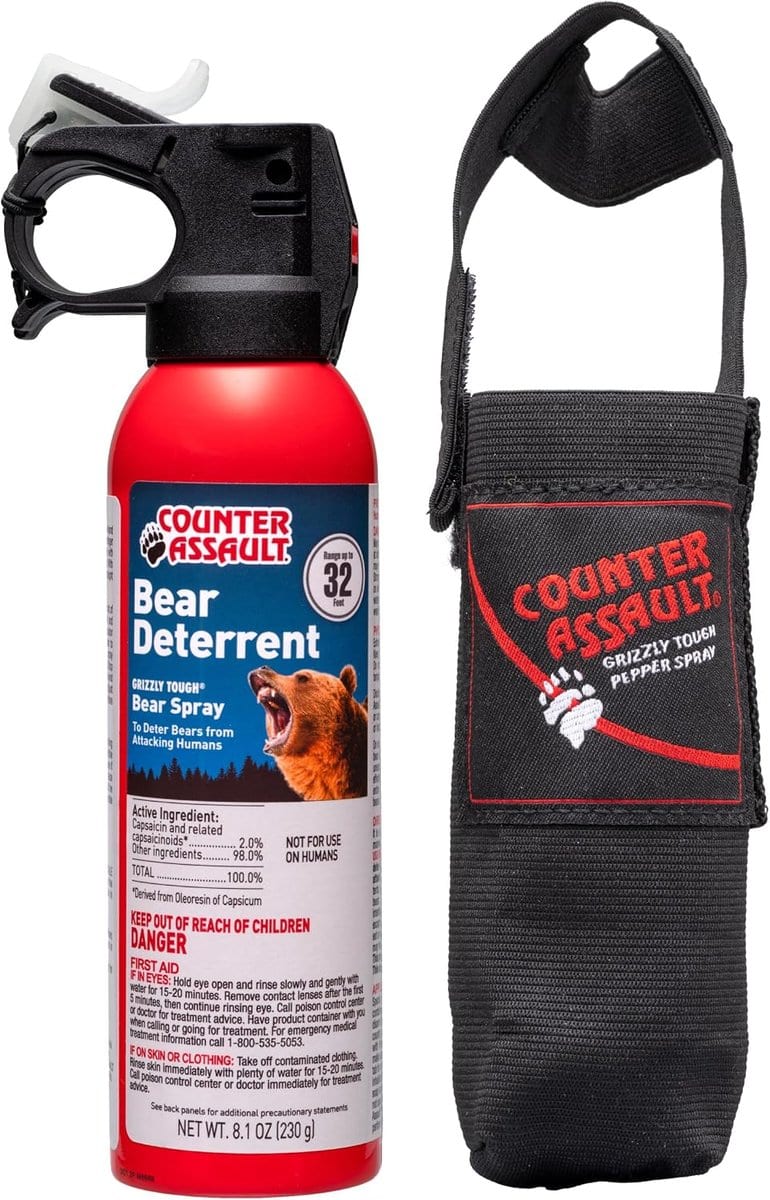
Wildlife defense and personal defense are two different cans, and confusing them is how plans break. In bear country, pack bear spray: a large canister with a 10.2-ounce charge and a wide fog that creates a moving wall between you and the animal. Counter Assault is the brand reviewers and rangers most often name, and a can sits in the 50 to 70 band. One note that pays for itself: bear spray has a shelf life around four years from the manufacture date, so check the date stamped on the can before you buy and before you rely on it.
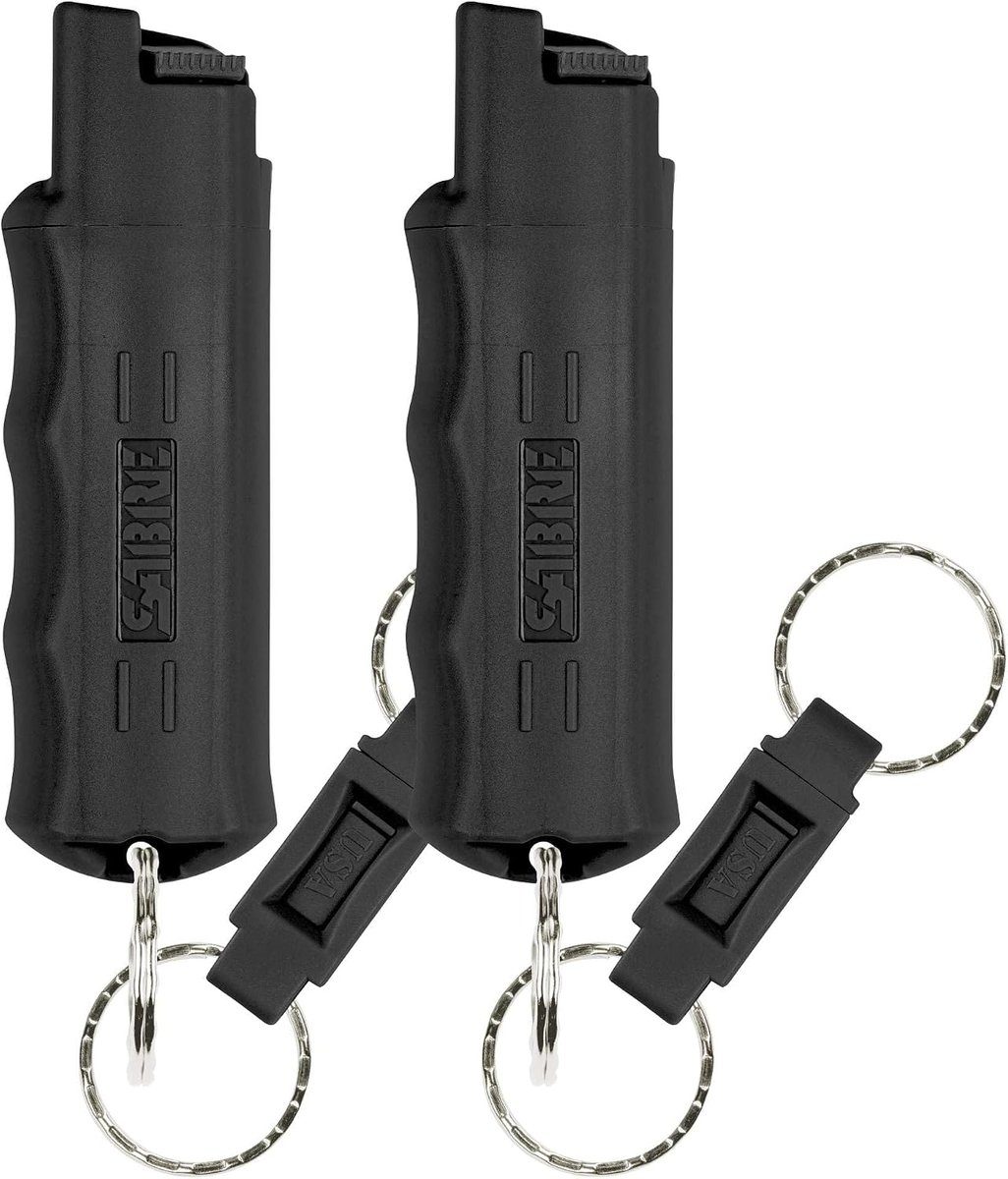
Pepper spray is the personal-defense tool: small, keychain-sized, and legal to carry in most states, with a roughly 10 to 20 price point. SABRE is the brand with the deepest track record, more than 50 years of pepper spray. Before you buy, check your destination state; a few states restrict formulation or size, and a handful of cities have their own rules. The rule that trips everyone up: neither bear spray nor pepper spray is allowed in a checked bag or a carry-on. Sort your transport before you fly.
Door locks and alarms: making a stranger's door yours
The night in town between trail chunks is where solo female travelers most often feel exposed, and the fix is cheap and mechanical. A portable door lock, the kind with a screw-in barrel and a stopper plate that slides under the lever, turns a standard hotel or hostel door into a door you decide opens or not. They run 10 to 25, weigh a few ounces, and pack flat in a side pocket. The honest caveat from hardware reviews: they work on standard inward-opening doors with lever handles, they do not work on sliding doors or outward-opening doors, and they list exactly one type of lock. Carry one plus a wedge for the doors they cannot grip.
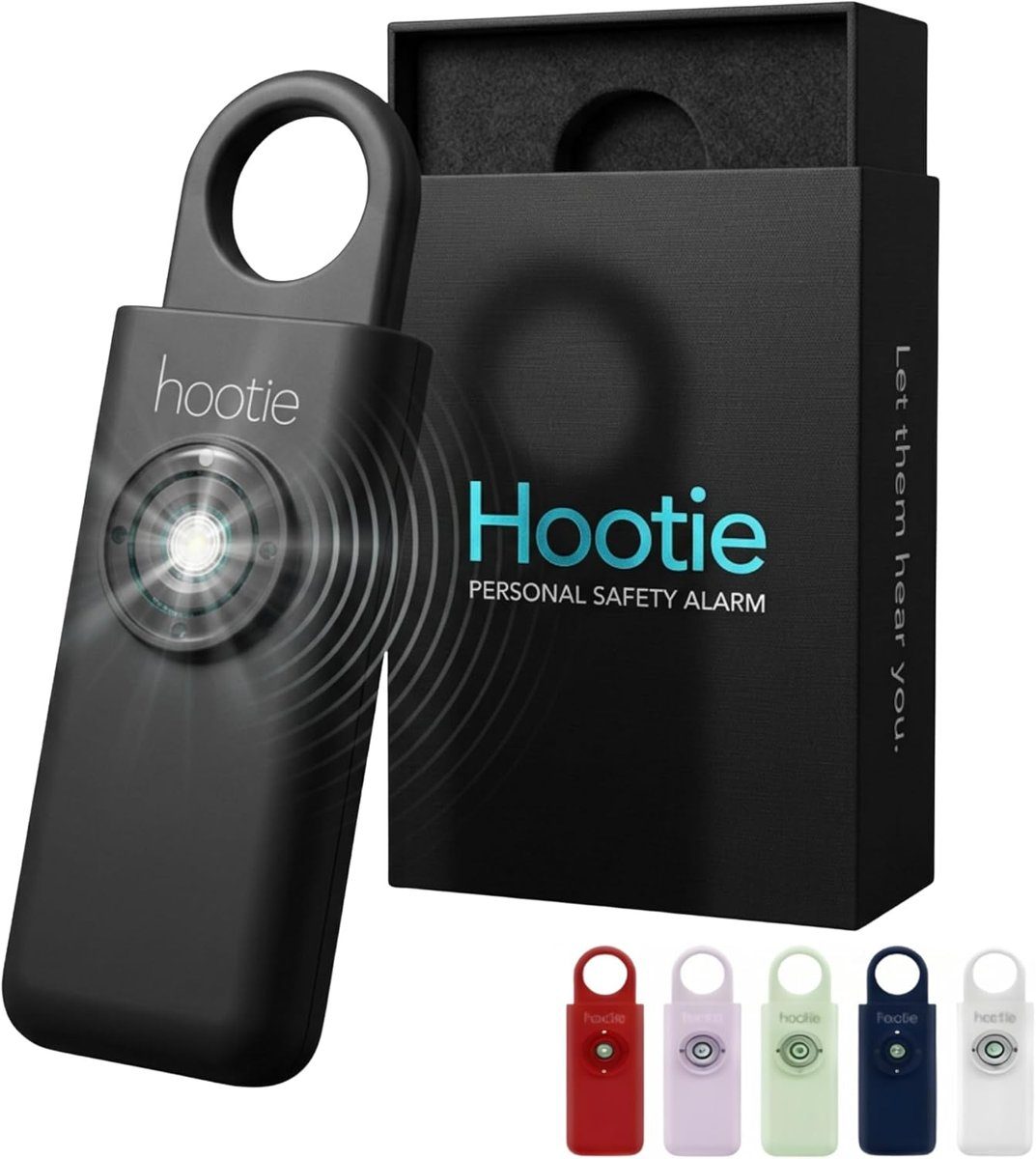
Next to the lock sits the personal alarm: a keychain-sized device that fires a 130-decibel alarm when you pull the pin. The noise will not stop a determined person, but it turns an invisible situation into a visible one, which is exactly what you want in a hostel hallway. Alarm options sit around 25 to 35, weigh just an ounce or two, and She's Birdie is the best-known brand in this lane. We could not verify its current product page on this round of checking, so treat that as a category recommendation: 130 dB, easy pin, replaceable battery, and practice pulling the pin once before you need it.
Carry it so it stays yours: anti-theft organization
A solo traveler has one pair of eyes, and the instant your pack leaves your back it is no longer yours. The category fix is lockable organization: a Pacsafe anti-theft organizer, with steel mesh, locking zippers, and a wire that anchors to a fixed point, keeps passport and phone and charger anchored while your pack sits across the room. Prices for good lockable organizers and pack protectors run roughly 35 to 60 in the band we could verify. Simpler and often enough: a locking carabiner through the zipper pulls, a stuff sack that disappears into the middle of the load, and the habit of never stowing a phone in an outside pocket.
Inside the pack, the same category is about knowing where the critical three live: the satellite communicator, the spray, and the headlamp. Give each one a permanent home, in the same pocket every trip, so that at any hour, half asleep, you can find them without a headlamp hunt. Organization is the easiest upgrade in the whole kit and the one that most prevents a bad decision made in a hurry.
Light that behaves: a headlamp you can trust in the dark
Solo camp gets dark earlier because there is no one to split the dusk chores with. A headlamp with a mixed beam, a red mode, and honest runtime is the workhorse. Our current pick from the headlamps guide is the Petzl ACTIK CORE: 625 lumens, IPX4 rain resistance, a dedicated red mode, and a USB-C rechargeable battery, in the 88-gram class and the 70 to 85 band. The things that matter for solo use specifically: a red mode you can reach without blasting white light, a lock function so it cannot come on in your pack and drain, and a battery plan you control. On multi-night trips that means a charging plan, because ACTIK CORE is rechargeable, not a replaceable-cell lamp.
The whole kit, by budget
The complete solo safety layer breaks down like this, per category, in price bands: a satellite messenger at 300 to 400 (or a PLB at 200 to 350 with no subscription), bear spray at 50 to 70, pepper spray at 10 to 20, an alarm at 25 to 35, a door lock at 10 to 25, anti-theft organization at 35 to 60, and a headlamp at 70 to 85. The full kit lands around 500 to 700 with the messenger, or 350 to 500 if you swap in a PLB. The trim path, if the messenger is genuinely out of reach this season: bear spray, pepper spray, the lock, and the headlamp run well under 200 and cover the most common single-threat moments. The messenger is the one piece we would not leave behind on anything longer than an overnighter, because it is the piece that cannot be improvised.
How we picked, and what we could not verify
We built these picks from manufacturer specifications, expert reviews, and community consensus, not from hands-on testing. We cannot claim to have used any of it on a trail, and neither should anyone read this as a lab verdict. Sources this round included Garmin's own specifications, independent reviews of the inReach Mini 2 and Mini 3 Plus, a Norway-based PLB overview, Counter Assault's manufacturer data, SABRE's brand material, and Pacsafe's product pages.
Be straight with you about the gaps: REI and Backcountry product pages blocked us, so several price bands lean on review-site and manufacturer references rather than live retailer pricing. Aggregate star ratings were thin this round, so treat public sentiment as single-source where it appears. And for two brand names here, She's Birdie and ACR Electronics, live product-page verification fell through, so those reads are category-level rather than model-specific. Prices move, so use the Check Price button for the live number and treat every band here as a snapshot from late September 2026.
Retailer links on this page are affiliate links. We may earn a commission if you buy, and your price doesn't change. How affiliate links work →
Gear spotlights
What we’re recommending
Top pick
Emergency communication
Garmin inReach Mini 2
The two-way text that lets you check in and call a rescue: 3.5 oz, up to 14 days on tracking mode, SOS button with 24/7 response center. The subscription is the cost of admission, but this is the piece that cannot be improvised.
Best in bear country
Bear spray
Counter Assault Bear Deterrent
The brand reviewers and rangers most often name: a 10.2-oz charge with a wide fog. Runs 50 to 70 and lasts about four years from the manufacture date, so check the date stamp.
Carry-everywhere protection
Pepper spray
SABRE keychain pepper spray
A small, keychain-sized canister at 10 to 20 from a brand with a 50-plus year record. Legal to carry in most states, but verify your destination state and never fly with it.
Night-in-town insurance
Personal alarm
130 dB keychain personal alarm
A pull-pin keychain alarm at 25 to 35 that turns an invisible situation into a visible one. She's Birdie is the best-known brand; the price band and spec are category-level because that product page would not verify this round.
Theft deterrent
Anti-theft organization
Pacsafe anti-theft organizer
Steel mesh, locking zippers, and an anchor wire so passport and phone stay yours while your pack sits across the room. Expect 35 to 60 in the verified band.
Solo camp workhorse
Headlamp
Petzl ACTIK CORE
625 honest lumens, IPX4, a red mode you can reach in the dark, and USB-C charging at 70 to 85. Rechargeable, so plan your charging on multi-night trips.
Get one honest gear take every Friday.
One email a week: new reviews, one gear pick with my reasoning, and nothing sponsored. Confirm your address and you get my printable 2-page backpacking gear checklist.
You'll get a confirmation link first, and nothing else arrives until you click it. Every email has a one-click unsubscribe. How your email is handled
More from Guides
Best Lightweight Backpacking Stoves for 2026
Five lightweight backpacking stoves across canister, integrated, and windproof designs, ranked by weight, boil time, wind behavior, and fuel efficiency with a pick for each trip type.
 Brooke Wilder
10 min read
Best Headlamps for Backpacking 2026
Five current generation headlamps, matched to the trips you actually take: a balanced all-rounder, a waterproof wet-weather pick, a long-endurance color accurate lamp, a high-output trail runner, and a proven budget buy.
Brooke Wilder
10 min read
Backpacking with a Partner: How to Plan Your First Trip Together
Plan your first backpacking trip with a partner without the predictable fights: pick a route you can both enjoy, split the gear fairly, set the pace around the slower feet, and tell someone where you're going.
Brooke Wilder
7 min read
Why trust BestForBackpacking
Honest gear advice for backpackers, researched, weighed, and recommended.
Every pick is based on deep research: a synthesis of long-term owner reports, independent reviewer tests, and manufacturer specs, weighted by source independence, specificity, and use-case match. Brooke Wilder is our gear editor, the editorial persona who turns that research into a clear recommendation.