
Retailer links on this page are affiliate links. We may earn a commission if you buy, and your price doesn't change. How affiliate links work →
Sleeping Pads
Therm-a-Rest NeoLoft Review: The Most Comfortable Pad I've Read About, at a Price in Ounces
Last updated:
The NeoLoft is the most comfortable backpacking pad in the reviews I read, at about 25 oz. Buy it if you sleep on your side; skip it if you count grams or camp on snow.
OutdoorGearLab gave the NeoLoft a perfect 10 for comfort. CleverHiker calls it the most comfortable pad in its lineup. And Amazon owners give it 3.9 stars. I spent a while on that gap. A long while.
My call, once. Buy it if you sleep on your side and comfort outranks a pound in your pack. Skip it if you count grams, if you hike long miles, or if you camp on snow. I give it 8.2 out of 10.
 By Brooke5 min read
Share this post
Send it to someone who's planning a trip.
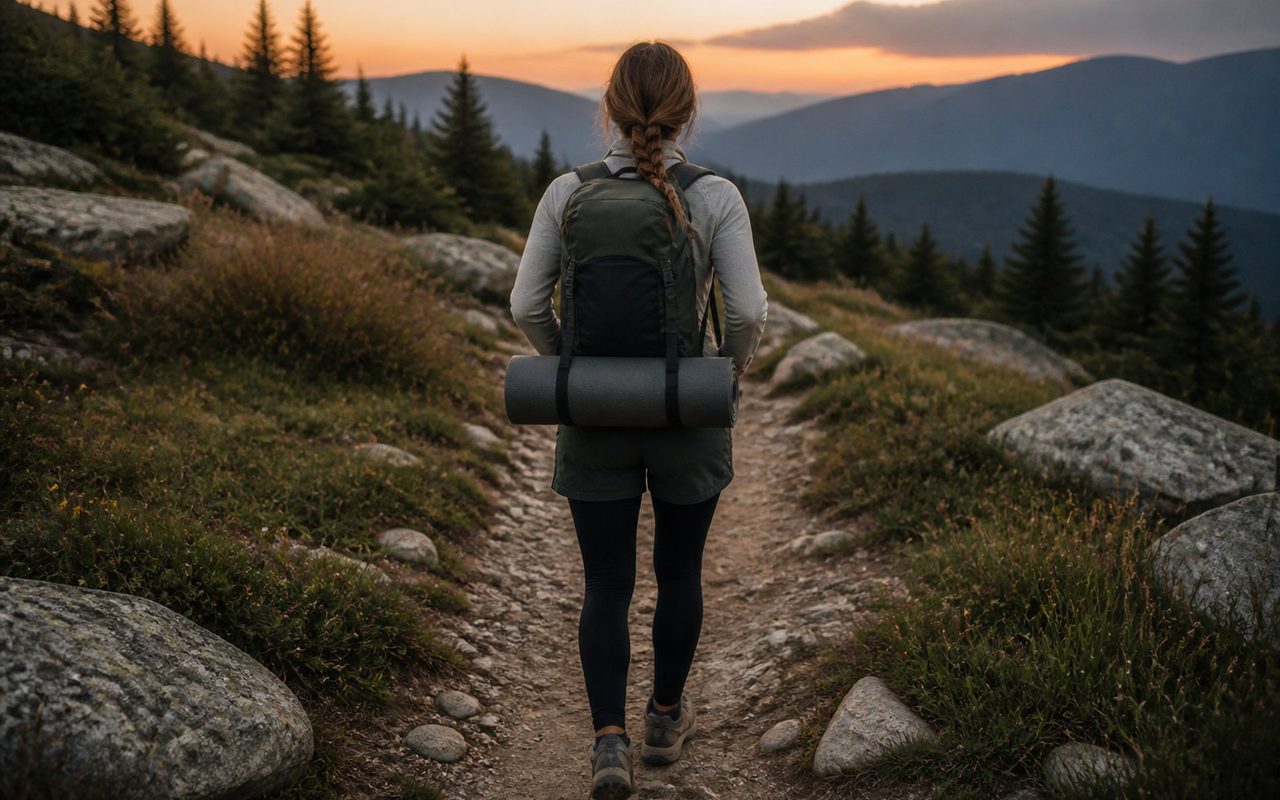
What is the NeoLoft, and what does it weigh?
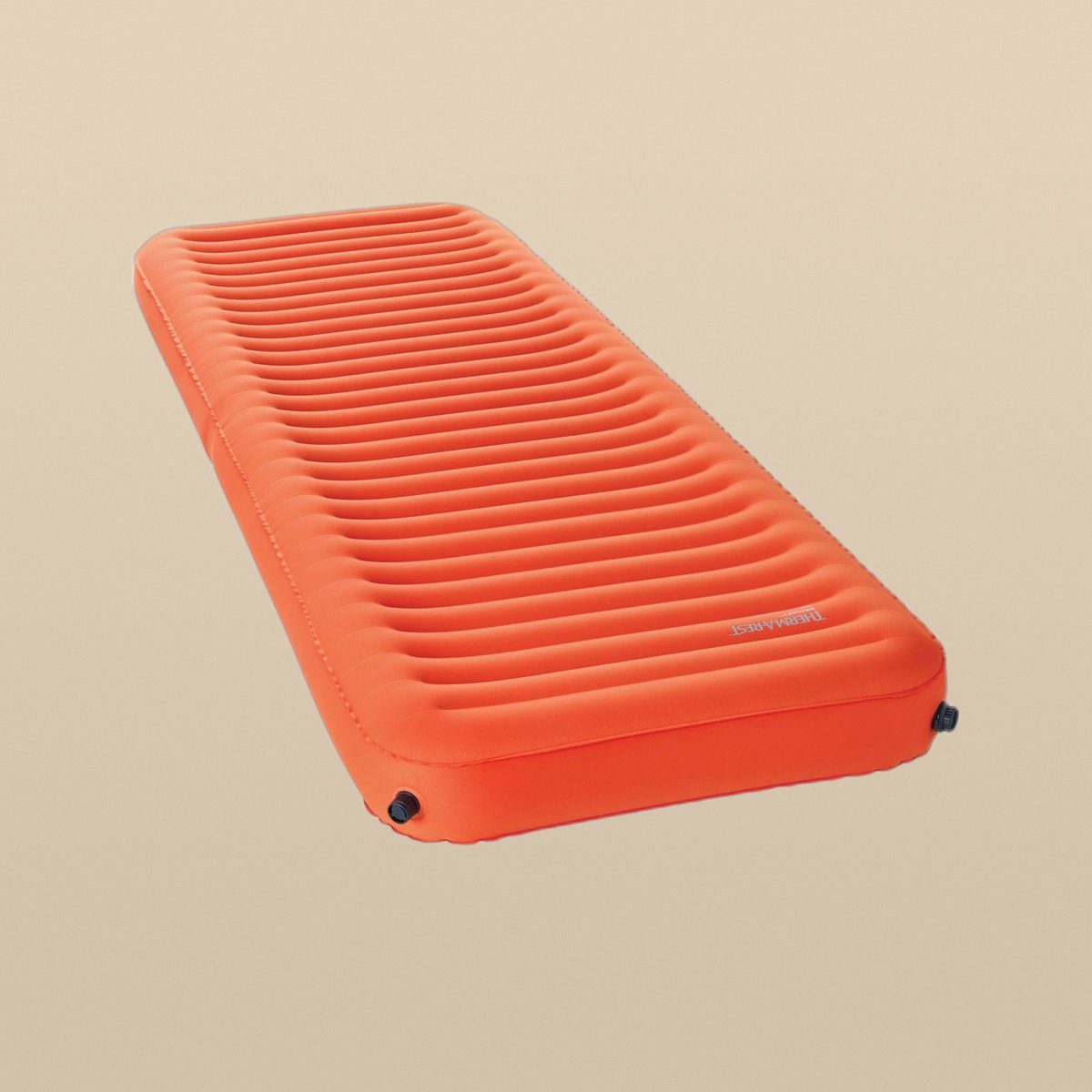
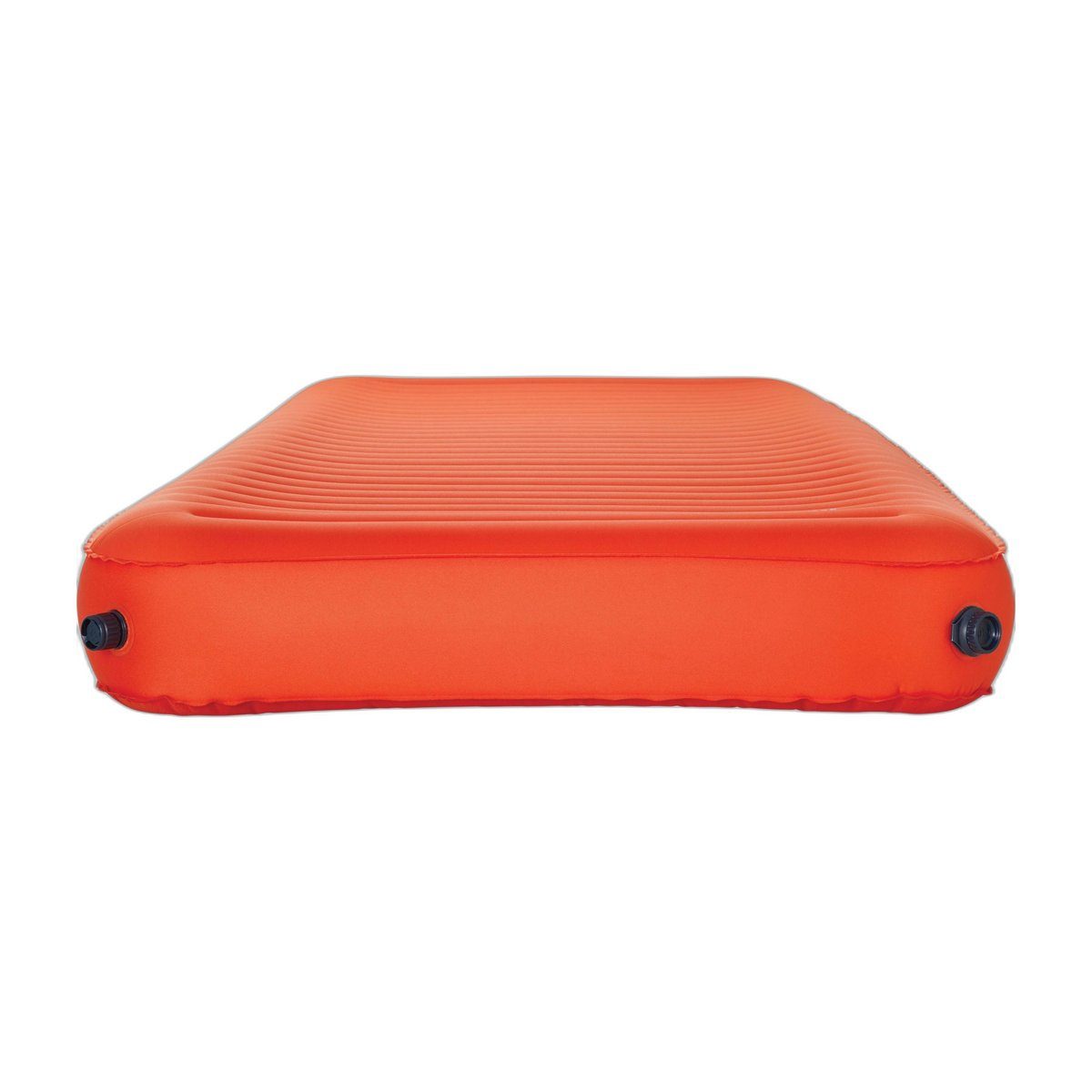
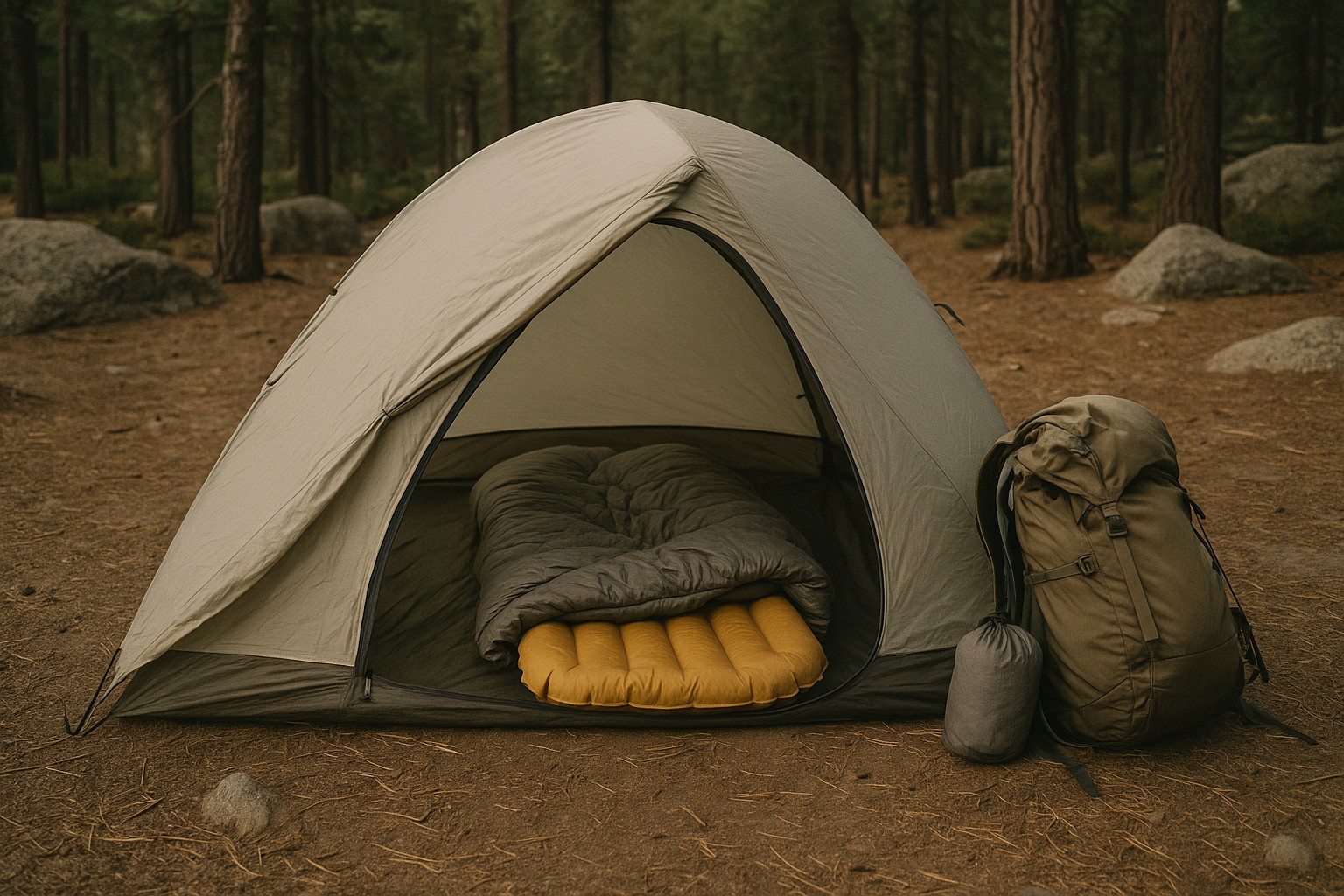
It's an air pad, 4.6 inches thick, with a stretch-knit 50D polyester top and a 75D solution-dyed polyester bottom. No foam inside. Raised side rails along both edges.
Therm-a-Rest prints 1 lb 9 oz, 710 g, for the Regular. SectionHiker and Backpacker both list 25 oz. OutdoorGearLab weighed its Regular at 25.3 oz for the pad alone and 28.6 oz with the stuff sack, pump sack and repair kit. CleverHiker's figure is 27.5 oz.
Close enough. So the pad is about 25 oz, and the full kit adds 3.3 oz by OutdoorGearLab's scale. CleverHiker's 27.5 is the outlier, and I couldn't find out why. If you're packing the pump sack, plan on the kit figure.
Sizes, from Treeline Review's table: Regular 22 x 73 in at 1 lb 9 oz, Regular Wide 26 x 73 in at 1 lb 14 oz, Long Wide 26 x 78 in at 2 lb.
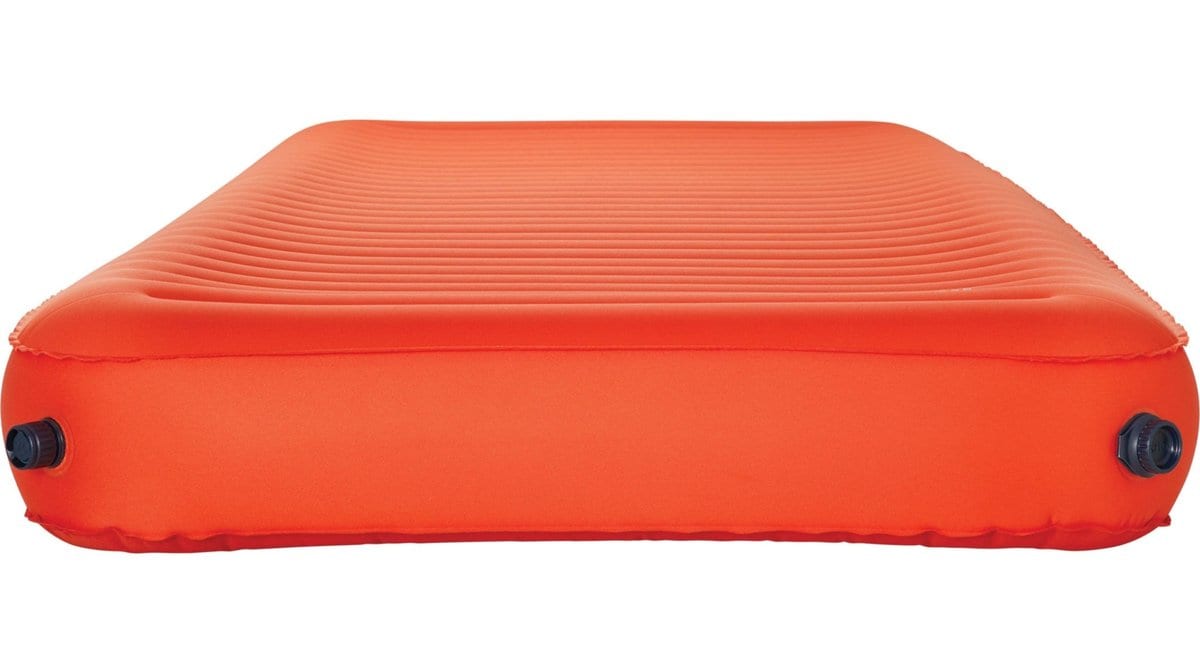
How warm is R-value 4.7, really?
Whose number is 4.7? Therm-a-Rest's. OutdoorGearLab notes it's the maker's claimed value, found with the ASTM standard Therm-a-Rest helped design, and calls it realistic. That's a rating, not a lab result of OutdoorGearLab's own.
The three testers who wrote about cold all land somewhere different, and I love it when that happens. CleverHiker slept on it around 28°F with a 15°F bag and found the pair comfortable. Treeline's tester used it mostly in the 40s, down to 34°F, with no cold spots. And one reader in SectionHiker's comments says they get cold on it below 40 degrees and carry extra ground protection.
That last one is one person, so I give it the weight of one person. CleverHiker's conclusion is the one I'd plan around: good for three seasons and moderate shoulder season, and for snow and frozen ground it trusts a higher-R pad such as the NeoAir XTherm NXT.
What do 10 extra ounces buy?
Here's the sum that explains the score. OutdoorGearLab tested the NeoLoft beside the NEMO Tensor All-Season and weighed both. On OutdoorGearLab's scale the NeoLoft weighed 25.3 oz, with a claimed R 4.7 and 4.6 in of height. OutdoorGearLab's Tensor All-Season weighed 15.4 oz, with a claimed R 5.4 and 3.5 in of height.
Divide warmth by weight. 4.7 over 25.3 is 0.19 R per ounce. 5.4 over 15.4 is 0.35. The Tensor gives you nearly twice the warmth per ounce, and it's 9.9 oz lighter.
So what do those 9.9 oz buy? About 1.1 inches more height, a quiet stretch-knit top and the side rails. You aren't paying for warmth. You're paying for not bottoming out under a hip, and Backpacker says the extra height is enough to keep even heavier side sleepers from doing that.
One more. On a 20 lb base weight, which is 320 oz, 25.3 oz is 8% of what you carry. On a 12 lb kit it's 13%. Same pad. Different verdict.
Why do owners score it lower than reviewers?
Amazon shows 3.9 stars from 89 ratings as of October 15, 2026. That's well under the reviewers: OutdoorGearLab's 10 for comfort, CleverHiker's 4.4 out of 5.
I didn't find the reason in my sources, and I'm not going to invent one. What I can tell you is the size of the evidence. 89 ratings is a small crowd, so a handful of unhappy buyers moves the average a lot.
The reviewers agree on the good parts. The fabric is quiet: OutdoorGearLab says you won't crinkle like a bag of Doritos, and SectionHiker says it doesn't sound like a big potato chip. That makes two snack-food comparisons for one pad, which might be my favorite fact in this whole review.
On durability, OutdoorGearLab took it over granite and sharp ground and it came away unscathed. Treeline had no valve leaks or deflation in the cold. A repair kit comes in the box.
Who is it for, and what else should you look at?
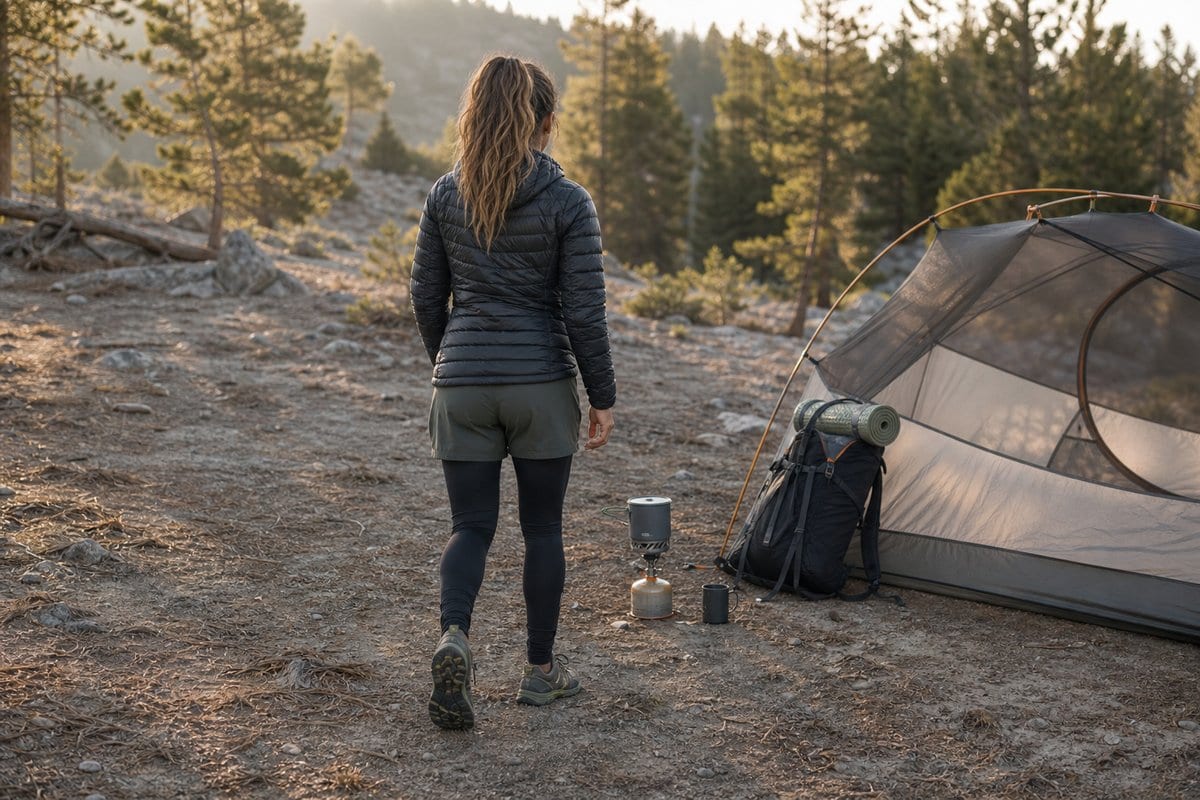
It's for side sleepers, base campers, and anyone who drives to the trailhead and wants the thickest pad in the car. SectionHiker calls it a little heavy for backpacking and a very good pad for base camping, which is the fairest one-line summary I read.
It's not for thru-hikers or gram-counters. At about 25 oz, it's 9.9 oz heavier than the Tensor All-Season, and CleverHiker says buyers focused on weight have better choices. It's not for snow either.
Two alternatives come up in the reviews. The NEMO Tensor All-Season, for lighter and warmer. The Big Agnes Rapide SL Insulated, which Backpacker names as the closest rival: more than four inches thick, R 4.8, raised rails. Backpacker lists the Rapide SL at 17 oz, and Treeline lists the insulated Rapide SL at 18 oz. Either way, 7 or 8 oz lighter. That's the trade in one number.
The band ran $230-250 on October 15, 2026.
Nerd corner: which website is Therm-a-Rest?
A confession about this page's own past. An earlier version cited thermarestco.com as the maker's page. It isn't. Therm-a-Rest's site is thermarest.com, and the other site describes the NeoLoft as a self-inflating foam pad rated R 4.4, which matches none of the 5 reviews I read. I've removed it, and the maker's weight here comes from thermarest.com.
Lookalike sites are a real hazard when you shop for gear. If a spec on a "maker" page disagrees with every reviewer, check the address bar before you check the spec.
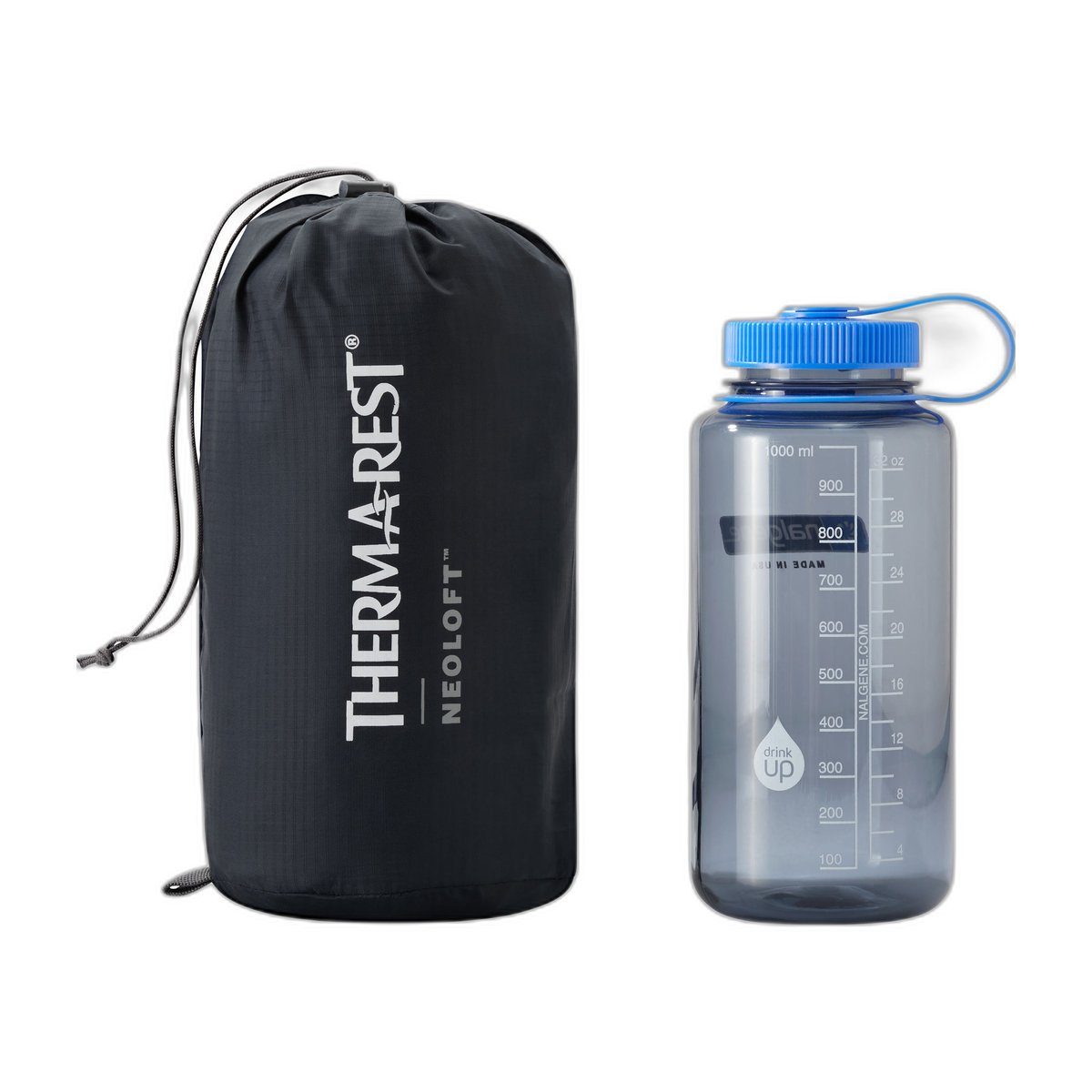
One more find from OutdoorGearLab: the NeoLoft packs to 4.0 L, and the Tensor All-Season packs to 2.1 L. Nearly double the space in your pack. Treeline puts the packed size at 5.7 x 9.5 inches, about a Nalgene and a bit.
Pros
- 4.6 in thick; OutdoorGearLab scored comfort 10 out of 10
- Quiet stretch-knit top and raised side rails
- Claimed R-value 4.7; CleverHiker was comfortable around 28°F with a 15°F bag
- Pump sack, stuff sack and repair kit included
Cons
- About 25 oz (Therm-a-Rest: 1 lb 9 oz), 9.9 oz more than the Tensor All-Season
- Packs to 4.0 L, nearly double the Tensor's 2.1 L, by OutdoorGearLab's figures
- Not for snow; CleverHiker points to the NeoAir XTherm NXT
- 3.9 stars from 89 Amazon ratings, well below reviewers' scores
Key Specifications
- type
- Air pad, rectangular, raised side rails
- sizes
- Regular 22 x 73 in; Regular Wide 26 x 73 in; Long Wide 26 x 78 in (Treeline)
- weight
- 1 lb 9 oz / 710 g Regular (Therm-a-Rest); 25.3 oz pad, 28.6 oz kit (OutdoorGearLab)
- fabrics
- 50D stretch knit top, 75D solution-dyed polyester bottom
- r_value
- 4.7 (Therm-a-Rest, ASTM standard)
- packed_size
- 5.7 x 9.5 in (Treeline); 4.0 L (OutdoorGearLab)
Get one honest gear take every Friday.
One email a week: new reviews, one gear pick with my reasoning, and nothing sponsored. Confirm your address and you get my printable 2-page backpacking gear checklist.
You'll get a confirmation link first, and nothing else arrives until you click it. Every email has a one-click unsubscribe. How your email is handled
More from Sleeping Pads
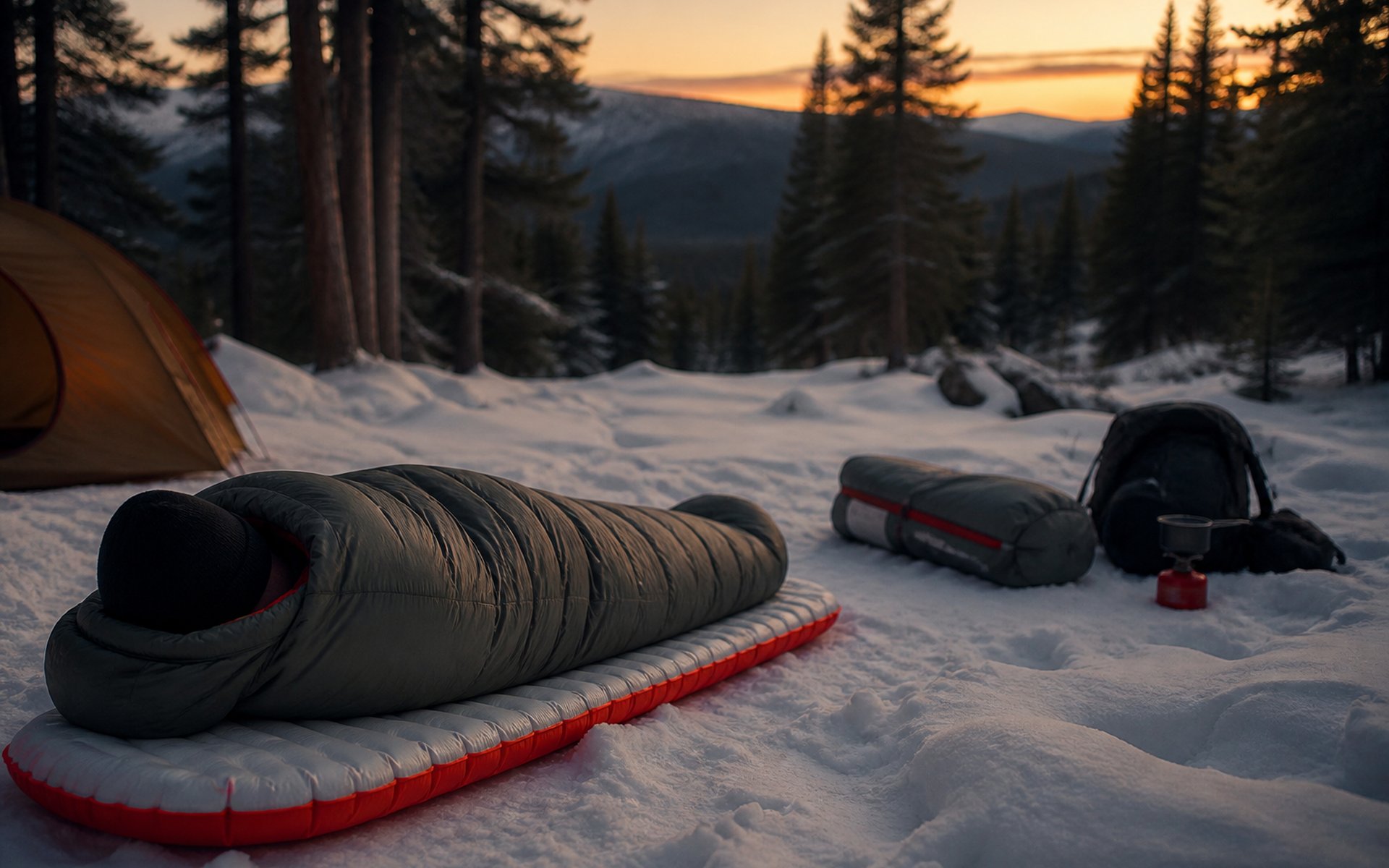
Therm-a-Rest NeoAir XTherm NXT vs NEMO Tensor All-Season
The XTherm NXT brings more insulation margin. The Tensor All-Season gives side sleepers a quieter, roomier bed. Here is how to choose based on the trips you actually take.
 Brooke Wilder
6 min read
NEMO Tensor Elite Sleeping Pad Review
NEMO Tensor Elite review: 8.5 oz, 3 inches, R-2.4. What OutdoorGearLab and CleverHiker found, and the warmth-per-ounce math that decides it.
Brooke Wilder
8 min read
Best Winter Backpacking Sleeping Pads
These four insulated pads solve different winter backpacking problems, from safest all-around warmth to comfort-first cold-weather sleep and better value.
Brooke Wilder
6 min read
Why trust BestForBackpacking
Honest gear advice for backpackers, researched, weighed, and recommended.
Every pick is based on deep research: a synthesis of long-term owner reports, independent reviewer tests, and manufacturer specs, weighted by source independence, specificity, and use-case match. Brooke Wilder is our gear editor, the editorial persona who turns that research into a clear recommendation.