
Sleeping Pads
Therm-a-Rest NeoAir XTherm NXT vs NEMO Tensor All-Season
Last updated:
The XTherm NXT brings more insulation margin. The Tensor All-Season gives side sleepers a quieter, roomier bed. Here is how to choose based on the trips you actually take.
 By Brooke4 min read
Share this post
Send it to someone who's planning a trip.
Retailer links on this page are affiliate links. We may earn a commission if you buy, and your price doesn't change. How affiliate links work →
At a glance
The contenders
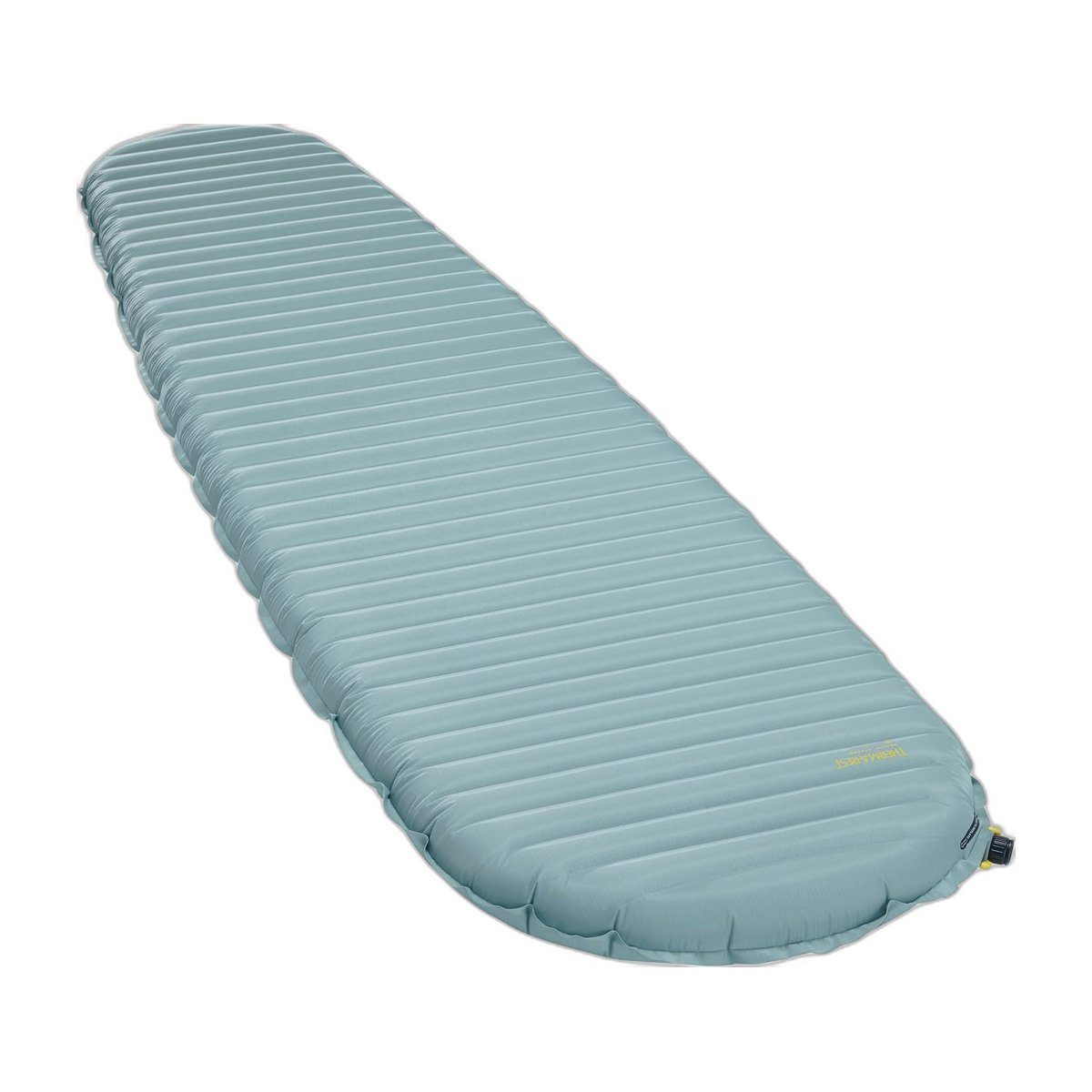
Therm-a-Rest NeoAir XTherm NXT
~$200–240typical
Best for deep cold, snow camping, and backpackers who prioritize insulation margin.
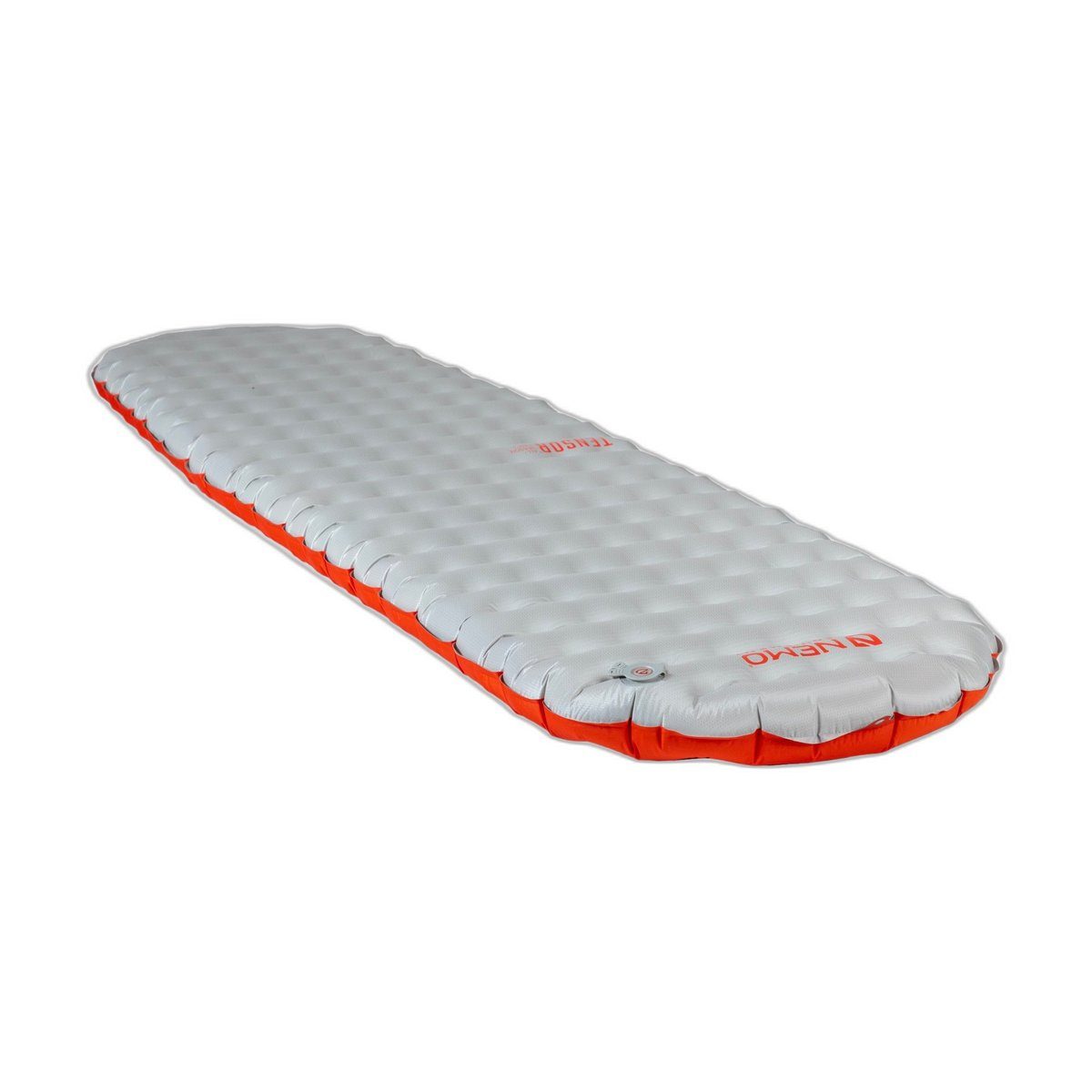
NEMO Tensor All-Season
~$240–270typical
Best for noise-sensitive side sleepers who need strong all-season insulation but not the XTherm's deep-cold margin.
Spec check
How they stack up at a glance
| Product | R-value | Regular dimensions | Shape | Thickness | Fabric | Noise tendency | Best for | Price band | Buy |
|---|---|---|---|---|---|---|---|---|---|
| Therm-a-Rest NeoAir XTherm NXT | 7.3 | 5.4 (ASTM) | Check price → | ||||||
| NEMO Tensor All-Season | 72 x 20 in | 72 x 20 in | Check price → |
Therm-a-Rest NeoAir XTherm NXT
★ Top pick- R-value
- 7.3
- Regular dimensions
- 5.4 (ASTM)
NEMO Tensor All-Season
★ Top pick- R-value
- 72 x 20 in
- Regular dimensions
- 72 x 20 in
Pick by scenario
Who This Comparison Is For
Jump straight to the winner for how you hike.
| Scenario | Best pick |
|---|---|
| Snow | Therm-a-Rest NeoAir XTherm NXT |
| Ultralight | Therm-a-Rest NeoAir XTherm NXT |
| Bigger-hiker | NEMO Tensor All-Season |
| Weekender | NEMO Tensor All-Season |
| Budget-conscious | Therm-a-Rest NeoAir XTherm NXT |
Snow
Therm-a-Rest NeoAir XTherm NXT
Ultralight
Therm-a-Rest NeoAir XTherm NXT
Bigger-hiker
NEMO Tensor All-Season
Weekender
NEMO Tensor All-Season
Budget-conscious
Therm-a-Rest NeoAir XTherm NXT
The Short Answer
Pick the XTherm NXT for winter backpacking, snow camping, or any trip where extra insulation margin is worth carrying. Pick the Tensor All-Season if you sleep on your side, share a tent with a light sleeper, or move around enough to notice a narrow tapered bed. The XTherm is the overall winner for its demanding cold-weather capability, but the Tensor can be the smarter personal choice when R5.4 already covers your conditions.
What the R-Value Gap Really Buys
The XTherm's R7.3 rating is 1.9 points higher than the Tensor's ASTM R5.4. That is about 35 percent more published insulation, which matters when the ground is frozen, the pad is sitting on snow, or your trip plan leaves little room for an unexpectedly cold night. It does not create a guaranteed temperature rating. Your sleeping bag or quilt, shelter, ground surface, metabolism, and weather still shape the whole system.
The Tensor's R5.4 is not weak. It is a strong all-season number that can make sense for shoulder-season trips and moderate winter conditions. The mistake is treating it as interchangeable with R7.3 when your route genuinely calls for deep-cold insurance.
Side-Sleeper Comfort Comes From More Than Thickness
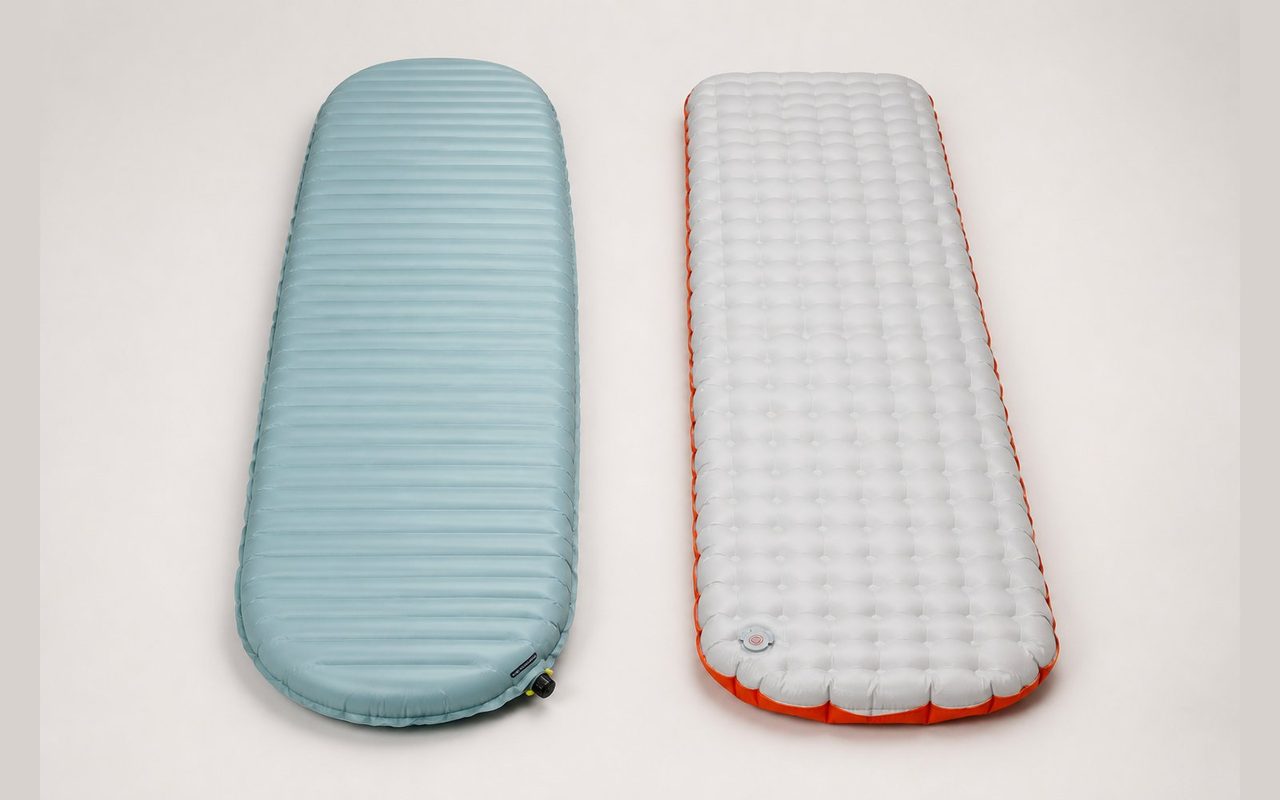
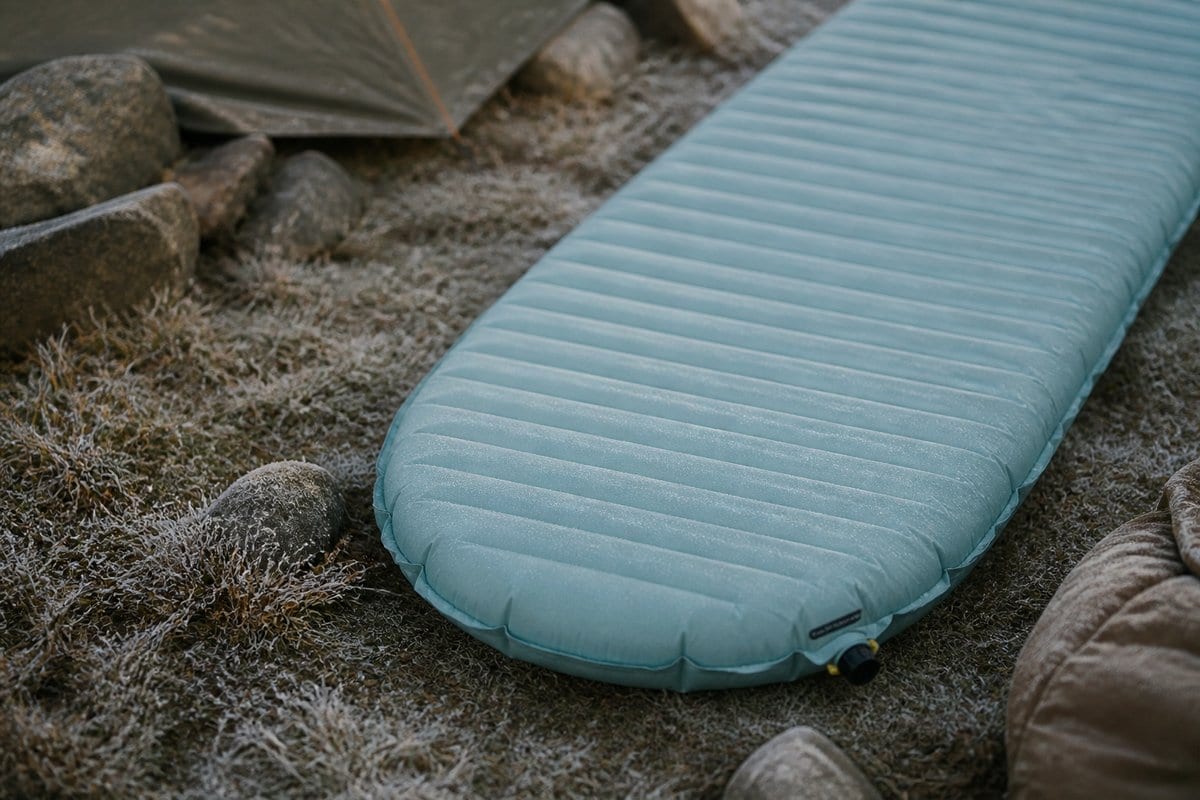
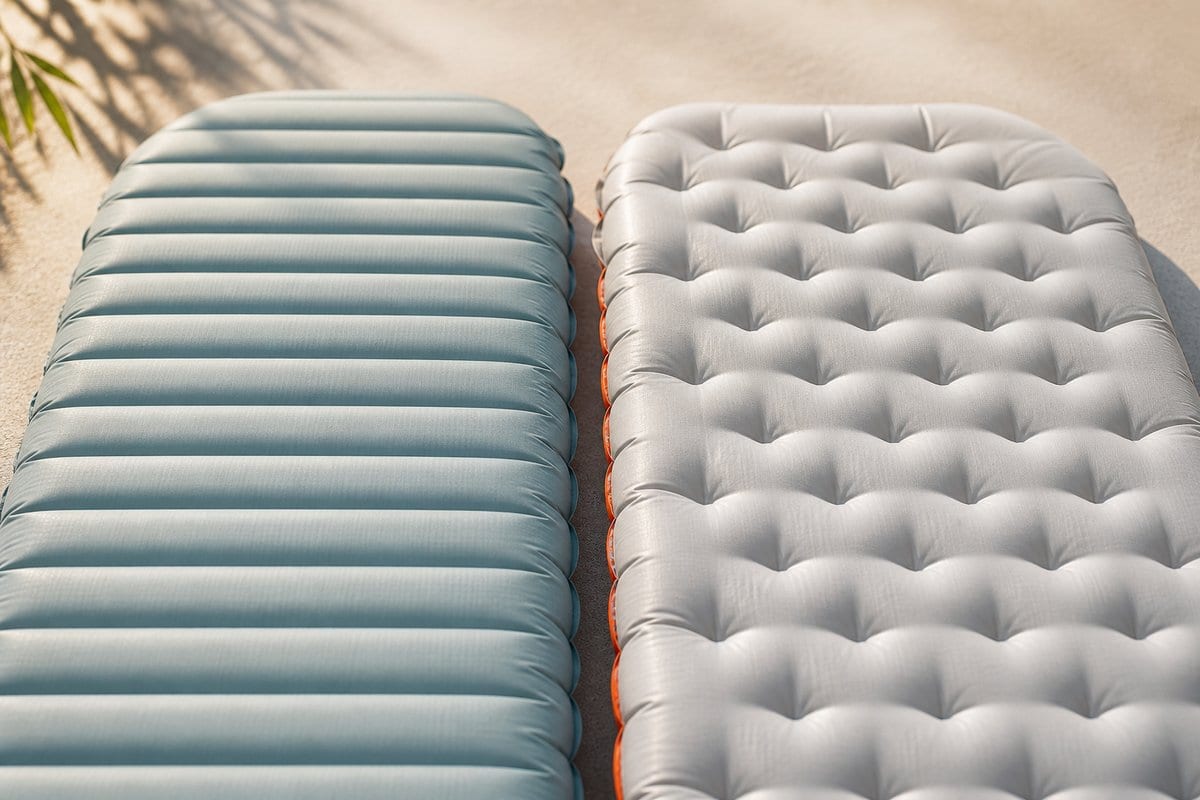
Both Regular pads measure 72 by 20 inches, but those matching numbers hide a meaningful difference. The XTherm narrows into a mummy shape. The Tensor keeps a rectangular outline and adds another half inch of depth, with offset baffles that spread pressure across the bed. OutdoorGearLab's field test found the Tensor's 3.5-inch, offset-baffle bed stable and supportive, calling it a great pick for side and stomach sleepers and noting that testers did not slip off while shifting around (OutdoorGearLab).
The XTherm is still a supportive 3-inch pad. OutdoorGearLab found that letting out a little air can soften the surface without sending a hip straight to the ground. Its tradeoff is usable room: a slippery tapered bed asks active sleepers to stay more centered through the night.
Noise, Baffles, and Sharing a Tent
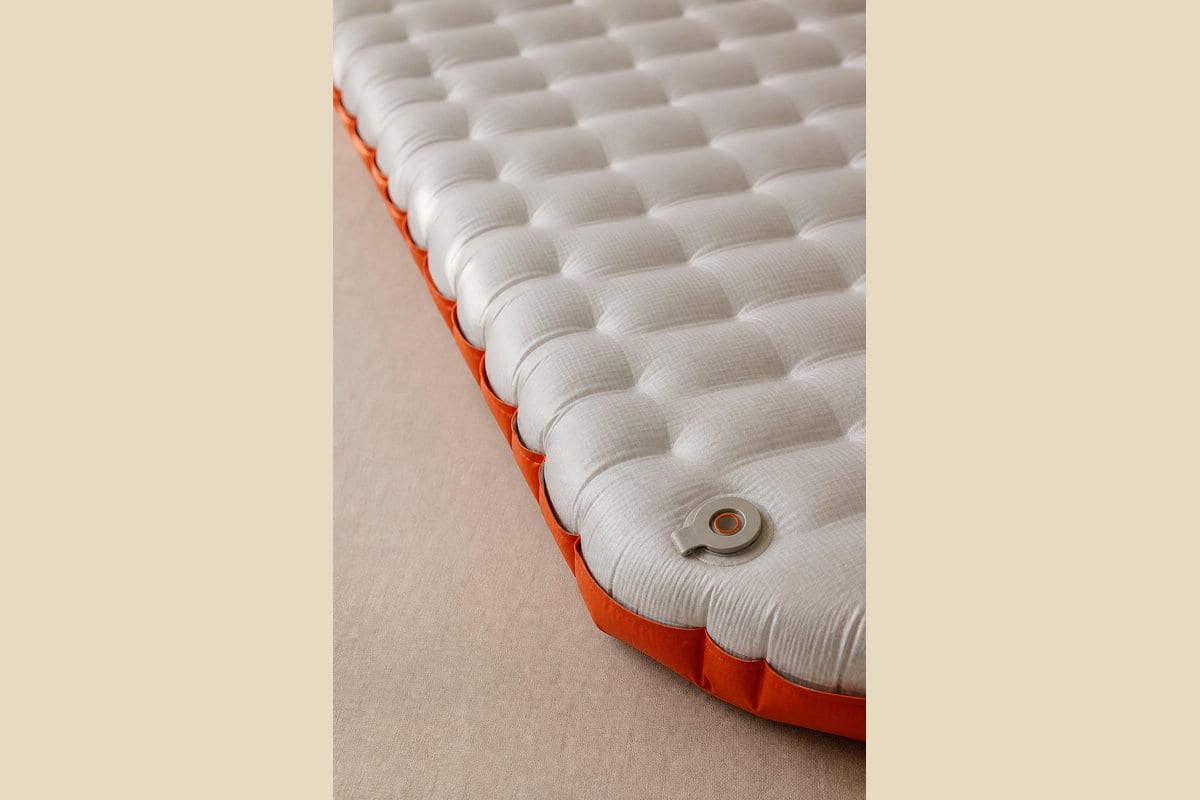
OutdoorGearLab noted that the Tensor's suspended aluminized film is quiet and non-crinkly, quiet enough that a tester did not worry about waking a tent mate (OutdoorGearLab). That makes it the stronger candidate for a noise-sensitive sleeper or tent partner, though this is one publisher's field assessment rather than a standardized sound test.
OutdoorGearLab also found the NXT generation substantially quieter than the older XTherm, with some residual crinkling still noticeable. There are no standardized decibel measurements here, so treat quietness as a tested tendency, not a promise for every sleeper.
What the Available Weights Show
The available weights are not directly comparable. The XTherm figure describes the pad alone, while the captured Tensor figure includes the pad and accessories. That rules out a reliable ounce-for-ounce or R-value-per-gram comparison.
The XTherm combines a higher R-value with a low listed pad weight, but a matched pad-only Tensor measurement is needed before quantifying the difference.
Durability and Which Pad to Buy
The XTherm pairs a 30-denier top with a notably tougher 70-denier bottom. The Tensor uses 20-denier and 40-denier fabrics. That gives the XTherm the stronger construction signal for abrasive winter camps, though short-term testing cannot prove a lower multiyear failure rate. Both remain inflatable pads that can puncture, and both belong in the pack with a repair plan. OutdoorGearLab found the XTherm's WingLock valve quick and glove-friendly, while the Tensor's two low-profile valves made inflation and pack-down straightforward.
Buy the XTherm NXT if your plans include snow camping, mountaineering, sustained winter travel, or cold sleepers who benefit from extra ground-insulation margin. Its higher insulation rating and tougher bottom fabric make it the more capable cold-weather tool. Skip it if the tapered shape, slippery surface, or remaining crinkle is likely to cost you sleep, especially when you do not need deep-cold insulation.
Buy the Tensor All-Season if you are a side or stomach sleeper, change positions often, or want a quieter pad for shared shelters. Its 3.5-inch rectangular bed is the more forgiving place to spend eight hours when R5.4 is sufficient. Skip it when your conditions call for the XTherm's greater insulation margin.
The NEMO buy link points to the Long Wide 76-by-25-inch version, and the 240-270 price band beside it covers that Long Wide listing (range rechecked 2026-10-07). The specifications discussed above describe the Regular 72-by-20-inch pad. Confirm the size you need before buying.
Get one honest gear take every Friday.
One email a week: new reviews, one gear pick with my reasoning, and nothing sponsored. Confirm your address and you get my printable 2-page backpacking gear checklist.
You'll get a confirmation link first, and nothing else arrives until you click it. Every email has a one-click unsubscribe. How your email is handled
More from Sleeping Pads

Therm-a-Rest NeoLoft Review: The Most Comfortable Pad I've Read About, at a Price in Ounces
The NeoLoft is the most comfortable backpacking pad in the reviews I read, at about 25 oz. Buy it if you sleep on your side; skip it if you count grams or camp on snow.
 Brooke Wilder
9 min read
Brooke Wilder
9 min read

NEMO Tensor Elite Sleeping Pad Review
NEMO Tensor Elite review: 8.5 oz, 3 inches, R-2.4. What OutdoorGearLab and CleverHiker found, and the warmth-per-ounce math that decides it.
Brooke Wilder
8 min read
Best Winter Backpacking Sleeping Pads
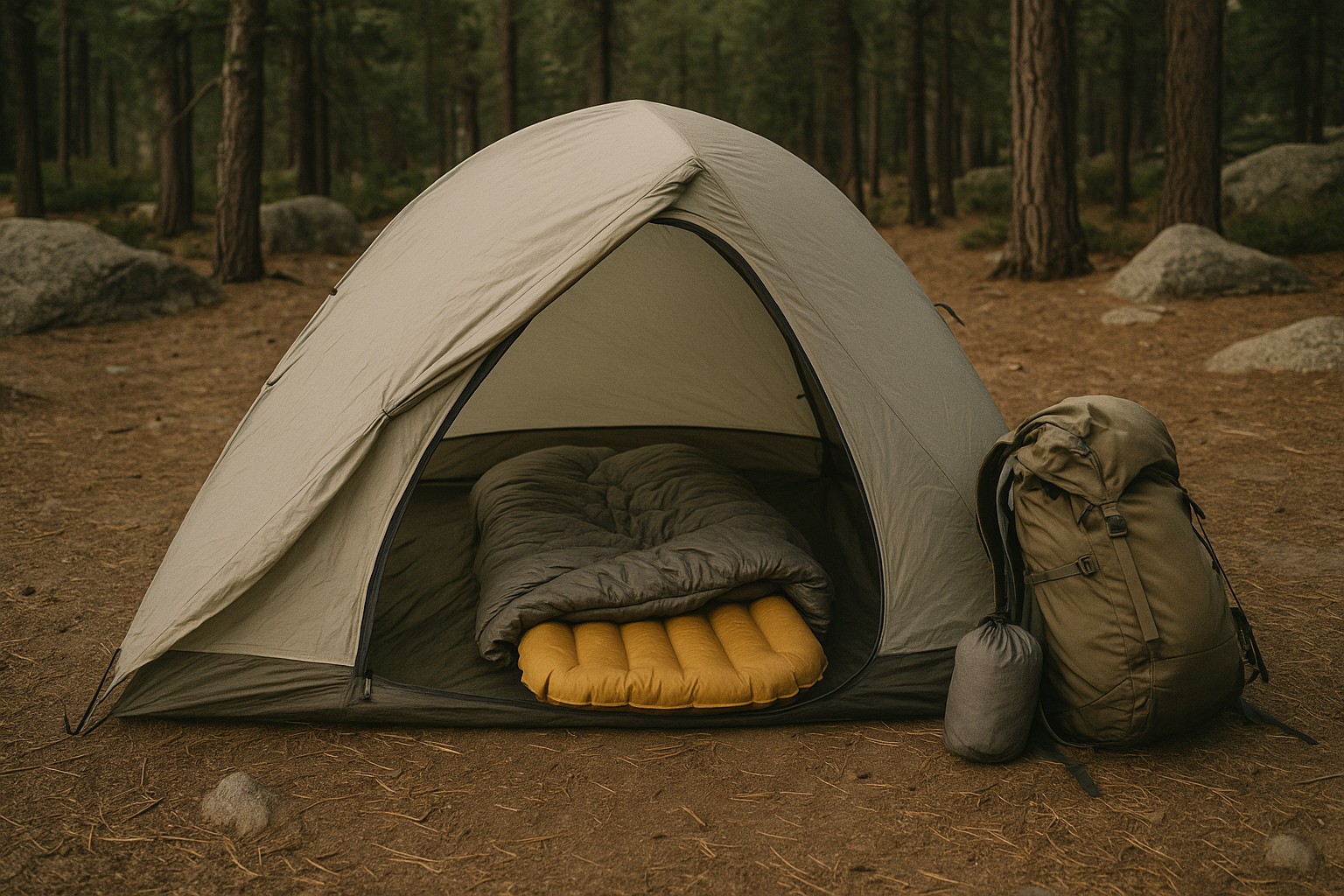
These four insulated pads solve different winter backpacking problems, from safest all-around warmth to comfort-first cold-weather sleep and better value.
Brooke Wilder
6 min read
Why trust BestForBackpacking
Honest gear advice for backpackers, researched, weighed, and recommended.
Every pick is based on deep research: a synthesis of long-term owner reports, independent reviewer tests, and manufacturer specs, weighted by source independence, specificity, and use-case match. Brooke Wilder is our gear editor, the editorial persona who turns that research into a clear recommendation.