
Hiking Boots
Salomon X Ultra 4 Mid GTX vs Altra Lone Peak 8: Waterproof Boot or Zero-Drop Trail Runner
Last updated:
The Salomon wins for wet protection and support. The Lone Peak wins for adapted zero-drop hikers who want less foot weight and faster drying.
 By Brooke4 min read
Share this post
Send it to someone who's planning a trip.
Retailer links on this page are affiliate links. We may earn a commission if you buy, and your price doesn't change. How affiliate links work →
At a glance
The contenders
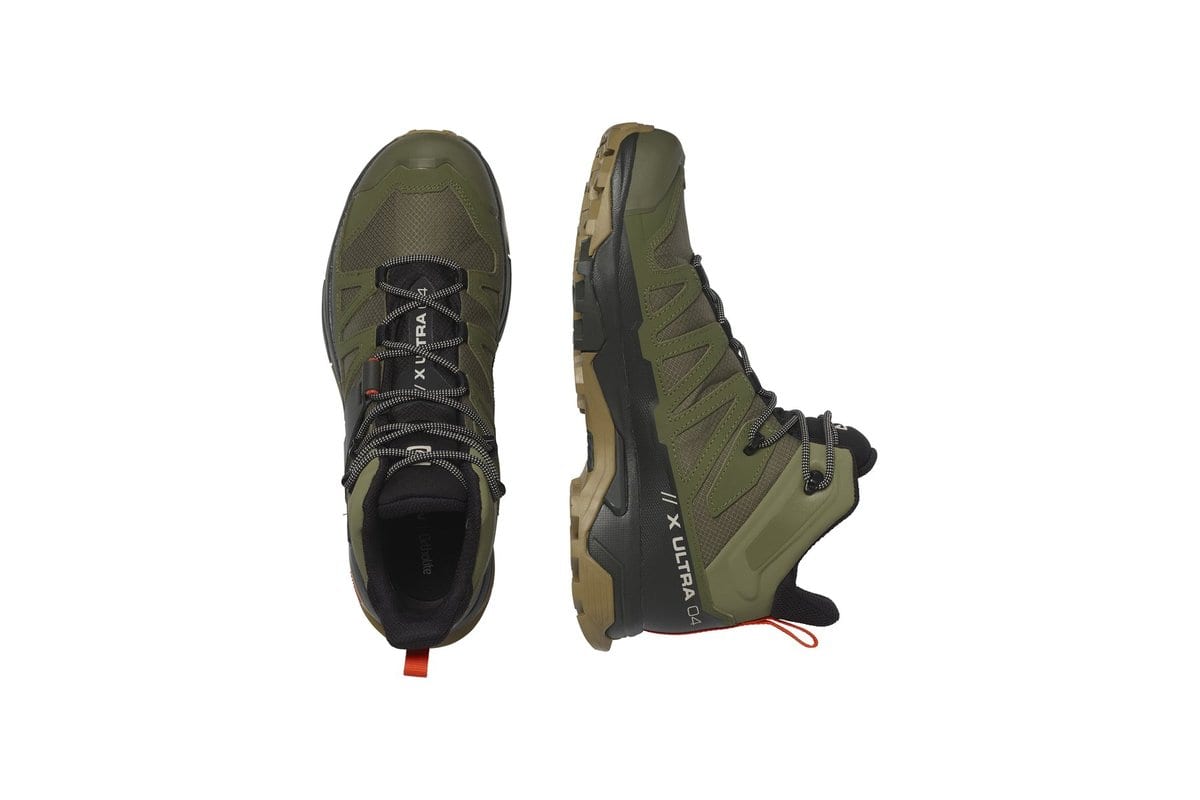
Salomon X Ultra 4 Mid GTX
~$95–145typical
- Weight
- About 1 lb 11.5 oz per pair (about 13.8 oz per boot), men's size 9
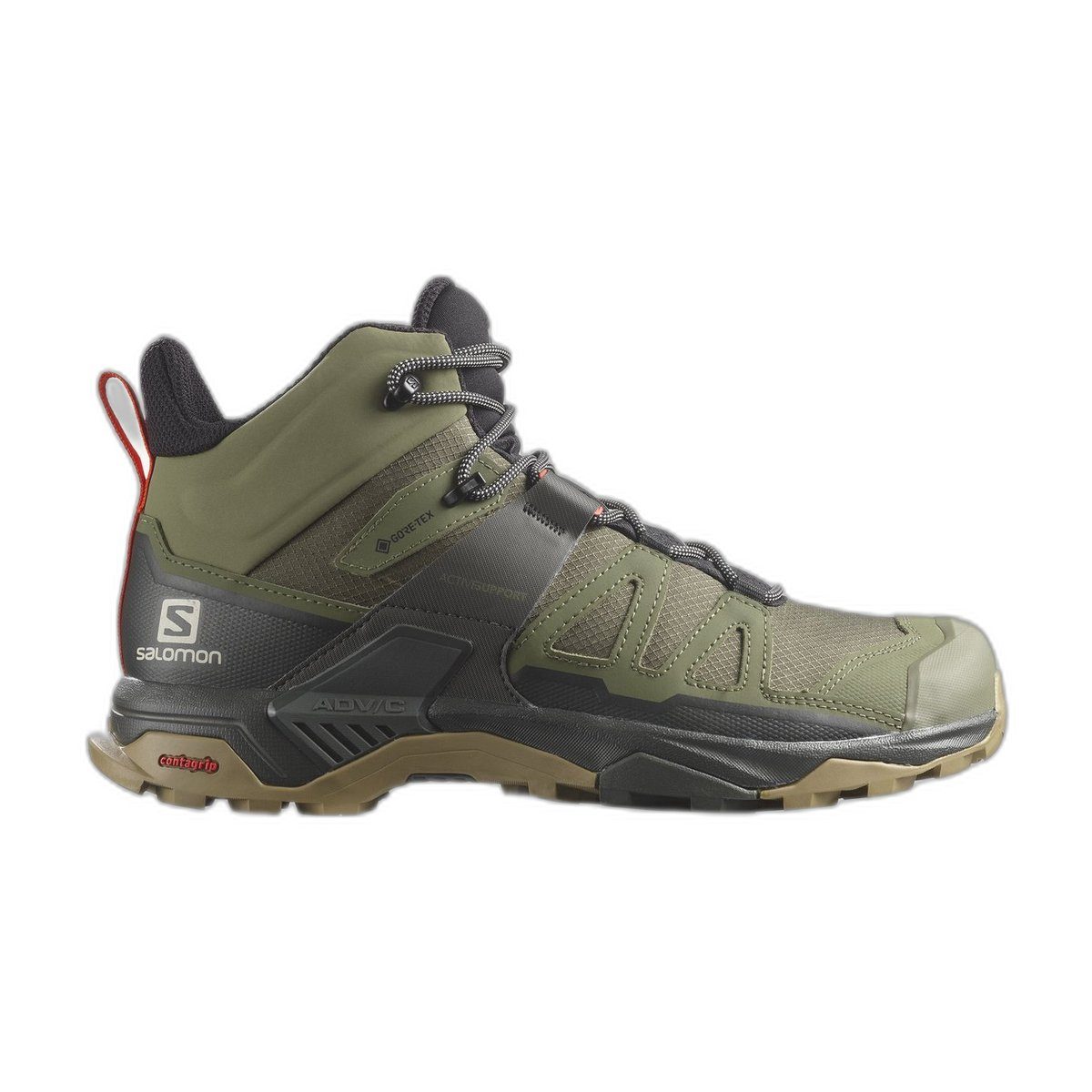
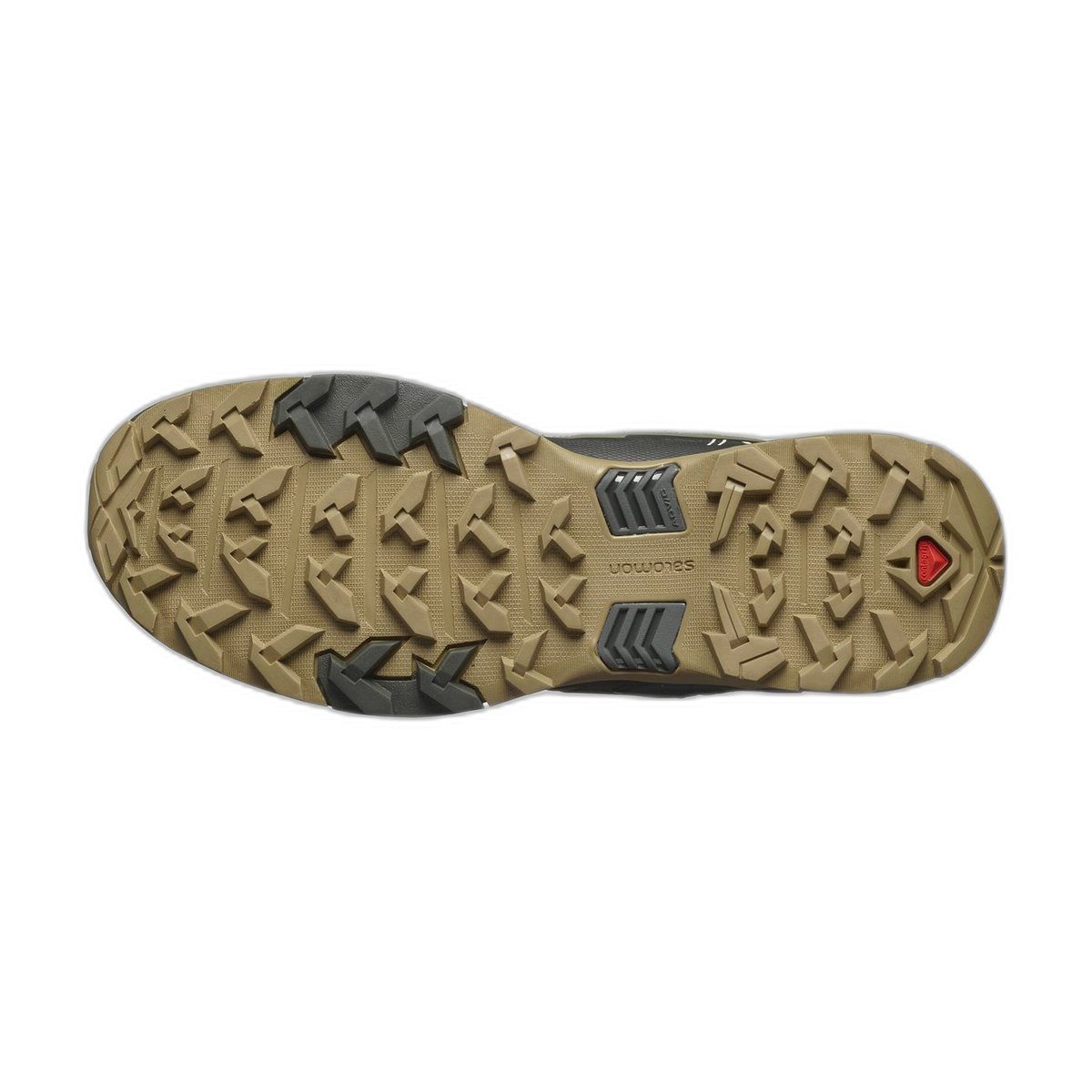
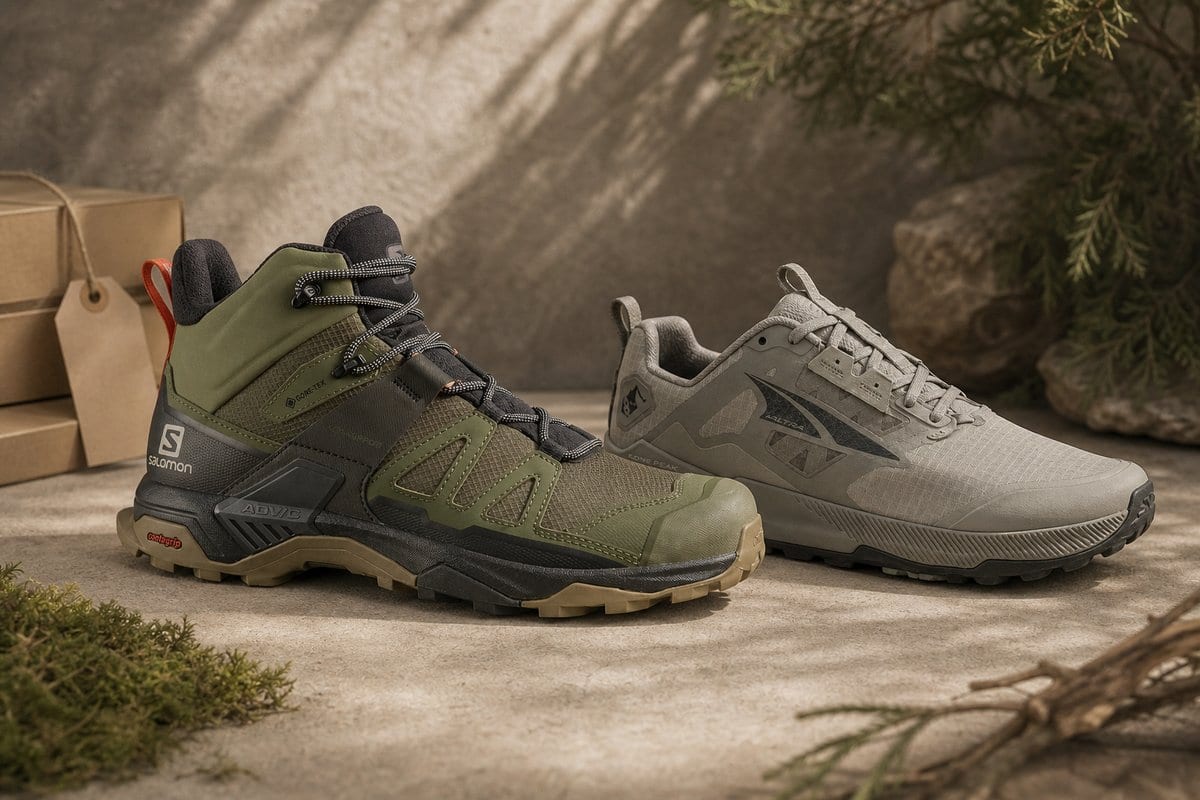
A light waterproof mid boot with Gore-Tex, PU-coated leather/textile, Contagrip MA traction, QuickLace, and more structure than a trail runner. Best when wet protection and rough-trail confidence matter more than breathability.
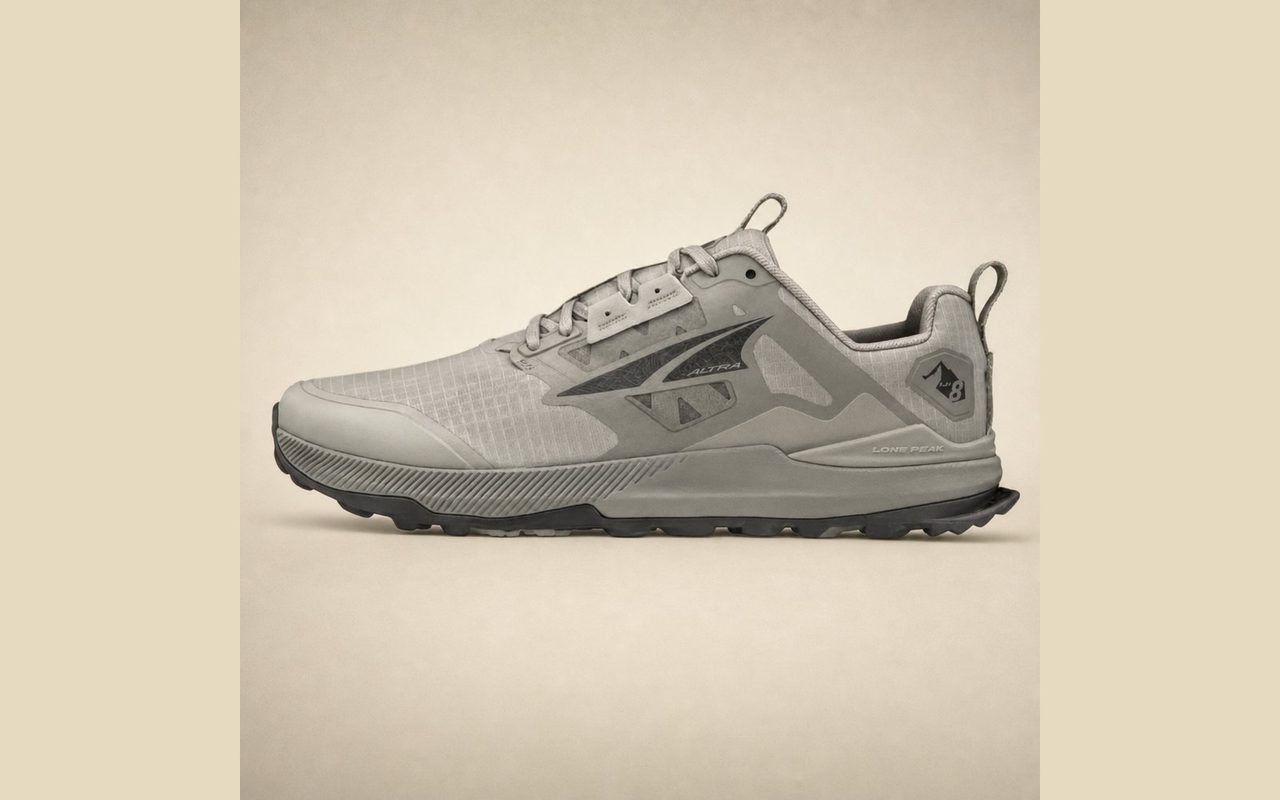
Altra Lone Peak 8
~$80–120typical
- Weight
- 10.7 oz per men's shoe spec; about 10.2 oz in some measured sizes
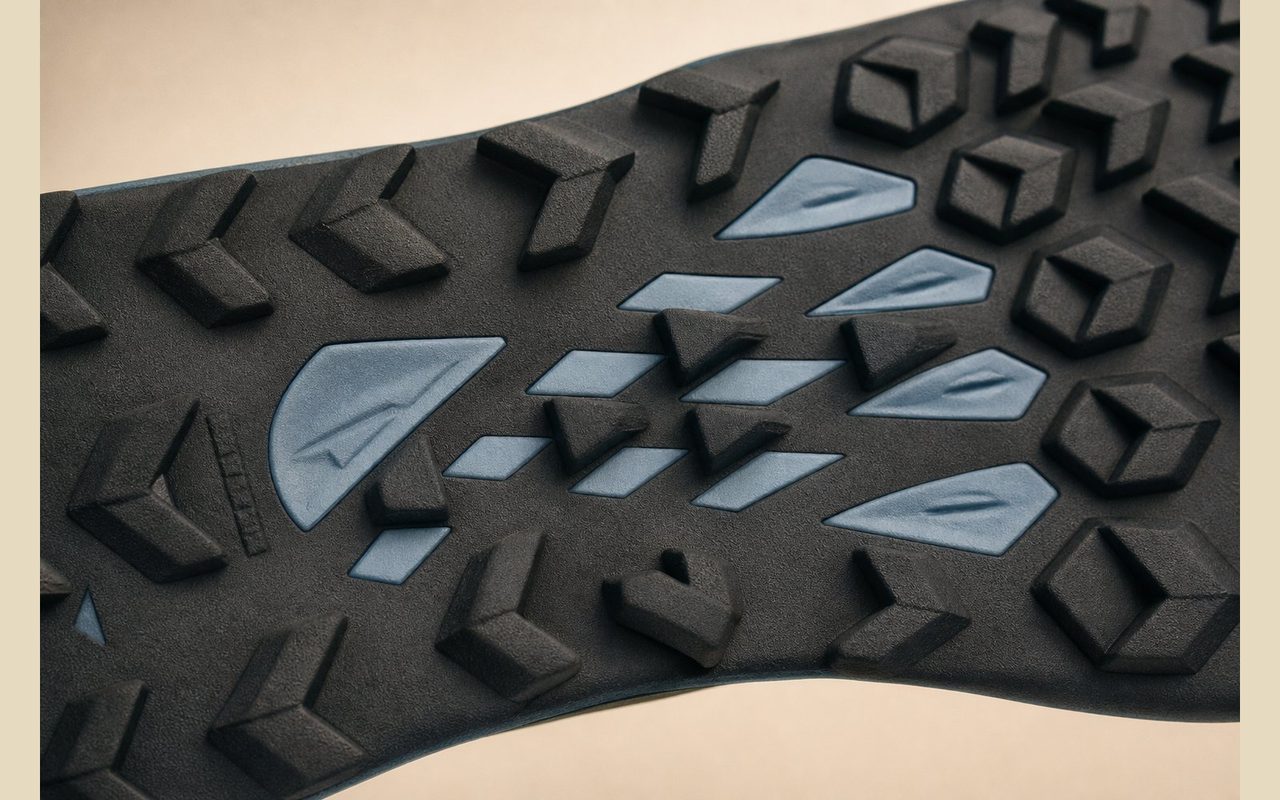
A zero-drop trail runner with a wide FootShape toe box, breathable ripstop mesh, MaxTrac outsole, 25 mm stack, and a low-cut feel. Best for hikers already adapted to zero drop and carrying lighter loads.
Spec check
How they stack up at a glance
| Product | Best use | Waterproofing | Weight | Drop and stack | Materials and fit | Support and break-in | Durability pattern | Drying and heat | Price | Public sentiment | Buy |
|---|---|---|---|---|---|---|---|---|---|---|---|
| Salomon X Ultra 4 Mid GTX | Wet shoulder-season hikes, rougher trails, weekend loads | Gore-Tex waterproof mid | About 1 lb 11.5 oz per pair (about 13.8 oz per boot), men's size 9 | 11 mm drop; 31.5/20.5 mm stack from Treeline | PU-coated leather/textile upper, Gore-Tex, structured/narrower fit | More chassis support; low-to-moderate break-in before longer treks | Durable for a lightweight boot, with mixed owner notes on waterproofing and wear | Warmer and slower to dry if flooded | ~$95–145 | Amazon 4.0/5 from 64 ratings, checked 2026-08-11 | Check price → |
| Altra Lone Peak 8 | Dry three-season trail, fast-packing, lighter packs | Non-waterproof breathable mesh | 10.7 oz per men's shoe spec; about 10.2 oz in some measured sizes | 0 mm drop, 25 mm heel and forefoot | Ripstop mesh upper, MaxTrac outsole, roomy FootShape toe box | More flexible; zero-drop body adaptation matters more than shoe break-in | Improved upper, but outsole and midsole are replacement-cycle runner parts | Cooler, wets quickly, dries faster | ~$80–120 | Amazon 4.5/5 from 1,152 ratings, checked 2026-08-11 | Check price → |
Salomon X Ultra 4 Mid GTX
★ Top pick- Best use
- Wet shoulder-season hikes, rougher trails, weekend loads
- Waterproofing
- Gore-Tex waterproof mid
- Weight
- About 1 lb 11.5 oz per pair (about 13.8 oz per boot), men's size 9
- Drop and stack
- 11 mm drop; 31.5/20.5 mm stack from Treeline
- Materials and fit
- PU-coated leather/textile upper, Gore-Tex, structured/narrower fit
- Support and break-in
- More chassis support; low-to-moderate break-in before longer treks
- Durability pattern
- Durable for a lightweight boot, with mixed owner notes on waterproofing and wear
- Drying and heat
- Warmer and slower to dry if flooded
- Price
- ~$95–145
- Public sentiment
- Amazon 4.0/5 from 64 ratings, checked 2026-08-11
Altra Lone Peak 8
★ Top pick- Best use
- Dry three-season trail, fast-packing, lighter packs
- Waterproofing
- Non-waterproof breathable mesh
- Weight
- 10.7 oz per men's shoe spec; about 10.2 oz in some measured sizes
- Drop and stack
- 0 mm drop, 25 mm heel and forefoot
- Materials and fit
- Ripstop mesh upper, MaxTrac outsole, roomy FootShape toe box
- Support and break-in
- More flexible; zero-drop body adaptation matters more than shoe break-in
- Durability pattern
- Improved upper, but outsole and midsole are replacement-cycle runner parts
- Drying and heat
- Cooler, wets quickly, dries faster
- Price
- ~$80–120
- Public sentiment
- Amazon 4.5/5 from 1,152 ratings, checked 2026-08-11
Pick by scenario
Who This Comparison Is For
Jump straight to the winner for how you hike.
| Scenario | Best pick |
|---|---|
| Weekender | Salomon X Ultra 4 Mid GTX |
| Ultralight | Altra Lone Peak 8 |
| First-timer | Salomon X Ultra 4 Mid GTX |
| Wet-climate | Salomon X Ultra 4 Mid GTX |
| Bigger-hiker | Salomon X Ultra 4 Mid GTX |
Weekender
Ultralight
First-timer
Wet-climate
Bigger-hiker
The Short Answer
Pick the Salomon X Ultra 4 Mid GTX if your hike is wet, cool, rough, or loaded enough that protection matters. Gore-Tex, a mid collar, PU-coated leather/textile, Contagrip, and a more structured chassis make it the more confident shoe for a weekend backpacker carrying a moderate load through rain, roots, wet rock, or uneven tread. The weight I use across the site is about 1 lb 11.5 oz per pair, men's size 9, about 13.8 oz per boot, the number from my X Ultra 4 Mid GTX review.
Pick the Altra Lone Peak 8 if you already know zero drop works for you and your pack is light. It is cooler, lower, wider in the toe box, and faster drying on warm three-season trail. Altra's spec sheet says 10.7 oz per men's shoe, a 0 mm drop, and a 25 mm heel and forefoot.
Waterproof Boot vs Fast-Drying Runner
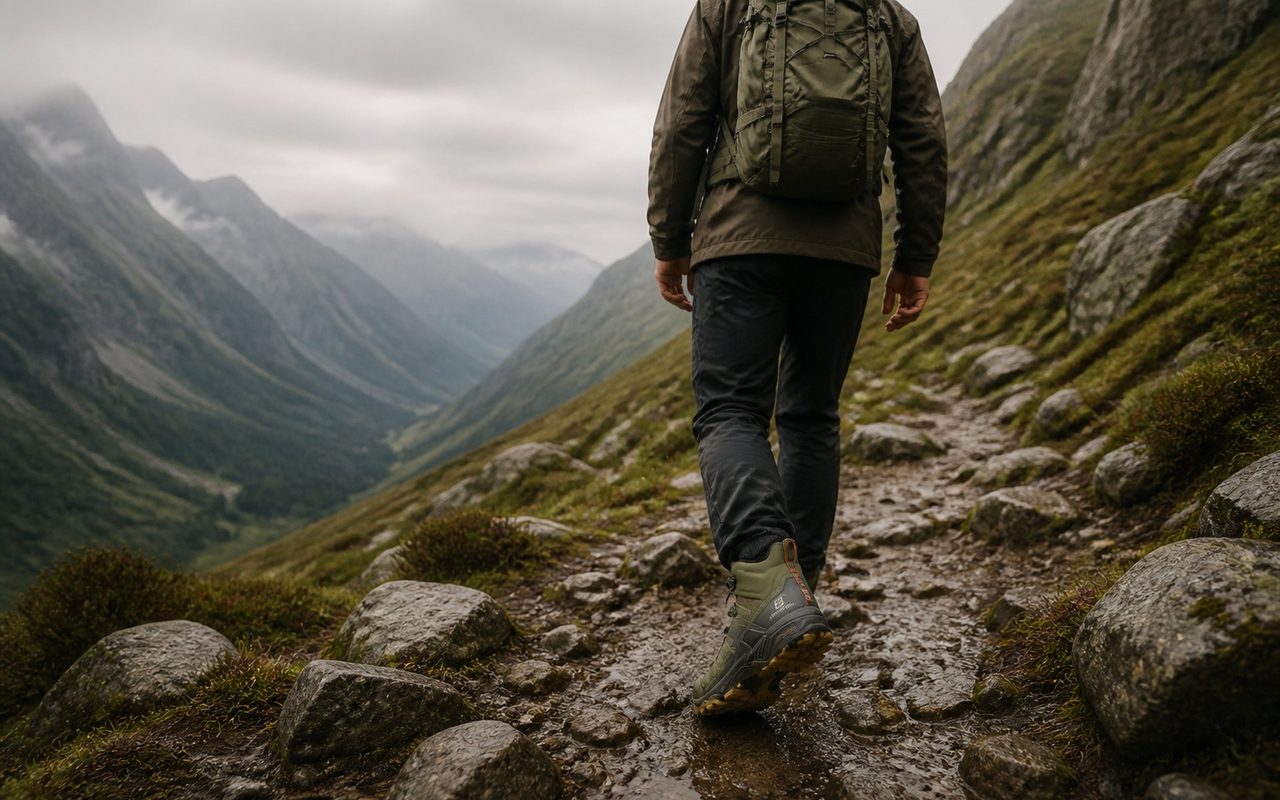
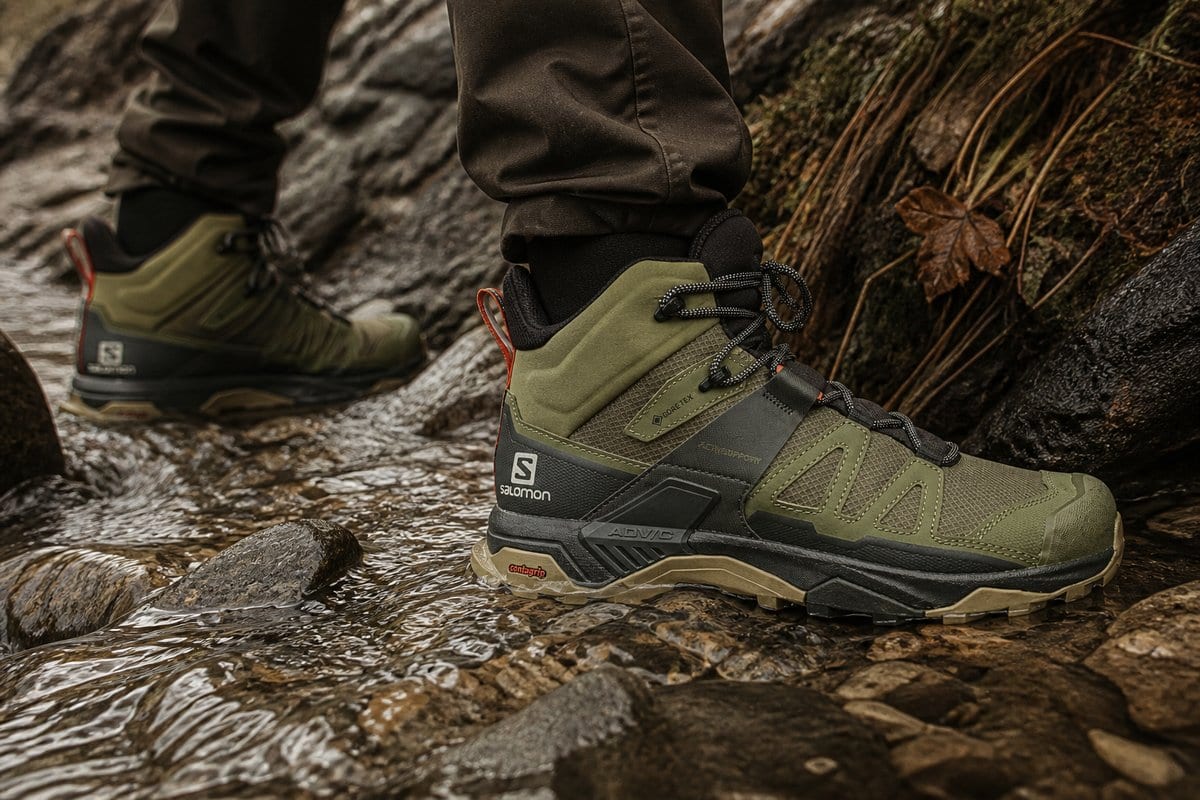
The Salomon's Gore-Tex membrane is the reason to buy it. In rain, wet brush, cold shoulder-season mornings, and shallow puddles, it buys time and comfort that the Lone Peak cannot match. It also has more upper coverage, so trail grit and splash have farther to travel before they reach your sock.
The catch is the standard waterproof-footwear catch: once a mid boot floods over the collar, it dries slowly. It also runs warmer than a mesh trail runner. In warm rain, desert water carries, or summer routes with repeated stream crossings, the Altra's non-waterproof mesh can be the better system because it accepts getting wet and dries faster afterward.
Support, Load, and Terrain
Do not frame the Salomon as an injury-prevention device. That is not a claim worth making. Frame it as support feel and terrain matching. The X Ultra 4 Mid GTX has more structure, more collar coverage, and more protection when a backpacking load makes rocky or off-camber trail feel sloppy. It is also the shoe that benefits from a few short pre-trip hikes: Treeline found no hot spots on an initial five-mile hike, but still recommended break-in before longer treks.
The Lone Peak 8 goes the other direction. It asks your foot, ankle, calf, and Achilles to do more of the work. That can feel efficient and natural for hikers already adapted to zero drop, especially with a sub-20 lb pack. It can also feel punishing with a heavy pack or if you are coming straight from traditional hiking shoes. Treat the adaptation risk as the break-in issue, not the mesh upper.
Fit Is the Real Decision Point
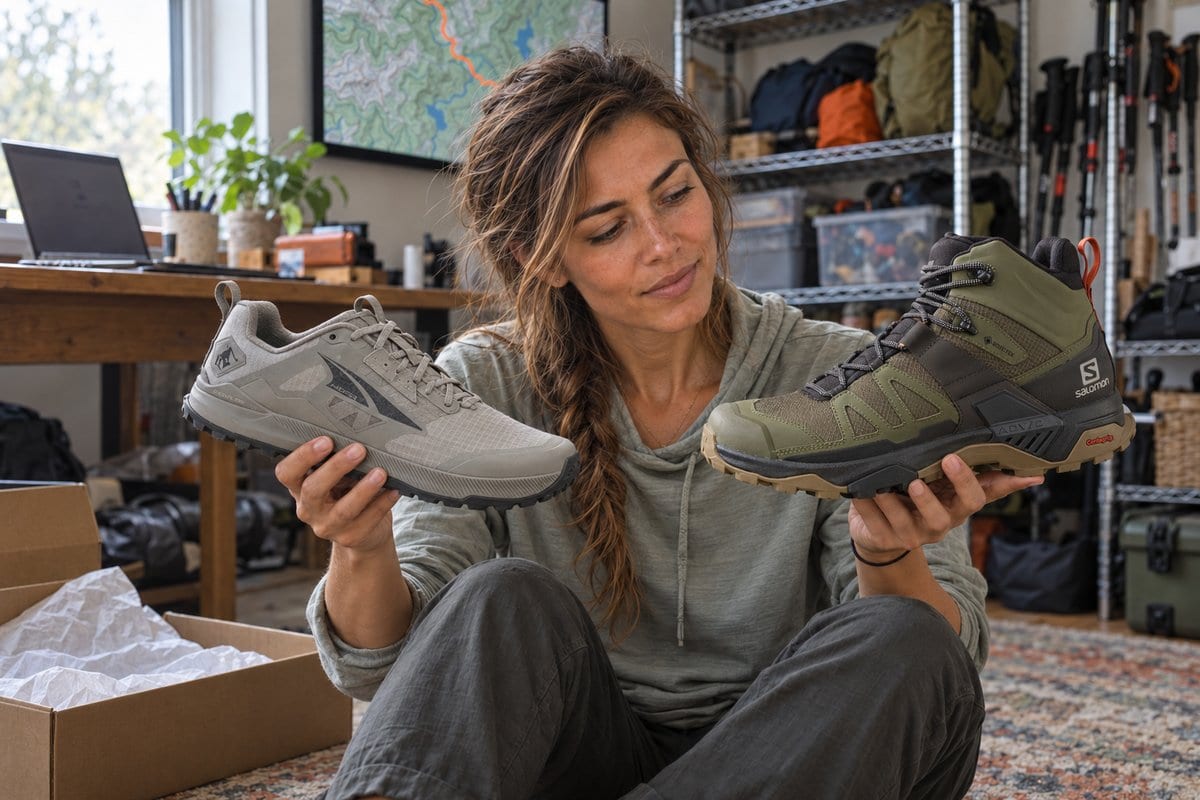
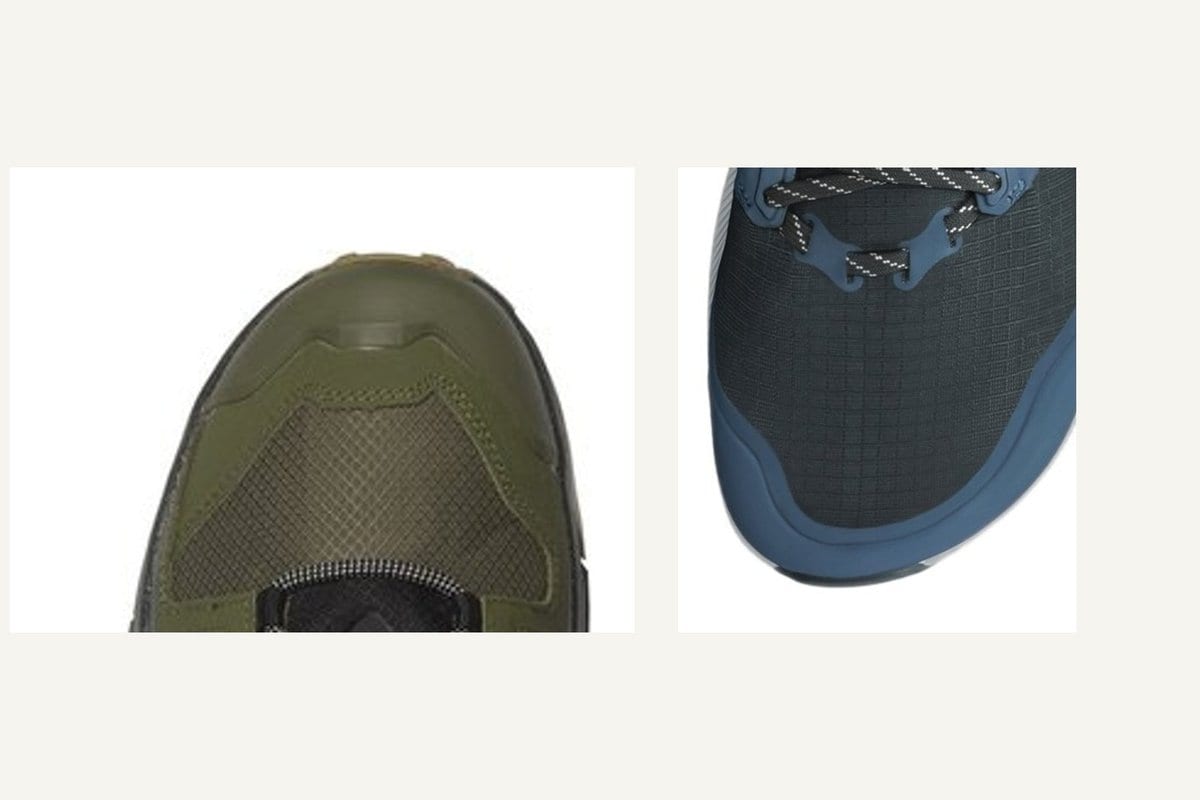
The Salomon is the more precise, structured fit. That is great if your foot is average to narrow and you want heel hold on technical trail. It is less great if your forefoot is wide or high-volume. Wide options exist in the line, but availability varies, and the boot still has a more locked-in personality than the Altra.
The Lone Peak 8 is the roomy one. Its FootShape toe box lets toes spread on long days, and the low collar feels less restrictive. The important warning is zero drop: the 0 mm platform can overload calves and Achilles if you jump into it from a higher-drop shoe. For a first backpacking trip, that is a bad experiment.
Value and Version Freshness
On value, the Lone Peak 8 looks better if you find the exact older model in its current Amazon band. As of 2026-10-06, the exact men's Lone Peak 8 ASIN was live and in stock, with colorways running about $80-120. Size and color availability can vary because the Lone Peak 9 is the current successor. The durability caveat is specific: the ripstop upper gets better notes than older mesh, but the outsole and midsole are still replacement-cycle trail-runner parts.
The Salomon costs more, but it also replaces a different category of shoe. You are paying for Gore-Tex, a PU-coated leather and textile upper, a mid-height collar, and more protection. Current Amazon signals show 4.0/5 from 64 ratings for an exact X Ultra 4 Mid GTX variant and 4.5/5 from 1,152 ratings for the Lone Peak 8, checked 2026-08-11. The X Ultra 4 is retired in favor of the X Ultra 5, and the linked listing is live but frequently has no featured offers, checked 2026-10-06; the X Ultra 4 family runs about $95-145. Confirm the exact older model and size before you buy.
Get one honest gear take every Friday.
One email a week: new reviews, one gear pick with my reasoning, and nothing sponsored. Confirm your address and you get my printable 2-page backpacking gear checklist.
You'll get a confirmation link first, and nothing else arrives until you click it. Every email has a one-click unsubscribe. How your email is handled
More from Hiking Boots
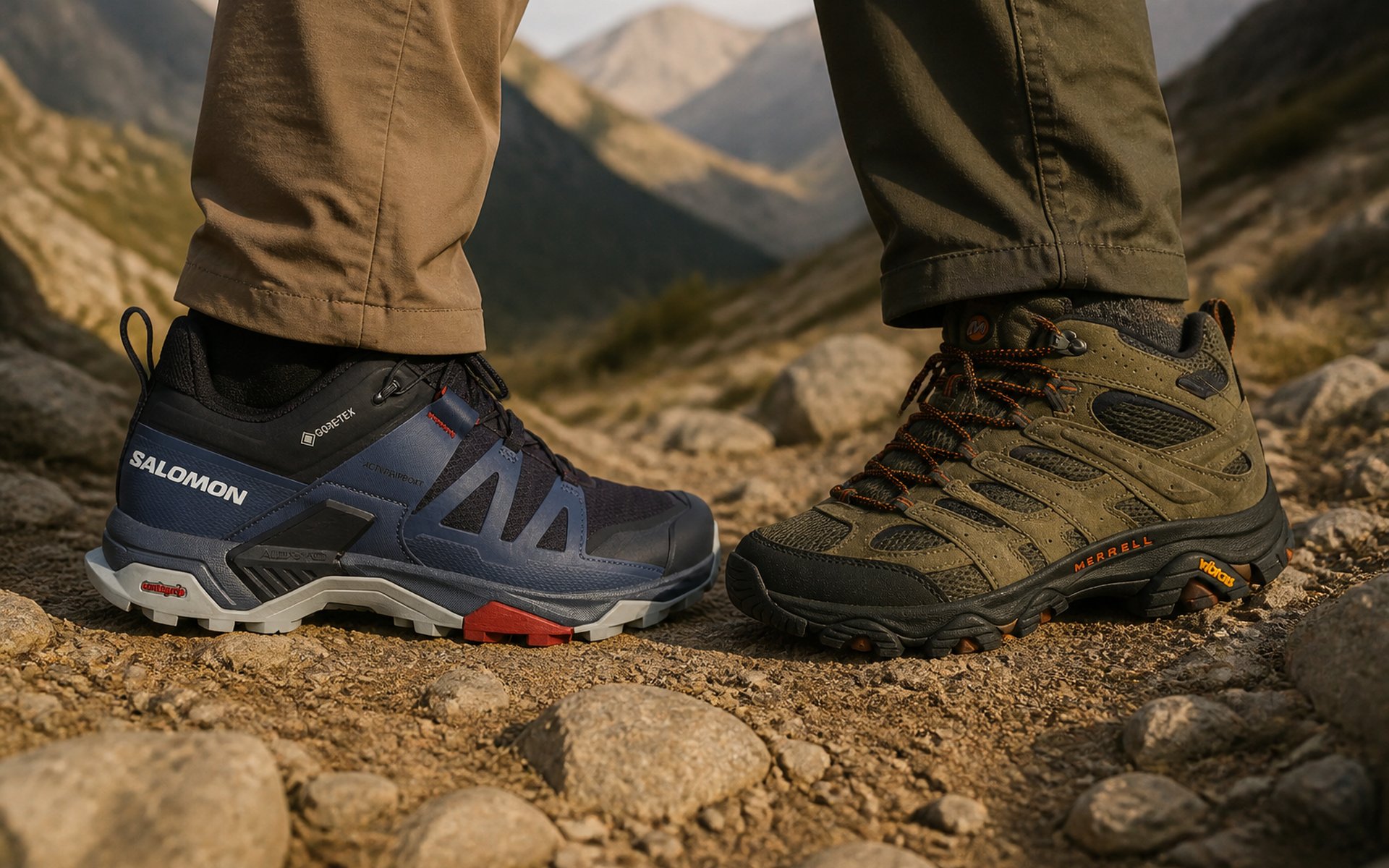
Salomon X Ultra 4 GTX vs Merrell Moab 3 WP: Which Hiking Boot Should You Buy?
The Salomon X Ultra 4 GTX and Merrell Moab 3 WP are two of the most popular hiking footwear choices on the trail. This comparison covers fit, weight, traction, waterproofing, and value to help you decide.
 Brooke Wilder
9 min read
Brooke Wilder
9 min read
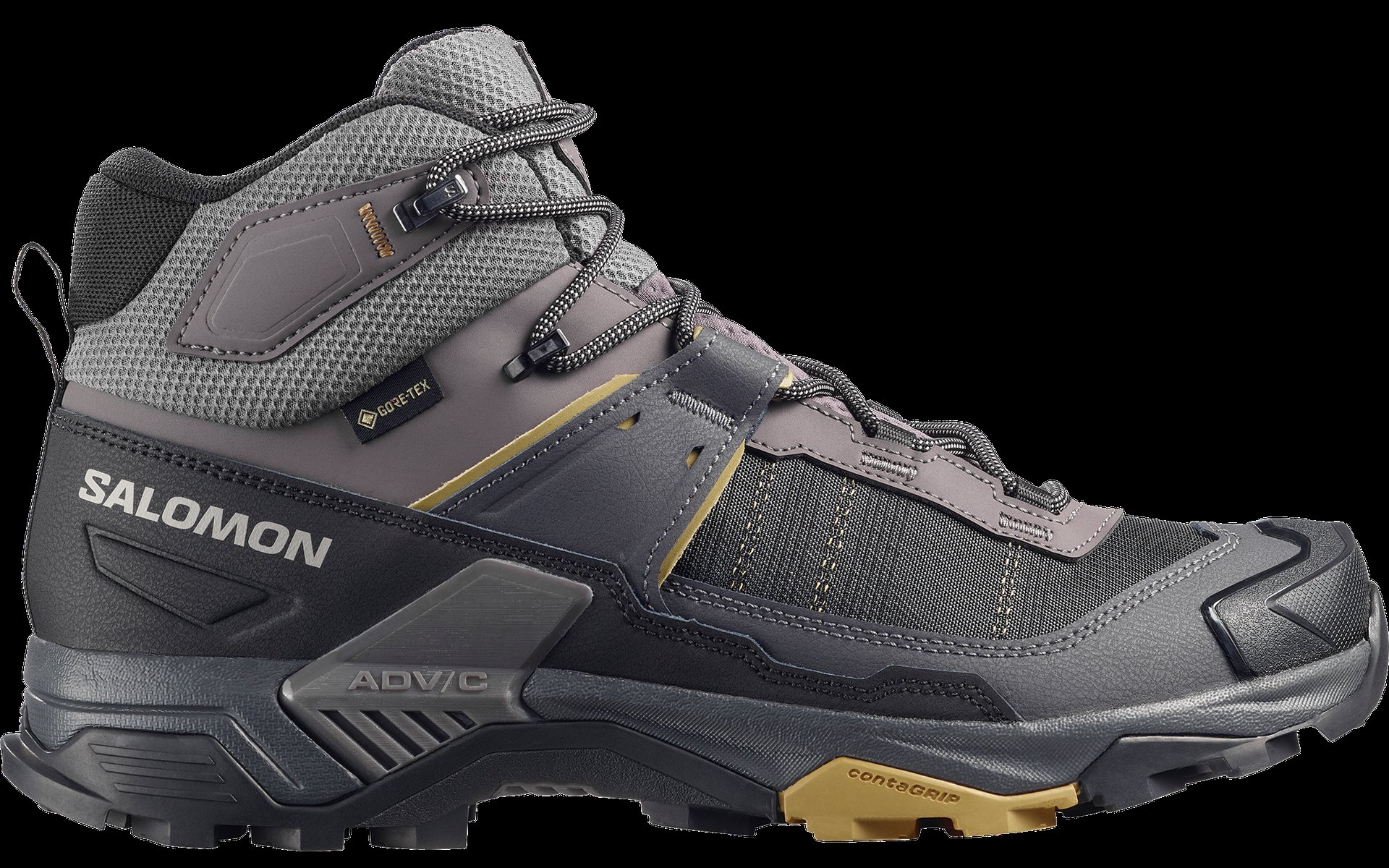
Salomon X Ultra 5 Mid GTX Review
Salomon X Ultra 5 Mid GTX review: 1 lb 15 oz a pair, a 5.25-inch flood height and regular laces. What three reviews found.
Brooke Wilder
9 min read
Why trust BestForBackpacking
Honest gear advice for backpackers, researched, weighed, and recommended.
Every pick is based on deep research: a synthesis of long-term owner reports, independent reviewer tests, and manufacturer specs, weighted by source independence, specificity, and use-case match. Brooke Wilder is our gear editor, the editorial persona who turns that research into a clear recommendation.