
Trail Runners
Altra Lone Peak 8 Review
Last updated: June 2026
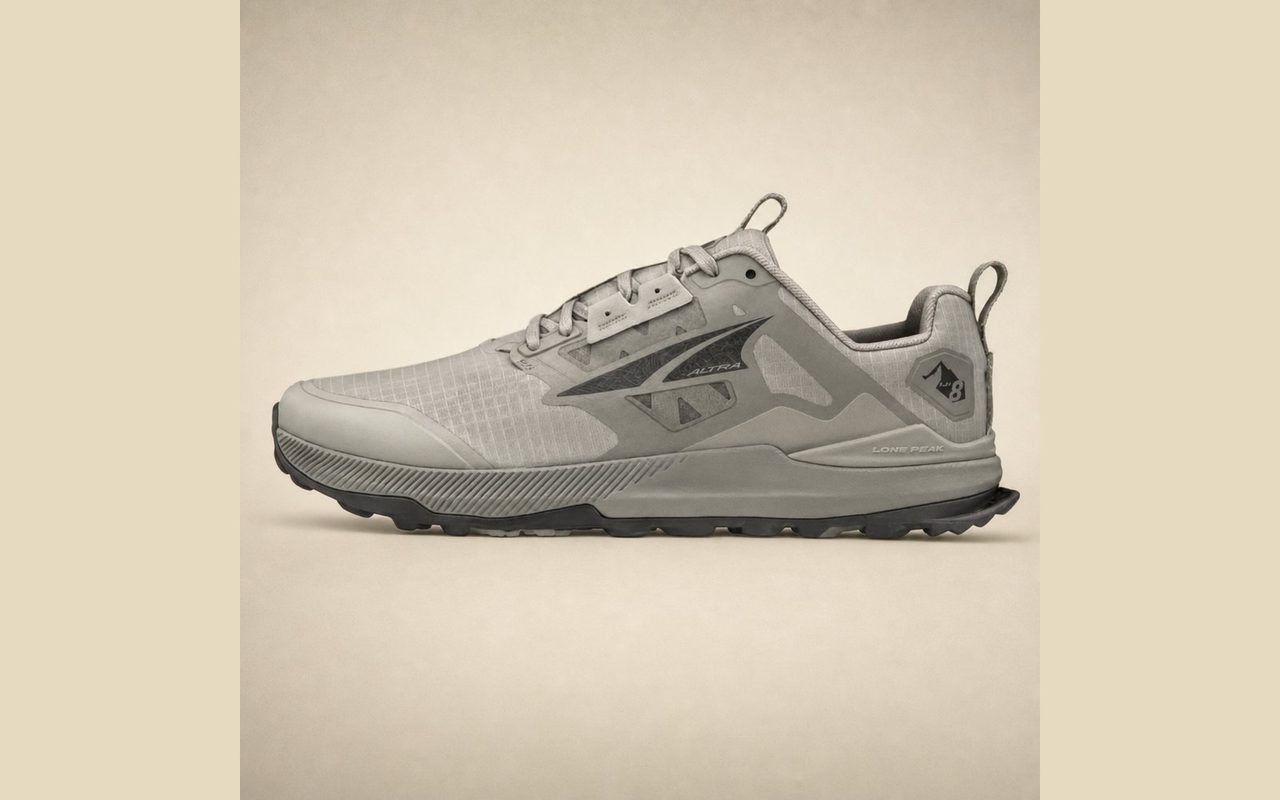
Zero-drop, wide, 10.2 oz. The LP8 is the benchmark for fast-packers already in zero-drop shoes. Clear buy for that buyer; hard skip for beginners or loads over 30 lb.
The Altra Lone Peak has been the default zero-drop trail shoe recommendation on r/Ultralight for years. The LP8 doesn't reinvent that formula, but it does fix the LP7's most-complained-about weakness: a mesh upper that wore through too fast on rocky trail. At 10.2 oz for a men's size 9, a genuine 0mm drop, and a FootShape toe box wide enough for most foot types, this is still the benchmark for UL-pace backpackers and fast-packers who already live in zero-drop shoes. The caveats are real and specific, though, and knowing them before you buy matters.
 By Brooke5 min read
Share this post
Send it to someone who's planning a trip.
Who the Lone Peak 8 is actually for
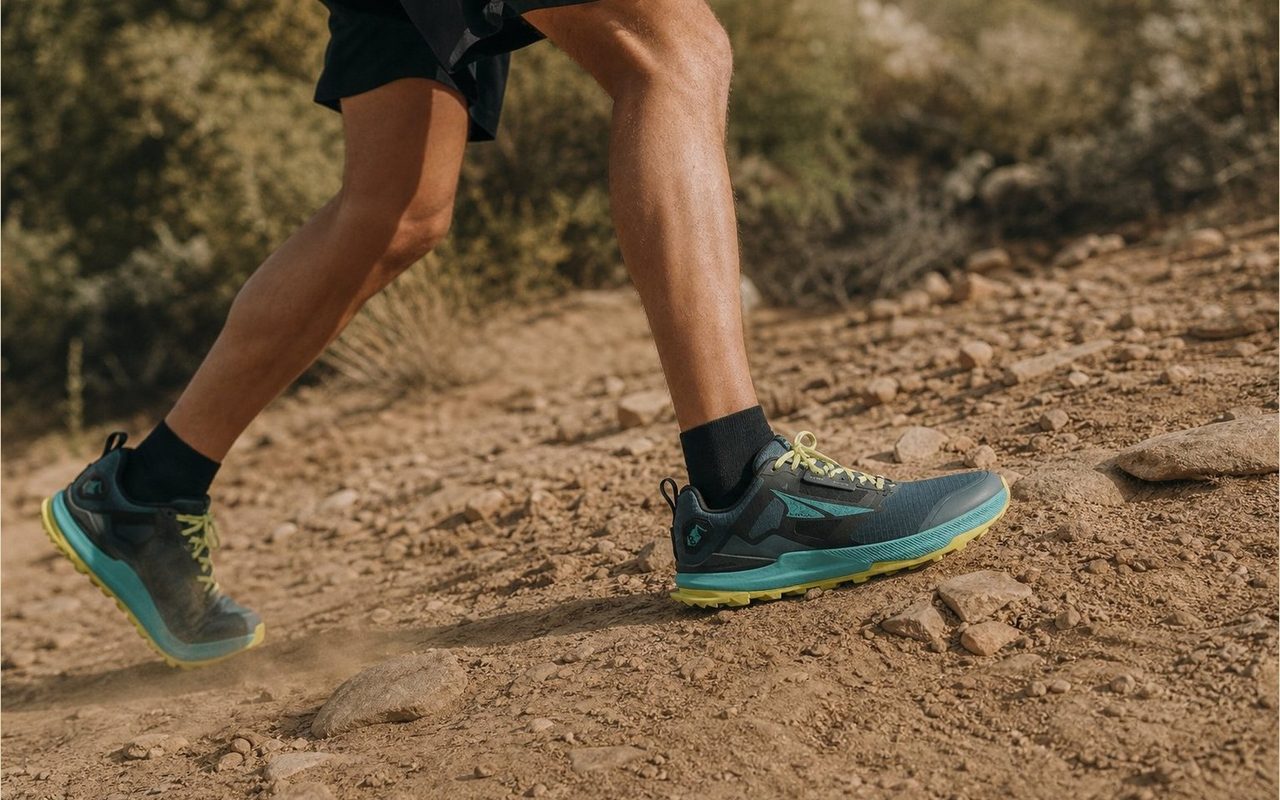
The LP8's identity is zero-drop and wide. Those two things describe its target buyer better than any spec sheet can. If you run in Altras, Topos, or Xero shoes off-trail and want a shoe that carries over to multi-day backpacking at 15-25 miles a day with a pack under 20 lb, this is the obvious choice.
The people who should skip it are just as specific. Zero-drop puts more load on your calves and Achilles than a traditional 8-10mm drop shoe. Coming in from conventional hiking shoes or high-drop trail runners without a 4-8 week ramp-up period is a reliable way to develop Achilles tendinitis. If you're heading out on a five-day trip and your current shoes have meaningful drop, the LP8 is not the right time to experiment.
Also not the right fit: anyone carrying more than 30 lb. Zero-drop and a light midsole at high pack weights concentrates stress on your forefoot in a way that fatigues most hikers faster than a stiffer hiking shoe would.

Zero-drop: what it means in practice
The LP8's 0mm drop means heel and forefoot sit at exactly the same height. That changes your gait. Most trail shoes put 4-12mm of lift under your heel, which shifts your stride to land heel-first. With the LP8, a midfoot or forefoot strike tends to feel more natural, your calves take more of the work, and your toes spread out in the FootShape toe box instead of being compressed toward a tapered point.
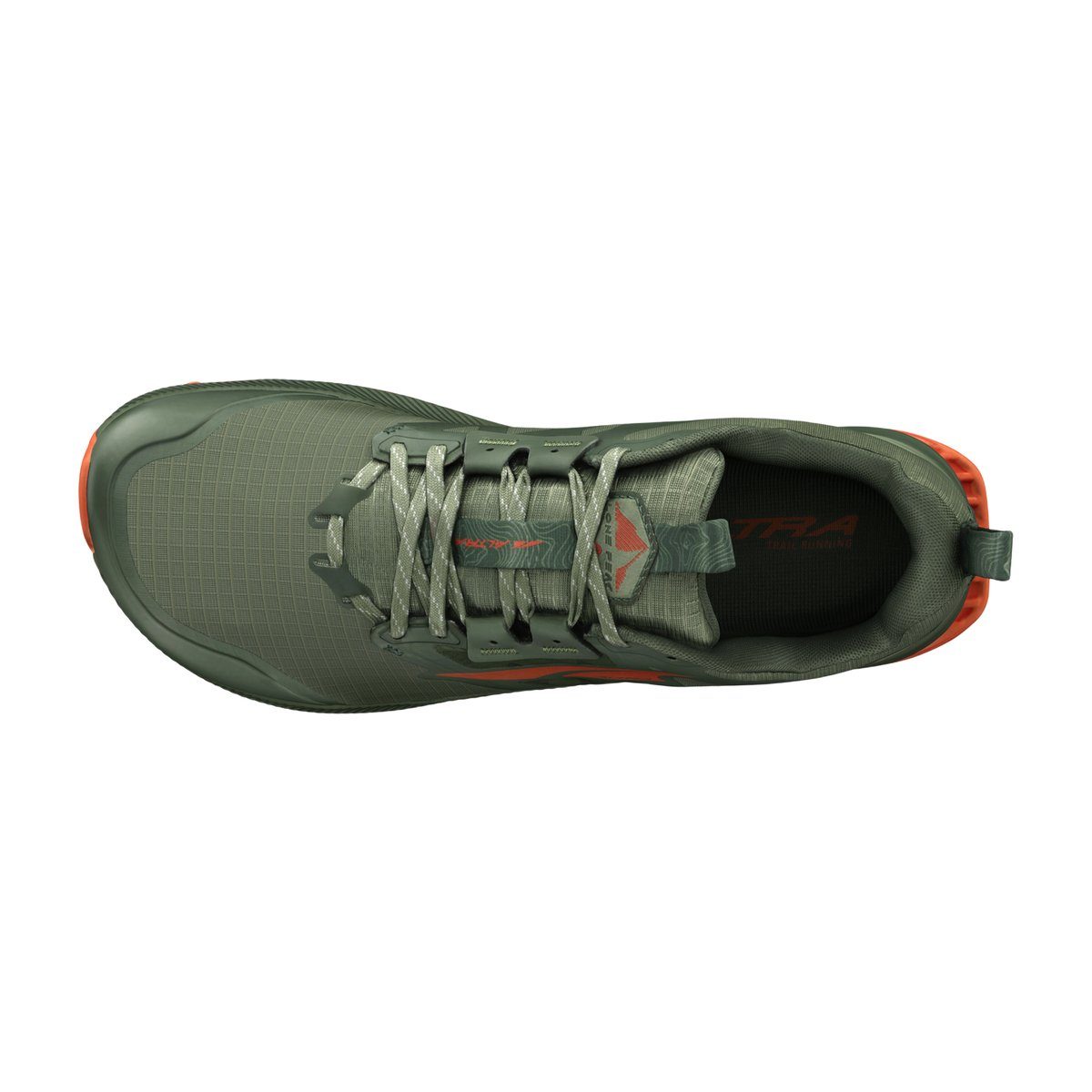
For buyers already in zero-drop running shoes, the LP8 fits the way trail shoes should. The FootShape toe box is wide enough that even slightly wider feet won't feel squeezed after hour three. The 25mm stack gives enough cushion for long days on rocky trail without feeling like a maximalist shoe.
Sizing tracks LP7 closely. Community consensus on r/Ultralight confirmed most LP7 owners stayed in the same size when moving to LP8, which is a useful data point given how much fit can vary between versions in this category.
The ripstop upper: LP8's real upgrade
The LP7's mesh upper was the most consistent complaint in multi-month reviews. Lateral edges would abrade through on rocky trail faster than expected, especially on long Washington or Sierra routes where trail surfaces are rough. The LP8 addresses this directly with a ripstop mesh upper that shows meaningfully less lateral wear in extended tests documented across RunRepeat, SectionHiker, and Treeline Review.
Ripstop adds abrasion resistance without killing breathability. The LP8 still drains and dries fast when you cross water, and the mesh airflow holds up on hot desert trail. It's not a waterproof upper, and Altra does offer a GTX version if you're in a wet climate. The GTX adds about 1.5 oz and cuts breathability noticeably, so for most three-season use the standard LP8 upper is the right call.
The gaiter trap attachment is still present on the LP8, compatible with Altra's own gaiters as well as third-party options. A useful detail for dusty desert routes where debris in the shoe is the most common irritant.
The outsole: where MaxTrac shows its limits
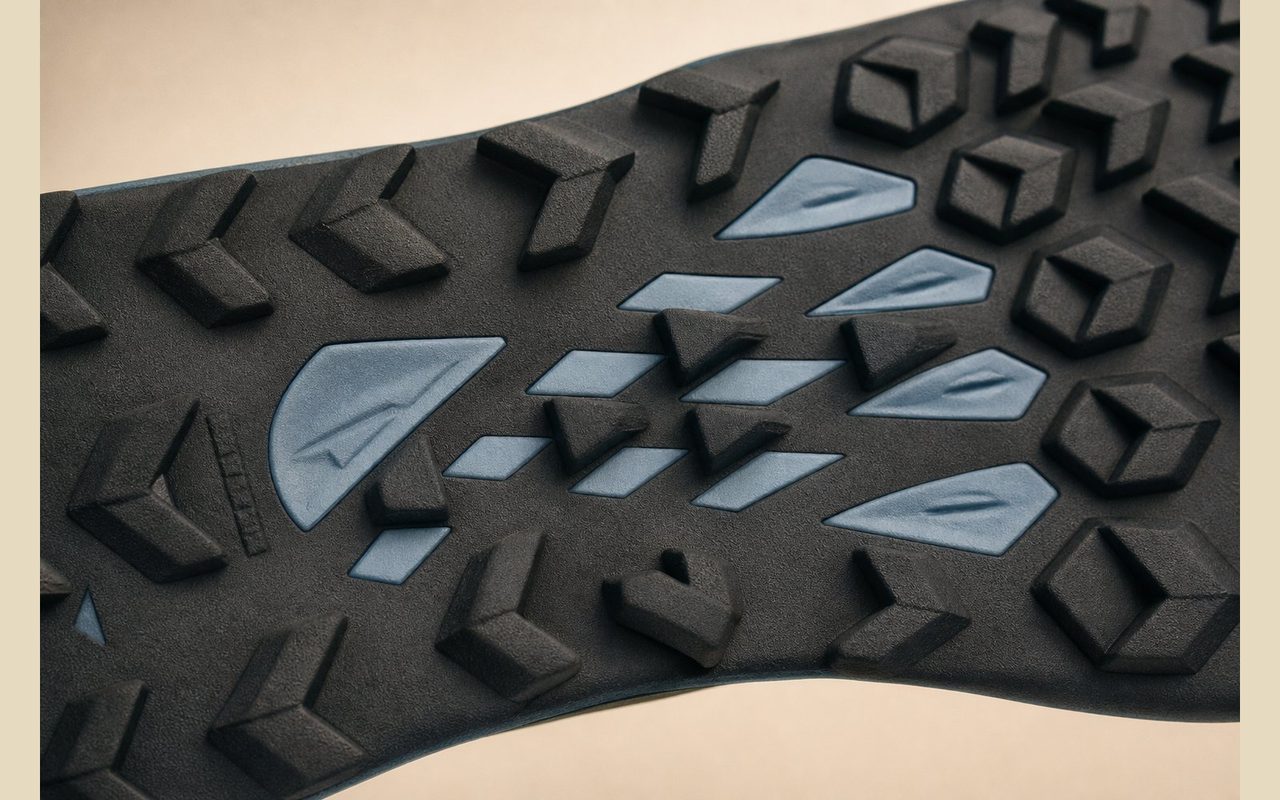
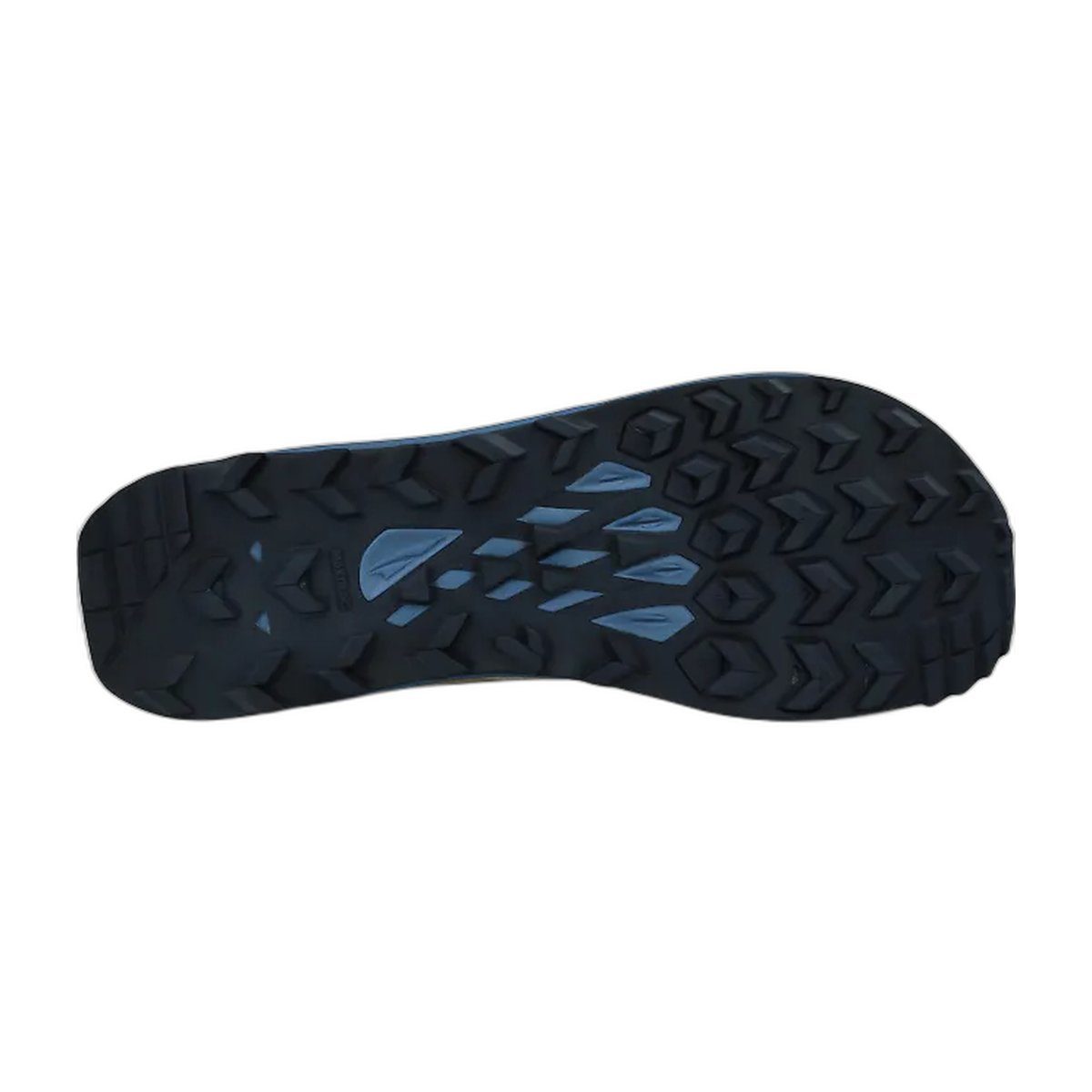
MaxTrac rubber with TrailClaw directional lugs handles soft trail, dirt, and moderate mud well. On granite slab and dry slickrock it's serviceable but noticeably less confident than Vibram Megagrip-soled competitors like the Hoka Speedgoat 5 or Topo Ultraventure 3.
Durability is the bigger gap. Vibram Megagrip consistently outperforms MaxTrac on abrasion life, and the difference shows up in long-distance reports. On high-use granite trails in the Sierra or White Mountains, LP8 owners commonly see outsole wear at 300-400 miles. On softer eastern trails, reports push to 500+ miles. That's a real-world consideration for thru-hikers who put on 500+ miles per trip.
This isn't a dealbreaker for the target buyer. Fast-packers doing a 200-mile trip don't wear out a single pair. But if you're deciding between the LP8 and the Topo Ultraventure 3 and outsole life is a priority, the Topo is the honest recommendation.
How it compares
The most honest alternative for buyers wanting zero-drop plus better outsole life is the Topo Athletic Ultraventure 3 (~9.4 oz, Vibram Megagrip, priced right alongside the LP8). It's the same zero-drop, wide-toe-box concept, and trades Altra's FootShape familiarity for Vibram rubber. If you're not already in the Altra ecosystem and outsole life matters to you, the Topo deserves serious consideration.
The Hoka Speedgoat 5 (~10.1 oz, Vibram Megagrip, similarly priced) is the choice for buyers who want maximum cushion and outsole durability and can accept 4mm drop and a narrower toe box. Better for high-mileage runners who prioritize durability over zero-drop identity.
The Salomon Speedcross 6 (~11 oz, comparable price) goes the other direction, with far more aggressive lugs for wet and muddy terrain, but heavier, 6mm drop, and narrow. If your route is primarily wet singletrack, the Speedcross is the specialist pick.
For the specific UL-backpacking buyer the LP8 targets, the Topo Ultraventure 3 is the only close alternative. The Hoka and Salomon serve different use cases.
Pros
- Genuine 0mm drop with 25mm stack: enough cushion for long days without compromising natural gait
- FootShape toe box is the widest in the mainstream trail runner category
- Ripstop mesh upper is meaningfully more durable than LP7
- 10.2 oz (men's) is reasonable for the zero-drop trail-runner category
- Gaiter trap compatible; drains and dries fast on wet crossings
Cons
- MaxTrac outsole wears faster than Vibram Megagrip competitors, especially on granite
- Not suitable for zero-drop beginners without a 4-8 week ramp-up period
- Wet slab and alpine rock performance is mediocre
- Low-cut design offers minimal ankle support on very technical terrain with heavy packs
- No built-in waterproofing; GTX version adds 1.5 oz and cuts breathability
Key Specifications
- Drop
- 0mm (zero-drop)
- MSRP
- ~$135–155
- Upper
- Ripstop mesh
- Weight
- 10.2 oz men's (RunRepeat lab, size 9) / 8.0 oz women's
- Outsole
- MaxTrac TrailClaw
- Stack Height
- 25mm heel / 25mm forefoot
More from Trail Runners
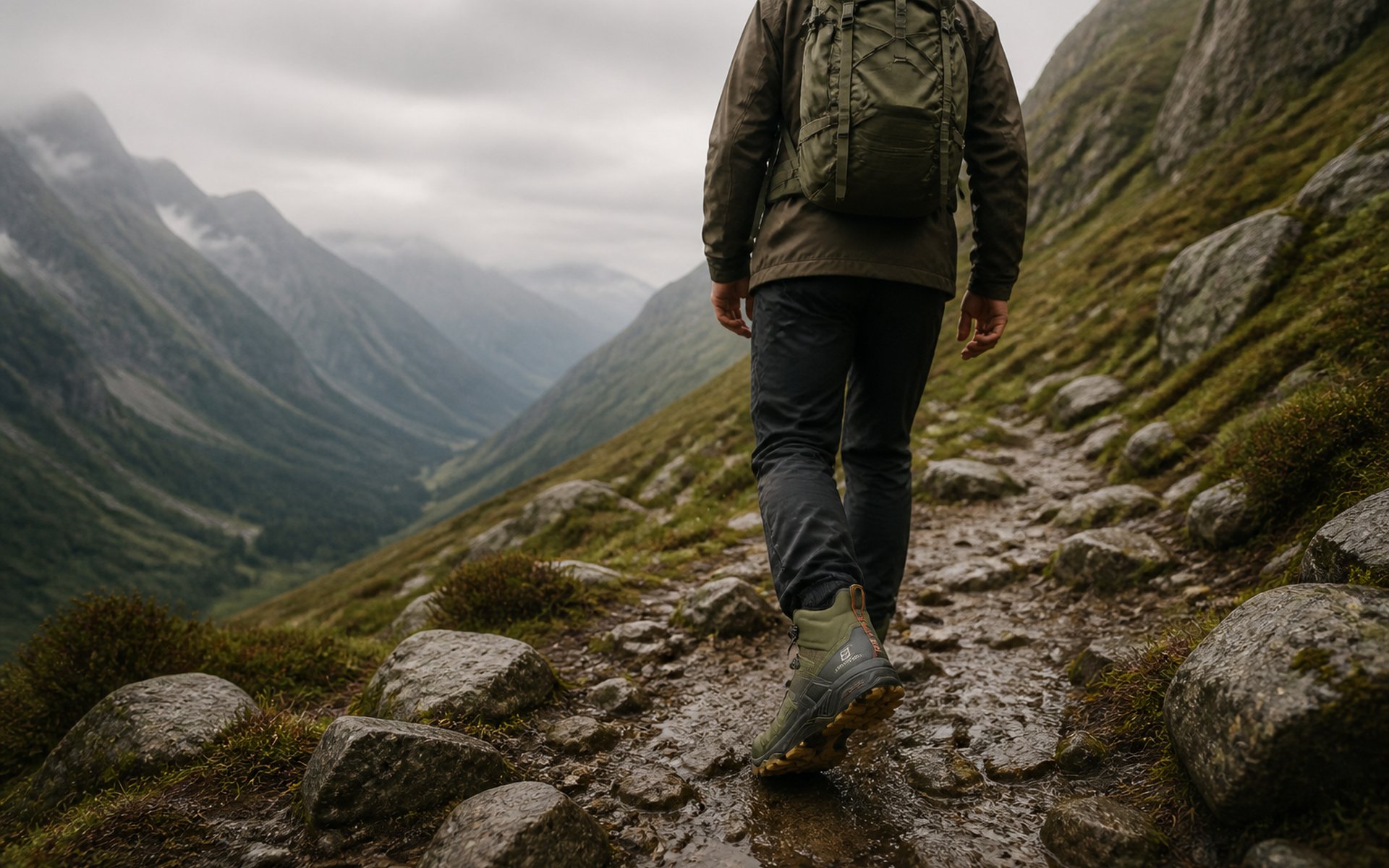
Salomon X Ultra 4 Mid GTX vs Altra Lone Peak 8: Waterproof Boot or Zero-Drop Trail Runner
The Salomon wins for wet protection and support. The Lone Peak wins for adapted zero-drop hikers who want less foot weight and faster drying.
 Brooke Wilder
10 min read
Brooke Wilder
10 min read
Get one honest gear take every Friday.
No spam. Just gear picks, packing lessons, and notes from this week's research.
Why trust BestForBackpacking
Honest gear advice for backpackers, researched, weighed, and recommended.
Every pick is based on deep research: a synthesis of long-term owner reports, independent reviewer tests, and manufacturer specs, weighted by source independence, specificity, and use-case match. Brooke Wilder is our gear editor, the editorial persona who turns that research into a clear recommendation.