
Sleeping Pads
Best Backpacking Sleeping Pads: Which Pad Fits Your Sleep Style
Last updated:
A practical sleeping-pad comparison for side sleepers, cold sleepers, foam-pad loyalists, and NeoAir skeptics.
 By Brooke3 min read
Share this post
Send it to someone who's planning a trip.
Retailer links on this page are affiliate links. We may earn a commission if you buy, and your price doesn't change. How affiliate links work →
Quick picks
My picks at a glance
| Pick | Product | Where to look |
|---|---|---|
| Overall pick | Therm-a-Rest NeoAir XLite NXT | Check price at Amazon → |
| For side sleepers who need more cushion under hip and shoulder | Sea to Summit Ether Light XR | Check price at Amazon → |
| For budget hikers, rough camps, and puncture-proof backup use | Therm-a-Rest Z Lite Sol | Check price at Amazon → |
| For sleep-warm hikers who want a quieter light air pad | NEMO Tensor Trail | Check price at Amazon → |
| For medium-wide value comfort | Exped Ultra 3R | Check price at Amazon → |
Full reasoning for each pick is further down the page.
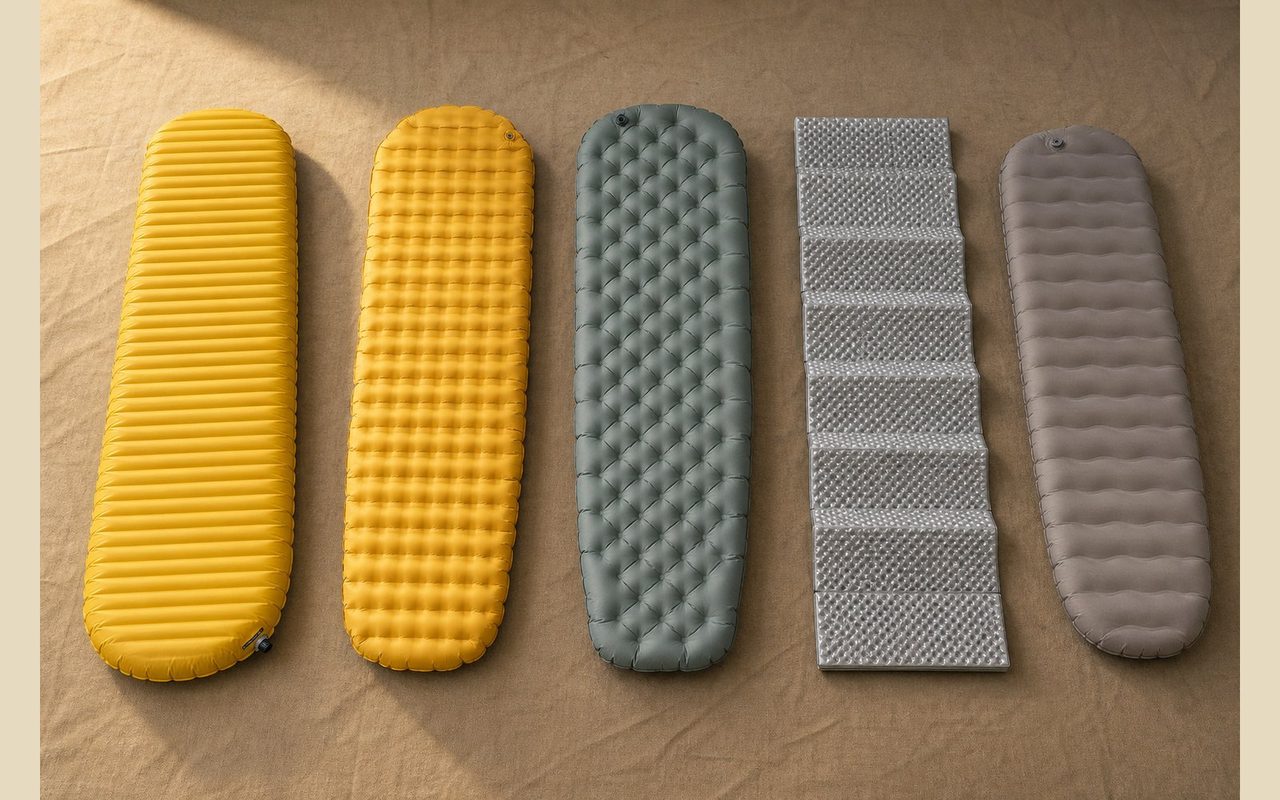
At a glance
The contenders
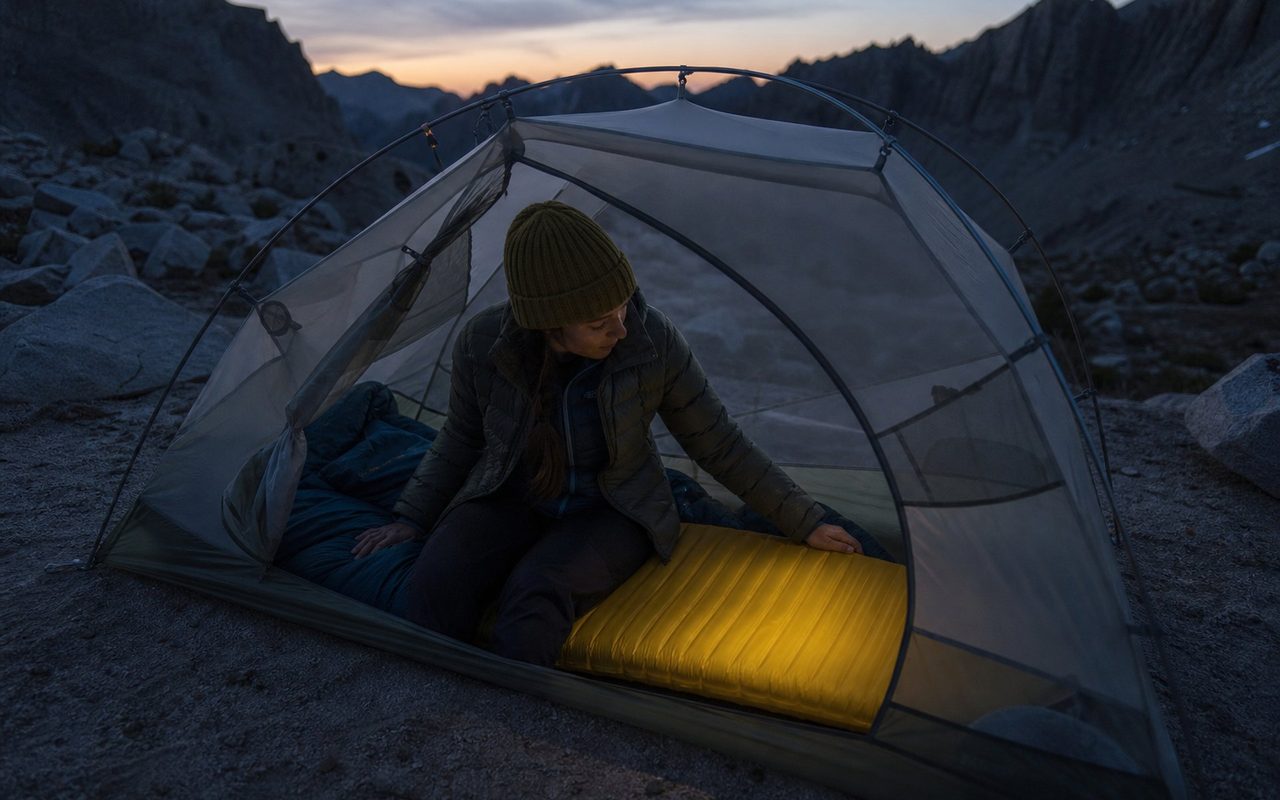
Therm-a-Rest NeoAir XLite NXT
~$230–250typical
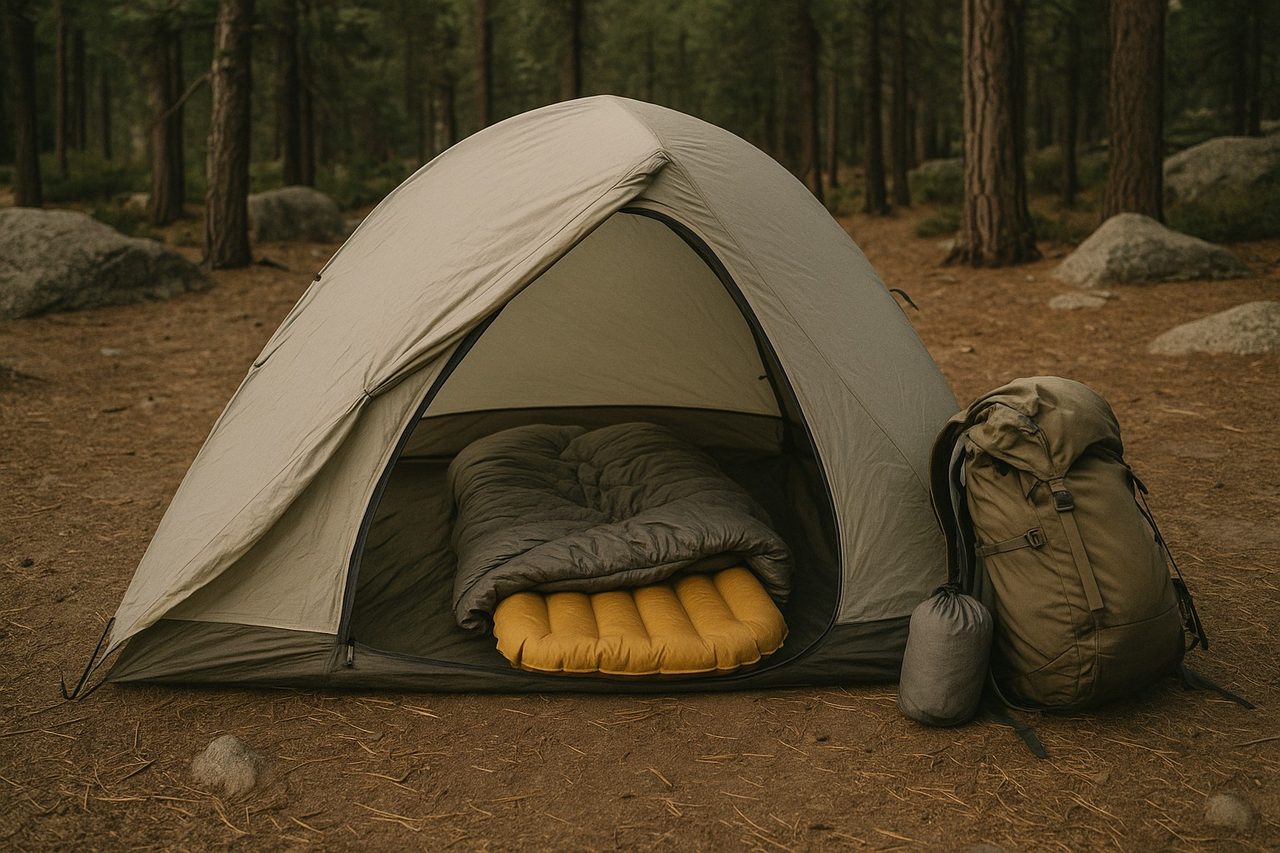
The warmth-to-weight reference point. It makes the most sense for hikers who want a small packed air pad with real three-season insulation and will treat it carefully.
NEMO Tensor Trail
~$180–200typical
The quieter NeoAir alternative for three-season trips that do not need the warmest pad here. The Regular Mummy ASIN is the light, narrow version.
Sea to Summit Ether Light XR
~$185–205typical
The side-sleeper comfort pick. It is thicker and more comfort-first than the leanest pads, while still carrying an ASTM-tested three-season R-value.
Therm-a-Rest Z Lite Sol
~$55–65typical
The puncture-proof value pick. It is bulky and firm, but it cannot spring an air leak and has the broadest owner-rating sample in this set.
Exped Ultra 3R
~$165–175typical
The medium-wide value air pad. It gives side sleepers more room than the narrow mummy pads without jumping into winter-pad weight or price bands.
Spec check
How they stack up at a glance
| Product | Best for | Construction | R-value | Weight checked | Size checked | Thickness | Packed size | Price band | Buy |
|---|---|---|---|---|---|---|---|---|---|
| Therm-a-Rest NeoAir XLite NXT | Cold ultralight trips | Air pad | 4.5 | Large ASIN: 1 lb 1 oz | 77 x 25 x 3 in | 3 in | 11 x 4.6 in | ~$230–250 | Check price → |
| NEMO Tensor Trail | Quiet light trips | Air pad | 2.8 | Regular Mummy: 13 oz minimum | 72 x 20 x 3.5 in | 3.5 in | 10 x 4 in | ~$180–200 | Check price → |
| Sea to Summit Ether Light XR | Side-sleeper comfort | Air pad | 4.1 ASTM | Regular: 16.6 oz | 72 x 21.5 x 3.9 in | 3.9 in | 8 x 4 x 4 in | ~$185–205 | Check price → |
| Therm-a-Rest Z Lite Sol | Rough camps and budget | Closed-cell foam | 2.0 | Regular: 14 oz | 72 x 20 x 0.75 in | 0.75 in | 20 x 5.5 x 5 in | ~$55–65 | Check price → |
| Exped Ultra 3R | Medium-wide value | Air pad | 3.2 | Medium Wide: 1 lb 3 oz | 72 x 25.6 x 3 in | 3 in | 10.6 x 4.5 in | ~$165–175 | Check price → |
Therm-a-Rest NeoAir XLite NXT
★ Top pick- Best for
- Cold ultralight trips
- Construction
- Air pad
- R-value
- 4.5
- Weight checked
- Large ASIN: 1 lb 1 oz
- Size checked
- 77 x 25 x 3 in
- Thickness
- 3 in
- Packed size
- 11 x 4.6 in
- Price band
- ~$230–250
NEMO Tensor Trail
★ Top pick- Best for
- Quiet light trips
- Construction
- Air pad
- R-value
- 2.8
- Weight checked
- Regular Mummy: 13 oz minimum
- Size checked
- 72 x 20 x 3.5 in
- Thickness
- 3.5 in
- Packed size
- 10 x 4 in
- Price band
- ~$180–200
Sea to Summit Ether Light XR
★ Top pick- Best for
- Side-sleeper comfort
- Construction
- Air pad
- R-value
- 4.1 ASTM
- Weight checked
- Regular: 16.6 oz
- Size checked
- 72 x 21.5 x 3.9 in
- Thickness
- 3.9 in
- Packed size
- 8 x 4 x 4 in
- Price band
- ~$185–205
Therm-a-Rest Z Lite Sol
★ Top pick- Best for
- Rough camps and budget
- Construction
- Closed-cell foam
- R-value
- 2.0
- Weight checked
- Regular: 14 oz
- Size checked
- 72 x 20 x 0.75 in
- Thickness
- 0.75 in
- Packed size
- 20 x 5.5 x 5 in
- Price band
- ~$55–65
Exped Ultra 3R
★ Top pick- Best for
- Medium-wide value
- Construction
- Air pad
- R-value
- 3.2
- Weight checked
- Medium Wide: 1 lb 3 oz
- Size checked
- 72 x 25.6 x 3 in
- Thickness
- 3 in
- Packed size
- 10.6 x 4.5 in
- Price band
- ~$165–175
Pick by scenario
Who This Comparison Is For
Jump straight to the winner for how you hike.
| Scenario | Best pick |
|---|---|
| Ultralight | Therm-a-Rest NeoAir XLite NXT |
| Bigger-hiker | Sea to Summit Ether Light XR |
| Wet-climate | Therm-a-Rest Z Lite Sol |
| Budget-conscious | Therm-a-Rest Z Lite Sol |
| Weekender | Exped Ultra 3R |
Ultralight
Bigger-hiker
Sea to Summit Ether Light XR
Wet-climate
Therm-a-Rest Z Lite Sol
Budget-conscious
Therm-a-Rest Z Lite Sol
Weekender
Exped Ultra 3R
How to choose the right sleeping pad
Start with ground temperature, then sleep style, then failure tolerance. If you use a quilt or camp near freezing, the pad is not a comfort accessory. It is part of the insulation system. If you sleep on your side, thickness and width matter more than shaving the last few ounces. If you camp on rough desert pads, wet duff, or crowded shelter floors, a foam pad or a repair kit becomes part of the decision.
The overall winner is the NeoAir XLite NXT, with caveats
The NeoAir XLite NXT still wins the broad backpacking-pad slot because its R-value, packed size, and weight are hard to beat in one piece of gear. That does not make it the best pad for every hiker. It is an air pad, so it asks you to clear sharp debris, carry repair supplies, and accept some noise. Hikers who already distrust air pads should not talk themselves into it just because the table looks efficient.
Side sleepers should look at thickness before score
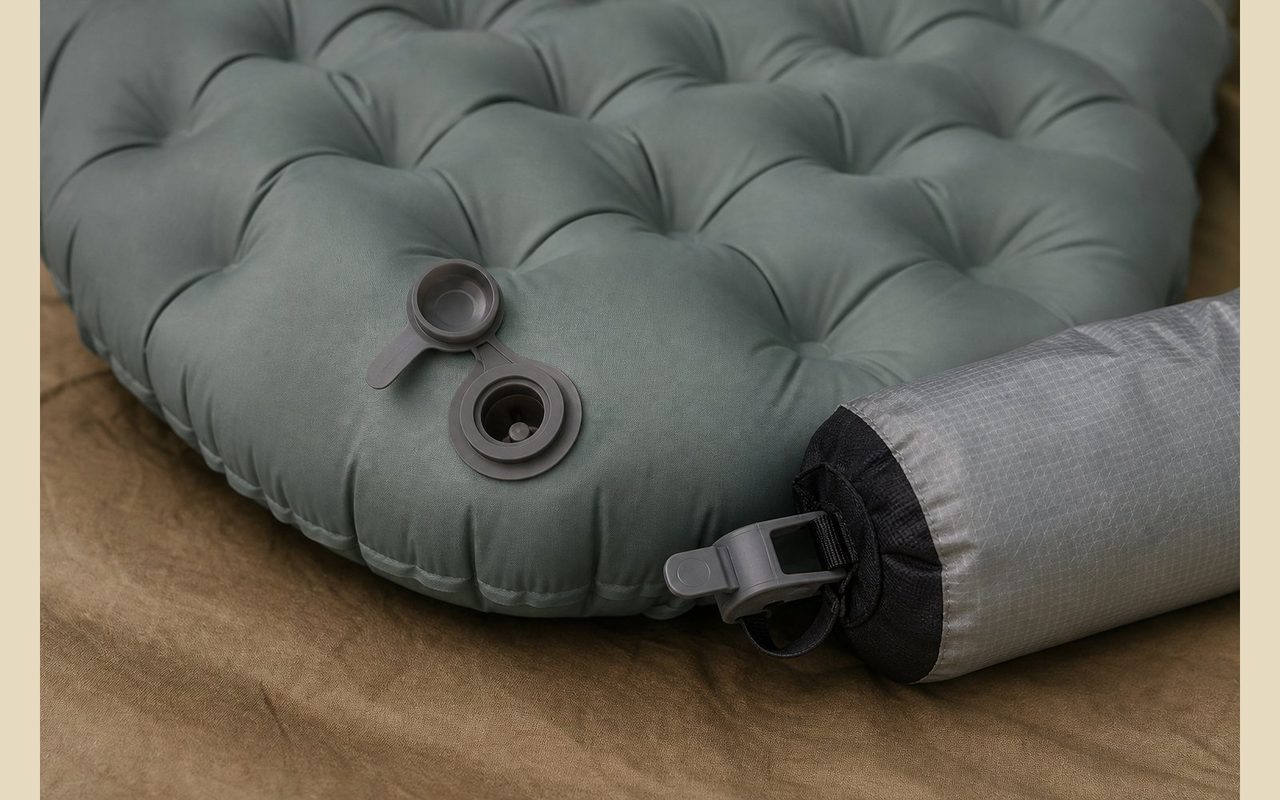
A narrow, efficient mummy pad can be excellent and still be the wrong answer for a side sleeper. The Sea to Summit Ether Light XR has the most convincing comfort case here because its regular tapered version is almost four inches thick, with Air Sprung Cell construction and a pump sack built into the stuff sack. The Exped Ultra 3R Medium Wide is the value lane for hikers who want more elbow and knee room without moving to a heavier winter pad.
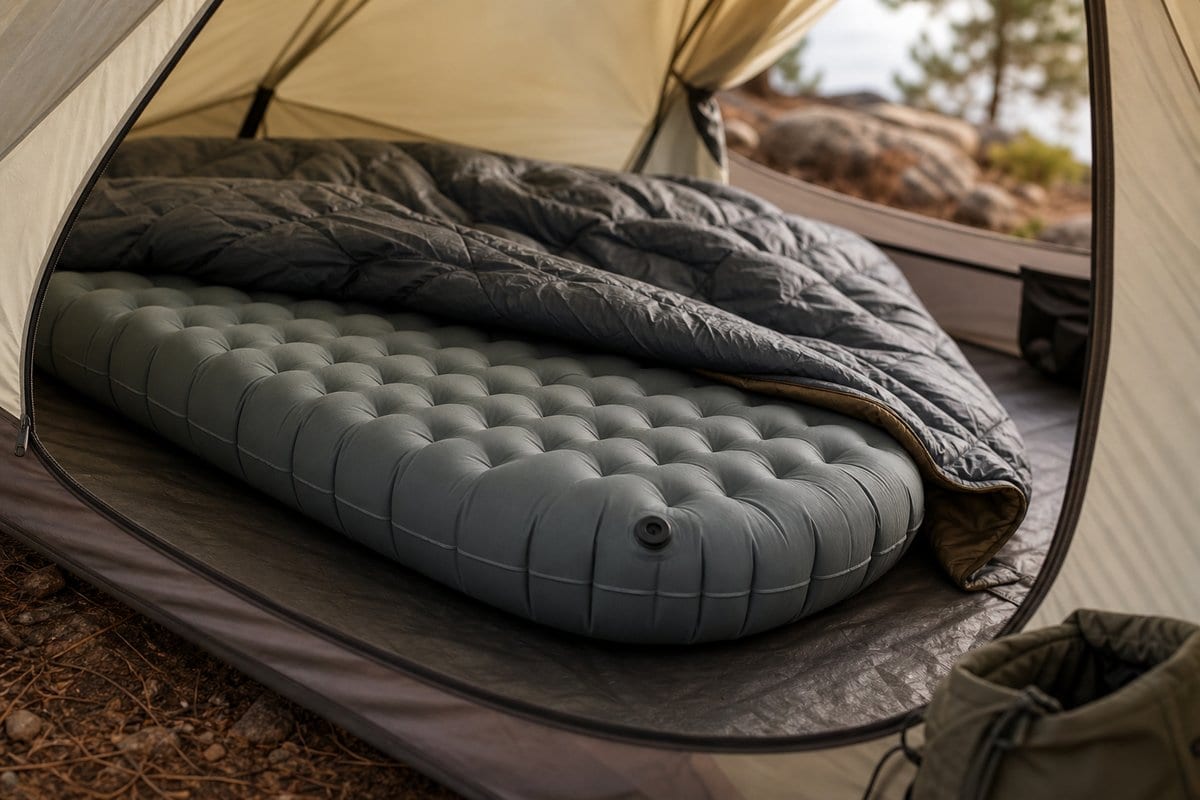
Foam is not outdated when failure risk matters
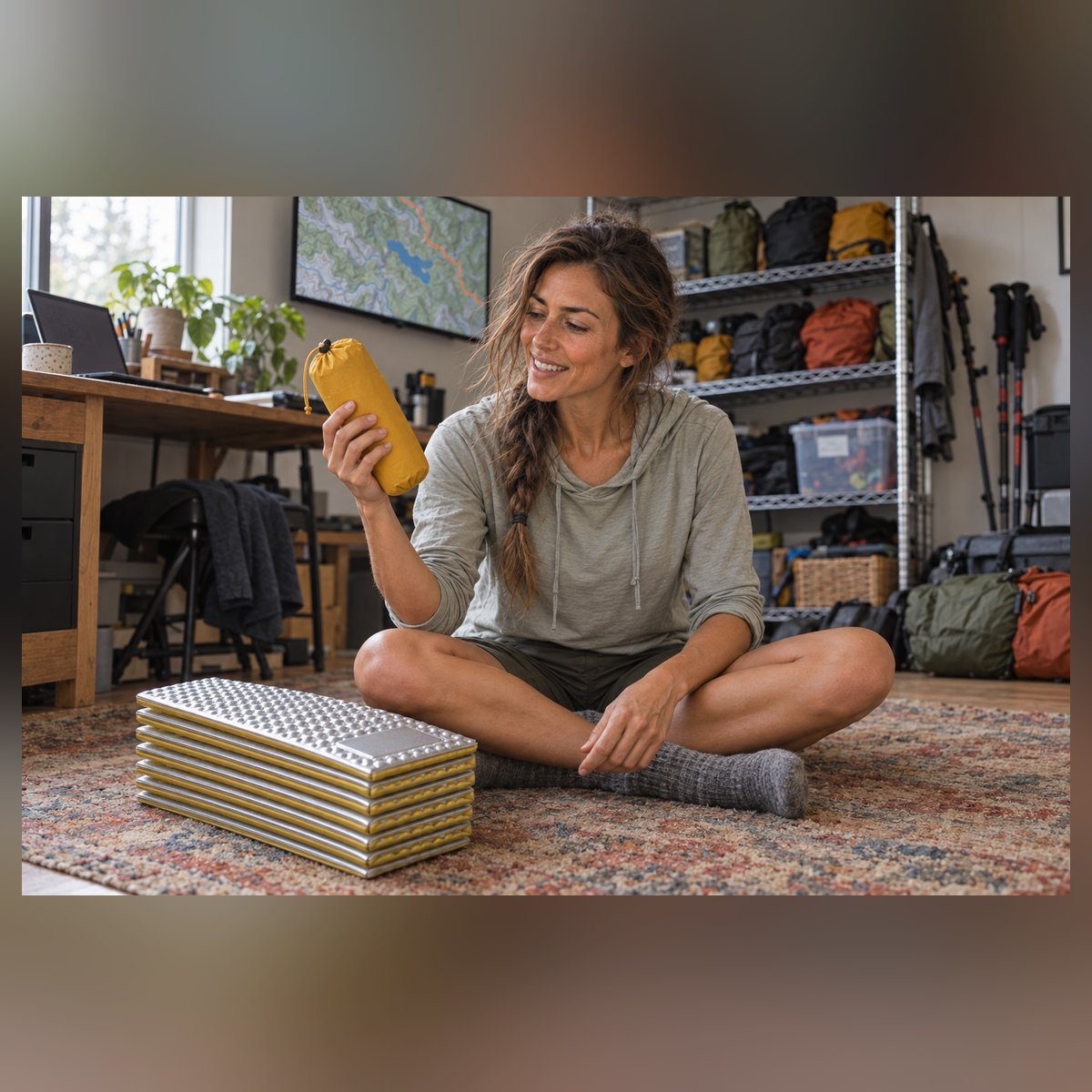
The Z Lite Sol is the least plush pad in this comparison and the easiest one to dismiss on packed size. It also solves a problem no inflatable can solve: it cannot puncture. That matters for humid ground, sharp campsites, lunch breaks, and hikers who would rather accept firm sleep than wonder whether a valve or seam will hold. Its lower R-value makes it a warm-weather or backup choice, not the pad I would pick as the only insulation for cold shoulder-season ground.
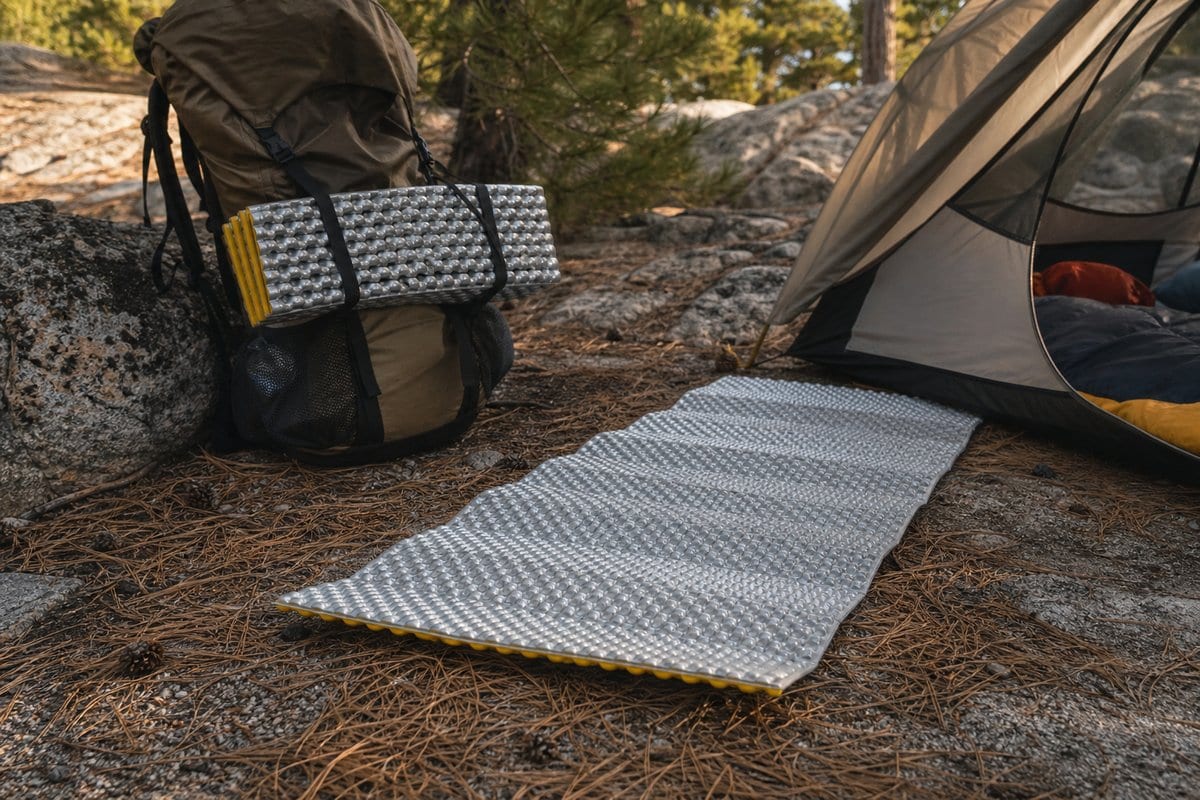
Use R-value as a floor, not a trophy number
R-value should answer one question: will this pad keep the ground from stealing heat from the rest of your sleep system? For most three-season backpackers, the NeoAir and Ether Light XR give more margin than the Tensor Trail and Z Lite Sol. The Exped Ultra 3R sits in the fair-weather to shoulder-season middle. If your bag or quilt is already near its limit, do not count on a low-R pad to make up the difference.
What I would skip
Skip the NeoAir if you want a no-fuss pad for rough camps and do not want to think about repair. Skip the Tensor Trail if cold ground is a regular part of your trips. Skip the Ether Light XR if you want the smallest possible pad above all else. Skip the Z Lite Sol if hip comfort decides whether you sleep. Skip the Exped Ultra 3R if you want the warmest pad in the set or a narrow mummy pad for the lightest kit.
Frequently asked
Quick answers
How do I choose a sleeping pad for backpacking?
Start with ground temperature, then sleep style, then how much failure risk you'll accept. Cold ground or a quilt means R-value matters most. Side sleepers should look at thickness and width before shaving ounces. Rough or wet camps make a foam pad, or at least a repair kit, part of the decision.
What's the best sleeping pad for side sleepers?
In this comparison, the Sea to Summit Ether Light XR. The regular tapered version is almost 4 inches thick, with Air Sprung Cell construction. If you want more elbow and knee room for less money, the Exped Ultra 3R Medium Wide is the value pick.
Get one honest gear take every Friday.
One email a week: new reviews, one gear pick with my reasoning, and nothing sponsored. Confirm your address and you get my printable 2-page backpacking gear checklist.
You'll get a confirmation link first, and nothing else arrives until you click it. Every email has a one-click unsubscribe. How your email is handled
More from Sleeping Pads

Therm-a-Rest NeoLoft Review: The Most Comfortable Pad I've Read About, at a Price in Ounces
The NeoLoft is the most comfortable backpacking pad in the reviews I read, at about 25 oz. Buy it if you sleep on your side; skip it if you count grams or camp on snow.
 Brooke Wilder
9 min read
Brooke Wilder
9 min read
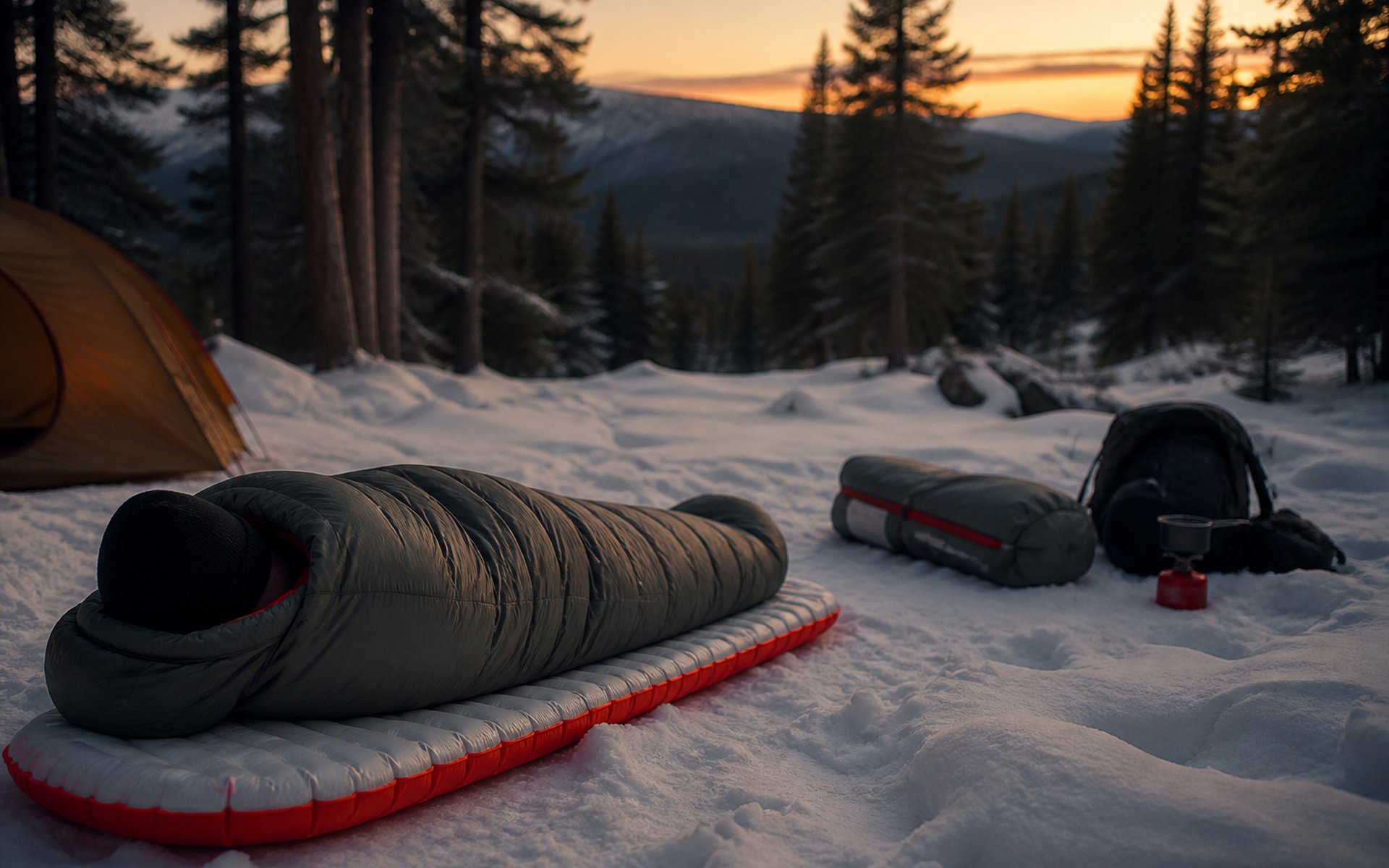
Therm-a-Rest NeoAir XTherm NXT vs NEMO Tensor All-Season
The XTherm NXT brings more insulation margin. The Tensor All-Season gives side sleepers a quieter, roomier bed. Here is how to choose based on the trips you actually take.
Brooke Wilder
6 min read

NEMO Tensor Elite Sleeping Pad Review
NEMO Tensor Elite review: 8.5 oz, 3 inches, R-2.4. What OutdoorGearLab and CleverHiker found, and the warmth-per-ounce math that decides it.
Brooke Wilder
8 min read
Why trust BestForBackpacking
Honest gear advice for backpackers, researched, weighed, and recommended.
Every pick is based on deep research: a synthesis of long-term owner reports, independent reviewer tests, and manufacturer specs, weighted by source independence, specificity, and use-case match. Brooke Wilder is our gear editor, the editorial persona who turns that research into a clear recommendation.