
Sleeping Pads
Therm-a-Rest NeoAir XLite NXT Review: The Three-Season Benchmark
Last updated: June 2026
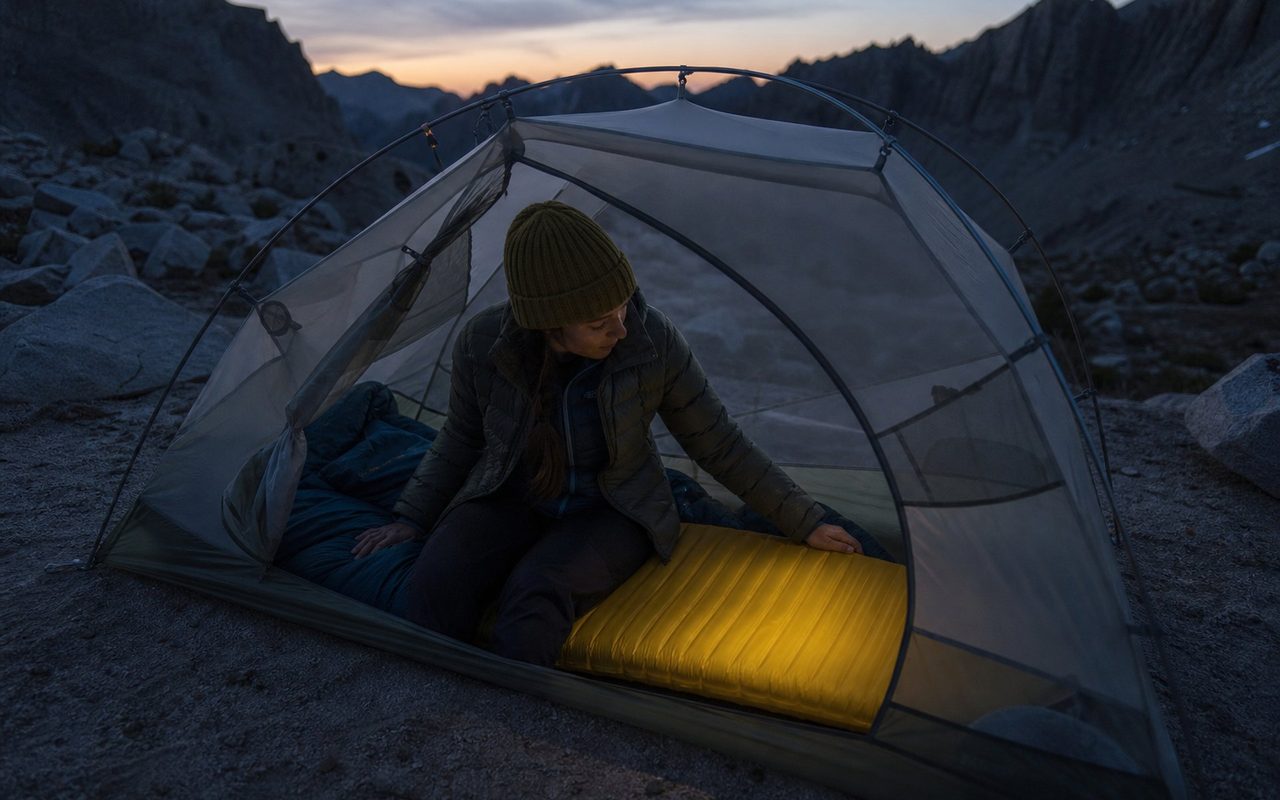
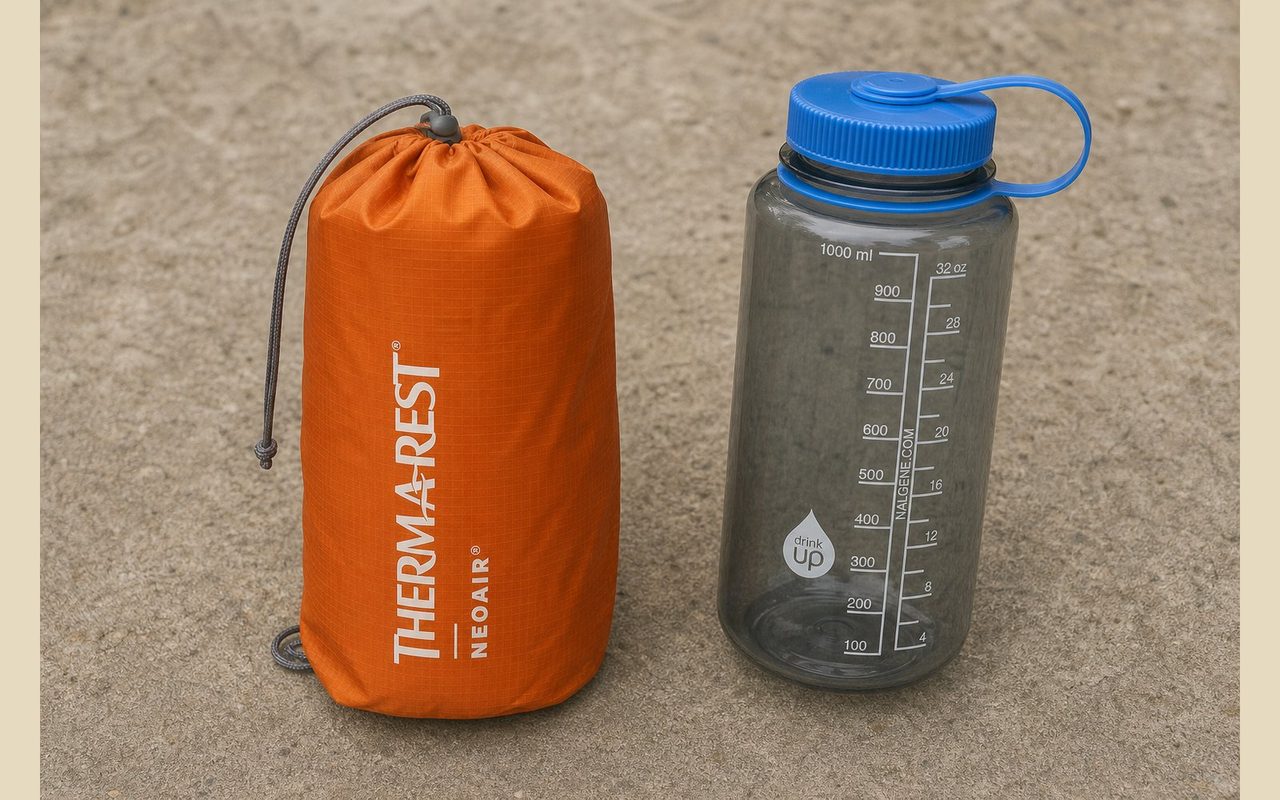
The NeoAir XLite has set the warmth-to-weight standard for inflatable sleeping pads for years, and the NXT update raised that bar. Therm-a-Rest addressed the original XLite's loudest complaint, a noisy crinkle that disrupted light sleepers, by redesigning the internal baffle structure. At R-4.5 and 13 oz for the Regular, the NXT delivers benchmark three-season performance in a package that packs down to the size of a large water bottle. This review covers who should buy it, who should consider quieter or cheaper alternatives, and what long-term field testing shows about durability over thousands of trail miles.
 By Brooke5 min read
Share this post
Send it to someone who's planning a trip.
Who Should Buy the NeoAir XLite NXT
The NeoAir XLite NXT is built for backpackers who treat warmth-to-weight as a non-negotiable. That covers most thru-hikers on the PCT, AT, or CDT, tent campers coming off foam pads who want a meaningful upgrade, and anyone who has run cold at night and wants the reliability of R-4.5 insulation.
The longer question is who should think twice. Budget buyers will find comparable three-season performance in the Klymit Insulated Static V Lite at roughly half the price, with a weight and warmth trade-off worth evaluating. If noise is the number one concern, the NEMO Tensor Insulated consistently tests quieter and costs about the same. Side sleepers or bigger hikers who find the Regular (20 inches) narrow should look at the Regular Wide (25 inches) or the Large, which adds both width and length.
The Women's NeoAir XLite NXT is a separate product with its own specs, tuned for a different torso length and warmth profile. This review covers the standard NXT only.
What the NXT Changed
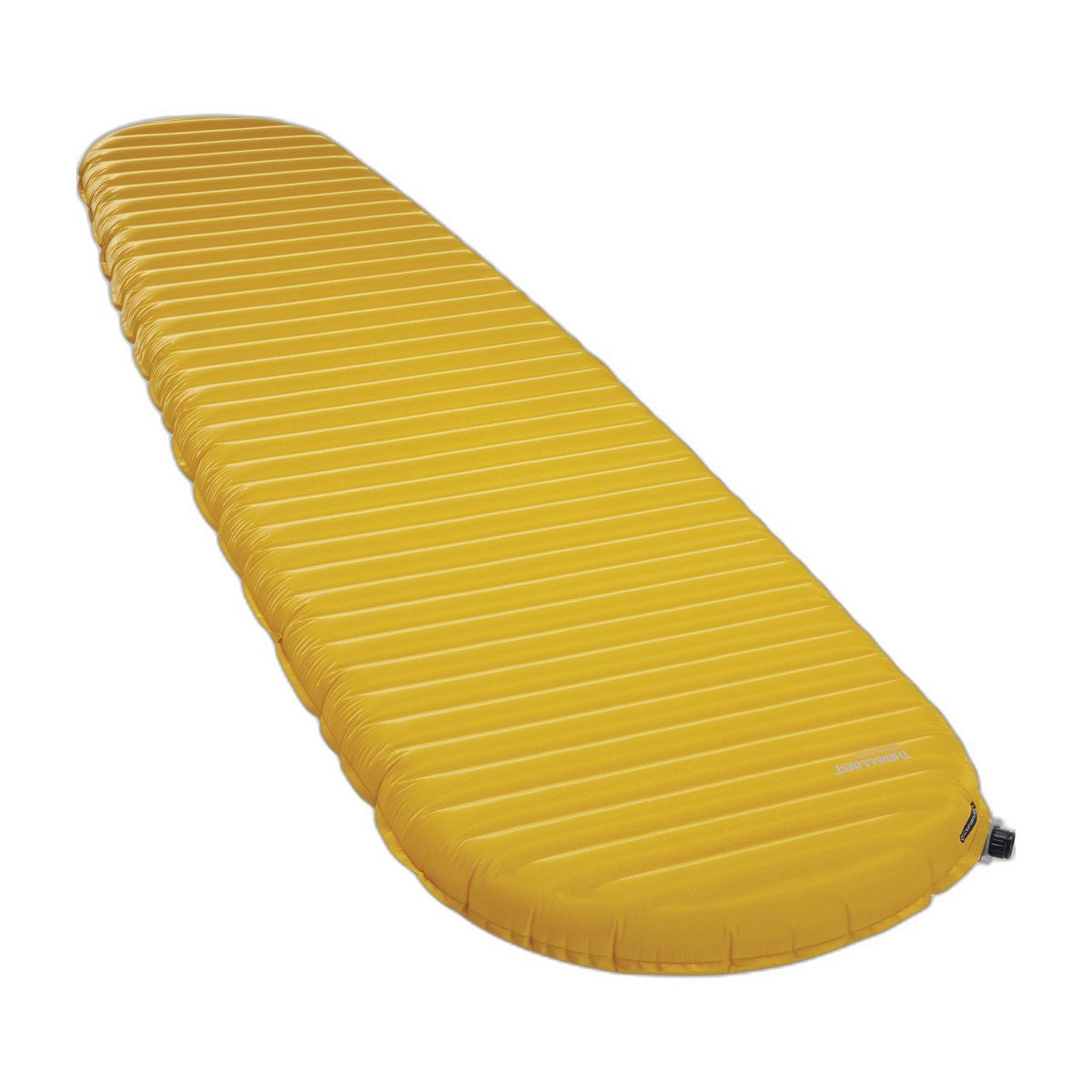
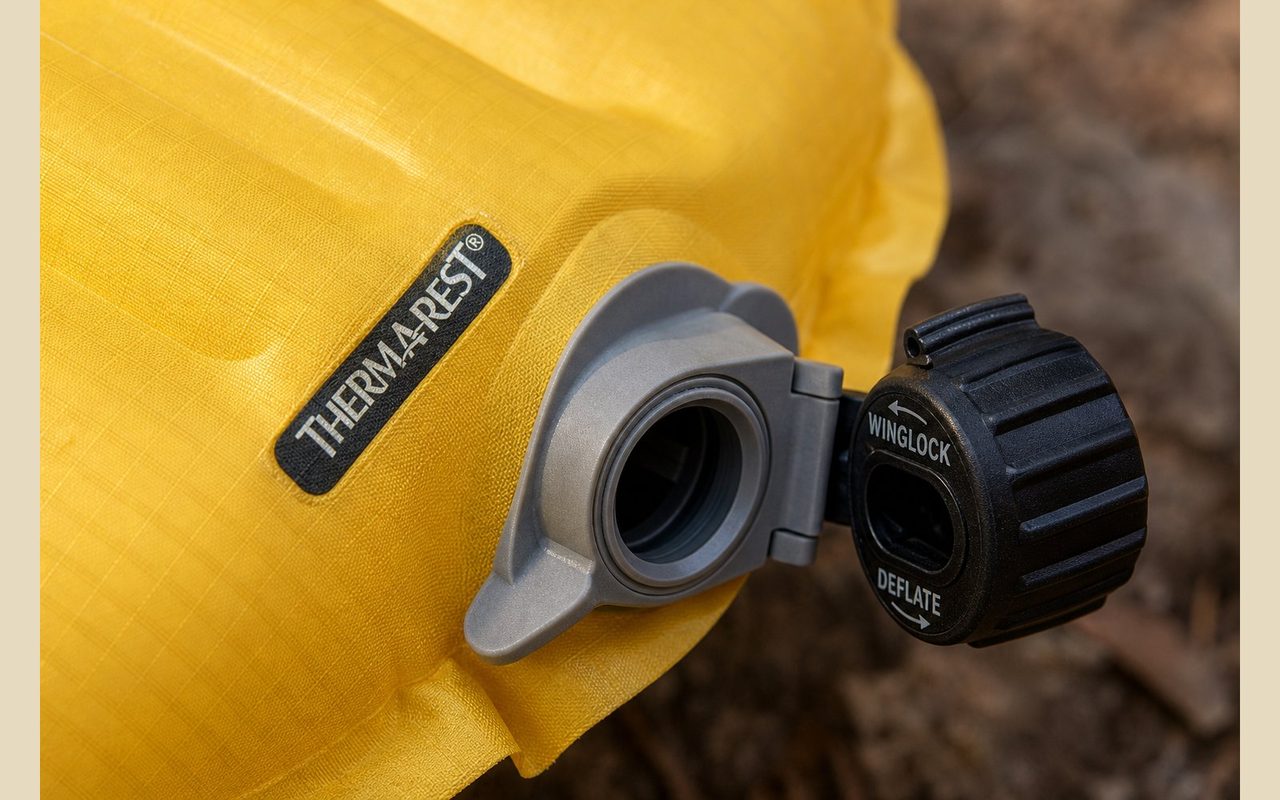
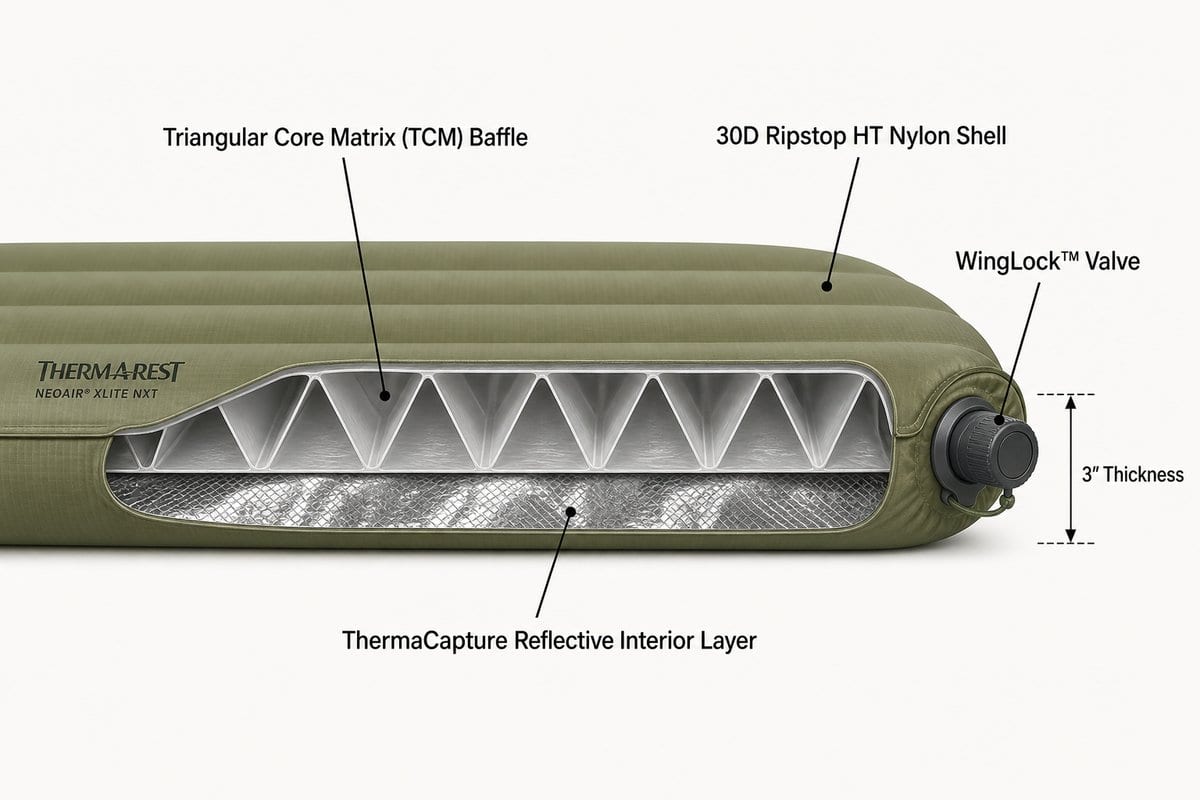
Therm-a-Rest made three significant changes in the NXT generation. First, thickness went from 2.5 inches to 3 inches, which translates directly to comfort under hip and shoulder. Second, the internal Triangular Core Matrix baffle design was updated to reduce the characteristic crinkle noise that made the original XLite polarizing among light sleepers. Third, the WingLock valve replaced the older twist-to-lock design, cutting inflation and deflation time.
The noise improvement is real across independent reviews. The original XLite was loud enough to disturb sleep partners and drew frequent criticism in long-term reviews. The NXT is not silent, but the difference is substantial. Multiple reviewers note the NXT no longer woke them during normal sleeping movements, which is the practical test that matters.
The core technology that makes the NeoAir series work, the ThermaCapture reflective interior layer that bounces radiant heat back toward the sleeper, carried over from the original without changes. The R-4.5 rating is the same because the warmth mechanism did not change.
Warmth, Inflation, and On-Trail Performance
An R-value of 4.5 covers three-season use confidently, including shoulder-season trips into the high thirties and low forties Fahrenheit paired with an appropriate quilt or sleeping bag. Therm-a-Rest's spec confirms R-4.5 across all four standard size options.
Inflation with the WingLock valve takes most backpackers ten to fifteen breaths. Deflation is faster than many competitors because the valve opens wide to let air escape without needing to roll the pad. Packed size for the Regular comes to 9 inches by 4.1 inches, which fits inside a standard 1L bottle slot on most pack hip belts.
The 3-inch inflation height puts the NXT in the comfort tier for most body types. Back sleepers and stomach sleepers tend to have no issues. Side sleepers on the Regular (20-inch) will notice the edges during rolling movements. The Regular Wide at 25 inches solves that for most people, at the cost of about three additional ounces and a larger packed footprint.
Durability and Warranty
Long-term field testing provides the clearest picture of durability. Treeline Review tested the NeoAir XLite NXT across more than 8,000 trail miles over multiple seasons and returned a positive durability verdict. That is an unusual data point for an ultralight pad with a thin shell, and it is the strongest published evidence that the NXT holds up under sustained use.
The realistic failure modes for any ultralight inflatable pad are punctures from sharp rocks or tent stakes and valve wear over many trips. The 30D ripstop nylon shell is thin by design, and backpackers who camp regularly on rocky ground should carry a patch kit. Using a groundsheet under the pad on sharp terrain extends shell life.
Therm-a-Rest backs the NeoAir XLite NXT with a Limited Lifetime or 3-Year Warranty covering manufacturing defects. Punctures from field use are not covered, which is the standard approach across this category.
How It Compares
Three pads come up most often as NeoAir XLite NXT alternatives.
NEMO Tensor Insulated: The closest comparison at a similar price. The Tensor tests quieter than the NXT in most side-by-side reviews. If noise is the primary concern, the Tensor is worth a serious look. The NXT has the advantage on thickness (3 inches vs. 2.5 inches on the standard Tensor) and a longer published durability track record.
Sea to Summit Ether Light XT Insulated: A different baffle geometry produces a different feel on the ground. The Ether Light XT is competitive on weight and price. Backpackers who have tried both often describe the Ether Light XT as more stable laterally, which matters for active sleepers.
Klymit Insulated Static V Lite: The budget alternative at roughly half the price of the NXT. Lower R-value and higher weight, but a legitimate pad for backpackers who are not in extreme cold and are prioritizing gear cost. Not a direct performance match, but the right call for many buyers.
Pros
- Best warmth-to-weight ratio in the three-season inflatable pad category
- NXT baffle redesign is meaningfully quieter than the original XLite
- WingLock valve inflates and deflates faster than most competitor valves
- Long-term durability confirmed across thousands of trail miles
- Available in four sizes, including a wide option for side sleepers
Cons
- Premium price puts it near the top of the category
- Noise reduction is real but light sleepers may still find the remaining crinkle hard to tune out
- Thin 30D shell requires care on rocky terrain
- Regular (20-inch) width can feel narrow for larger hikers or restless sleepers
Key Specifications
- Sizes
- Regular Short, Regular, Regular Wide, Large
- Weight
- Regular Short 11.5 oz, Regular 13 oz, Regular Wide 1 lb, Large 1 lb 1 oz
- R-Value
- 4.5
- Packed Size
- 9" x 4.1" (Regular) / 11" x 4.6" (Wide/Large)
- Inflated Size
- 72" x 20" x 3" (Regular)
- Shell and Valve
- 30D Ripstop HT Nylon, WingLock™ Valve
More from Sleeping Pads

Therm-a-Rest NeoAir XTherm NXT vs NEMO Tensor All-Season
The XTherm NXT brings more insulation margin. The Tensor All-Season gives side sleepers a quieter, roomier bed. Here is how to choose based on the trips you actually take.
 Brooke Wilder
6 min read
Brooke Wilder
6 min read
NEMO Tensor Elite Sleeping Pad Review
A remarkably light and compact inflatable pad for ounce-counters who mostly camp in mild conditions, but the premium price and limited insulation narrow its appeal.
Brooke Wilder
5 min read
Best Winter Backpacking Sleeping Pads
These four insulated pads solve different winter backpacking problems, from safest all-around warmth to comfort-first cold-weather sleep and better value.
Brooke Wilder
5 min read
Get one honest gear take every Friday.
No spam. Just gear picks, packing lessons, and notes from this week's research.
Why trust BestForBackpacking
Honest gear advice for backpackers, researched, weighed, and recommended.
Every pick is based on deep research: a synthesis of long-term owner reports, independent reviewer tests, and manufacturer specs, weighted by source independence, specificity, and use-case match. Brooke Wilder is our gear editor, the editorial persona who turns that research into a clear recommendation.