
Satellite Communicators
Garmin inReach Mini 2 vs Mini 3: Is the Upgrade Worth It?
Last updated:
The Mini 3 brings a much better screen, tougher ratings, and more navigation capacity. The Mini 2 keeps the same core safety jobs for less.
 By Brooke3 min read
Share this post
Send it to someone who's planning a trip.
Retailer links on this page are affiliate links. We may earn a commission if you buy, and your price doesn't change. How affiliate links work →
At a glance
The contenders

Garmin inReach Mini 2
~$240–260typical
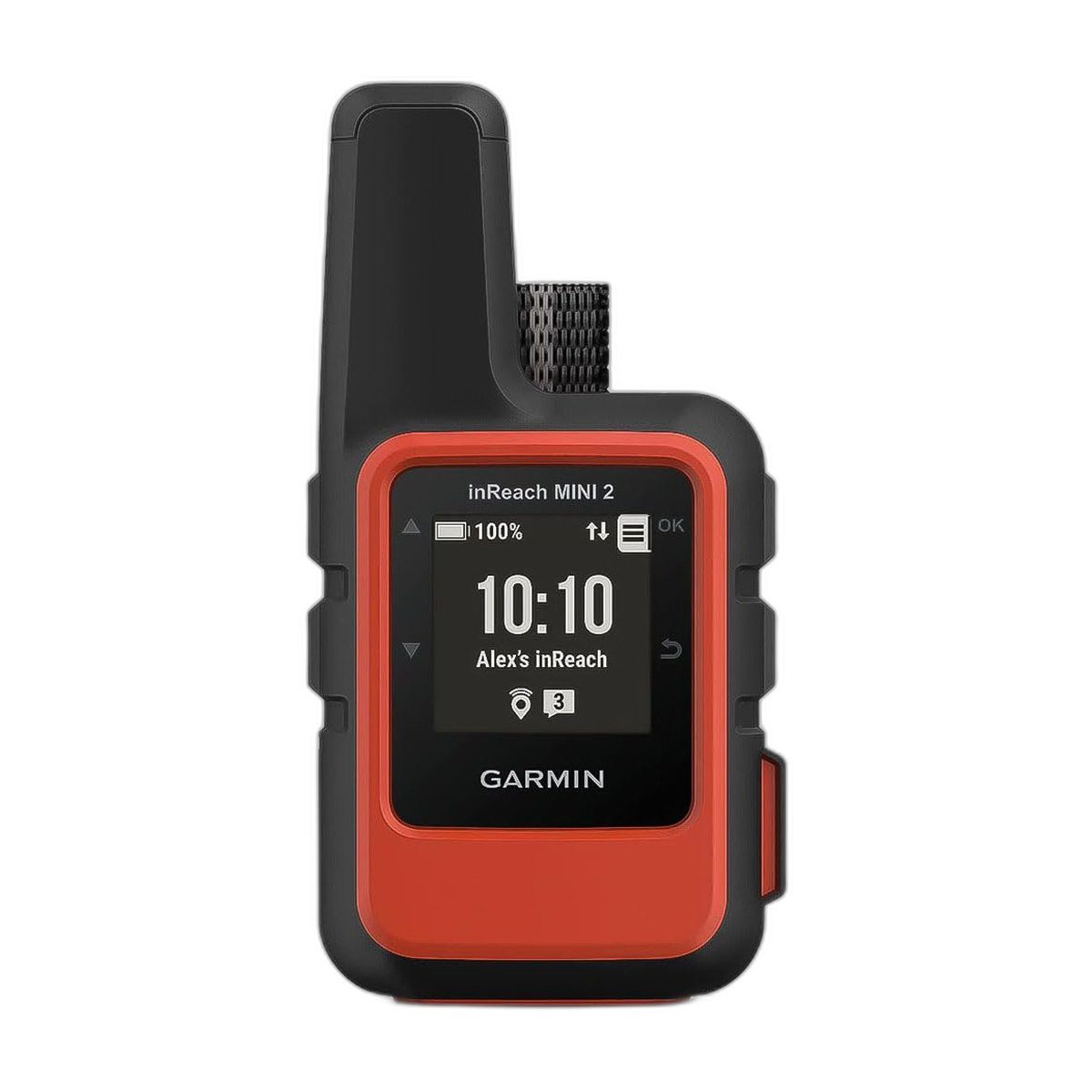
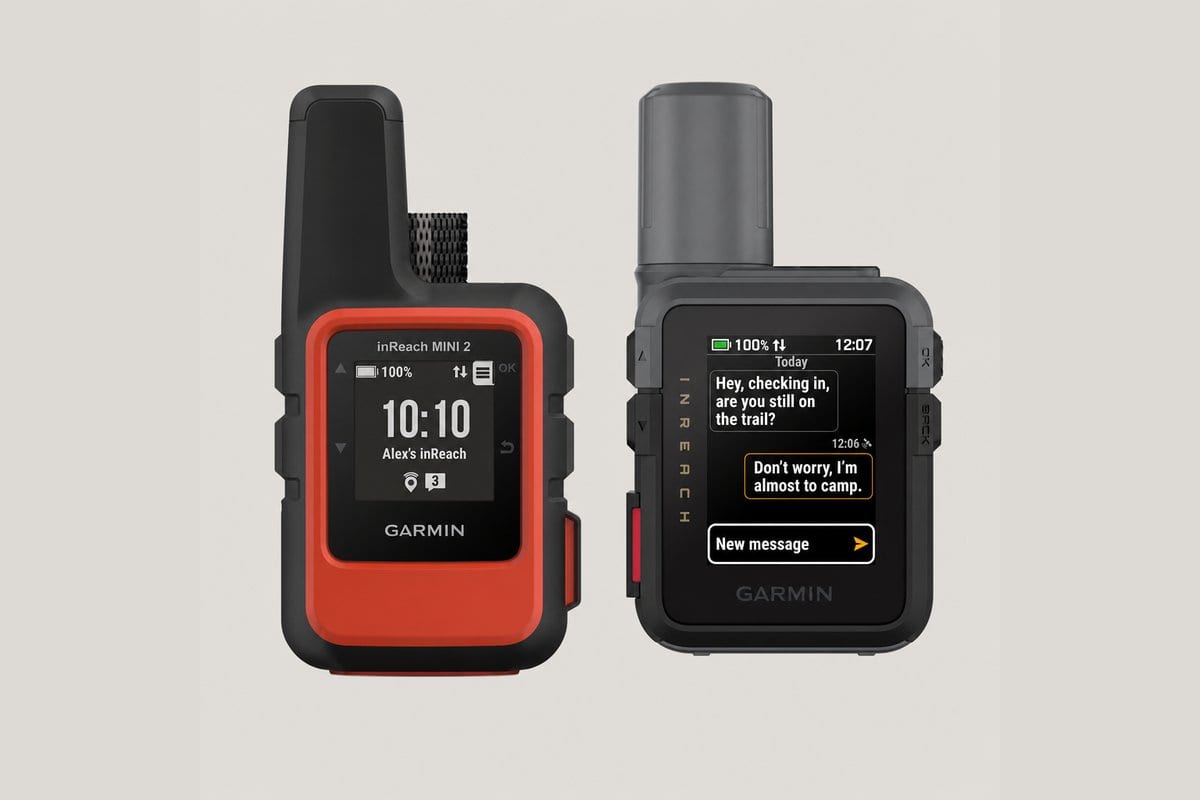
The value pick keeps Garmin's core satellite messaging and SOS functions in a lighter package with a simpler monochrome interface.
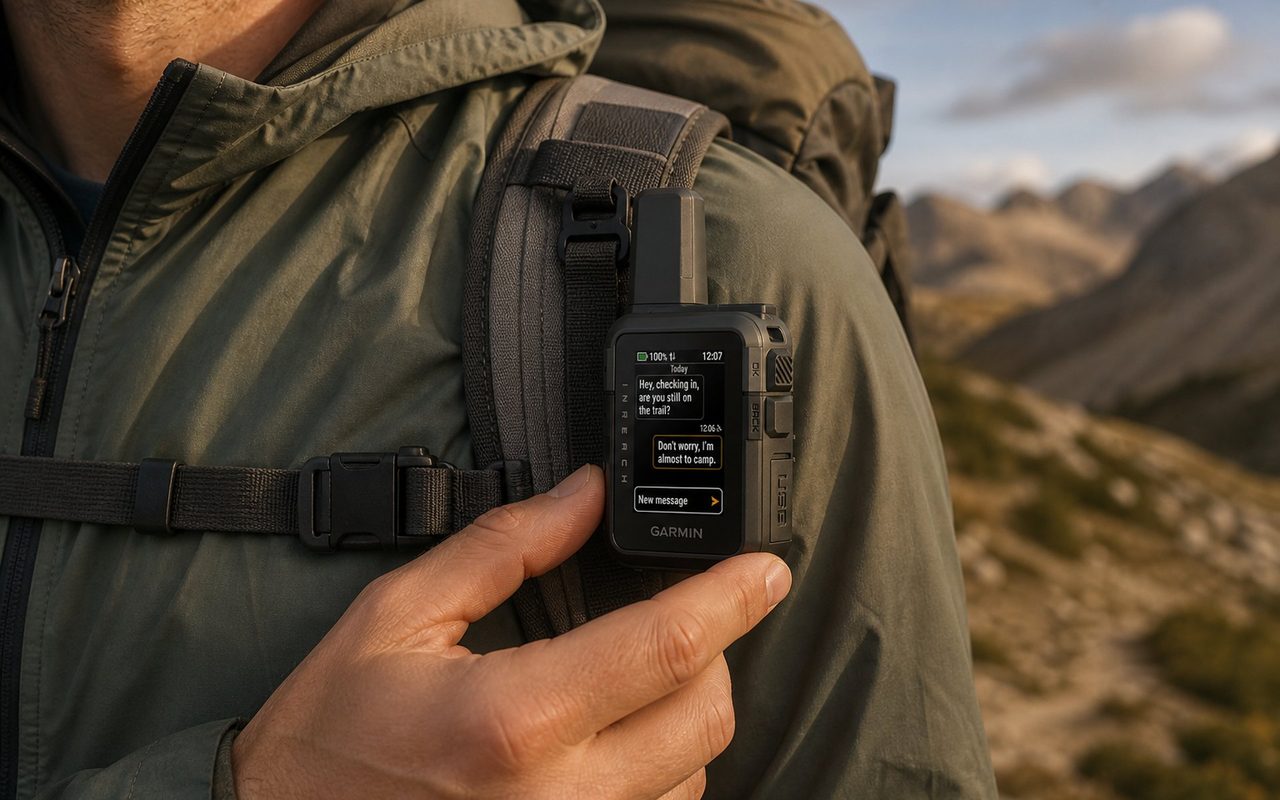
Garmin inReach Mini 3
~$390–410typical
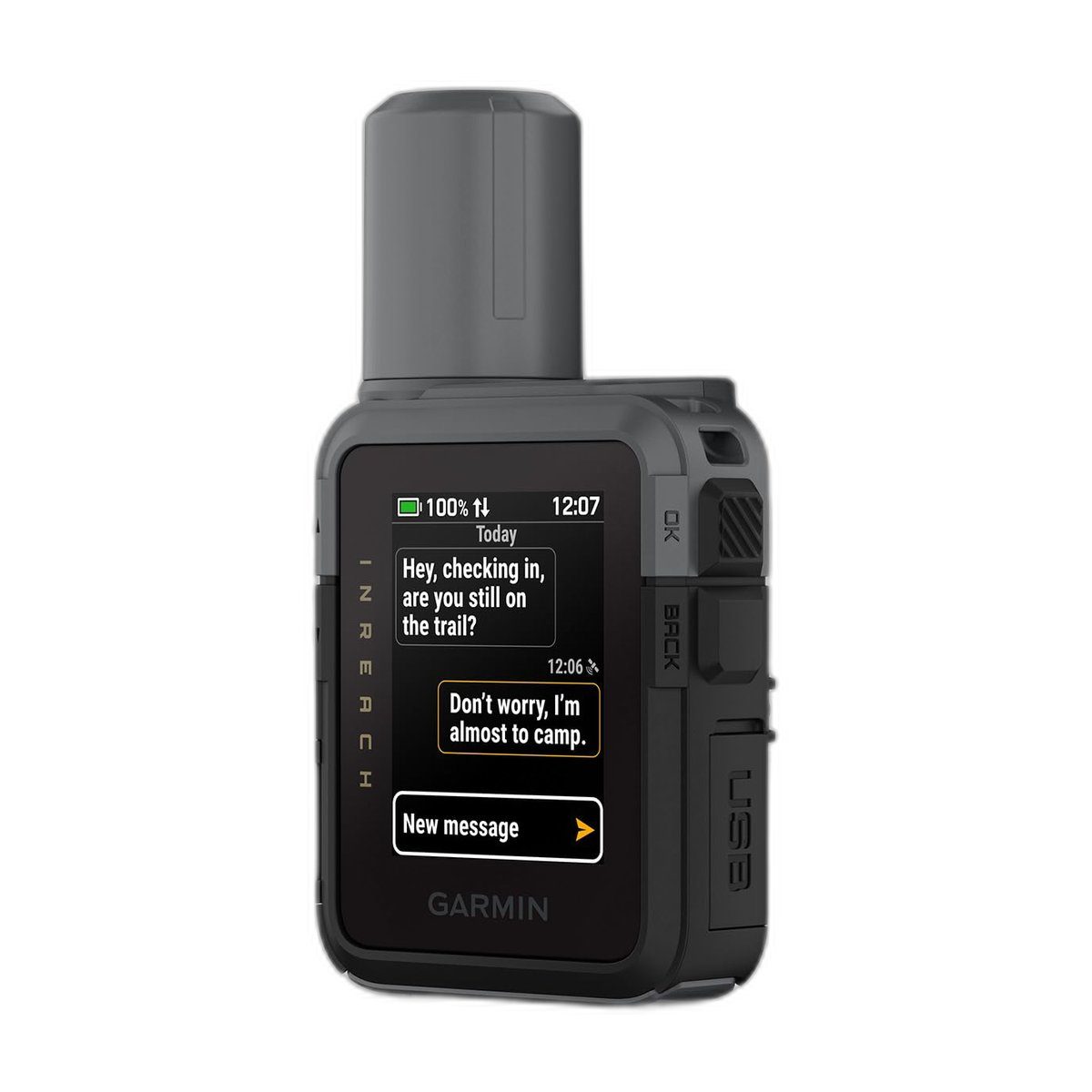
The usability pick adds a larger color touchscreen, multi-band GNSS, far more storage, and tougher listed environmental ratings.
Spec check
How they stack up at a glance
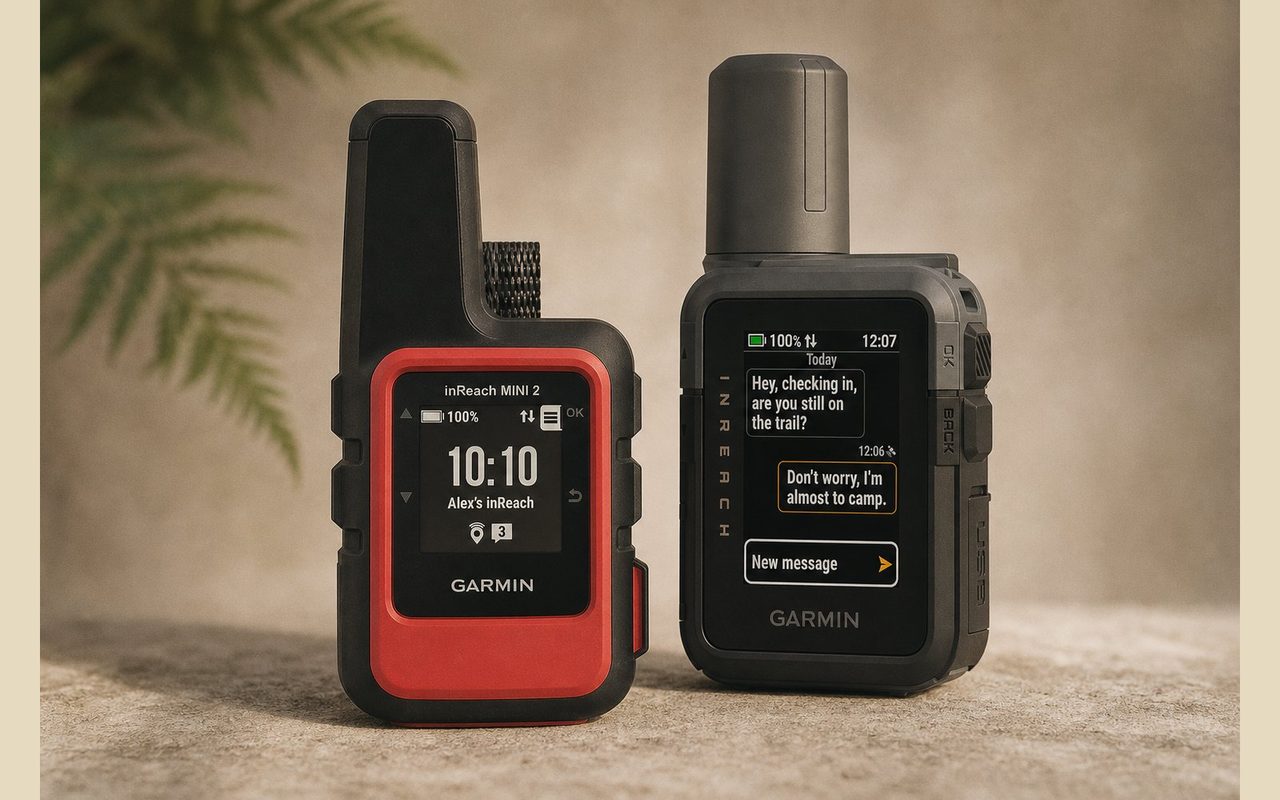
| Product | Price position | Listed weight | Display | Storage | Durability rating | Core satellite jobs | Best for | Buy |
|---|---|---|---|---|---|---|---|---|
| Garmin inReach Mini 2 | Lower band | 3.5 oz (100 g) | 0.9-in monochrome, buttons | 20 MB | IPX7 | Text, tracking, check-ins, SOS | Safety backstop and phone-paired use | Check price → |
| Garmin inReach Mini 3 | Higher band | 4.3 oz (122 g) | 1.9-in color touchscreen plus buttons | About 3.5 GB | IP67 and MIL-STD-810 | Text, tracking, check-ins, SOS | Frequent standalone use and course handling | Check price → |
Garmin inReach Mini 2
★ Top pick- Price position
- Lower band
- Listed weight
- 3.5 oz (100 g)
- Display
- 0.9-in monochrome, buttons
- Storage
- 20 MB
- Durability rating
- IPX7
- Core satellite jobs
- Text, tracking, check-ins, SOS
- Best for
- Safety backstop and phone-paired use
Garmin inReach Mini 3
★ Top pick- Price position
- Higher band
- Listed weight
- 4.3 oz (122 g)
- Display
- 1.9-in color touchscreen plus buttons
- Storage
- About 3.5 GB
- Durability rating
- IP67 and MIL-STD-810
- Core satellite jobs
- Text, tracking, check-ins, SOS
- Best for
- Frequent standalone use and course handling
Pick by scenario
Who This Comparison Is For
Jump straight to the winner for how you hike.
| Scenario | Best pick |
|---|---|
| Budget-conscious | Garmin inReach Mini 2 |
| Ultralight | Garmin inReach Mini 2 |
| Weekender | Garmin inReach Mini 2 |
| First-timer | Garmin inReach Mini 2 |
Budget-conscious
Garmin inReach Mini 2
Ultralight
Garmin inReach Mini 2
Weekender
Garmin inReach Mini 2
First-timer
Garmin inReach Mini 2
The short answer
For most backpackers, the Garmin inReach Mini 2 is still the smarter buy. It sends and receives satellite texts, shares tracking points, handles check-ins, and starts an interactive SOS without charging you for a nicer screen you may rarely touch. It is also the lighter of the two by Garmin's listed bare weights.
The Mini 3 is the better tool for frequent standalone use. Its larger color touchscreen, physical buttons, multi-band GNSS, much larger storage, and greater course capacity make route interaction less cramped. That is a real improvement, but it is an interface and navigation upgrade rather than a new level of satellite safety.
What the Mini 3 actually changes
The Mini 3 moves from the Mini 2's 0.9-inch monochrome display to a 1.9-inch color touchscreen while keeping physical buttons for rain, gloves, and deliberate input. Storage jumps from 20 MB to about 3.5 GB, and the newer unit adds multi-band GNSS, base mapping, more course capacity, a passcode, and Garmin Share. Garmin also lists IP67 and MIL-STD-810 compliance for the Mini 3, compared with IPX7 for the Mini 2.
Those additions come with trade-offs. The Mini 3 is 22 grams heavier by listed bare weights, includes no tether, and the cited independent review described its base map as barely useful. The same reviewer also observed serious satellite failures during a small set of activities. That is worth knowing, but it is not enough evidence to call the model broadly unreliable.
Satellite messaging and SOS
Both models use the Iridium network for two-way text messaging, tracking, check-ins, and interactive SOS through Garmin Response. Normal communication requires a compatible active service plan. Garmin's published policy also allows SOS on a suspended inReach plan, but a suspended account is not a free substitute for normal messaging and tracking service.
Neither device guarantees message delivery, a specific response time, a rescue outcome, or free rescue. Terrain, tree cover, device orientation, and sky view can affect transmission. Set up the account, sync the device, send a test message, and review Garmin's SOS instructions before every trip instead of learning the workflow during an emergency.
Battery, carry, and field use
The repaired evidence does not establish a battery-life advantage for the base Mini 3, so battery is not a reason to upgrade here. Published runtimes vary by tracking interval, sky view, tree cover, and messaging load. Compare the exact mode you plan to use, especially 10-minute tracking, rather than treating one best-case number as trip endurance.
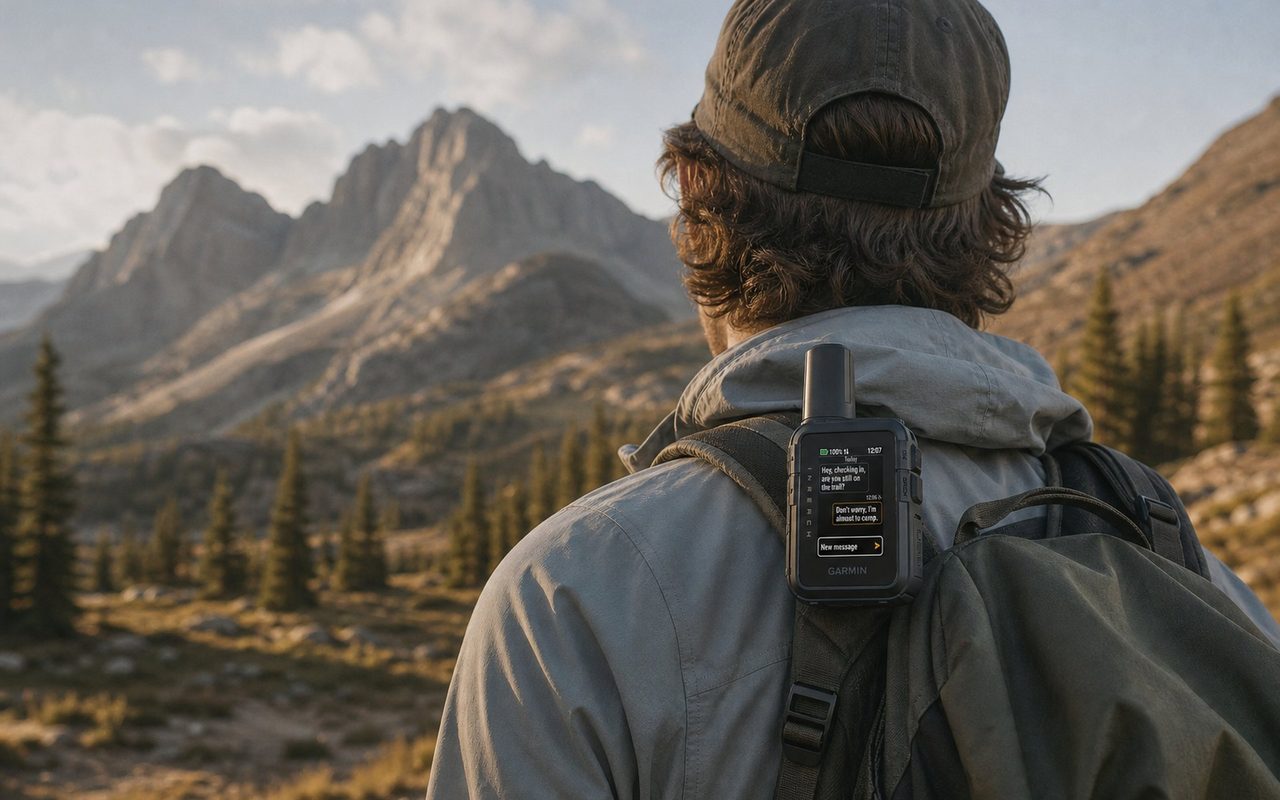
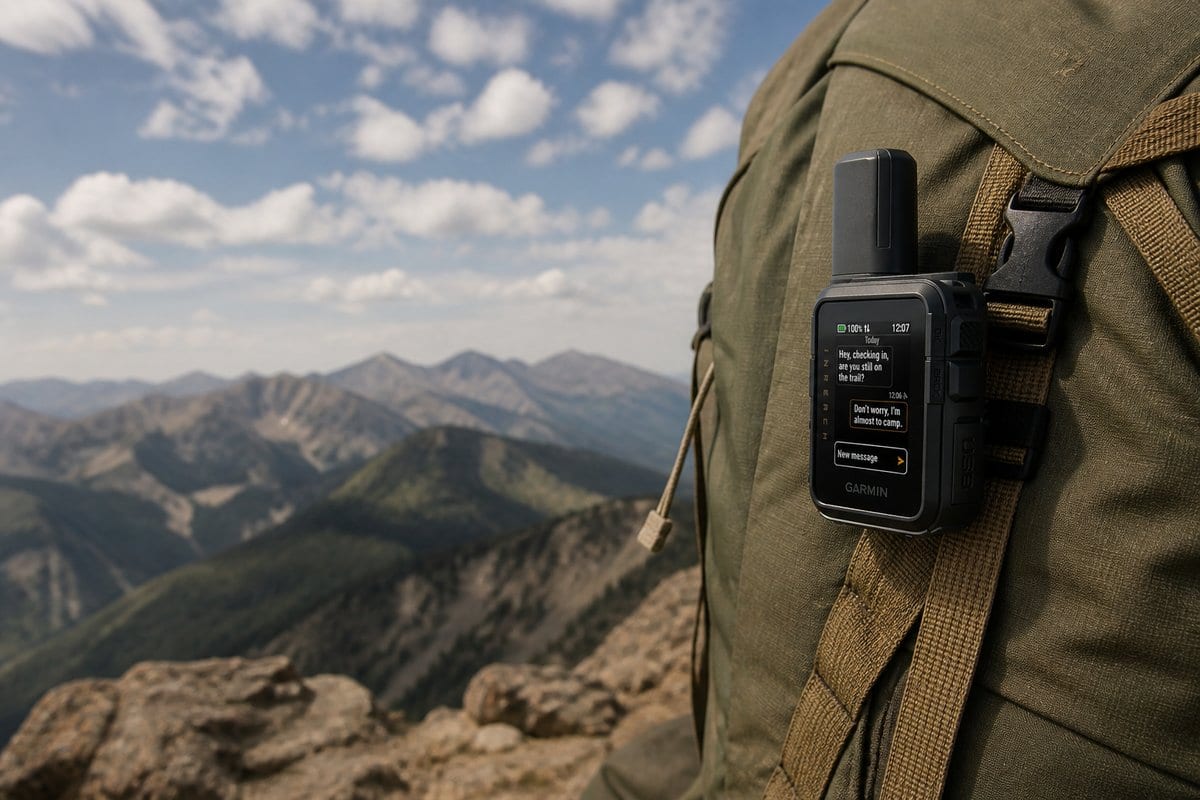
The Mini 2 weighs 3.5 ounces and includes a carabiner. The Mini 3 weighs 4.3 ounces and does not include a tether. Either device needs a carry position with a useful view of the sky. A shoulder-strap mount or secure top pocket is more sensible than burying it deep in the pack.
Who should buy which one
Choose the Mini 2 if satellite communication is mainly an emergency backstop, you compose messages in the phone app, or you want to keep cost and carried weight down. It is also the default recommendation for a first-time buyer who has not yet proved that direct device navigation matters.
Choose the base Mini 3 if you regularly manage courses on the device, use it without a phone, want a larger touch interface with button backup, or need its listed environmental upgrades. Current Mini 2 owners should skip the upgrade unless one of those changes fixes a recurring frustration. Backpackers who only need a last-resort distress beacon should also compare a registered 406 MHz PLB, which has no messaging or tracking but does not require a subscription. Phone-native satellite features are another useful backup, though a phone has a different battery, durability, and carry profile from a dedicated messenger.
Frequently asked
Quick answers
What's the difference between the Garmin inReach Mini 2 and Mini 3?
Both send two-way texts, share tracking, handle check-ins, and start an interactive SOS over Iridium. The Mini 3 adds a 1.9-inch color touchscreen (the Mini 2 has a 0.9-inch monochrome screen), multi-band GNSS, about 3.5 GB of storage instead of 20 MB, and IP67 plus MIL-STD-810 ratings. It's also 22 grams heavier and comes without a tether.
Is the inReach Mini 2 or Mini 3 the better buy?
For most backpackers, the Mini 2. It does the same satellite messaging and SOS jobs in a lighter package for less money. The Mini 3 earns its premium if you manage courses on the device or use it without a phone often. If you already own a Mini 2, skip the upgrade unless one of those changes fixes a real frustration.
Get one honest gear take every Friday.
One email a week: new reviews, one gear pick with my reasoning, and nothing sponsored. Confirm your address and you get my printable 2-page backpacking gear checklist.
You'll get a confirmation link first, and nothing else arrives until you click it. Every email has a one-click unsubscribe. How your email is handled
More from Satellite Communicators

Garmin inReach Mini 3 Review
The tiny Garmin inReach Mini 3 packs two-way satellite messaging, interactive SOS, and reliable Iridium coverage into 4.31 ounces. Worth it for remote or solo hiking?
 Brooke Wilder
8 min read
Brooke Wilder
8 min read

Garmin inReach Mini 2 Review
Garmin inReach Mini 2 review: 3.5 oz, two-way satellite SOS, current 2026 plans and the suspended-plan SOS rule. Mini 2 or Mini 3, and who should skip it.
Brooke Wilder
8 min read
Why trust BestForBackpacking
Honest gear advice for backpackers, researched, weighed, and recommended.
Every pick is based on deep research: a synthesis of long-term owner reports, independent reviewer tests, and manufacturer specs, weighted by source independence, specificity, and use-case match. Brooke Wilder is our gear editor, the editorial persona who turns that research into a clear recommendation.