
Retailer links on this page are affiliate links. We may earn a commission if you buy, and your price doesn't change. How affiliate links work →
Satellite Communicators
Garmin inReach Mini 3 Review
Last updated:
The tiny Garmin inReach Mini 3 packs two-way satellite messaging, interactive SOS, and reliable Iridium coverage into 4.31 ounces. Worth it for remote or solo hiking?
DC Rainmaker, who has used inReach devices for years, says that at a 50-dollar price gap "it makes no sense to buy the base model" of the Garmin inReach Mini 3 over the Mini 3 Plus. That's a strong line from a careful reviewer, and it shaped my call.
My call, once. Buy the inReach Mini 3 if you want two-way satellite messaging and SOS with a color touchscreen, and the Plus model's voice and photo messages don't interest you. Skip it if the Plus is within about 50 dollars, or if the older Mini 2 does the job for less. I give it 8.5 out of 10.
 By Brooke5 min read
Share this post
Send it to someone who's planning a trip.

What does it cover?
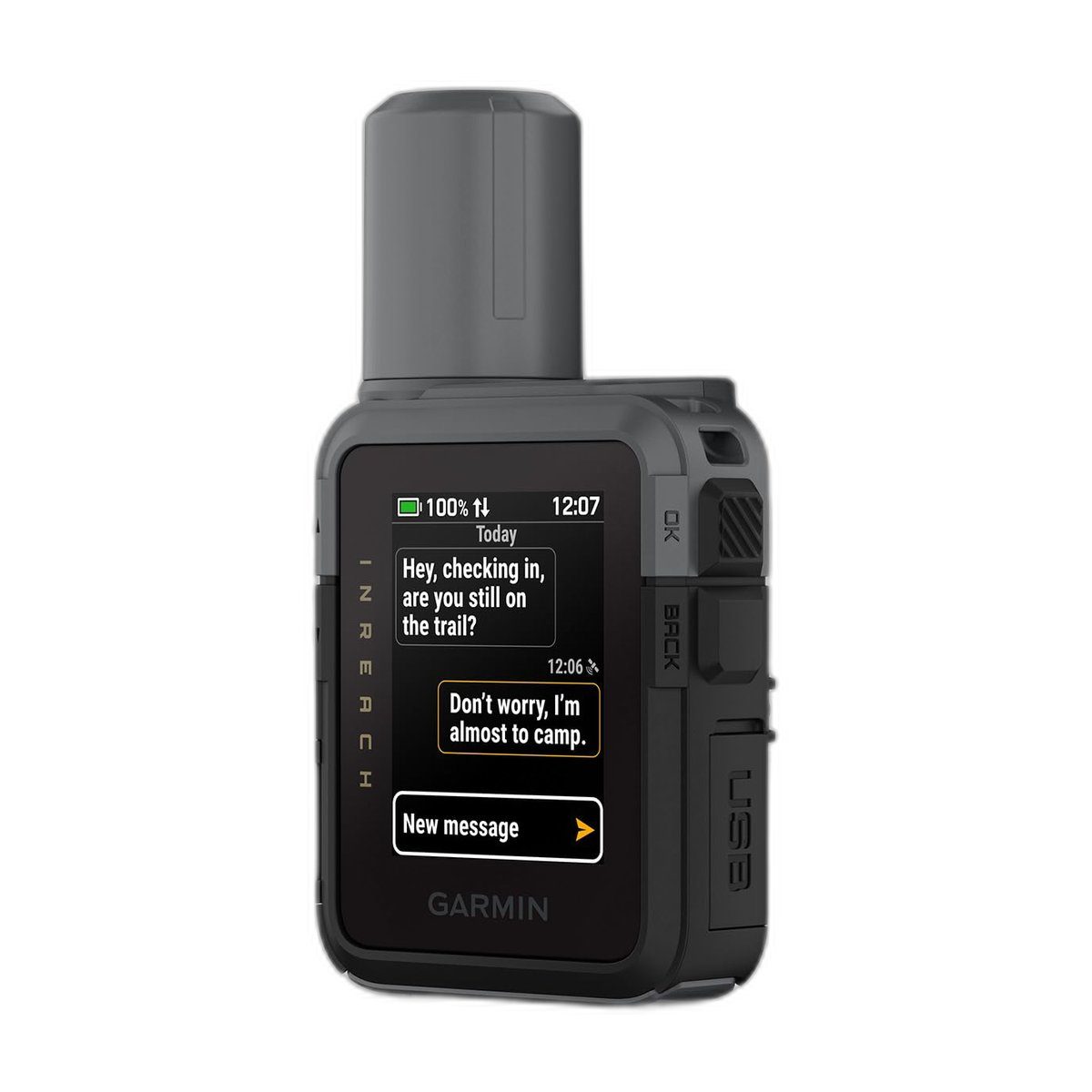
The Mini 3 runs on Iridium, which Garmin describes as global satellite coverage, and sends texts, preset check-ins, live tracking and interactive SOS. DC Rainmaker notes the base Mini 3 uses Iridium's short-burst data module, like the Mini 2, while the Mini 3 Plus has a newer, faster module that can carry photos and audio.
I want to be clear about one thing first: sends aren't instant. DC Rainmaker says a message can take anywhere from a few seconds to a minute or more, depending on the environment. That's 1 minute you plan for, not a fault. It also says the device chirps when it finishes sending, so you can keep walking. In a canyon or under heavy trees, give it time and an open patch of sky. I'd rather tell you that up front than have you find out on a ridge.
How does SOS work, and what about a suspended plan?
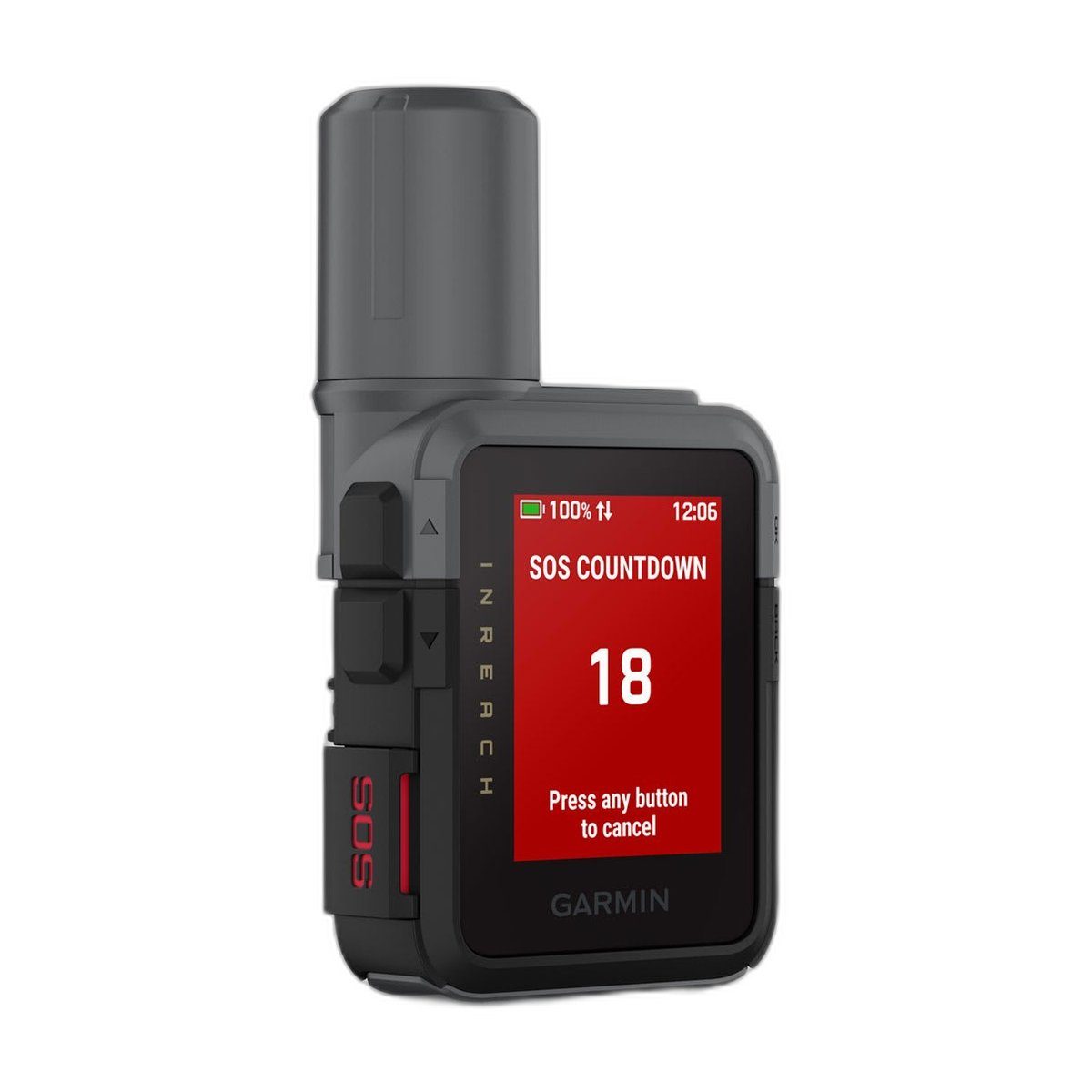
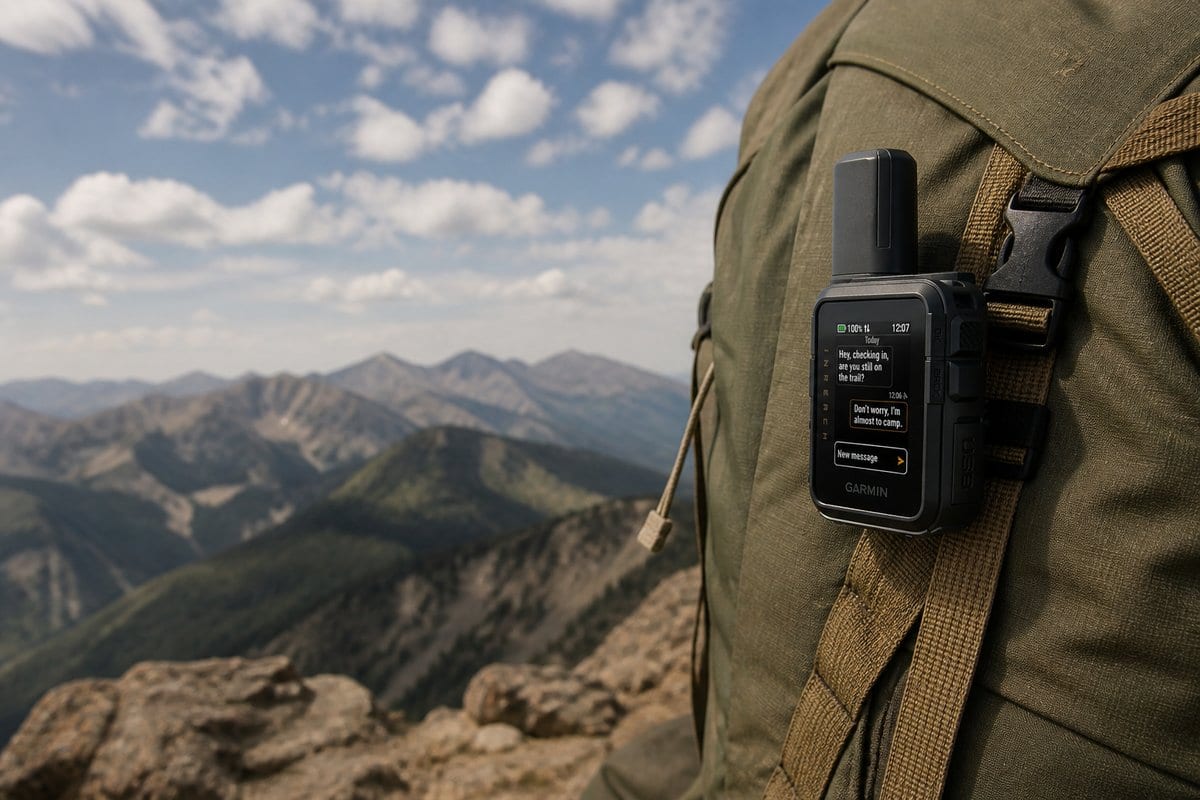
Plainly, because this is the reason to own one. A guarded SOS button sends an interactive SOS to Garmin Response, which can message you back. That two-way link is what separates this from a one-way beacon.
On a suspended plan: Garmin's plans page says you can suspend for up to 12 consecutive months at no cost, and that on select devices SOS stays available while everything else is off. Garmin's support FAQ lists the Mini 2, Mini 3 and Mini 3 Plus among those devices, with conditions: previously on an active plan, running the latest software, and connected in the Garmin Messenger app. After 12 months, Garmin moves select devices to its Enabled plan. Check your own device on Garmin's page before you rely on it.
One more safety note from DC Rainmaker's review. On one long hike, its Mini 3 Plus couldn't send any satellite message for hours, even with clear sky, while a Mini 2 kept sending. Rebooting fixed it. Garmin traced the cause and told DC Rainmaker a fix was coming. I couldn't confirm when it shipped, so here's the plain rule: if messages hang for a long time with open sky, restart the device. Then send again.
How long does the battery last?
Garmin rates the Mini 3 for up to 350 hours at 10-minute tracking. That's about 14.6 days. DC Rainmaker lists the battery life as the same as before, and Garmin's own Mini 2 figure is 14 days, or 336 hours. So the two are within about 4% on Garmin's numbers.
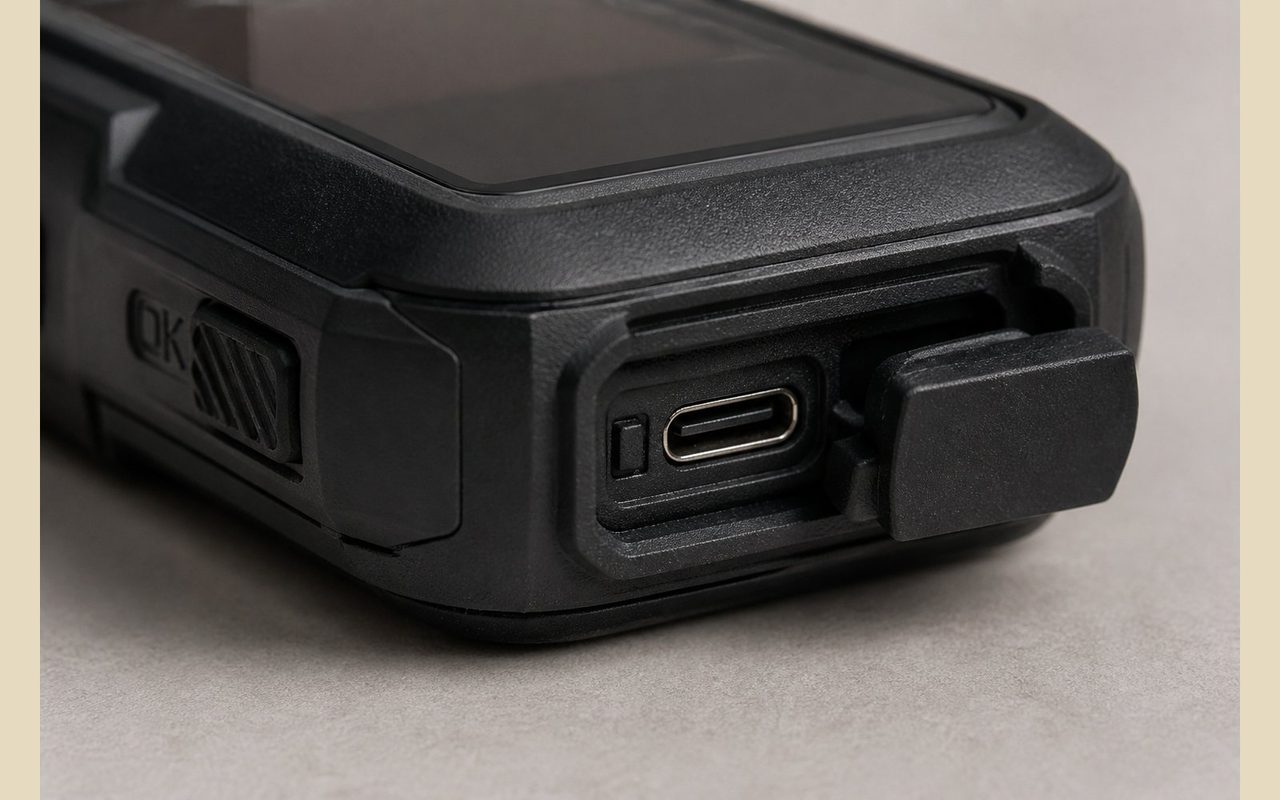
I like this sum because it's the one that decides what you pack. Do the trip sum. A 10-day route at 10-minute tracking leaves a bit over 4 days in reserve by Garmin's figure. Messaging and screen use pull that down, so on a long route carry a small power bank. It charges over USB-C, which DC Rainmaker notes is the same port as the Mini 2.
DC Rainmaker also tested the Plus model's emergency siren, which burned about 16% of the battery an hour. The base Mini 3 doesn't have the speaker.
What's new on the device?
The screen is the big change. DC Rainmaker lists it as a 64-color display at 306 x 230 pixels, up from the Mini 2's 176 x 176 monochrome, now with a touchscreen alongside five buttons and a covered SOS button. It works with gloves and in rain, it says, though it's sometimes fiddly, like most touchscreens. For long messages, use the phone.
DC Rainmaker also lists the protection rating moving from IPX7 to IP67, the same 1 meter for 30 minutes but with dust protection added, and unlimited activities and waypoints.
Weight, two ways. Garmin lists 4.31 oz, 122.2 g. DC Rainmaker's scale agrees: 122 g for the base Mini 3, against 112 g for its Mini 2 with the carabiner, and 139 g for the Mini 3 Plus with its carabiner. I like a reviewer who weighs three devices and says exactly what was clipped on. Three devices. Three weights. 27 grams from lightest to heaviest.
For maps and routes, Garmin keeps the Explore app as the bigger surface. Your phone is the map. The Mini 3 is the radio.
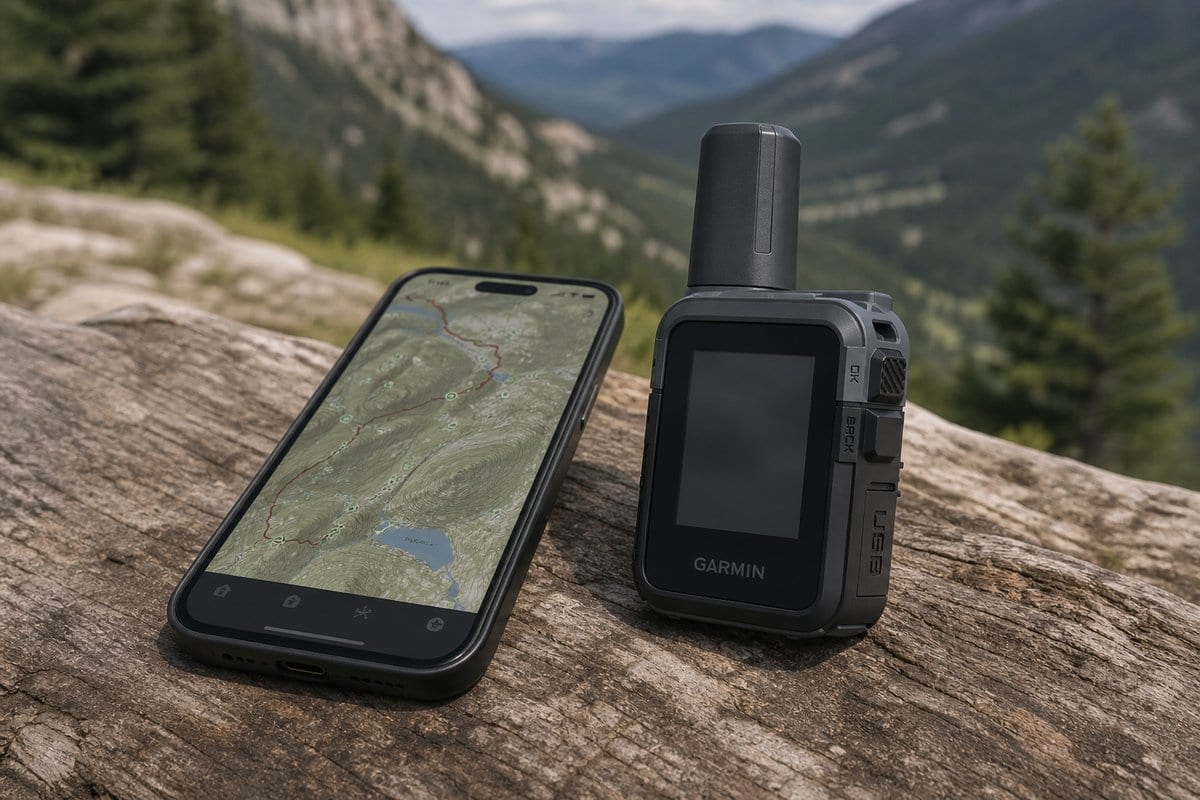
Mini 3, Mini 3 Plus, Mini 2, or something else?
Prices first. They decide most of this. Garmin lists the Mini 3 at about 450 dollars as of October 16, 2026, and Amazon had it at the bottom of a $390-450 band that day. DC Rainmaker gives the Plus at about 50 dollars more at launch. The Mini 2 is about 100 dollars less than the Mini 3 at Garmin's prices.
So here's how I'd choose. If you want voice and photo messages, DC Rainmaker's advice is to buy the Plus. If you want the newer screen and nothing else, the base Mini 3. If you want the lightest, cheapest two-way Garmin, the Mini 2. That last one is the pick I'd make for most backpackers, and the Mini 2 review on this site explains why.
And outside Garmin: a personal locator beacon does SOS only, with no messaging and no subscription. Apple's Emergency SOS via satellite works on an iPhone 14 or newer with a clear view of the sky, and Apple frames it for true emergencies. Both depend on very different things from a dedicated messenger. Owners of the Mini 3 are few so far: Amazon shows 4.4 stars from 13 ratings as of October 16, 2026.
Pros
- Two-way messaging and interactive SOS over Iridium
- 64-color touchscreen, up from the Mini 2's monochrome (DC Rainmaker)
- IP67, up to 350 hours at 10-minute tracking (Garmin)
- SOS kept on a suspended plan for up to 12 months (Garmin FAQ)
Cons
- DC Rainmaker says the Plus makes more sense at a 50-dollar gap
- About 100 dollars more than the Mini 2 for similar battery life
- Needs a paid plan to message and track
- Only 13 Amazon ratings so far
Key Specifications
- Weight
- 4.31 oz (122 g)
- Battery
- Up to 350 h at 10-min tracking (Garmin)
- Display
- 1.9 in, 64-color, 306 x 230 px touchscreen
- Dimensions
- 2.16 x 3.85 x 1.05 in
- Ruggedness
- IP67
- Connectivity
- Iridium two-way satellite
Get one honest gear take every Friday.
One email a week: new reviews, one gear pick with my reasoning, and nothing sponsored. Confirm your address and you get my printable 2-page backpacking gear checklist.
You'll get a confirmation link first, and nothing else arrives until you click it. Every email has a one-click unsubscribe. How your email is handled
More from Satellite Communicators
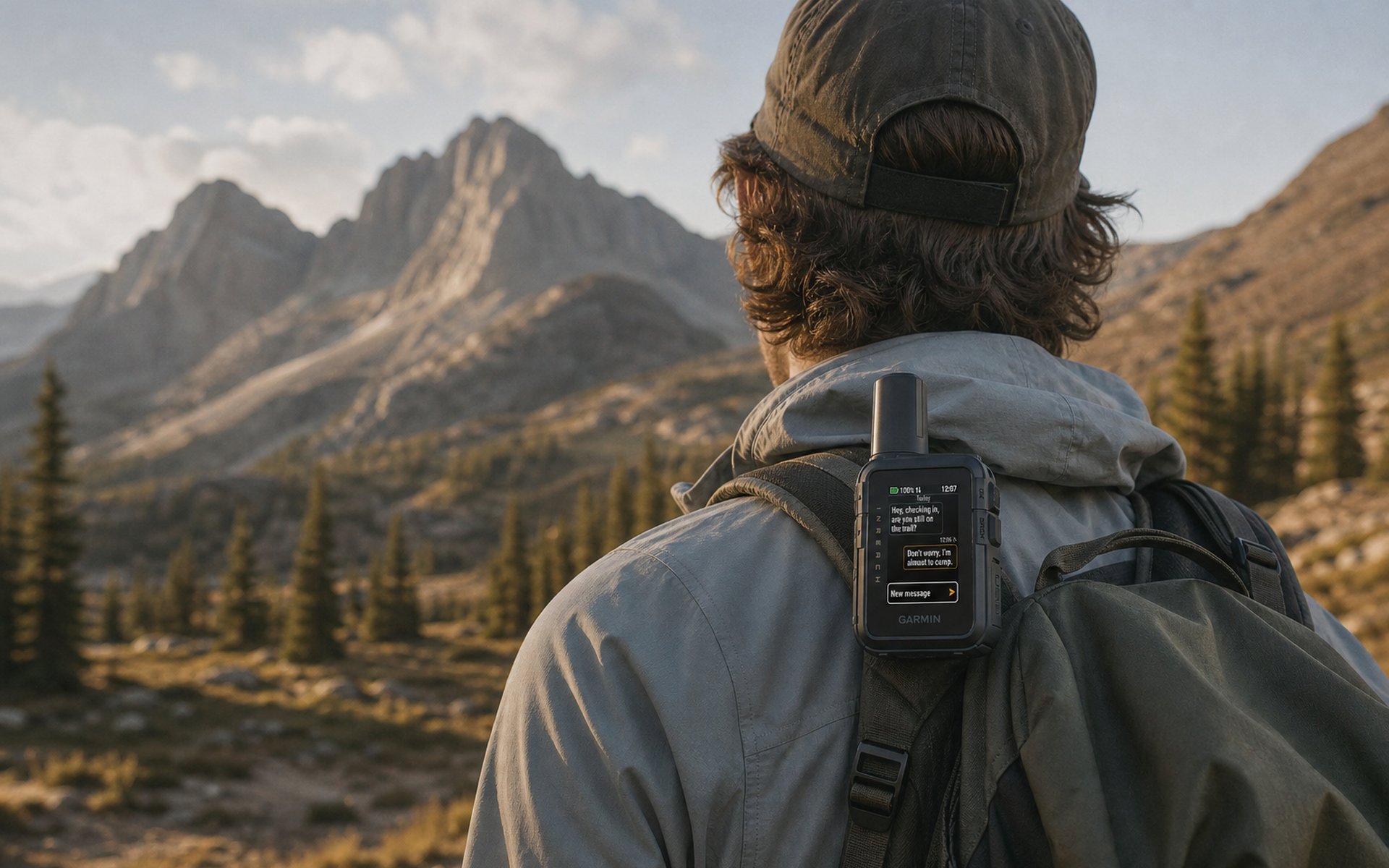
Garmin inReach Mini 2 vs Mini 3: Is the Upgrade Worth It?
The Mini 3 brings a much better screen, tougher ratings, and more navigation capacity. The Mini 2 keeps the same core safety jobs for less.
 Brooke Wilder
9 min read
Brooke Wilder
9 min read

Garmin inReach Mini 2 Review
Garmin inReach Mini 2 review: 3.5 oz, two-way satellite SOS, current 2026 plans and the suspended-plan SOS rule. Mini 2 or Mini 3, and who should skip it.
Brooke Wilder
8 min read
Why trust BestForBackpacking
Honest gear advice for backpackers, researched, weighed, and recommended.
Every pick is based on deep research: a synthesis of long-term owner reports, independent reviewer tests, and manufacturer specs, weighted by source independence, specificity, and use-case match. Brooke Wilder is our gear editor, the editorial persona who turns that research into a clear recommendation.