
Sleeping Bags
Best Ultralight Sleeping Bags for Backpacking
Last updated:
 By Brooke2 min read
Share this post
Send it to someone who's planning a trip.
Retailer links on this page are affiliate links. We may earn a commission if you buy, and your price doesn't change. How affiliate links work →
Quick picks
My picks at a glance
| Pick | Product | Where to look |
|---|---|---|
| Best mainstream ultralight weight option | Sea to Summit Spark 15F Down Sleeping Bag | Check price at Amazon → |
| Best roomier fast-and-light option | Therm-a-Rest Parsec 20 | Check price at Amazon → |
| Best value if sizing and stock line up | REI Co-op Magma 15 | See why it made the list ↓ |
| Best premium ultralight cross-shop | Western Mountaineering UltraLite | Check price at Amazon → |
| Best narrow premium warm-weather option | Feathered Friends Hummingbird UL 30 | Check price at Feathered Friends → |
Full reasoning for each pick is further down the page.
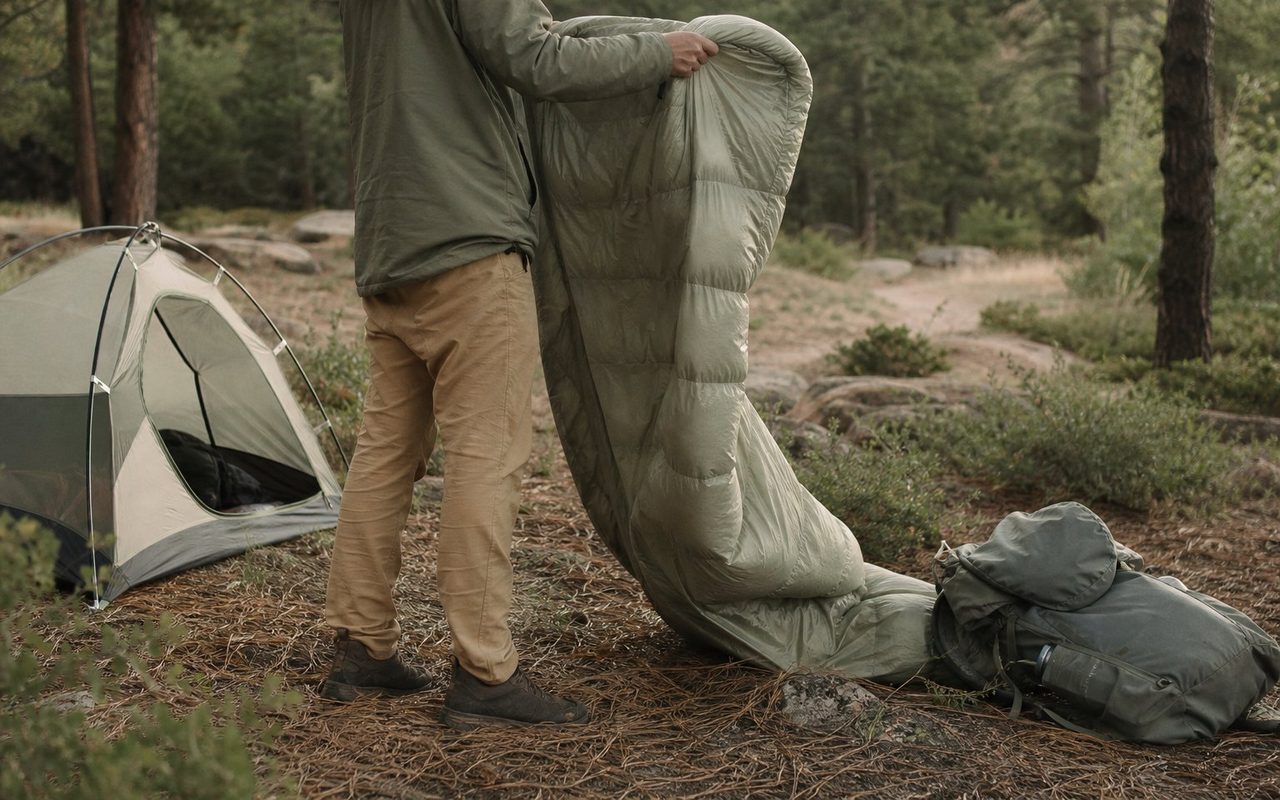
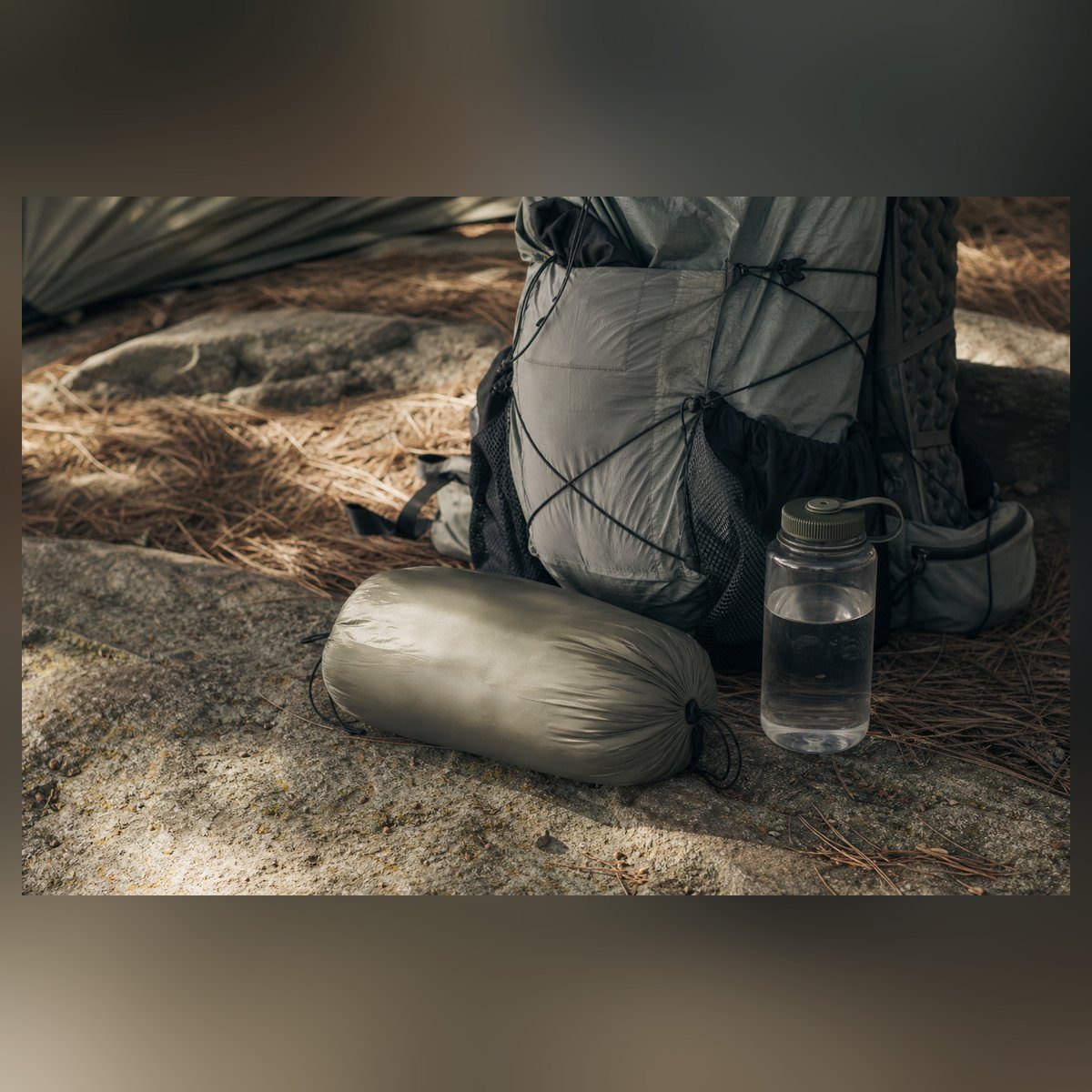
Quick picks by backpacker type
If you want a mainstream ultralight hooded mummy, start with the Sea to Summit Spark 15. If you want a low-weight bag with a little more movement and sleep-system detail, the Therm-a-Rest Parsec 20 is the main comparison point. If value and wider size options matter more than the lowest possible weight, the REI Co-op Magma 15 deserves a look. Western Mountaineering UltraLite and Feathered Friends Hummingbird UL 30 are stronger premium cross-shops, with current retail pricing that is easy to check.
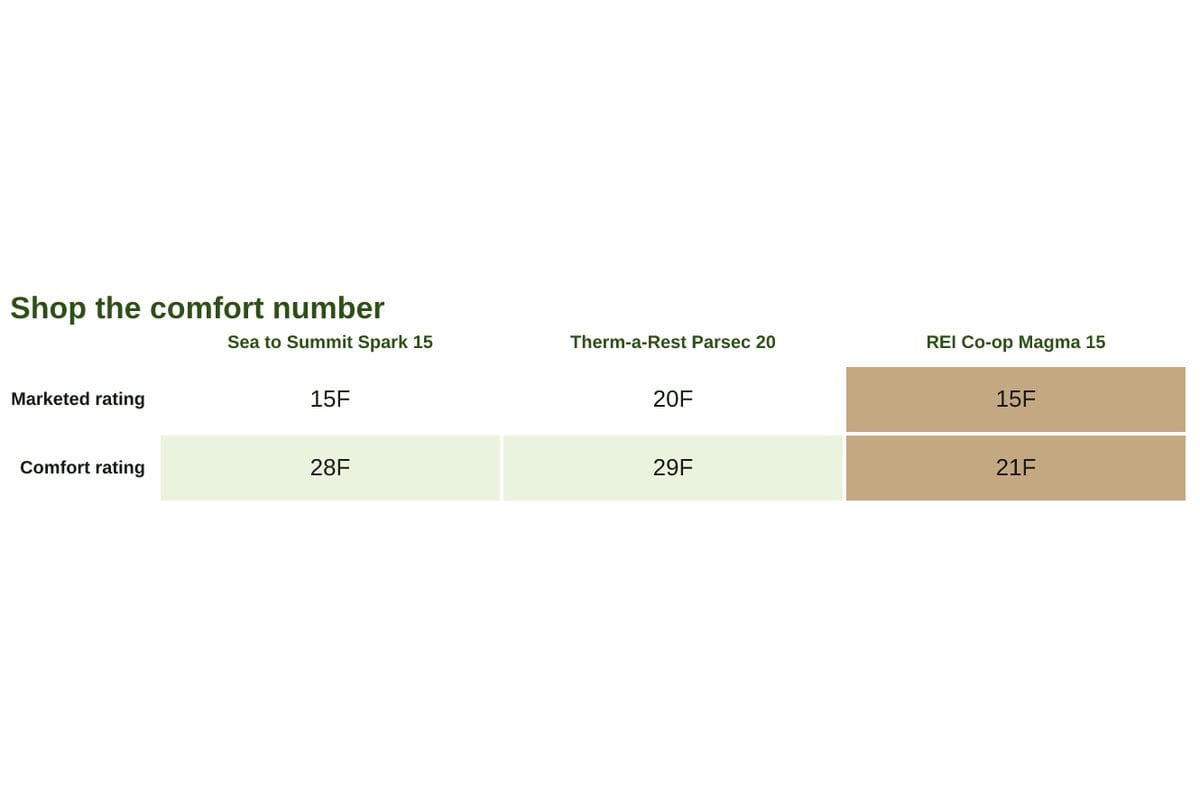
Read comfort rating first
A 15 or 20 in a product name is useful shorthand, but it is the maker's designation, not a guaranteed comfort point. The published comfort and lower-limit ratings tell you more about where a bag starts to feel realistic for many sleepers, so check those figures on each maker's current spec sheet rather than comparing the name numbers alone. Once you do, the real decision usually comes down to fit, total weight, and how much margin you want before adding layers.
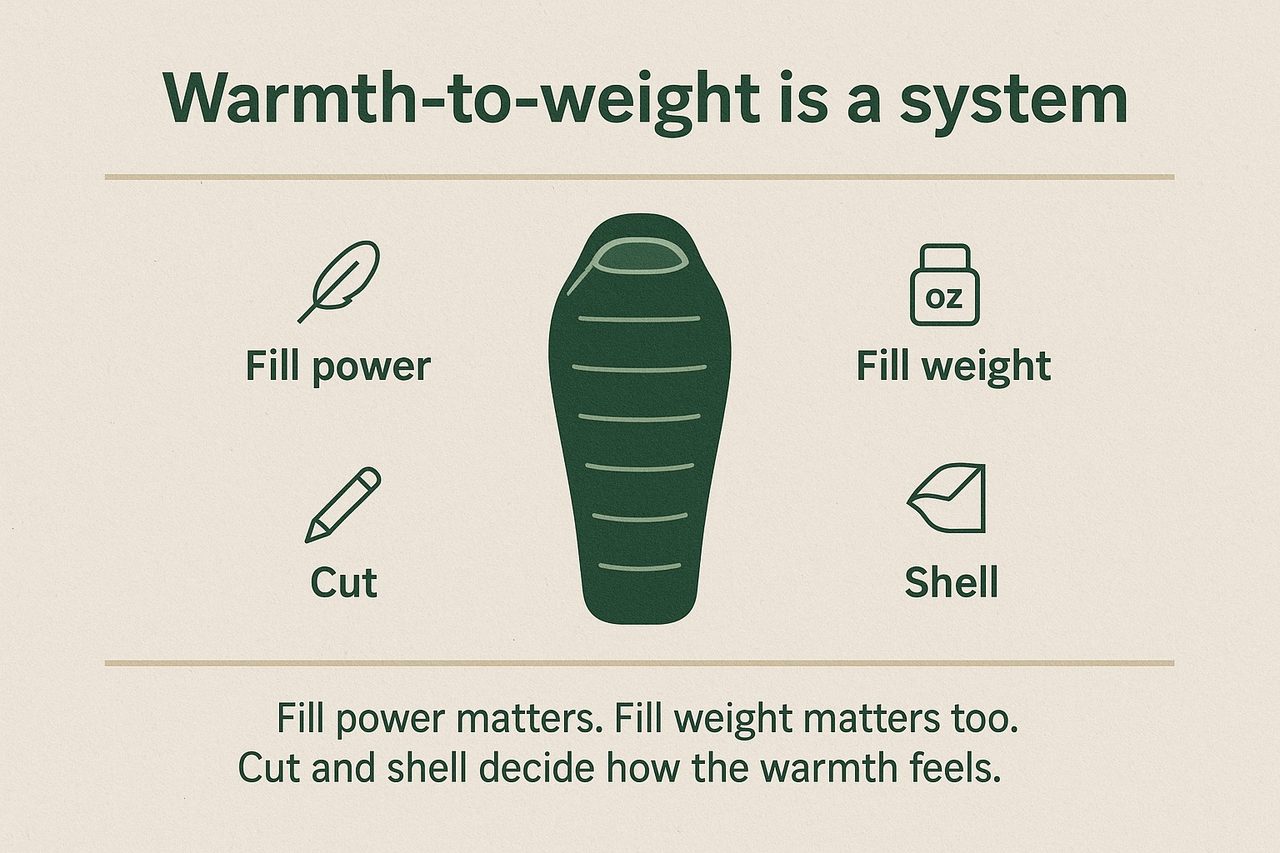
Fill power is only half the warmth story
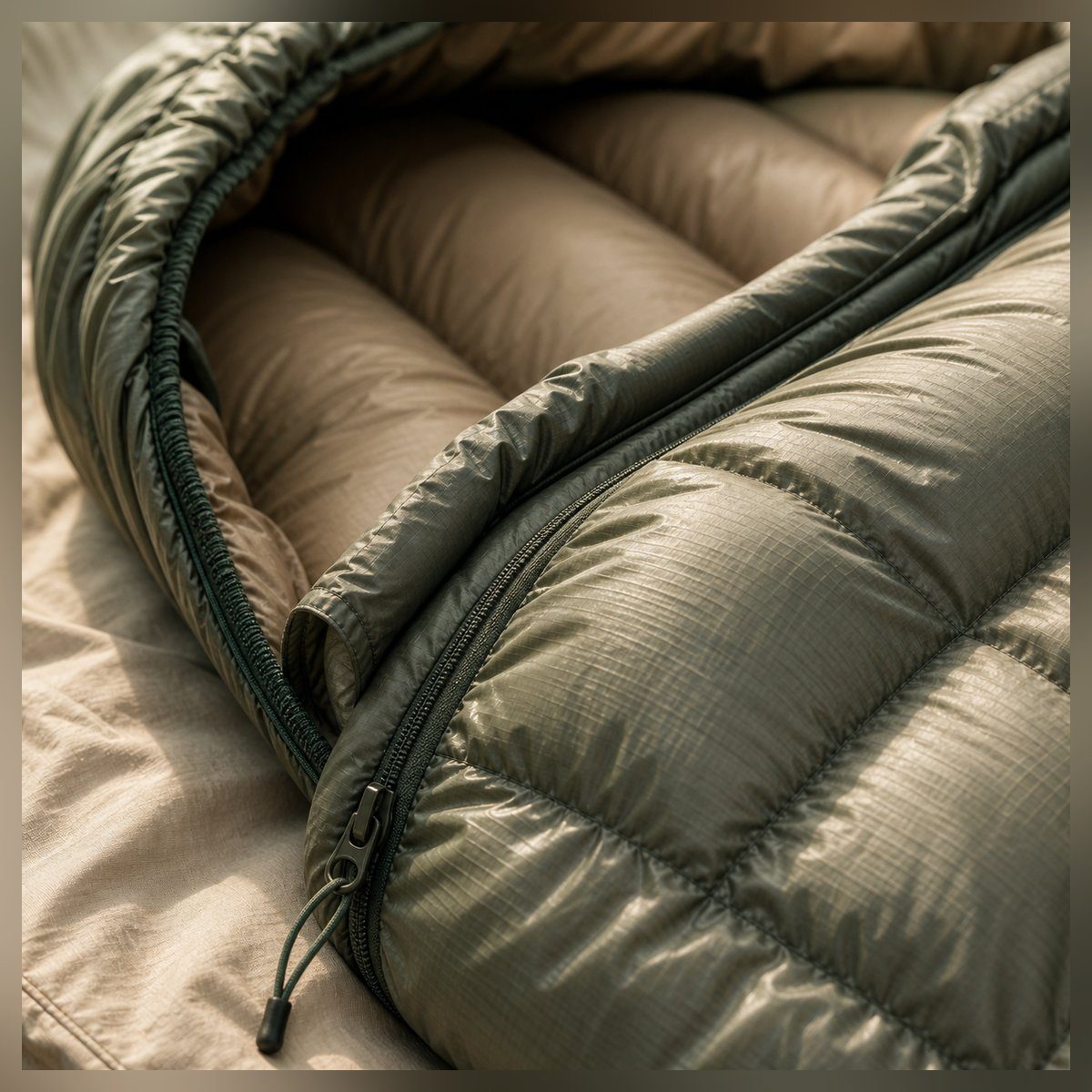
Fill power matters, but it is only one part of the picture. Fill weight, cut, baffle design, shell fabric, and zipper draft control all change how warm a bag feels on trail. That is why two bags with similarly premium down can still land at different total weights and different real-world warmth expectations.
Fit and draft control decide real warmth
A lighter bag can feel colder if the cut leaves dead air you have to warm up, or if the hood and collar do not seal cleanly around your sleep layers. Narrower ultralight bags reward a dialed sleep system. Slightly roomier bags can be easier to live with if you move a lot or sleep in extra layers.
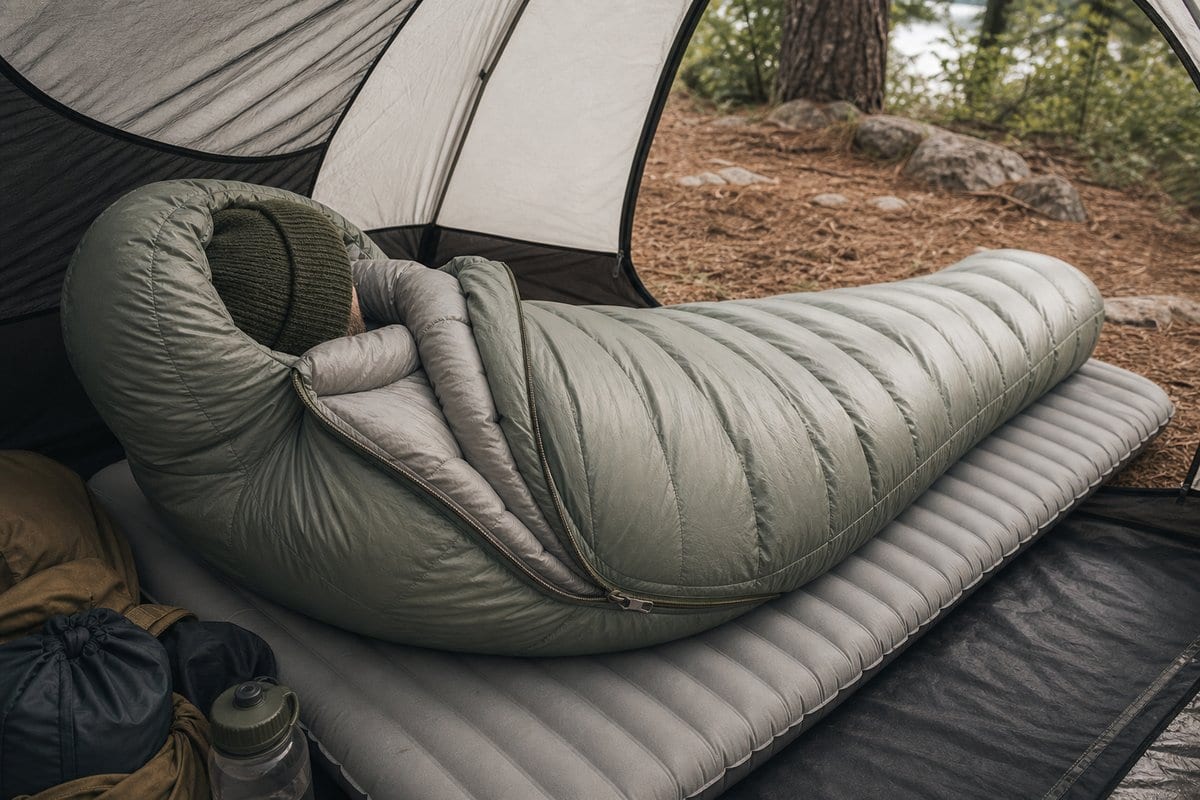
Your pad and weather still matter
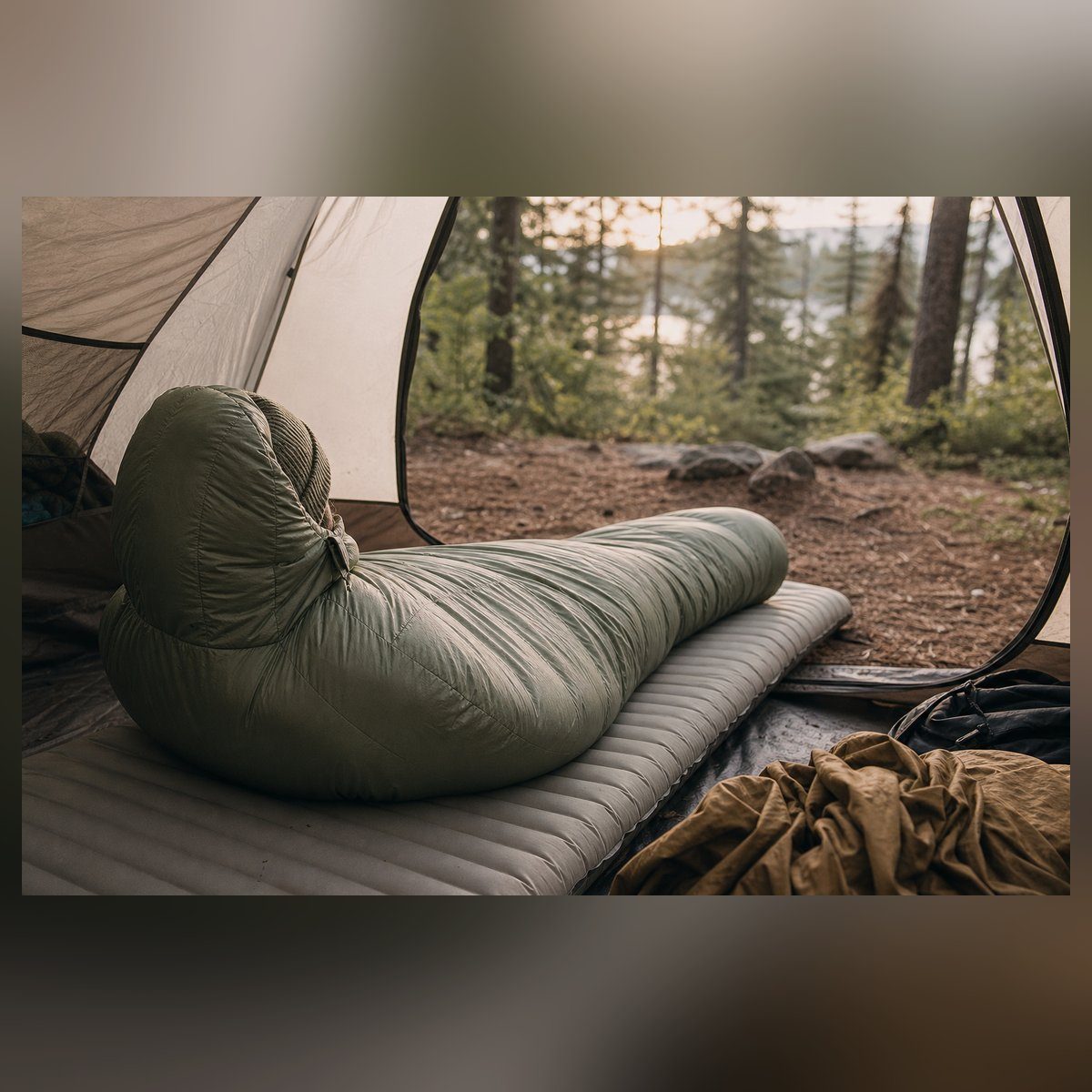
Even a strong ultralight sleeping bag will underperform on an underbuilt pad or in damp shoulder-season weather. Match the bag to a pad with enough insulation for the temperatures you actually expect, and leave room in your system for humidity, wind, and the occasional forecast miss.
Who should skip an ultralight mummy bag
Skip this category if you hate narrow cuts, mostly camp below the published comfort range, or want one bag to cover shoulder season and winter without layering. In those cases, a roomier traditional mummy or a warmer quilt-plus-clothing system usually makes more sense than chasing the lowest possible bag weight.
Gear spotlights
What we’re recommending
Best mainstream ultralight weight option
sleeping-bags
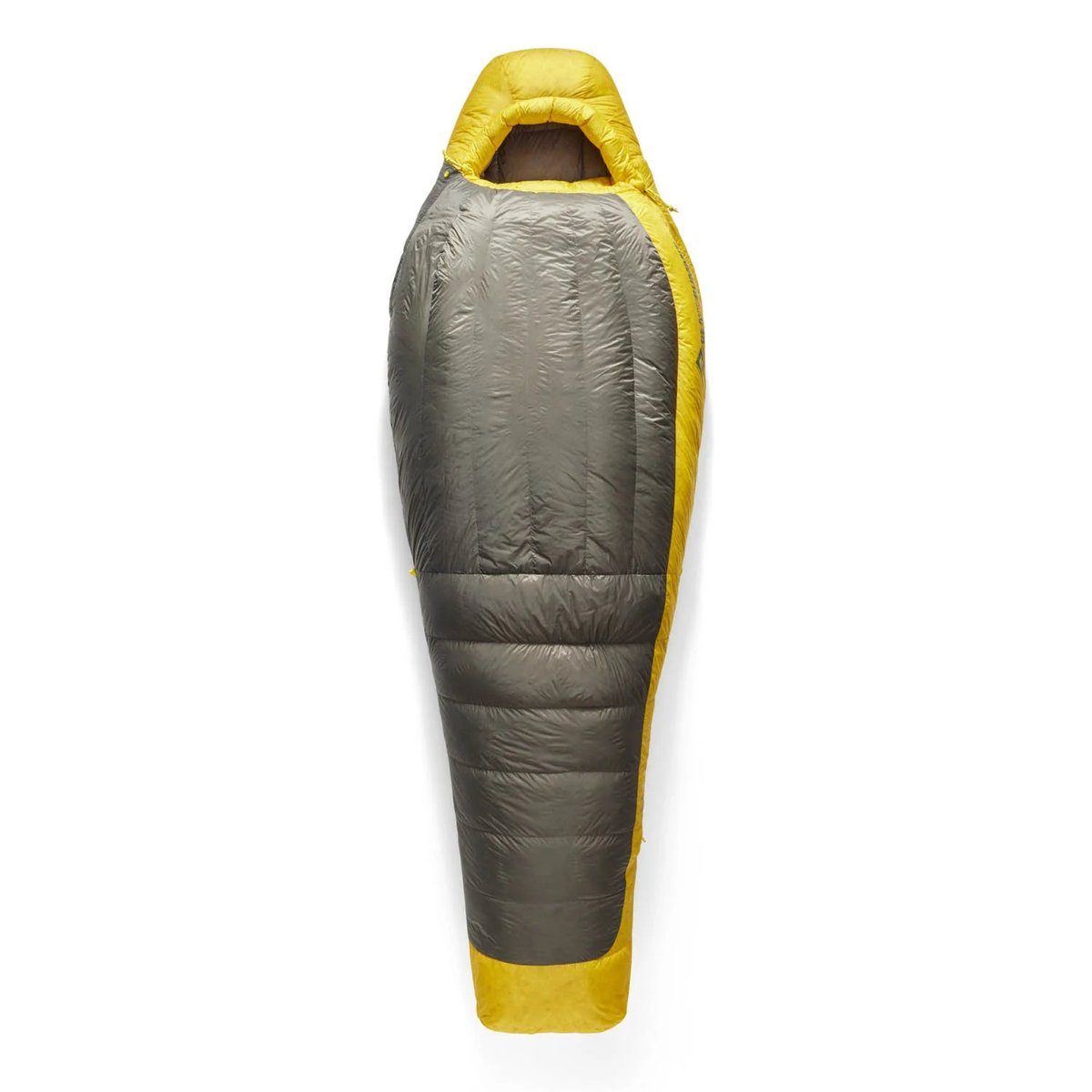
Sea to Summit Spark 15F Down Sleeping Bag
A light hooded mummy with strong warmth-to-weight appeal. Amazon carries the exact 15F Regular single mummy, listed in the $640-680 range as of 2026-10-07.
Best roomier fast-and-light option
sleeping-bags
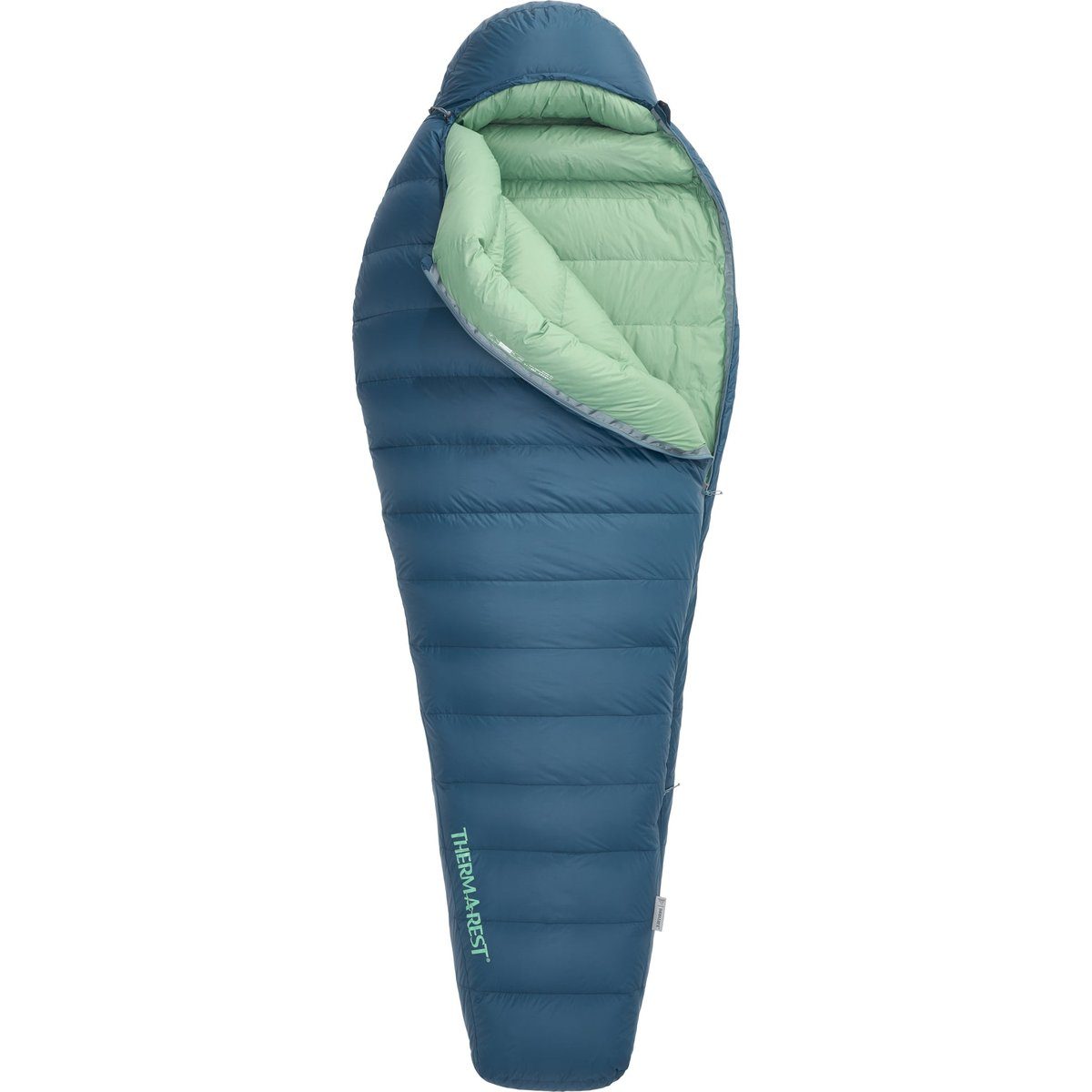
Therm-a-Rest Parsec 20
The Parsec 20 keeps its place if you want a low-weight down bag with a little more room and a feature set that feels easier to live with than the narrowest ultralight cuts.
Best value if sizing and stock line up
sleeping-bags
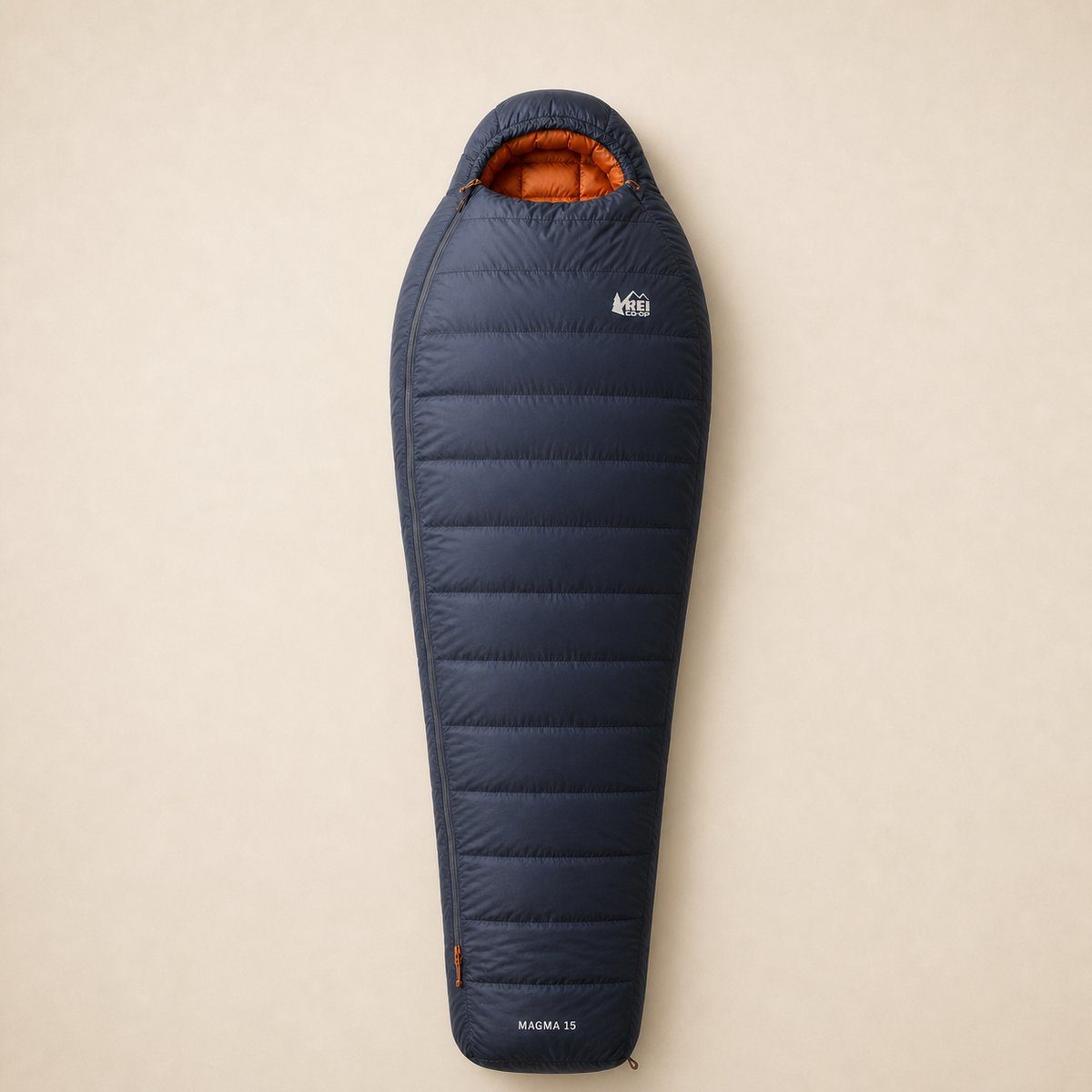
REI Co-op Magma 15
A strong value pick when size and stock line up. No purchase button: this REI house-brand model has no verified Amazon listing, and its current REI page could not be reverified.
Best premium ultralight cross-shop
sleeping-bags
Western Mountaineering UltraLite
The UltraLite is still one of the classic premium three-season down bags to compare against the mainstream field if you are comfortable paying more for a refined cut and long-running reputation.
Best narrow premium warm-weather option
sleeping-bags
Feathered Friends Hummingbird UL 30
A premium warm-weather pick for backpackers who like a trim mummy cut. The 30-degree Regular weighs 1 lb 5.2 oz with 11.5 oz of 950+ goose down, $579-599 as of 2026-10-07. See [Feathered Friends page](https://featheredfriends.com/products/feathered-friends-hummingbird-ul-20-30-down-sleeping-bag).
Get one honest gear take every Friday.
One email a week: new reviews, one gear pick with my reasoning, and nothing sponsored. Confirm your address and you get my printable 2-page backpacking gear checklist.
You'll get a confirmation link first, and nothing else arrives until you click it. Every email has a one-click unsubscribe. How your email is handled
More from Sleeping Bags
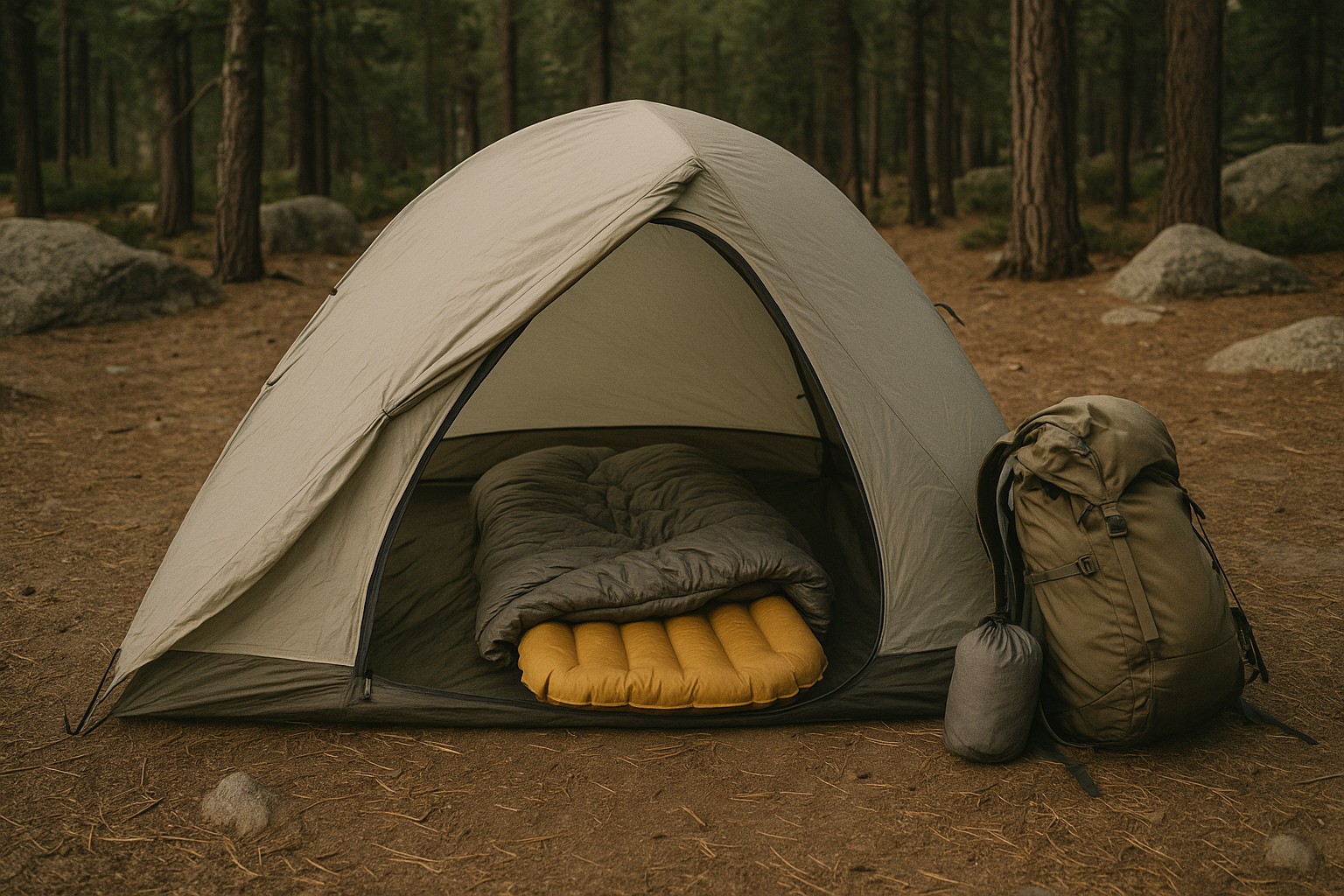
Best Winter Backpacking Sleeping Pads
These four insulated pads solve different winter backpacking problems, from safest all-around warmth to comfort-first cold-weather sleep and better value.
 Brooke Wilder
6 min read
Brooke Wilder
6 min read
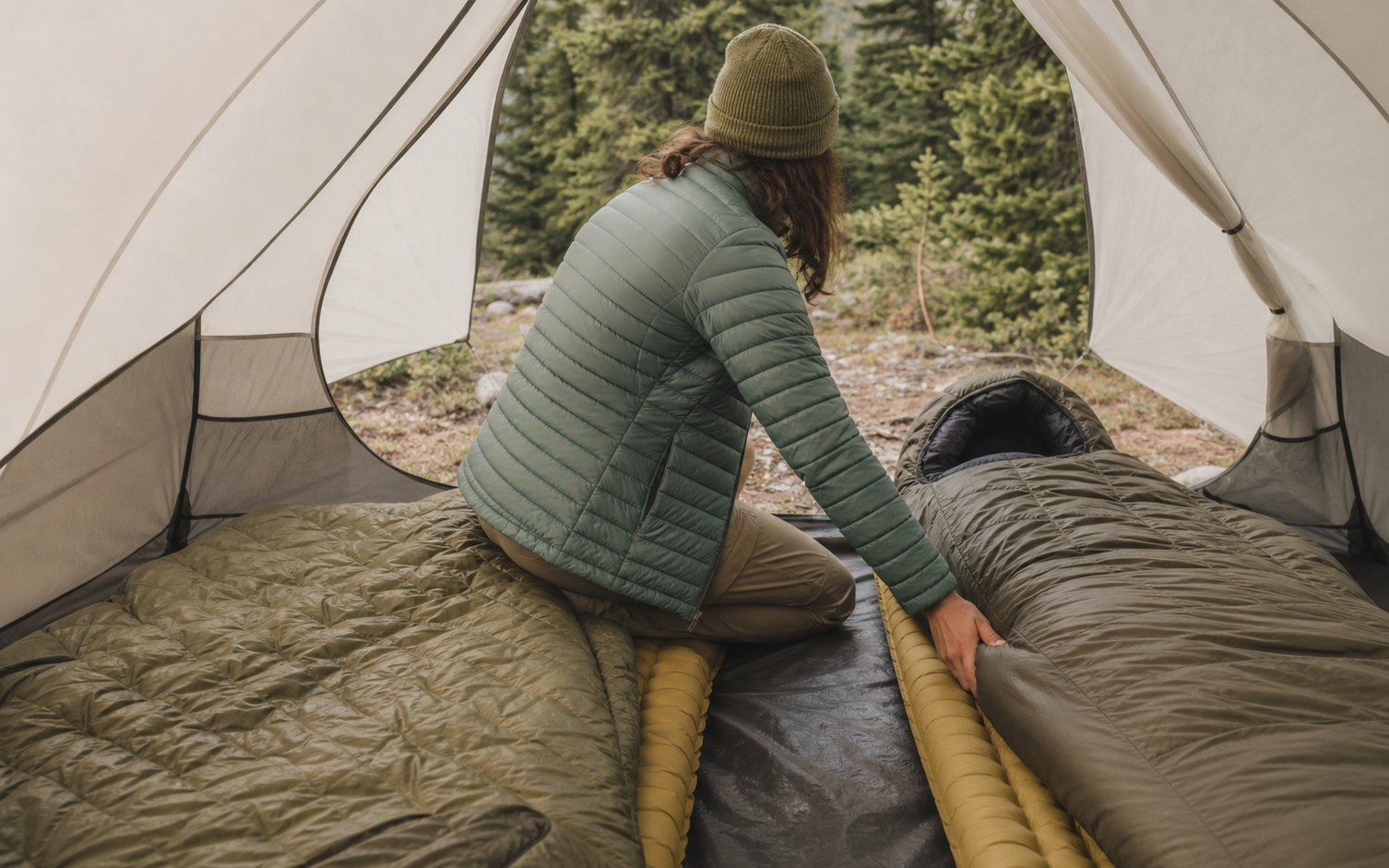
Sleeping Bag vs Quilt for Backpacking: Which Sleep System Fits You?
A quilt is not just a lighter sleeping bag with the back removed. It asks more from your sleeping pad, your head insulation, and your tolerance for drafts. This guide is for the hiker still choosing the system, not the person already shopping quilt models.
Brooke Wilder
7 min read
Western Mountaineering UltraLite Review
UltraLite review: 29 oz of 850+ down. Maker rating 20°F; EN comfort 24.8°F, lower limit 14°F. Who should buy it, and who should skip it.
Brooke Wilder
8 min read
Why trust BestForBackpacking
Honest gear advice for backpackers, researched, weighed, and recommended.
Every pick is based on deep research: a synthesis of long-term owner reports, independent reviewer tests, and manufacturer specs, weighted by source independence, specificity, and use-case match. Brooke Wilder is our gear editor, the editorial persona who turns that research into a clear recommendation.