
Backpacking Quilts
Best Backpacking Quilts: What to Buy and What to Avoid
Last updated: June 2026
 By Brooke7 min read
Share this post
Send it to someone who's planning a trip.
Why temperature ratings are almost meaningless without context
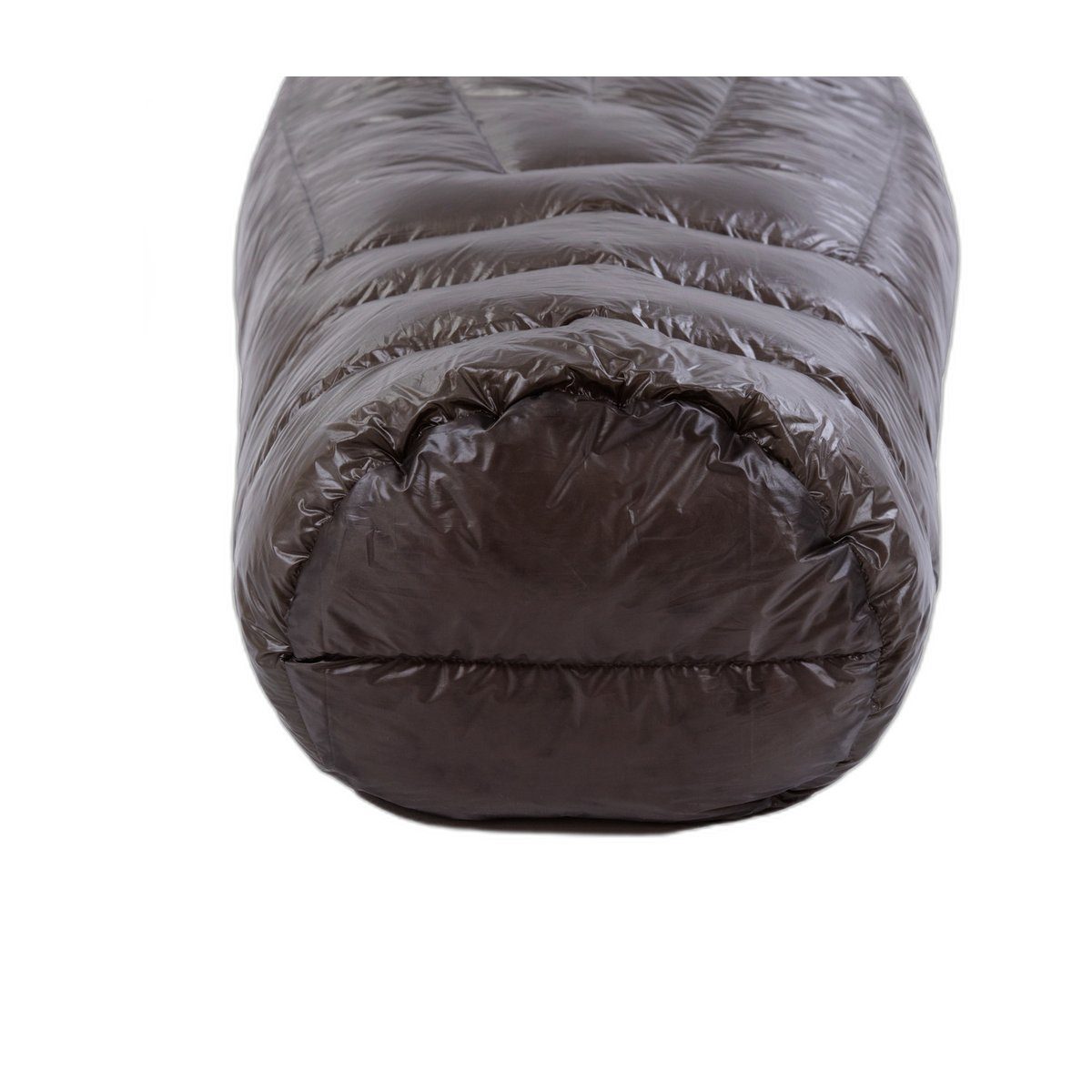
Here's the problem with quilt shopping: no EN/ISO temperature rating standard exists for quilts. Sleeping bags have had EN 13537 since 2005. Quilts have nothing equivalent. Every manufacturer rates their own products, and there's no independent referee.
The practical result: two quilts labeled 20°F from different brands can differ by 10 actual degrees in real performance. An 800-fill-power quilt and a 900-fill-power quilt are not automatically comparable, because fill weight and quilt shape matter just as much as fill power.
The number that matters is warmth index, which you calculate as fill power multiplied by fill weight in ounces. It is not perfect, but it is better than trusting a temperature label by itself. Paria publishes a clean current table for the Thermodown 15: the regular size uses 20 oz of 800FP down at 33 oz total. Katabatic publishes detailed Flex 22 tables too: common 6-foot configurations run 14.3-15.4 oz of down and 22.8-23.9 oz total depending on fill choice. Enlightened Equipment verifies 850FP and 950FP options for the Revelation and Enigma, but the current product pages do not expose every fill-weight row cleanly, so exact warmth math depends on the configuration you choose.
That is why this guide treats quilt ratings as a starting point, not a promise. Compare fill power, fill weight, total weight, footbox design, and owner reports together. A synthetic quilt like the Enigma APEX does not belong in the same fill-power math at all; compare it by temperature rating, total weight, packed bulk, and wet-weather tolerance.
Shoulder seasons and elevation change things. A 20°F quilt comfortable on a July desert night at 9,000 feet is different from one that holds up in a wet 35°F Vermont notch. Temperature ratings assume a benchmark-average sleeper. Cold sleepers should subtract 5-10°F from any manufacturer rating.
The footbox decision: closed, convertible, or drawcord
This is the most argued decision in quilt-buying, and the answer is not complicated once you know what you are actually optimizing for.
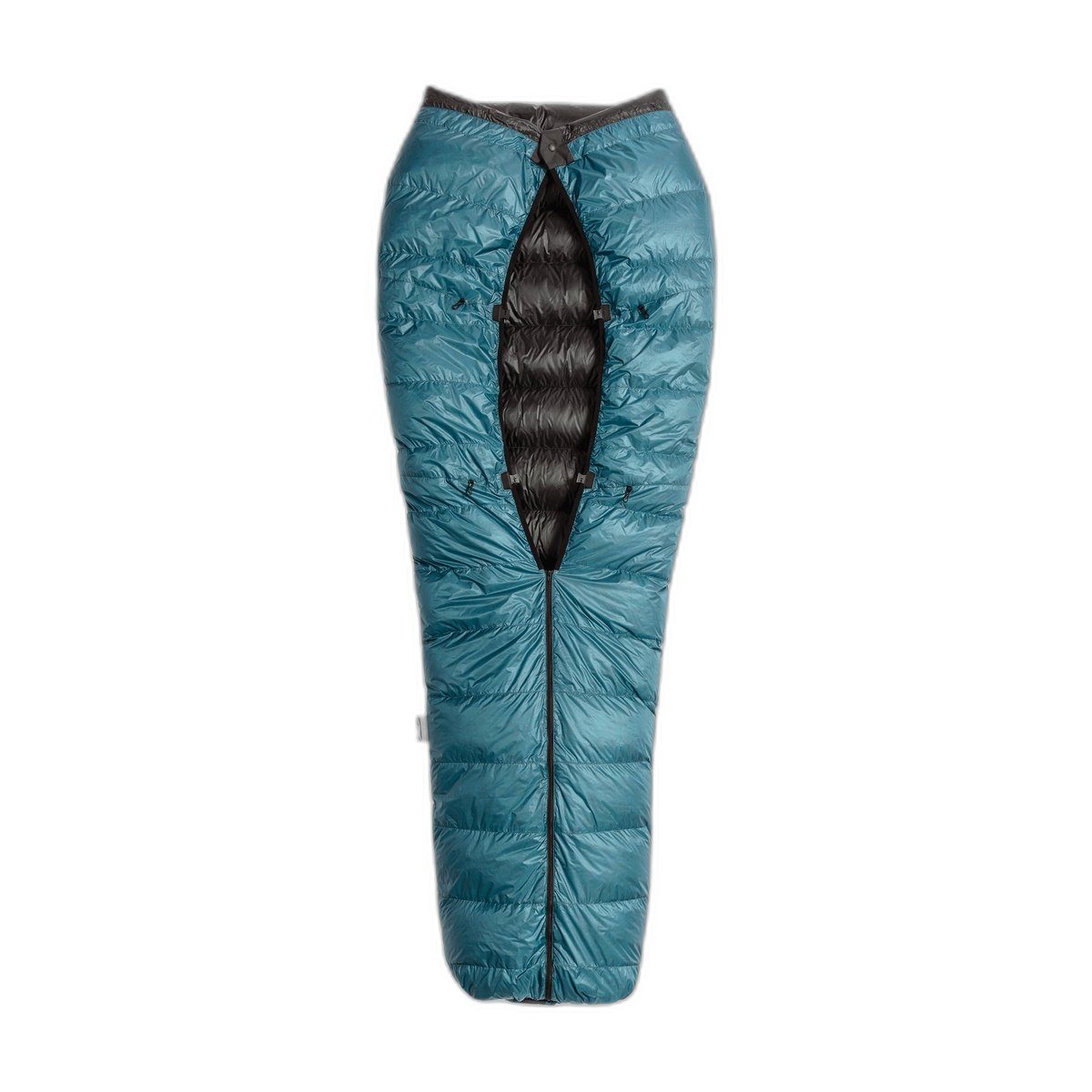
Sewn/closed footbox (Katabatic Flex 22, Timmermade Serpentes 20): warmest at the rating floor, no ventilation option on warm nights. Right for cold-focused hikers and shoulder-season use. If you are hiking the Sierra in October or the Long Trail in September, this is probably your footbox. Experienced UL thru-hikers planning PCT or CDT sections in cold conditions tend to prefer closed.
Drawcord/open footbox (Enlightened Equipment Revelation 20, Zpacks Solo Quilt): more ventilation on warm nights, easier to stick a foot out when you overheat. Slightly less warmth at the rated floor due to heat loss at the taper. The most common option in the cottage quilt market because most buyers want versatility across conditions. The Revelation's pad attachment straps partially compensate for the draft gap at the foot.
Convertible footbox (Enlightened Equipment Enigma, some Sea to Summit options): a zipper converts the footbox from open to semi-enclosed. Adds a few ounces and cost. Worth it for buyers who do both cold shoulder-season trips and warm summer nights and do not want two quilts.
The honest answer: most three-season backpackers going to a cottage quilt for the first time should start with a drawcord footbox. Closed footbox quilts are for buyers who know they run cold or are targeting specific shoulder-season conditions. The warmth difference at the rating floor is real but smaller than forum debates suggest; closer to 3-5 actual degrees in typical use.
Down or synthetic: when the answer changes
Down is lighter. It compresses better. At the same temperature rating, a quality down quilt typically weighs 30-50% less than an equivalent synthetic. For most three-season backpacking in the western US, the debate is not close: down wins.
The answer changes in wet climates.
Down insulation loses most of its loft when wet. A soaked down quilt at 40°F is a problem. A soaked synthetic quilt at 40°F retains roughly 70-80% of its warmth. On a trail like the Vermont Long Trail or the Olympics, where multi-day rain is normal, the case for synthetic gets more serious.
The middle ground is hydrophobic down. Treatments like DWR-coated clusters (Nikwax Hydrophobic, PHD M-series, EE Revelation with Q shield option) absorb less moisture than untreated down in sustained rain. They do not perform as well as synthetic when fully saturated, but they are significantly better than standard down in a two-day drizzle. For Pacific Northwest hiking or any trip with sustained condensation exposure, the Q shield or a similar treatment is worth the cost premium.
The synthetic pick in this guide, the EE Enigma APEX 40, is a warm-weather piece, not a 20°F alternative. Synthetic insulation at 20°F means significantly more weight and bulk than an equivalent down rating. The weight penalty is why most serious backpackers, even in wet-climate states, still use down: they manage moisture through tarp or bivy shelter and liner sacks, not by switching insulation type.
The honest summary: down for most backpackers in most conditions. Hydrophobic down for wet-climate trips where you expect some precipitation. Synthetic only for warm-weather or car-shuttle trips where weight is secondary and you are regularly getting drenched.
The pad is half the sleep system
This is the piece most first-time quilt buyers do not hear until after their first cold night.
A quilt provides zero insulation below you. All of the quilt's warmth comes from the fill above and around you. What's below is your sleeping pad, and a sleeping pad's R-value is how much insulation it provides. Without enough R-value, even a well-rated quilt will not keep you warm.
For a 20°F quilt used in true 3-season conditions (overnight lows around 25-35°F), you need a sleeping pad with R-value 3.5-4.5 minimum. The Therm-a-Rest NeoAir XLite NXT (R-4.5) and the Sea to Summit Ether Light XT Extreme (R-4.5) are the most common pairings with the Revelation 20 and similar quilts among ultralight thru-hikers.
For shoulder-season use with overnight lows in the 15-25°F range, step up to R-5 or higher. The Therm-a-Rest NeoAir XTherm (R-7.3) is the UL answer for serious cold. At the other extreme, summer use with a 40°F synthetic quilt can get by with R-2 to R-3.
The mistake first-time quilt buyers make is pairing a 20°F quilt with a cheap foam pad or a 3-season inflatable rated R-2. The quilt is technically rated to 20°F but the sleep system (quilt plus pad) is not. You will be cold and blame the quilt. Always spec the system together.
When to skip the quilt entirely and stick with a mummy bag
Quilts are not for everyone, and the honest version of this guide names who should not buy one.
Skip the quilt if you run cold. Quilts require a degree of sleep discipline: keeping the edges tucked and the pad attachment snug. Cold sleepers who already struggle to stay warm in a mummy bag are going to struggle more in a quilt. The warmest option in a given weight range is almost always a good mummy bag, not a quilt.
Skip the quilt if you move constantly at night. Quilt pad attachment straps can handle some movement but not constant rolling. The pad attachment is the only thing keeping the quilt in place, and a restless sleeper will find themselves fighting drafts all night. The Enigma's sewn back panel helps, but it is not a complete solution for high-movement sleepers.
Skip the quilt if you are a confirmed side sleeper who runs cold. Side sleeping creates a natural gap between the quilt edge and the pad that does not exist with a mummy bag. It is manageable for warm sleepers but a real problem in cold conditions. Cold-running side sleepers are better served by a half-bag with a built-in back panel, or just a mummy bag.
Consider staying with a mummy bag if this is your first piece of backpacking sleep gear. Quilts have a learning curve: the pad attachment, the footbox management, the edge discipline. All of it takes a trip or two to dial in. Buyers who have never backpacked before sometimes return to a mummy bag after one cold night because they could not troubleshoot the system in the dark. If you are new to backpacking and your priority is warmth reliability over weight savings, the mummy bag removes variables. Add the quilt once you understand your sleep system needs.
Gear spotlights
What we’re recommending
Top pick
Ultralight down quilt, 3-season
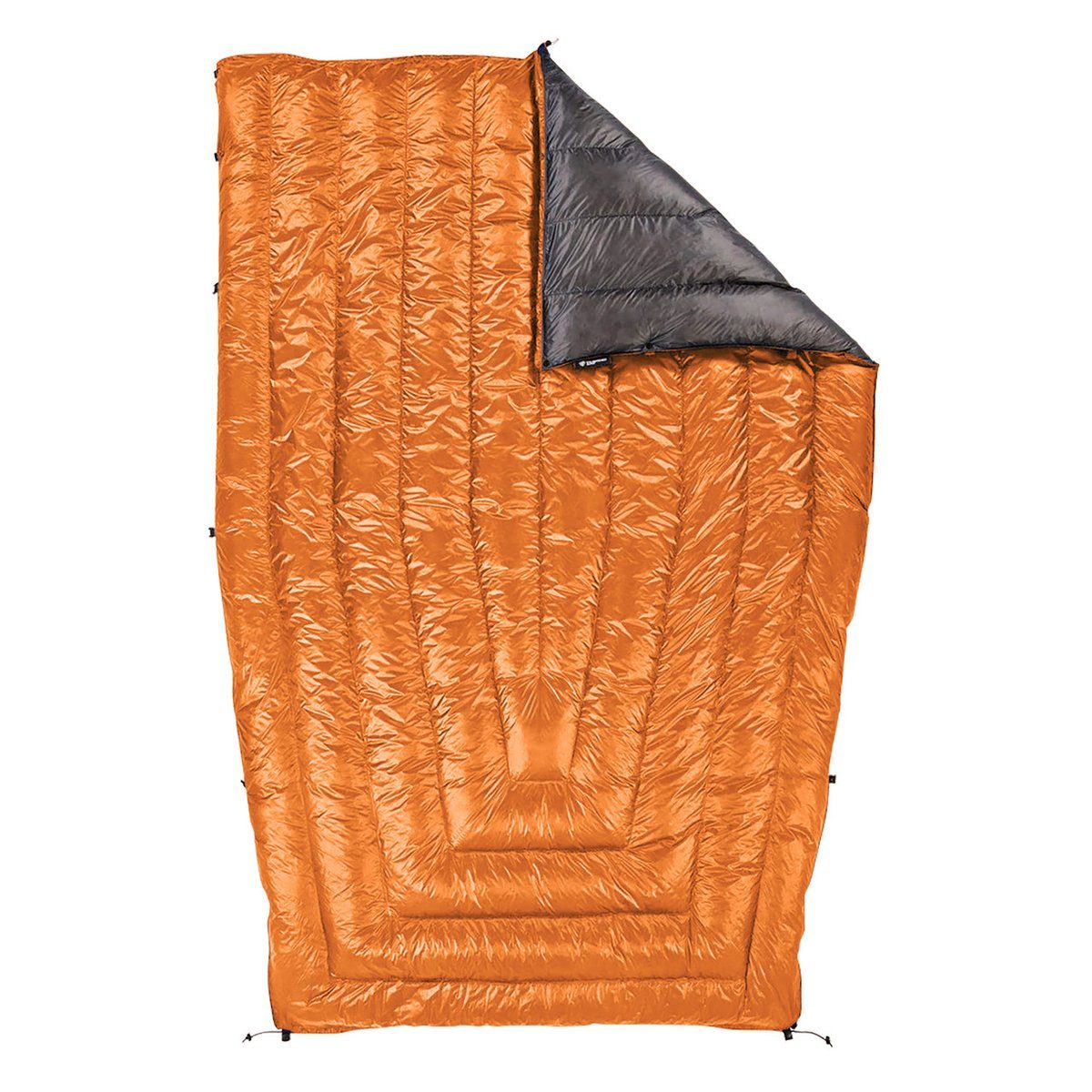
Enlightened Equipment Revelation 20
850FP or 950FP down, DWR shell, zipper-and-drawcord footbox, and included pad straps. The default cottage quilt starting point for many buyers. Current weight and fill math are configuration-specific, so verify the exact build before comparing ounces.
Best value
Budget down quilt, 3-season
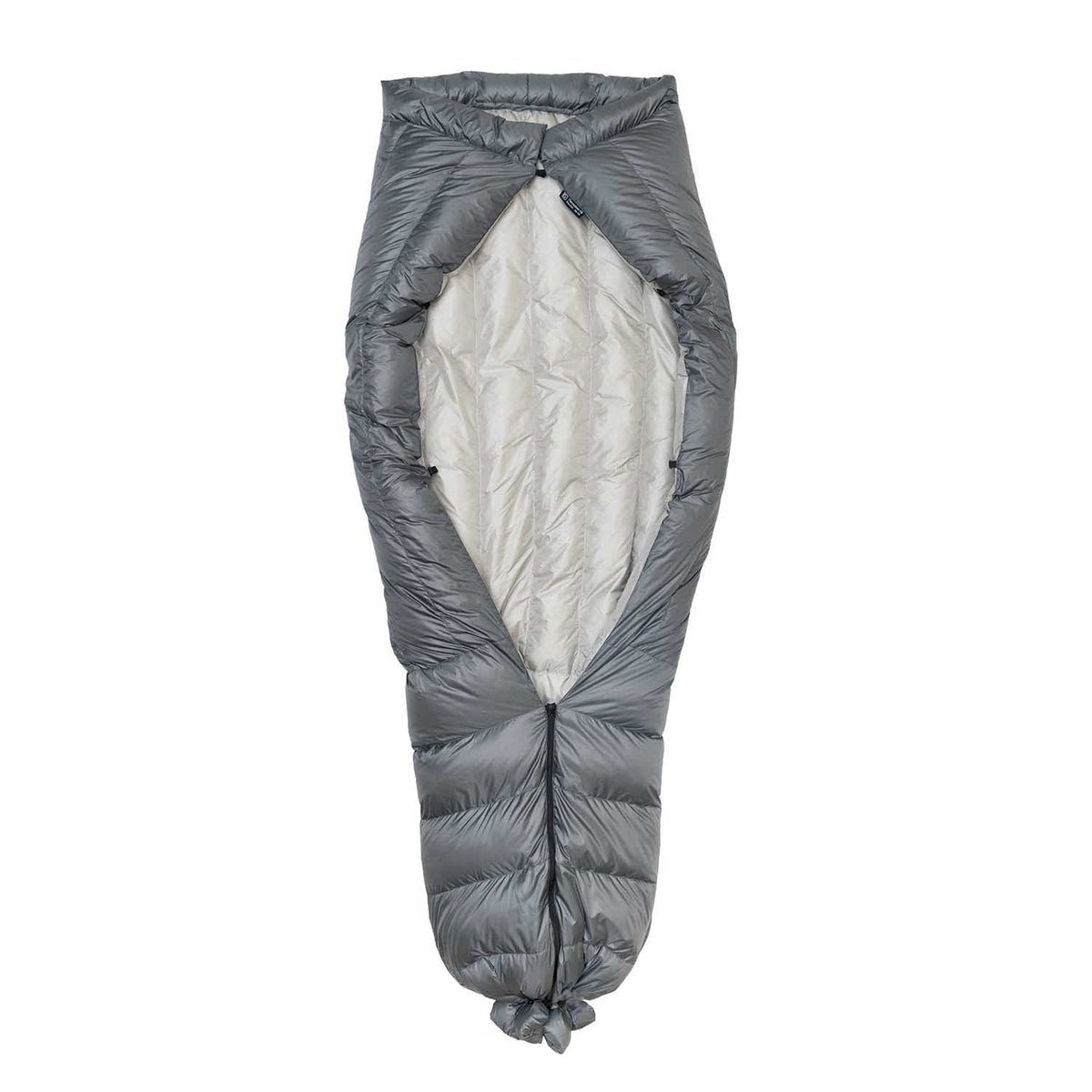
Paria Outdoor Products Thermodown 15 Down Quilt
800FP RDS duck down, 20 oz of fill in the regular size, and a 33 oz listed weight. Heavier than premium cottage quilts, but the warmth-per-dollar case is still strong for buyers who care more about budget than ounces.
Best for restless sleepers
Sewn-back quilt, 3-season
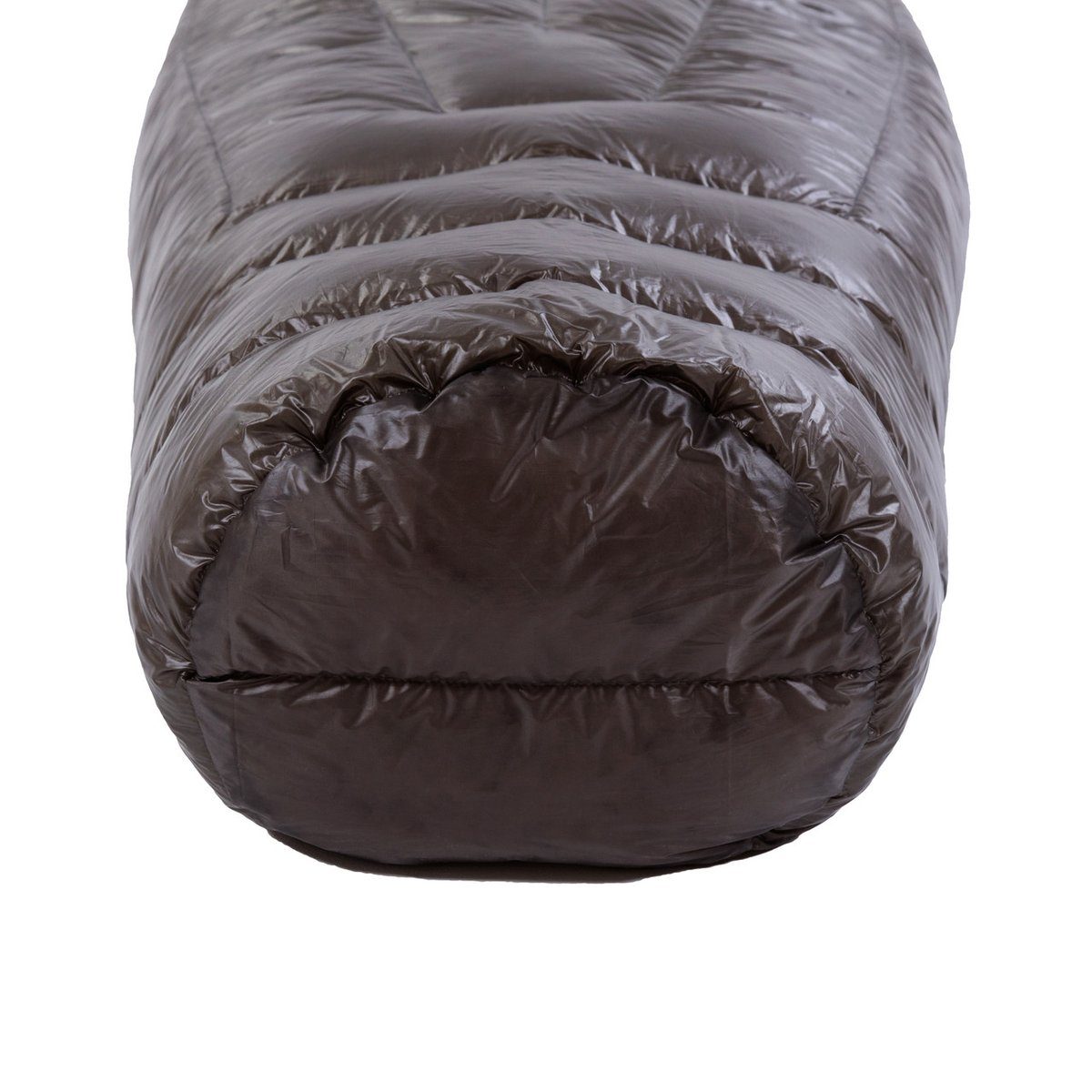
Enlightened Equipment Enigma 20
Sewn-closed footbox, pad straps, and 850FP or 950FP down options. It is the better EE pick if you fight drafts in open-footbox quilts, but exact weight and fill depend on the configuration you choose.
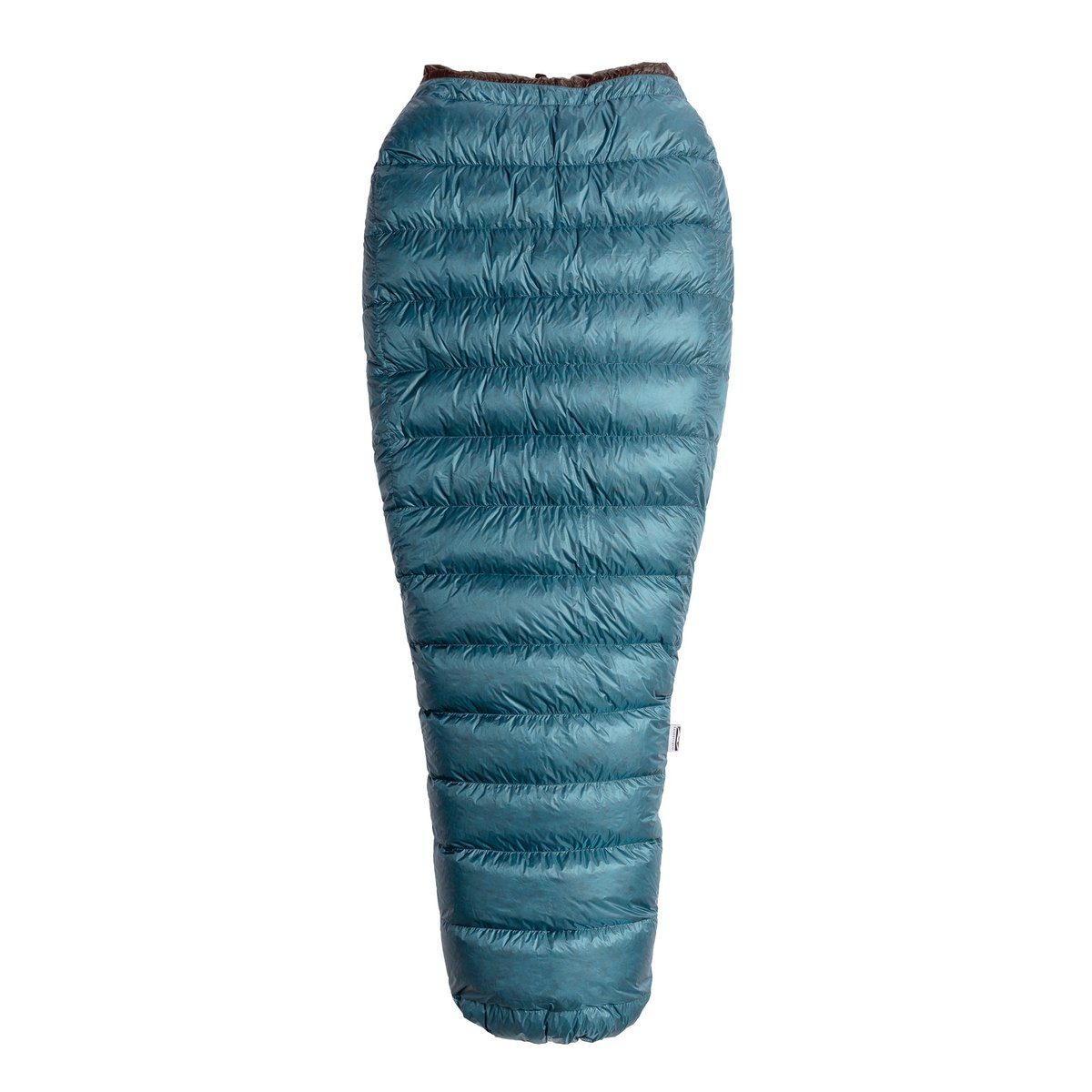
Best closed footbox
Premium quilt, sewn closed footbox
Katabatic Gear Flex 22°F Quilt
Premium 850FP or 900FP down quilt with detailed maker-published fill tables, differential cut, collar, and strong pad attachment. The expensive pick for hikers who want warmth discipline and published configuration detail.
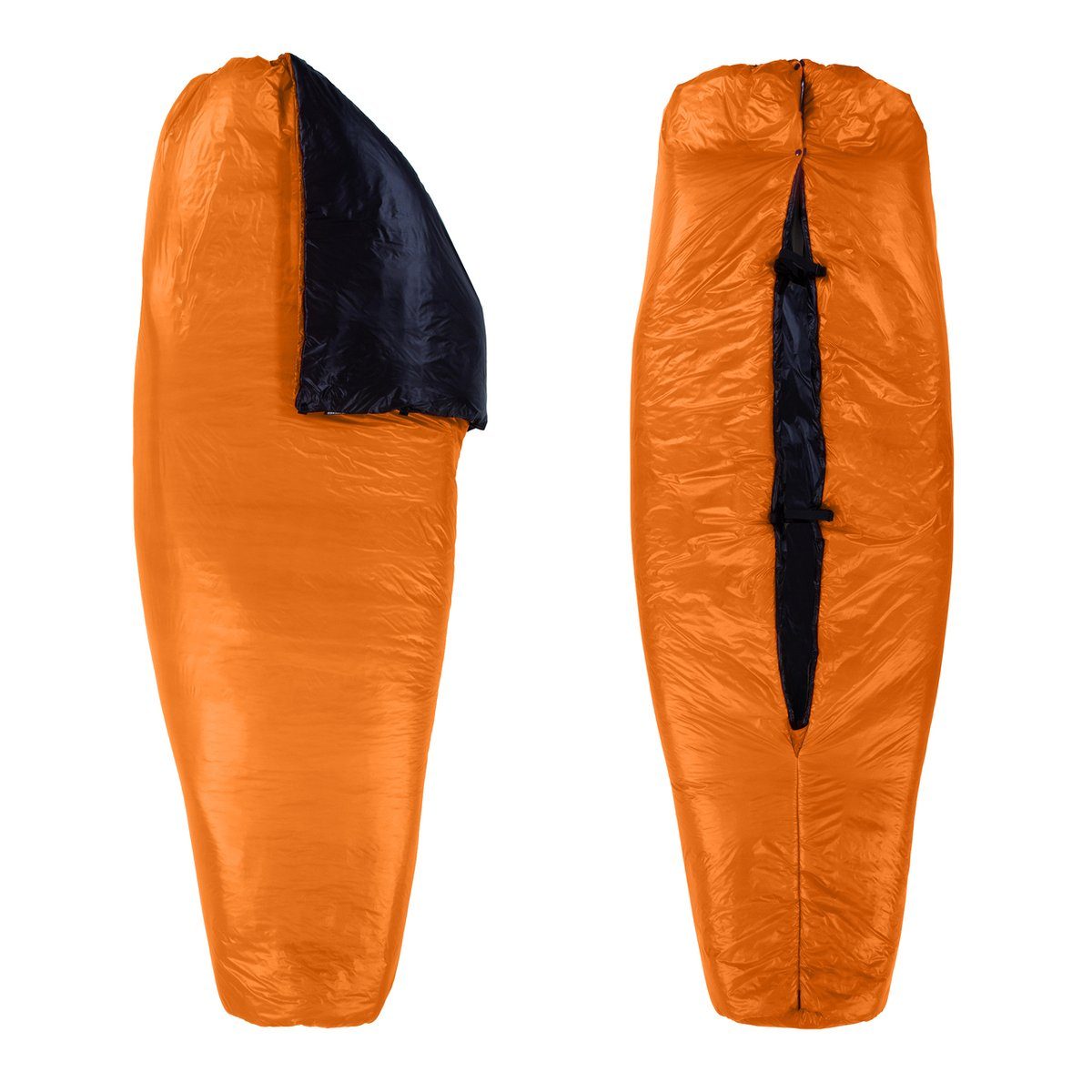
Best synthetic option
Synthetic quilt, warm weather and wet climates
Enlightened Equipment Enigma APEX 40
Climashield APEX synthetic insulation, sewn-closed footbox, and the same pad-strap logic as the down Enigma. It is for warm, damp trips where wet-weather tolerance matters more than packed size.
More from Backpacking Quilts
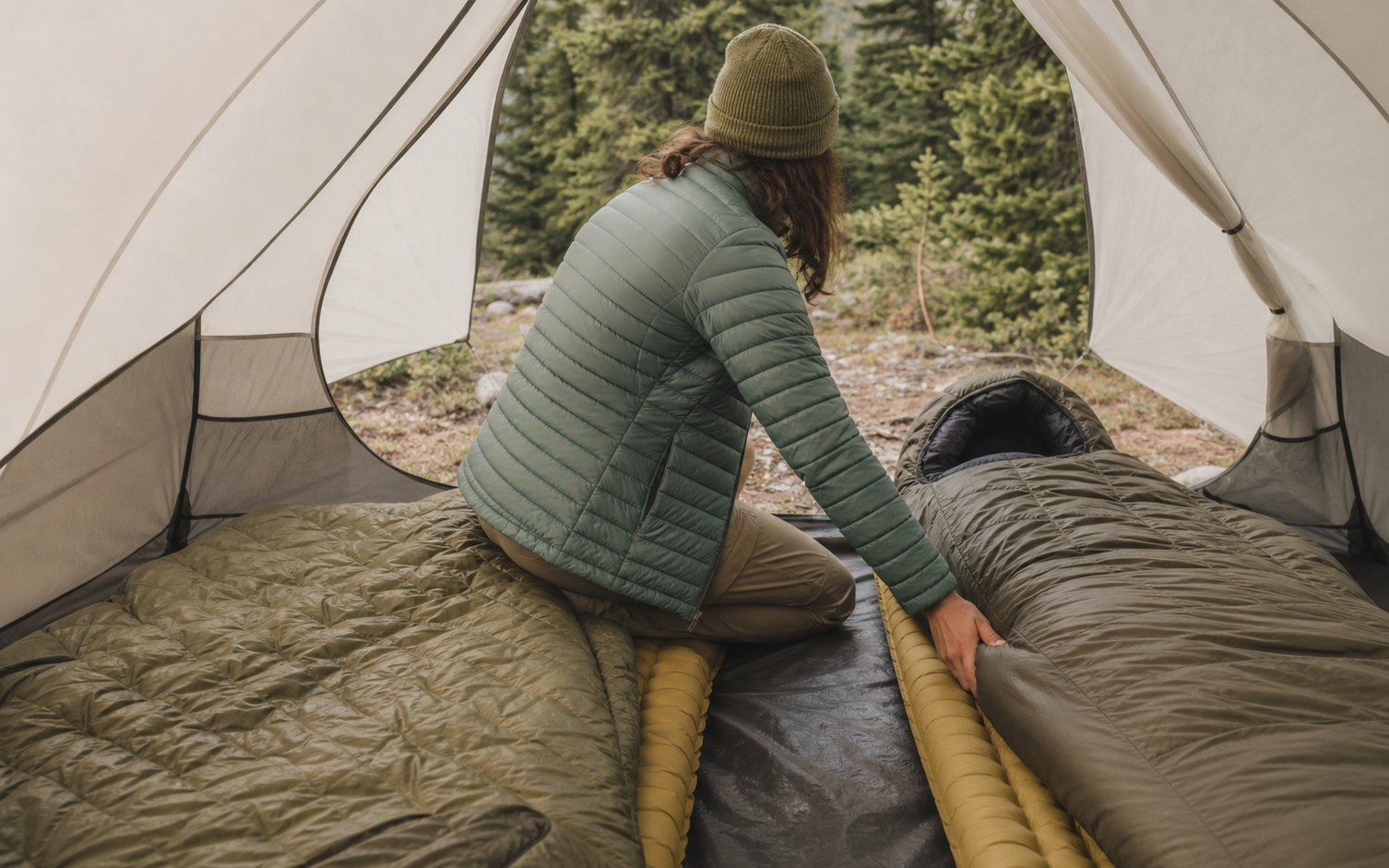
Sleeping Bag vs Quilt for Backpacking: Which Sleep System Fits You?
A quilt is not just a lighter sleeping bag with the back removed. It asks more from your sleeping pad, your head insulation, and your tolerance for drafts. This guide is for the hiker still choosing the system, not the person already shopping quilt models.
 Brooke Wilder
7 min read
Brooke Wilder
7 min read
Get one honest gear take every Friday.
No spam. Just gear picks, packing lessons, and notes from this week's research.
Why trust BestForBackpacking
Honest gear advice for backpackers, researched, weighed, and recommended.
Every pick is based on deep research: a synthesis of long-term owner reports, independent reviewer tests, and manufacturer specs, weighted by source independence, specificity, and use-case match. Brooke Wilder is our gear editor, the editorial persona who turns that research into a clear recommendation.