
Backpacking
Kings Canyon and Sequoia Backpacking Guide
Last updated:
A practical backpacker's guide to Kings Canyon and Sequoia, including permits, zones, Rae Lakes, Mineral King, season timing, bear canisters, and current conditions.
 By Brooke5 min read
Share this post
Send it to someone who's planning a trip.
Overview
Why Kings Canyon and Sequoia
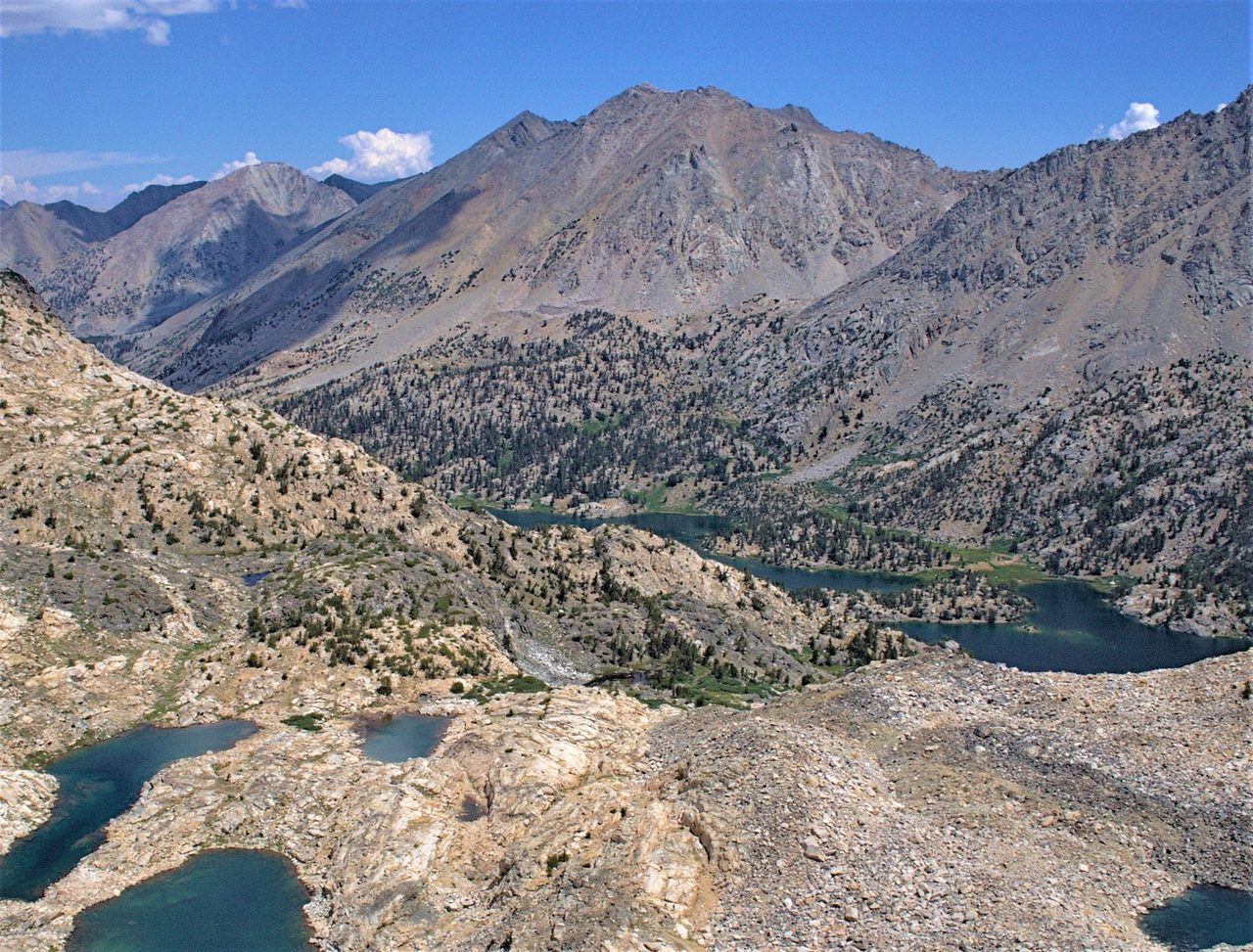
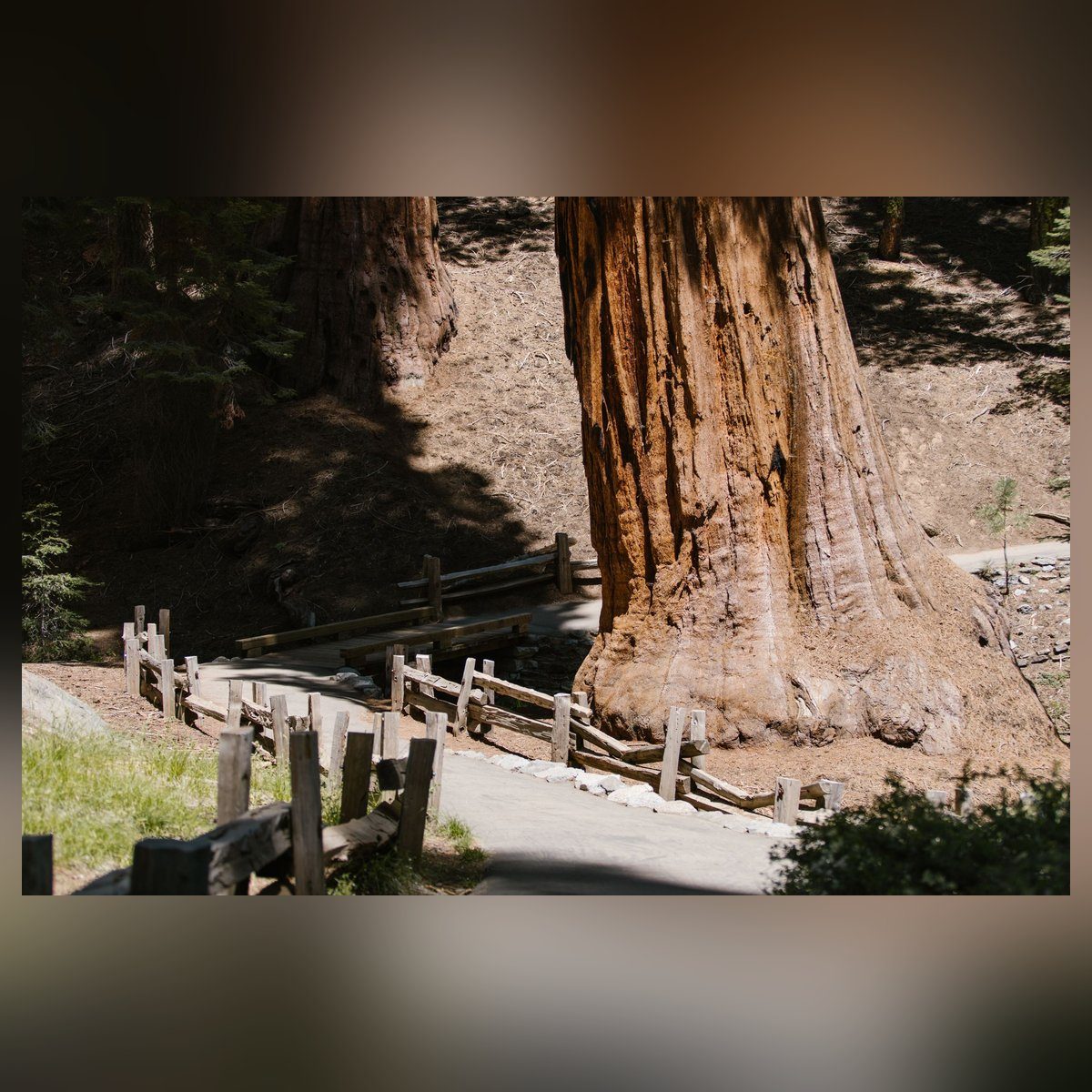
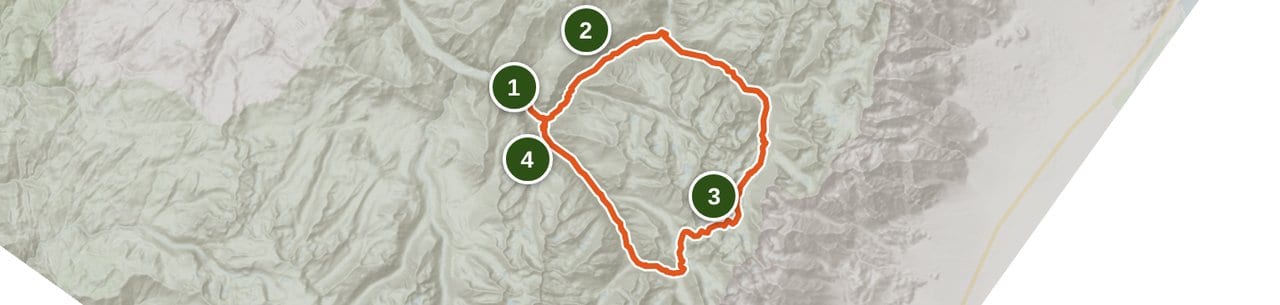
These two connected parks hold the southern end of the high Sierra. Kings Canyon gives you the namesake river canyon and the classic Rae Lakes Loop out of Road's End, a 41.4-mile loop over 11,978-foot Glen Pass. Sequoia adds Giant Forest and Lodgepole for a more serviced base, plus the remote Mineral King drainage behind a narrow, winding approach road from Highway 198. For 2- to 5-day trips the working decisions are permits, season, road status, and bear storage, and all of them change through the year, so plan with current NPS pages and recheck them before a trip.
At a glance
Trail at a glance
Permits
Quota-season wilderness permit, Recreation.gov
Best for
2- to 5-day Sierra backpacking trips
Best season
Late July through September for high country
Bear storage
Plan on an approved bear canister
Current check
NPS alerts, trail conditions, and roads before leaving
Signature trip
Rae Lakes Loop, 41.4 miles
Conditions checked
NPS trail conditions, road conditions, construction and fire restriction pages, October 7, 2026
Permits & logistics
Permits & logistics
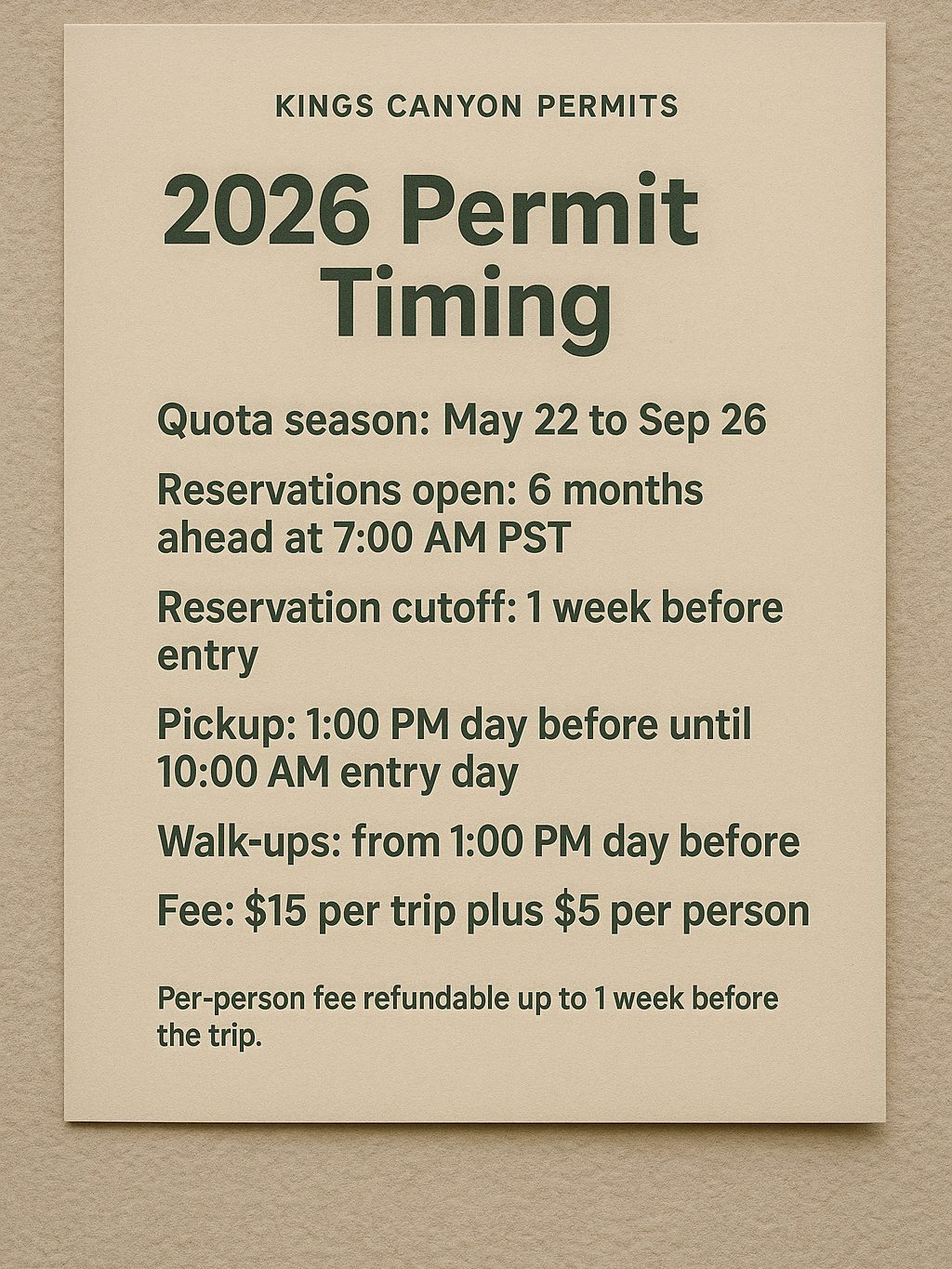
Quota season
Wilderness permit, late May to late September
Reservations open up to six months ahead and release daily at 7 AM Pacific. They close one week before your entry date (NPS, checked October 17, 2026).
Pickup
Your confirmation letter is not a permit
Reservations left unpicked without late-pickup arrangements are cancelled at 10 AM on entry day.
Outside quota season
Permits are free and self-issued
During quota season, walk-up permits go out starting at 1 PM the day before your trip, at the wilderness desk for your trailhead. Reservations close one week before your entry date, and the per-person part of the fee is refunded for cancellations or party-size cuts made up to one week before the trip starts. Outside quota season there's no walk-up line: you fill out a free self-issue permit at a kiosk that's open 24 hours (NPS, checked October 17, 2026).
Pick your zone first
Choose the zone before you chase dates. Road's End and Rae Lakes are the classic Kings Canyon move, a 41.4-mile loop with Paradise Valley, Bubbs Creek, Glen Pass, and lakes that justify the permit chase. Lodgepole is better when you want services nearby and a more central Sequoia base. Mineral King is the one to pick when you want steep, remote country and you're willing to deal with a slow road, limited services, altitude, marmot season, and construction that closes the road during part of most days from September 8 through October 28, 2026, after which the road closes for the winter. Grant Grove and Big Meadows are the quieter planning doors, useful when high passes are not ready or you want a less famous start.
Permits are the trip
The permit is not paperwork you can fix in the parking lot. Quota season runs late May through late September each year (for 2026, May 22 to September 26), and the NPS wilderness permits page posts the exact window each season. Reservations are handled through Recreation.gov and open up to six months ahead and close one week before your entry date, so 2027 season trips become bookable before the end of 2026. NPS says the confirmation letter is not the permit. You still need to pick up and validate the permit at the correct wilderness office, generally by 10:00 AM on your entry day unless late pickup is arranged. During quota season, walk-up permits start at 1:00 PM the day before a trip. During quota season the official NPS fee is 15 dollars per trip plus 5 dollars per person, and NPS refunds the per-person portion on cancellations and party-size reductions made up to one week before the trip starts. Outside quota season (for the current non-quota window, September 27, 2026 through May 20, 2027), permits are free and self-issued at the nearest permit station (NPS wilderness permits page, checked October 17, 2026). Your permit also comes with rules a ranger goes over at pickup. Pets aren't allowed in the wilderness. Party size tops out at 15 people on trail and 12 off trail, and a few spots go lower, like 8 off trail in Dusy Basin. Campfires and wood-burning stoves are banned above 10,000 feet in Kings Canyon, above 9,000 feet in Sequoia west of the Great Western Divide, and above 10,000 feet east of it, even when no fire restrictions are posted (NPS minimum impact restrictions, checked October 17, 2026).
Rae Lakes is not casual
Rae Lakes earns the hype, but it is not casual. NPS lists the loop at 41.4 miles from Road's End, with Glen Pass at 11,978 feet and trailhead elevation around 5,035 feet. As of July 31, 2026, NPS trail conditions call the loop snow-free at Glen Pass and the South Fork Kings River crossing above Paradise Valley no longer a hazardous crossing. The bridge itself washed out during the winter of 2016-2017, and construction of a replacement bridge has not begun, so the loop still includes a real ford. Canister logistics matter here: there are no canister rentals at Cedar Grove or Road's End, so rent one at another park visitor center first or bring your own. Route-by-route detail lives in the Rae Lakes Loop guide.
Mineral King is its own problem
Mineral King is a different animal. The area sits roughly 7,800 to 14,000 feet, reached by a narrow, steep, winding road from Highway 198, with no gas or electricity in the remote area. NPS warns RVs and trailers are not a good fit there, and spring through mid-summer brings the famous marmot problem: they can damage hoses and wiring if you park without precautions. Under the NPS 2025-2027 project, Mineral King Road has a tentative construction schedule from September 8 through October 28, 2026, subject to change. Monday through Thursday, expect up to 30-minute delays from 7 to 10 AM and again from 4 to 7 PM, with a full roadway closure from 10 AM to 4 PM. Friday through Sunday, the road closes from 8 AM to 7 PM with vehicle passthroughs at 10 AM, 1 PM, and 4 PM; be at a closure point for a passthrough time to be guaranteed through the construction zone. There are no closures or delays from noon Friday, October 9, through 7 AM Tuesday, October 13 (the Indigenous Peoples' Day weekend), and the road closes for the winter on October 28, 2026. Confirm the latest on the NPS road construction page before you leave. Add altitude to that and this becomes a trip that rewards patience more than spontaneity.
Season is a moving target
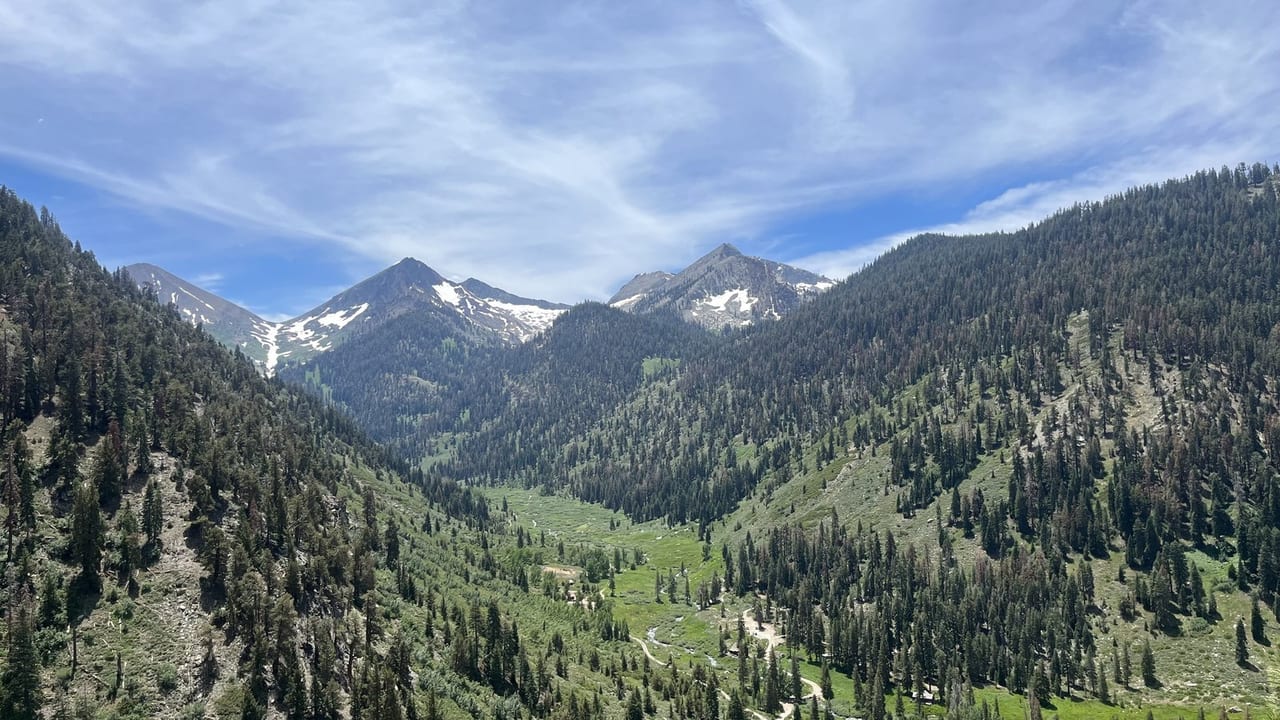
Plan the season with a snow map in your head. As of late July 2026 the main high country has cleared: NPS marked Glen Pass snow-free July 7, 2026, Rae Lakes Basin June 18, and Copper Creek and Granite Pass June 29, and the Mineral King passes followed by late July. Late summer is the practical prime window. May and early June can still mean high water and hazardous crossings in Kings Canyon, and late summer adds fire restrictions, smoke, and road-work checks. Water drops too: as of June 29, 2026, NPS reported no water between Grouse Lake and Granite Lake nor between Grouse Lake and Upper Tent Meadow, so carry more on late-season routes. Check NPS alerts, trail conditions, and road conditions again before you leave.
Food storage is not optional
Bring a bear canister unless your exact permit office tells you otherwise. NPS requires approved portable animal-resistant containers in several named areas from May 1 through October 31, including the Rae Lakes Loop, Dusy Basin, North Dome, Rock Creek, and Pear and Emerald Lakes. The safer reader move is to plan around a canister for most backpacking itineraries in these parks. Counter-balancing is not a backup plan here.
Who should skip it
Skip this destination if you need a frictionless first trip. Kings Canyon and Sequoia reward backpackers who can handle altitude, changing conditions, permit deadlines, and a little uncertainty. If you cannot carry a canister, cannot risk a cold ford, or need an easy road approach, choose a lower-commitment Sierra trip first. You can come back when the plan has room for the parks to be themselves.
Trail breakdown
Trail breakdown
Road's End and the Rae Lakes Loop
The classic Kings Canyon move: from Road's End through Paradise Valley, up past the Lakes to 11,978-foot Glen Pass, and back down Bubbs Creek. Permit pressure is real, the South Fork Kings crossing still runs without its bridge, and canister rentals are not available at Cedar Grove or Road's End.
Lodgepole and Giant Forest
The more central Sequoia base when you want services nearby, with campground reservations, lodging, and the Giant Forest shuttle area. Trails are open through the season, and the roads around Giant Forest and between the two parks can add up to 30 minutes of traffic delays.
Mineral King
Steep, remote country at roughly 7,800 to 14,000 feet behind a narrow, winding approach road from Highway 198. The road is under construction through October 28, 2026 and closes for the winter that day, and marmots, altitude, and limited services reward careful planners.
Grant Grove and Big Meadows
Quieter planning doors on the Kings Canyon side when the high passes are not ready or you want a less famous start. Check current trail and road conditions, since campgrounds and access change through the season.
Hazards & safety
Hazards to plan for
Washed-out South Fork Kings River bridge
The South Fork Kings River bridge above Paradise Valley washed out during the winter of 2016-2017, and construction of a replacement bridge has not begun. As of July 31, 2026, NPS no longer calls the crossing hazardous after the early-season high water, but flows track the snow year. Treat the ford as a live call on early-season trips.
Late snow and high passes
As of July 31, 2026, NPS lists the Rae Lakes Loop snow-free at Glen Pass since July 7 and in the basin since June 18, and the Mineral King passes cleared by late July. Earlier in the year, high passes can hold snow into July and the crossings run high and cold. Do not use the calendar alone as your green light.
Bear storage rules
Plan to carry an approved bear canister unless your exact itinerary and permit office clearly say otherwise. Food, trash, toiletries, sunscreen, and other scented items all count.
Road closures and fire restrictions
NPS Stage 1 fire restrictions (checked October 17, 2026) ban wood and charcoal fires, wood-burning stoves included, at backcountry campsites below 6,000 feet, in developed campgrounds below 3,000 feet and at the Hospital Rock and Ash Mountain picnic areas. Gas stoves are fine. Standing rules ban campfires above 10,000 feet in Kings Canyon and above 9,000 feet in Sequoia west of the Great Western Divide. Roads change week to week, so check the NPS road conditions page (nps.gov/seki/planyourvisit/road-conditions.htm) before you drive.
Mineral King vehicle damage
Spring through mid-summer marmots may damage hoses and wiring. NPS recommends protective parking steps for longer visits, especially before August.
High Sierra Trail washout
A July 24, 2026 trail report logged downed trees and a washout between Mehrten Creek and Bearpaw, leaving a narrow boot track on the High Sierra Trail. The stretch is not stock passable. Water is on at Bearpaw Meadow.
Retailer links on this page are affiliate links. We may earn a commission if you buy, and your price doesn't change. How affiliate links work →
Gear spotlights
What we’re recommending
For the no-signal miles
Satellite messenger
Garmin inReach Mini 3
Recreation.gov reviewers for Kings Canyon wilderness permits rate every carrier at no service. The inReach Mini 3 texts and sends an SOS over satellite. My review covers the plans, battery and what it can't do.
Get one honest gear take every Friday.
One email a week: new reviews, one gear pick with my reasoning, and nothing sponsored. Confirm your address and you get my printable 2-page backpacking gear checklist.
You'll get a confirmation link first, and nothing else arrives until you click it. Every email has a one-click unsubscribe. How your email is handled
More from Backpacking
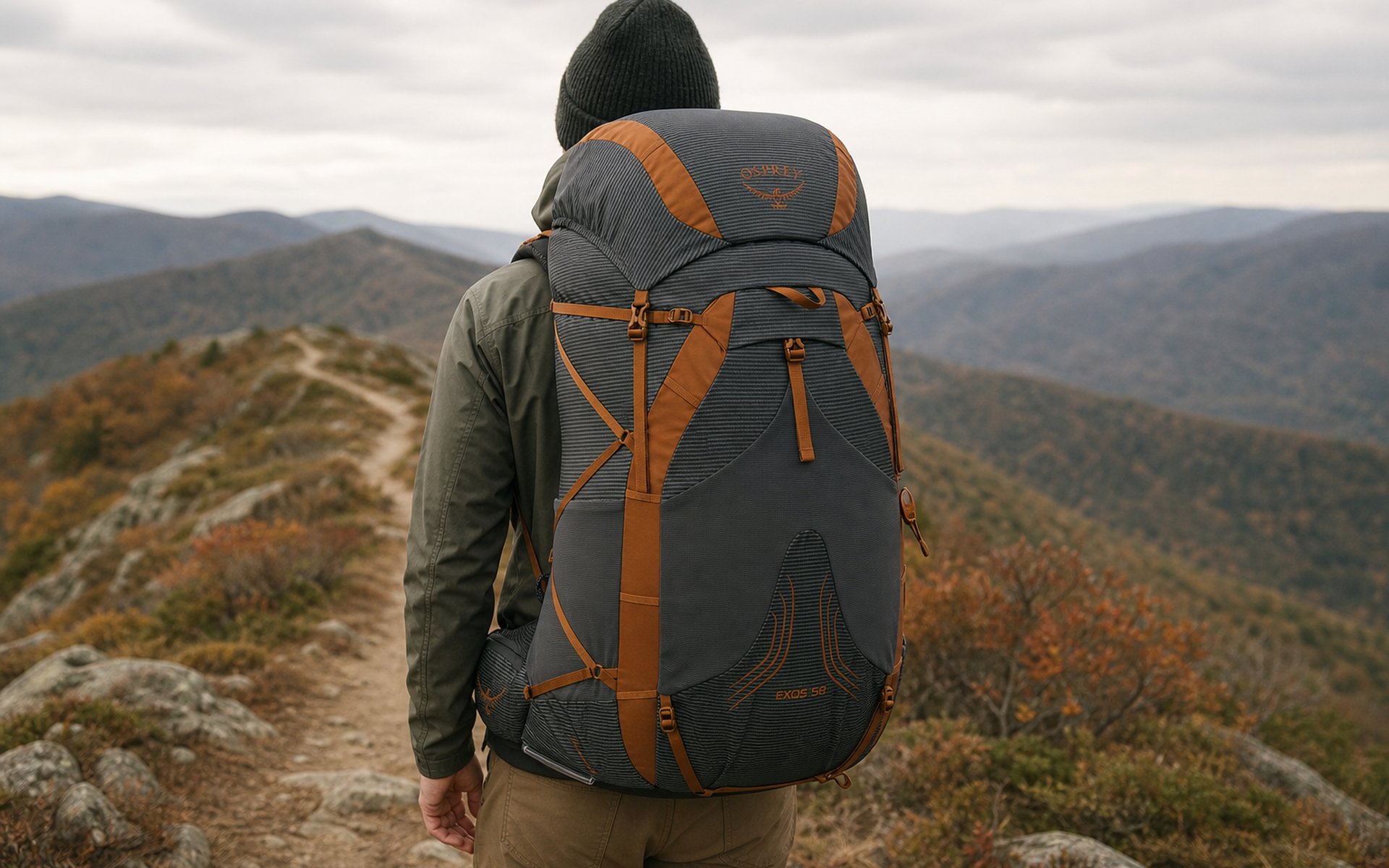
Osprey Exos 58 Review: The 2 lb 13 oz Pack That Carries 35 lb
The Exos 58 is a real frame and a ventilated back at 2 lb 13.4 oz, for 25 to 35 lb loads. Buy it in that window; skip it for ultralight kits or heavy hauls.
 Brooke Wilder
9 min read
Brooke Wilder
9 min read

Garmin inReach Mini 3 Review
The tiny Garmin inReach Mini 3 packs two-way satellite messaging, interactive SOS, and reliable Iridium coverage into 4.31 ounces. Worth it for remote or solo hiking?
Brooke Wilder
8 min read
Great Smoky Mountains Backpacking Guide
A reservation-first plan for a 22-mile Smokies backpacking route from Newfound Gap to Icewater Spring and Pecks Corner shelters.
Brooke Wilder
11 min read
Why trust BestForBackpacking
Honest gear advice for backpackers, researched, weighed, and recommended.
Every pick is based on deep research: a synthesis of long-term owner reports, independent reviewer tests, and manufacturer specs, weighted by source independence, specificity, and use-case match. Brooke Wilder is our gear editor, the editorial persona who turns that research into a clear recommendation.