
Bear Canisters
Best Bear Canisters for Backpacking
Last updated:
The best bear canister is the one your destination accepts. Start with the agency list, then choose the right volume, weight, and lid for your trip.
 By Brooke5 min read
Share this post
Send it to someone who's planning a trip.
Retailer links on this page are affiliate links. We may earn a commission if you buy, and your price doesn't change. How affiliate links work →
Quick picks
My picks at a glance
| Pick | Product | Where to look |
|---|---|---|
| Best default | BearVault BV500 Journey | Check price at Amazon → |
| Best weekend size | BearVault BV450 Jaunt | Check price at Amazon → |
| Best rental-style canister | Garcia Backpackers' Cache 812 | Check price at Amazon → |
| Premium weight saver | Wild Ideas Bearikade Weekender | See why it made the list ↓ |
| Best short-trip compact pick | Bare Boxer Contender 101 | See why it made the list ↓ |
| Soft-sided alternative | Ursack Major XL | See why it made the list ↓ |
Full reasoning for each pick is further down the page.
Start with legality
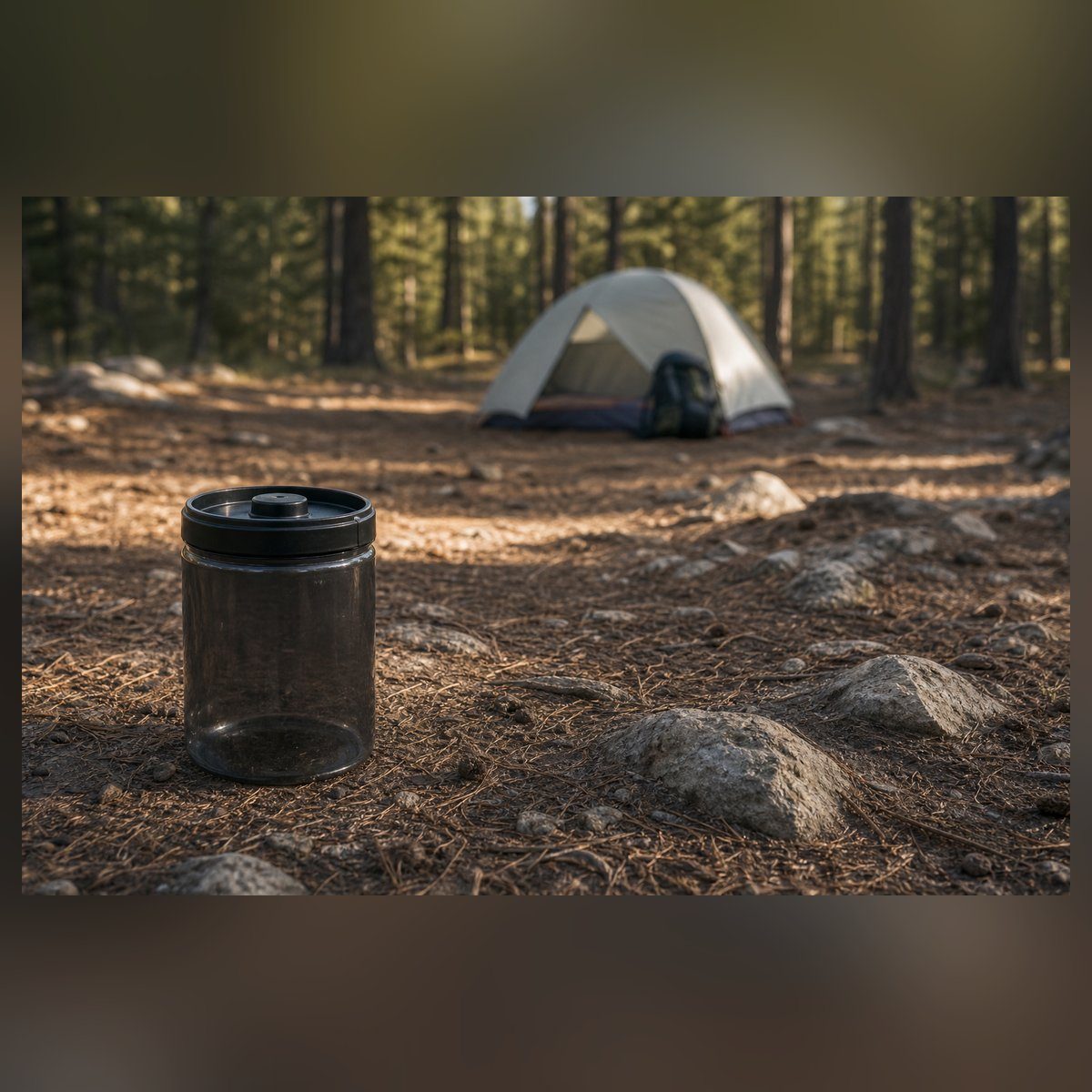
The best bear canister is the one your destination accepts. That sounds obvious until you compare a manufacturer claim, an IGBC certification note, and a park-specific list. The park list wins.
Yosemite's allowed-container list, checked in April 2026 by Madison's research pass, includes BearVault BV450 and BV500, Garcia 812 Backpackers' Cache, Bearikade Weekender serial 1766 and newer, and Bare Boxer Contender 101. It does not list Ursack. Olympic's approved animal-resistant food container list was updated June 25, 2026 and also uses a list-based rule: containers not listed are not permitted, even if the maker says they passed another test.
That is why this guide treats hard-sided canisters as the default and Ursack as a caveated alternative. Before you buy, open the current page for the exact park, forest, or wilderness area on your permit. A legal container that feels bulky is still better than a light bag that a ranger will not accept.
Pick volume by food carry
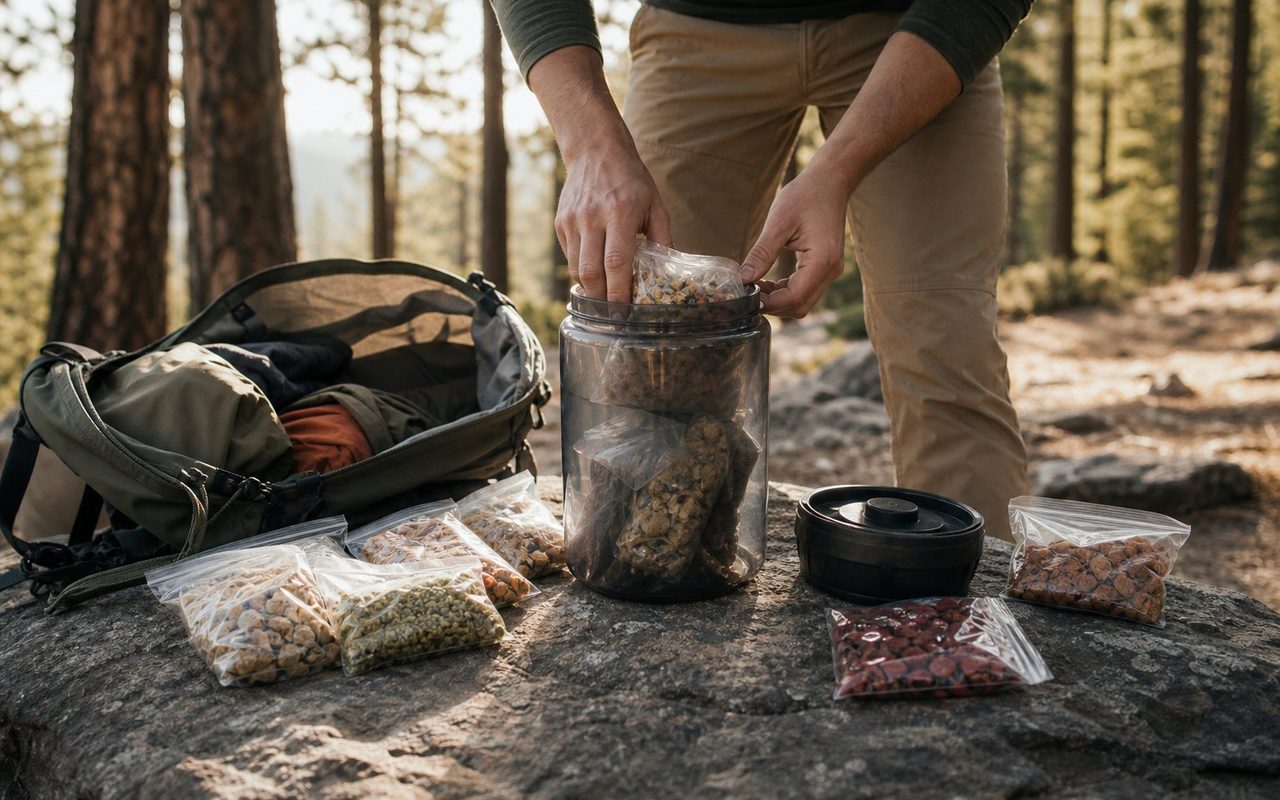
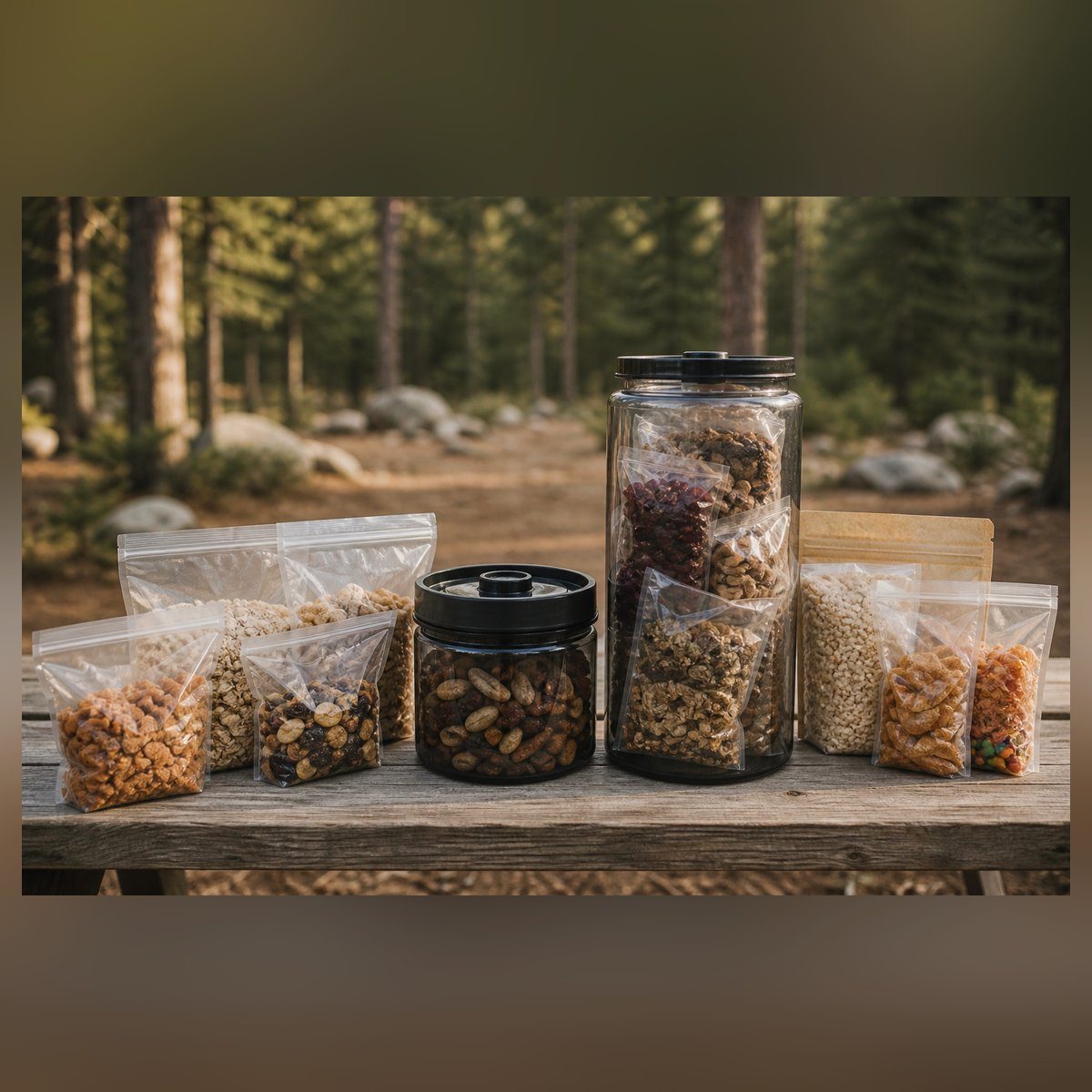
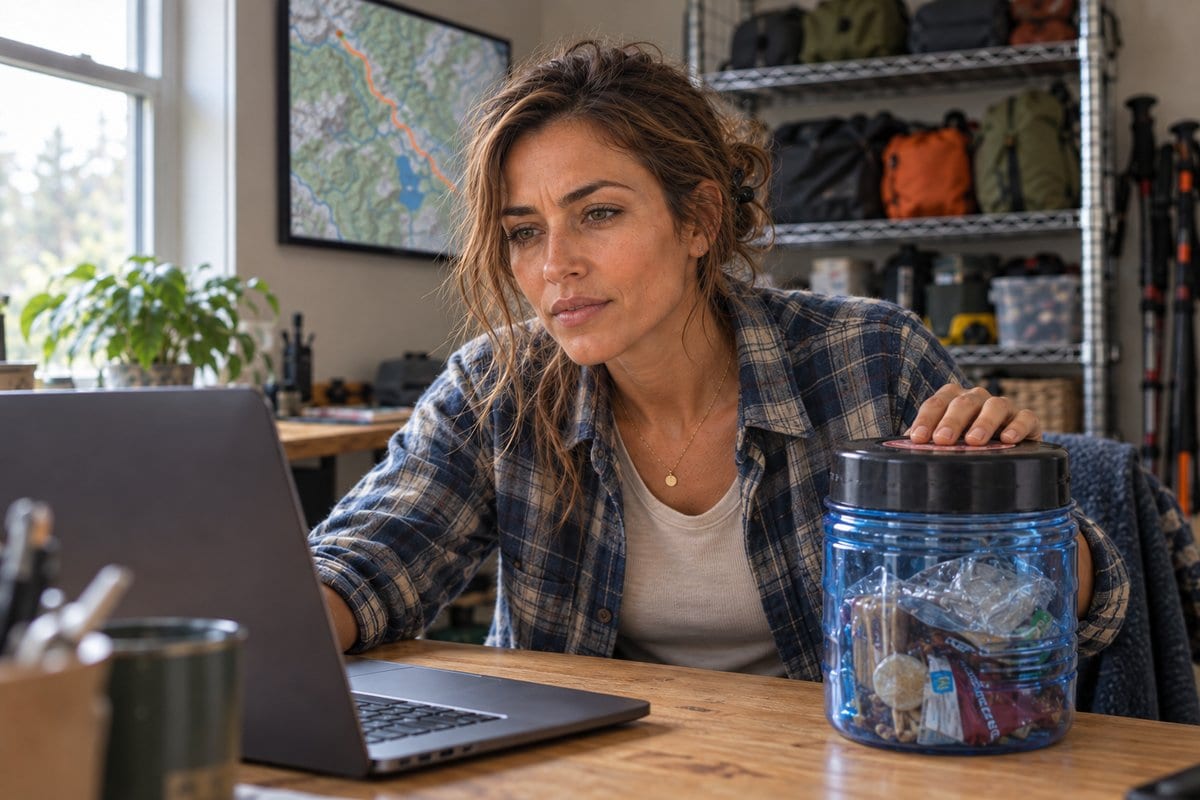
Volume is the mistake most backpackers feel first. A canister that fits two neat days of freeze-dried meals at home can turn annoying once you add snacks, trash, sunscreen, toothpaste, and the awkward first-day food you forgot to repackage.
For solo weekends, the Bare Boxer Contender 101 and BearVault BV450 are the compact choices. The Bare Boxer is the smallest hard-sided pick here, which helps pack fit, but its roughly 4.5 liter capacity keeps it in short-trip territory. The BV450 gives you more margin for a three or four day solo route while staying shorter than a BV500.
For longer Sierra, Yosemite, or Olympic trips, the BV500 is the safer default. It carries about 11.5 liters and is usually the better answer when the trip includes a long carry, a shared meal plan, or a first-timer who is not ruthless about packaging. Bearikade Weekender sits near the same usable-volume class with much lower weight, but its price band and lead time make it a premium solution, not the first recommendation for most readers.
Weight savings cost money
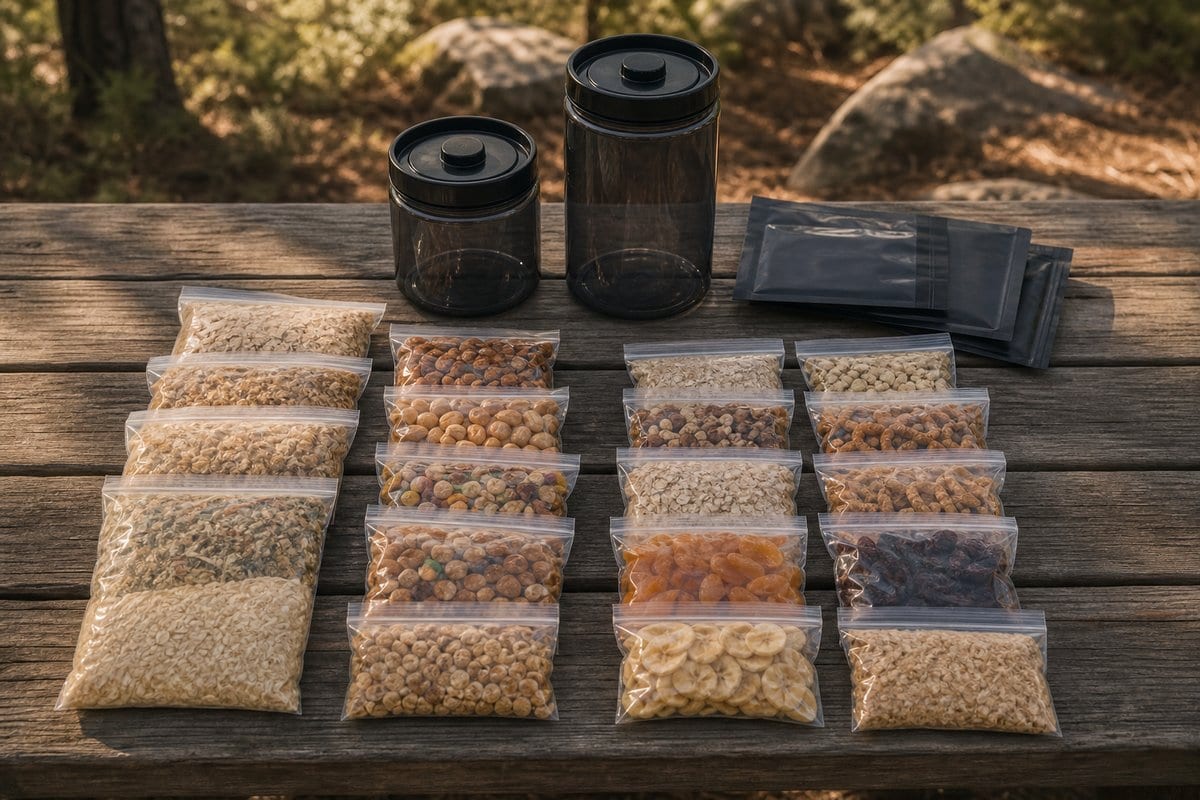
Hard canisters are heavy because they are designed to survive animal handling and still stay closed. The real question is whether the weight you save changes the trip enough to justify the cost.
Among legal hard-sided options in Madison's data, the Bearikade Weekender has the best weight-to-volume efficiency. At about 31 ounces for roughly 10.65 liters, it saves meaningful weight compared with a BV500 or Garcia-style rental canister. That matters for a thru-hiker, a high-mileage Sierra route, or anyone already carrying a dialed kit.
For most weekend and annual-trip backpackers, BearVault is the better value. The BV500 is not the lightest canister, but it is widely recognized, easy to buy, transparent enough to see what is inside, and priced in a normal gear range. If you only need a canister once, renting a Garcia through Yosemite can be the smarter move than owning a bulky container that sits in a closet.
Do not treat soft bags like hard canisters
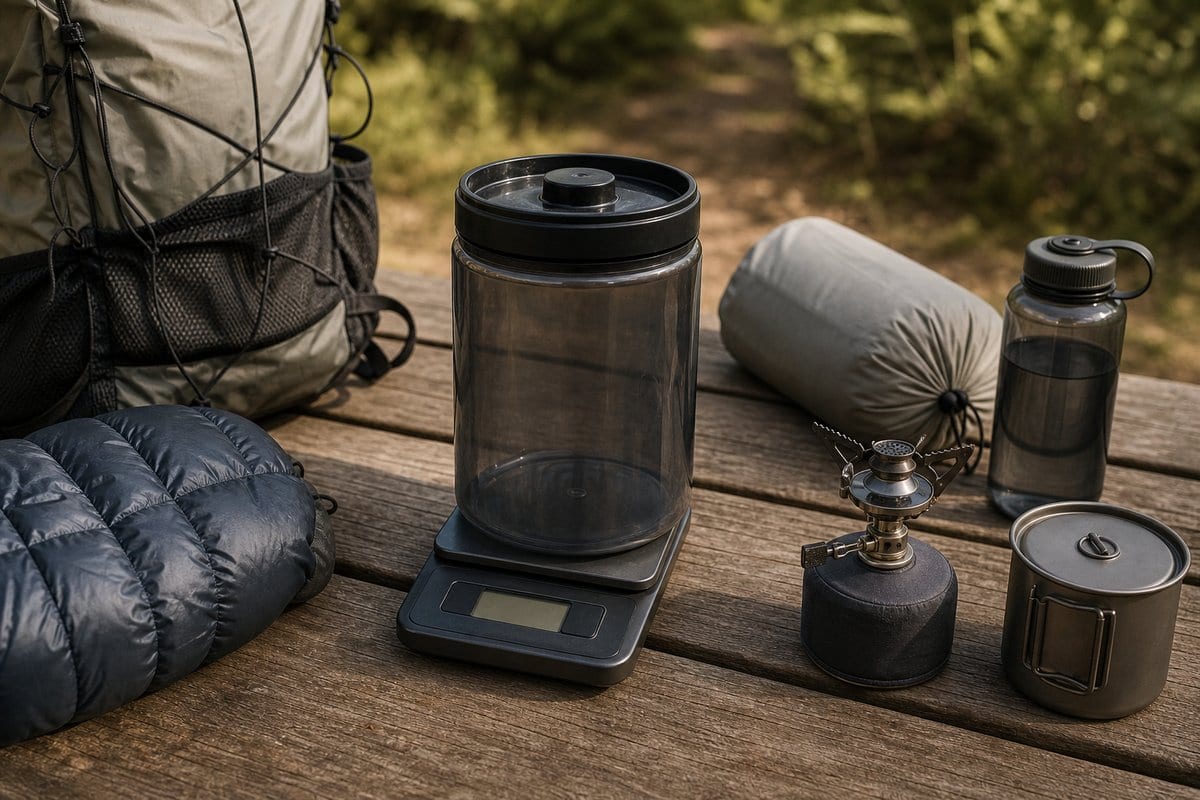
The Ursack Major XL belongs in this guide because it solves a real problem: hard canisters are bulky, round, and heavy. The Ursack is much lighter and packs around the rest of your kit instead of forcing your pack shape around a plastic cylinder.
The caveat is legal, not cosmetic. Ursack is not a hard-sided canister, and several high-use destinations either do not list it or require listed hard-sided containers in specific zones. If Yosemite, Olympic, Yellowstone, or another destination says hard-sided or list-only, do not assume a soft-sided bag is a substitute.
Where an Ursack is accepted, it is best for hikers who understand the tradeoff. It can save a lot of weight and pack space, but food can still be crushed if an animal works the bag. It also has to be tied correctly, away from camp, water, and cliffs. It is a tool for the right rule set, not a universal shortcut.
Lids and pack fit matter every day
A canister lives in your hands twice a day, so the lid matters more than it looks on a spec table. BearVault's tool-free screw lids are the easiest recommendation for most people because you do not need a coin, key, or knife to open dinner. Bare Boxer is much smaller, but it requires a key, knife, or multi-tool, which is fine until the opener is buried in another pocket.
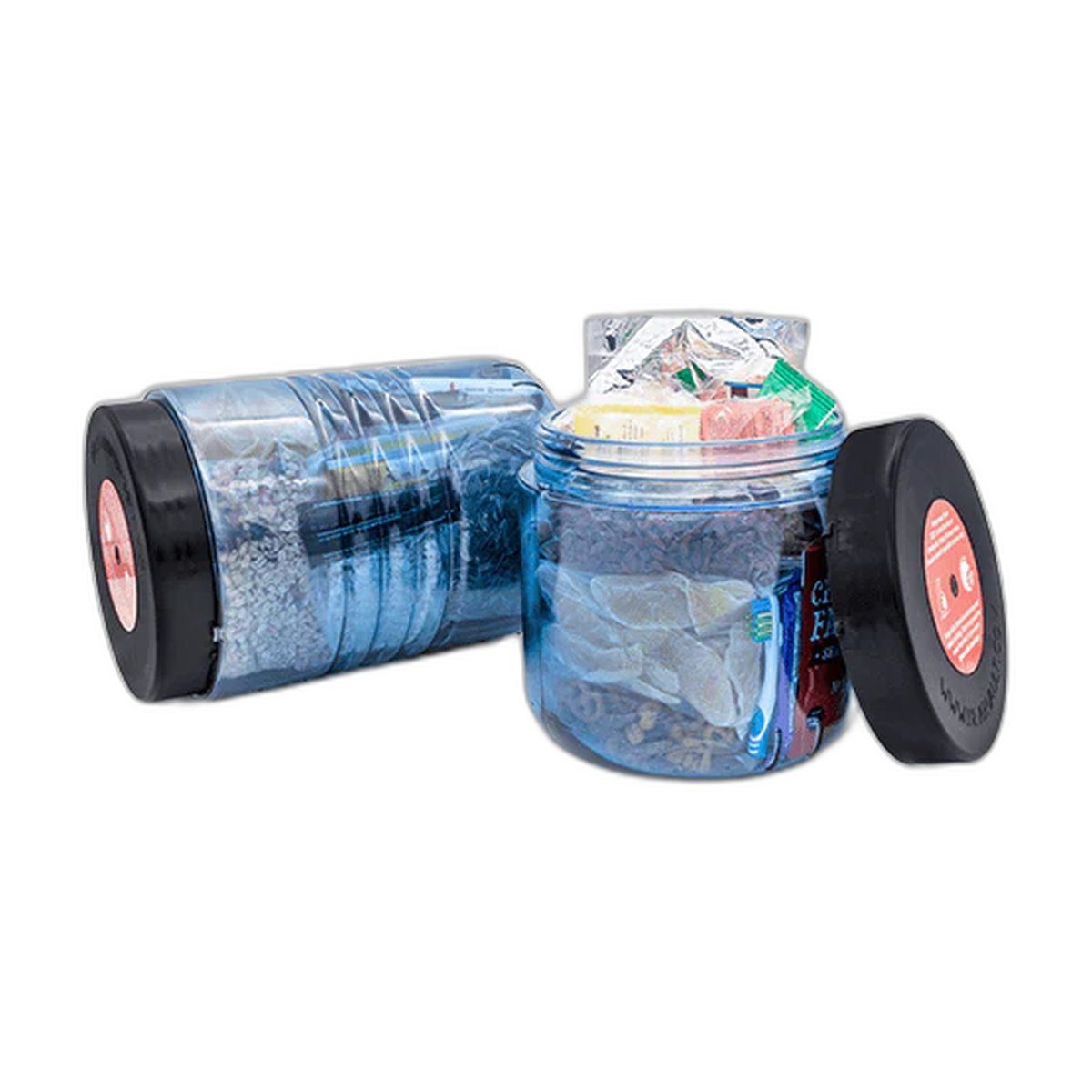
Pack fit is the other daily reality. BearVault models share an 8.7 inch diameter; the BV500 is taller, while the BV450 is shorter. Garcia rental canisters are similarly wide and tall. Bare Boxer is notably smaller. Bearikade Weekender is light for its volume but still a rigid cylinder. If your pack is narrow or already full with a winter kit, measure the main bag before you buy.
Do not count on a bear canister being odor-proof. Store food, trash, toiletries, and scented items inside it, then place it away from your tent and where it cannot roll into a creek or off a cliff. The canister is the last line of defense after clean camp habits, not a reason to get sloppy.
The picks
Best default: BearVault BV500. Pick it for longer solo trips, shared food, and destinations where BearVault is listed. It is bulky, but it gives most backpackers the cleanest mix of capacity, availability, list acceptance, and price.
Best weekend size: BearVault BV450. Choose it when your food carry is shorter and you still want the same tool-free BearVault usability. It is not the lightest per liter, but it is easier to pack than a full-height canister.
Premium weight saver: Bearikade Weekender. Buy it when the weight savings are worth the price band and shipping lead time. This is a great-fit pick for committed hikers, not a casual first canister.
Best short-trip compact canister: Bare Boxer Contender 101. It solves pack-fit problems on short trips, but it is too small for longer food carries.
Best caveated soft option: Ursack Major XL. Use it only where accepted. It is a smart low-bulk alternative when rules allow it and a bad idea when the permit language says hard-sided canister.
Gear spotlights
What we’re recommending
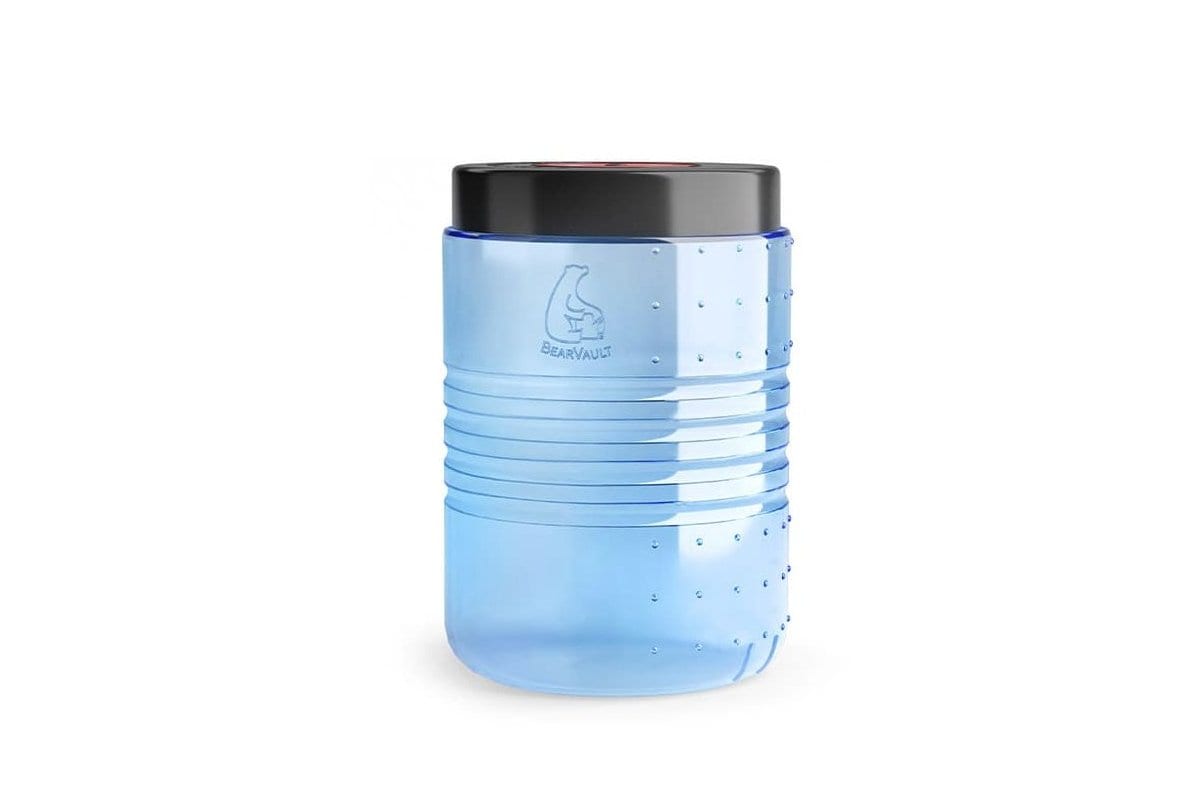
Best default
Hard canister, longer solo or shared trips
BearVault BV500 Journey
The safe default for most backpackers: widely accepted, about 11.5 liters, tool-free lid, and enough room for longer food carries.
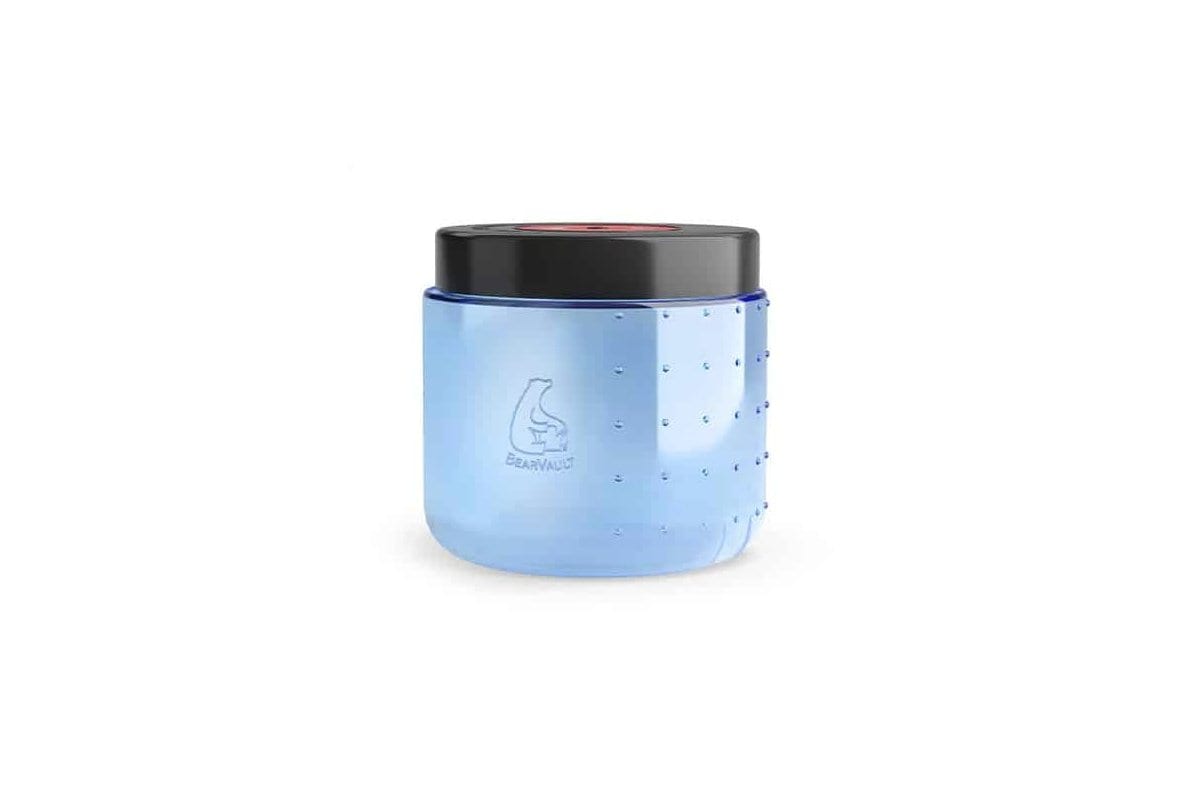
Best weekend size
Hard canister, solo weekends
BearVault BV450 Jaunt
Shorter and easier to fit than the BV500, with the same transparent body and tool-free lid for three to four day food carries.
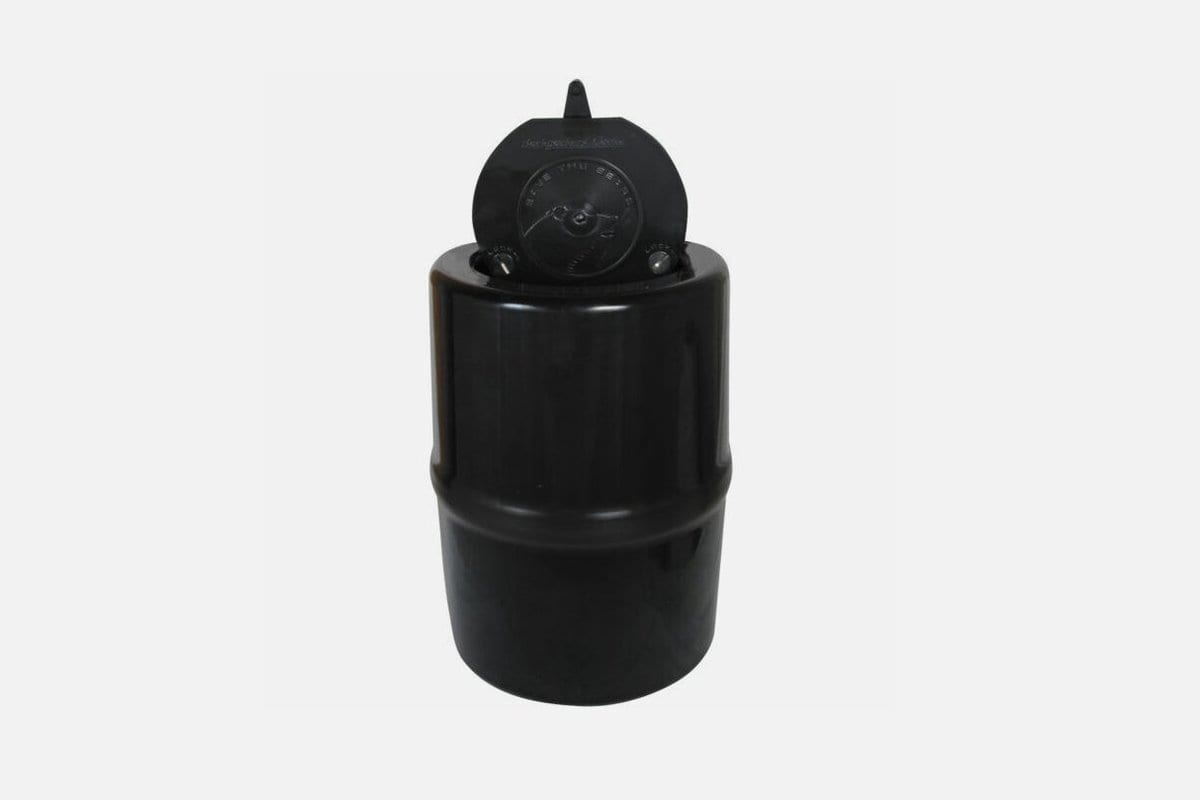
Best rental-style canister
Hard canister, proven agency rental
Garcia Backpackers' Cache 812
Heavier than the BearVault picks, but widely used as a rental canister and a practical buy when you want a proven hard-sided option.
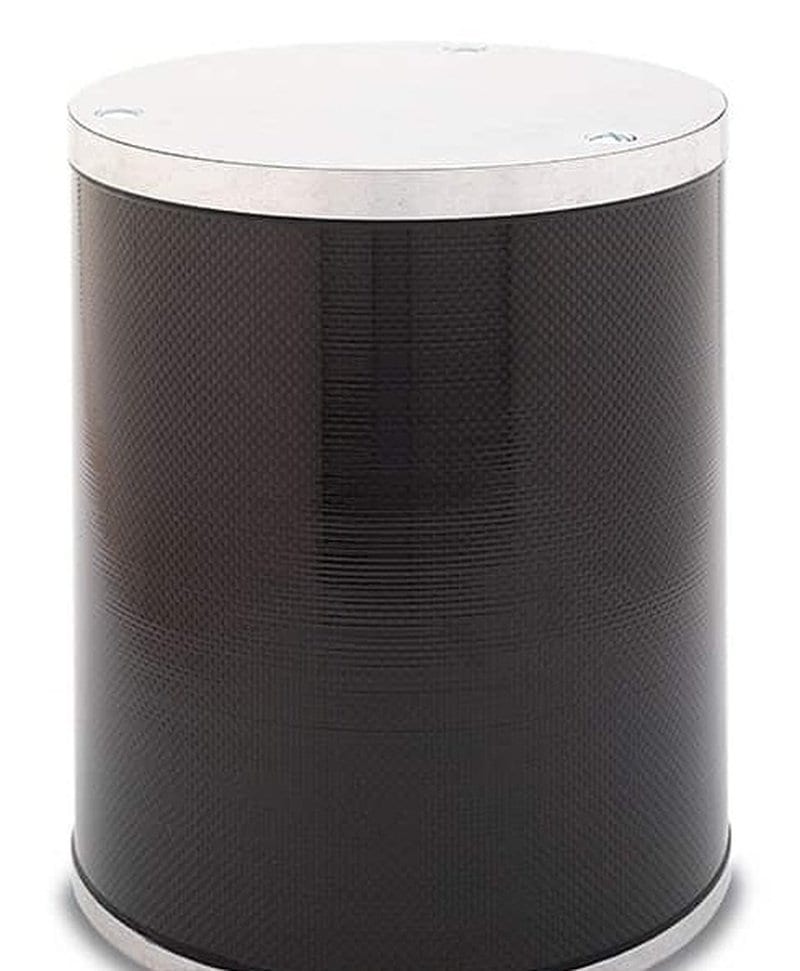
Premium weight saver
Carbon-fiber hard canister
Wild Ideas Bearikade Weekender
The lightest hard-sided high-capacity pick in this set, best for hikers who will pay more to save real pack weight.
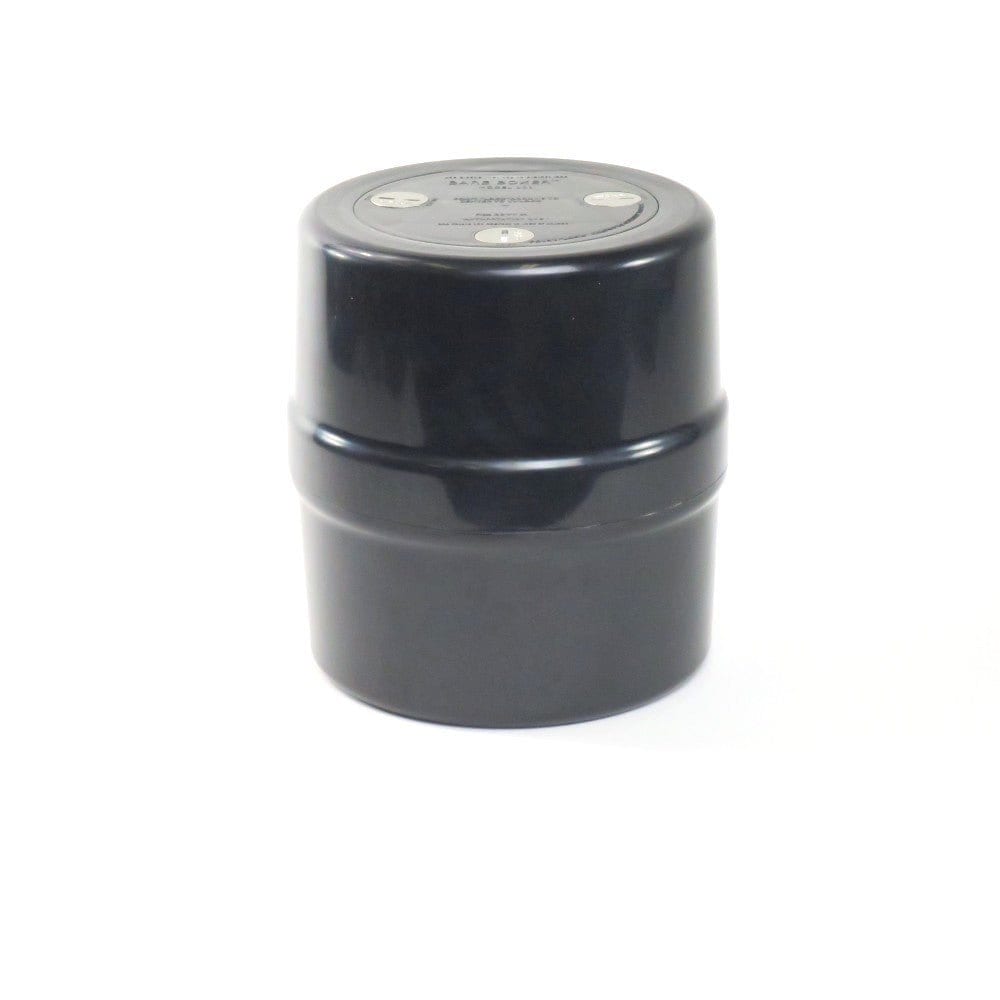
Best short-trip compact pick
Small hard canister
Bare Boxer Contender 101
A compact approved canister for short solo trips, with much less wasted pack volume and a hard stop on longer food carries.
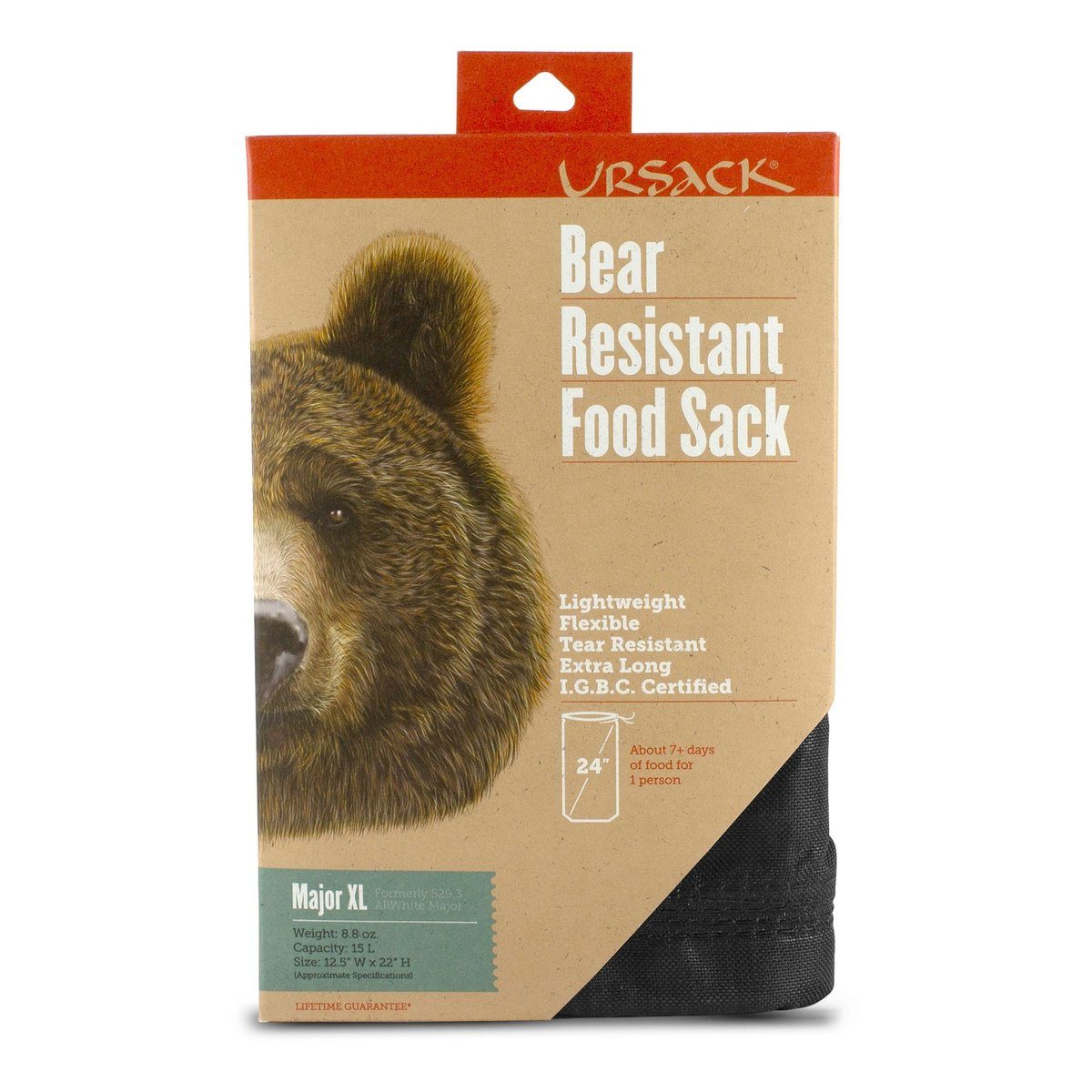
Soft-sided alternative
Soft-sided bear-resistant bag
Ursack Major XL
The low-bulk, low-weight option where local rules allow it. Do not use it as a substitute where hard-sided canisters are required.
Frequently asked
Quick answers
What size bear canister do I need?
Size it to your longest food carry, not your average weekend. The Bare Boxer Contender 101 (about 4.5 liters) is a short-trip canister, and the BearVault BV450 gives a solo hiker more margin for three or four days. For longer Sierra, Yosemite, or Olympic trips, or shared food, the BV500 (about 11.5 liters) is the safer default.
Which bear canisters are approved?
It depends on where you're hiking, and the land manager's list beats any maker's claim. Yosemite's list, checked in April 2026, includes the BearVault BV450 and BV500, the Garcia 812 Backpackers' Cache, the Bearikade Weekender (serial 1766 and newer), and the Bare Boxer Contender 101. It doesn't list the Ursack. Check the current list for your exact park or forest before you buy.
Get one honest gear take every Friday.
One email a week: new reviews, one gear pick with my reasoning, and nothing sponsored. Confirm your address and you get my printable 2-page backpacking gear checklist.
You'll get a confirmation link first, and nothing else arrives until you click it. Every email has a one-click unsubscribe. How your email is handled
Why trust BestForBackpacking
Honest gear advice for backpackers, researched, weighed, and recommended.
Every pick is based on deep research: a synthesis of long-term owner reports, independent reviewer tests, and manufacturer specs, weighted by source independence, specificity, and use-case match. Brooke Wilder is our gear editor, the editorial persona who turns that research into a clear recommendation.